Does Mounjaro Burn When Injected? Causes and Relief
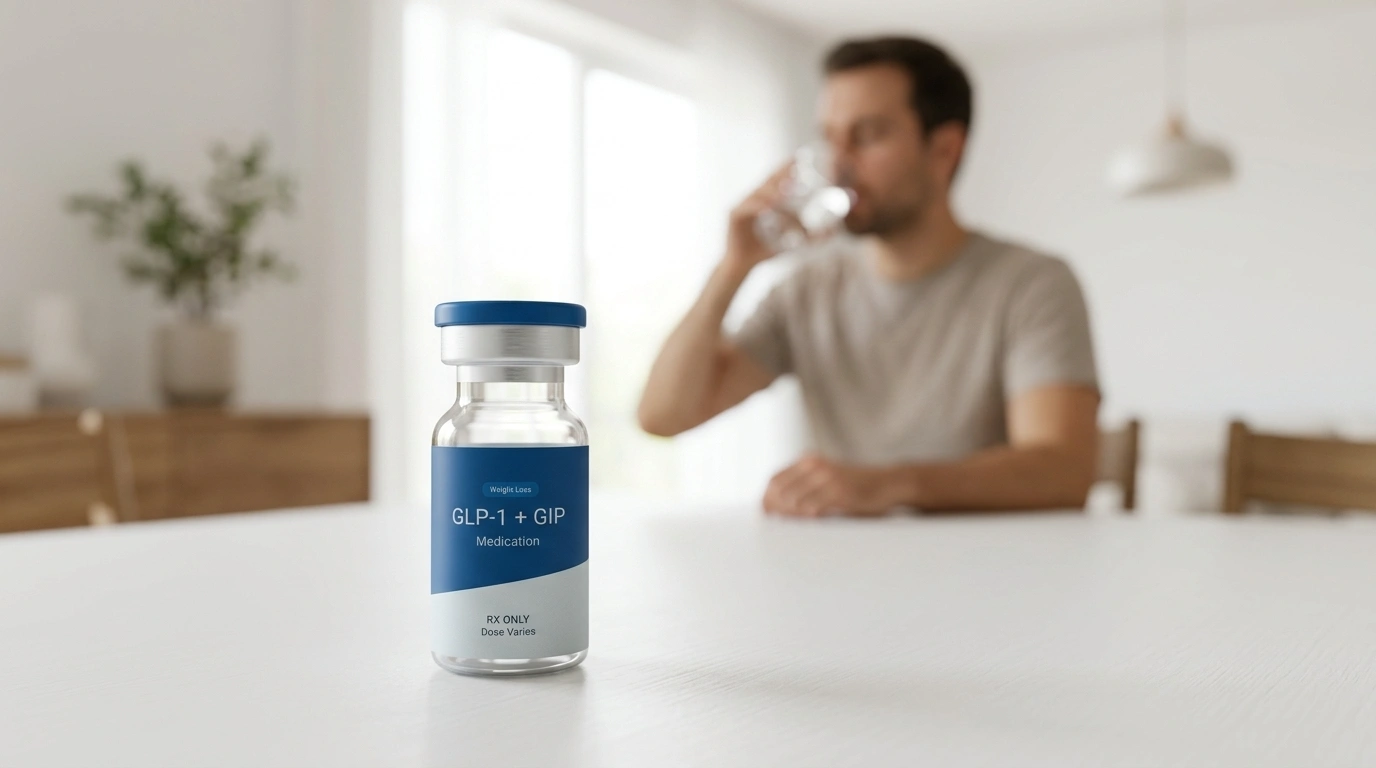
Table of Contents
- Introduction
- Why Injections Can Sometimes Sting
- The Role of Medication Temperature
- Alcohol Prep and Skin Irritation
- Choosing and Rotating Injection Sites
- Injection Technique and Pressure
- Understanding Tirzepatide and Personalized Care
- Managing Common Skin Reactions
- Distinguishing Between “The Burn” and an Allergic Reaction
- The Science of GLP-1 and GIP Pathways
- Step-by-Step for a More Comfortable Injection
- The Importance of Medical Supervision
- Beyond the Injection: Holistic Weight Loss
- When to Consult Your Provider
- Myths vs. Facts About Injection Pain
- Long-Term Success and Comfort
- Conclusion
- FAQ
Introduction
Standing over a kitchen counter with an injection pen can feel like a high-stakes moment, especially if you are new to metabolic health treatments. If you have felt a sharp sting or a lingering burning sensation during your weekly dose, you are certainly not alone. Many people wonder, does Mounjaro burn when injected, and whether that sensation means they are doing something wrong. At TrimRx, we believe that understanding the “why” behind your physical experience is the first step toward a more comfortable and sustainable weight loss journey. While a mild, temporary sting is a common experience for many users of GLP-1 and GIP medications, it is rarely a cause for clinical alarm. This article will explain why this sensation occurs, how to minimize discomfort through better injection techniques, and how our personalized programs support you through every step of your treatment. If you are considering prescription support, you can complete a free eligibility assessment to explore whether a personalized program may be appropriate for you.
Why Injections Can Sometimes Sting
The sensation of burning or stinging during an injection is usually related to the physical properties of the medication or the way it enters the skin. Mounjaro® (tirzepatide) is a dual-agonist medication that mimics two hormones in the body: glucagon-like peptide-1 (GLP-1) and glucose-dependent insulinotropic polypeptide (GIP). These hormones help regulate blood sugar and appetite. The medication itself is a liquid solution designed for subcutaneous injection, meaning it goes into the fatty tissue just below the skin.
There are several biological and mechanical reasons why you might feel a burn. The most common reason is the temperature of the liquid. Most people store their pens in the refrigerator, and injecting cold liquid into warm body tissue can trigger a sensory “shock” that feels like a sharp sting. Additionally, the pH level of the medication or the presence of preservatives can sometimes irritate the local nerve endings in the skin. For another look at these causes, review why tirzepatide may burn during injection.
Quick Answer: Yes, it is common for Mounjaro® to cause a mild burning or stinging sensation during or immediately after injection. This is usually caused by the temperature of the medication, the presence of alcohol on the skin, or the specific injection site used.
The Role of Medication Temperature
Injecting cold medication is perhaps the most frequent cause of discomfort. Most injectable GLP-1 medications must be stored in the refrigerator to maintain their stability and effectiveness. However, the human body is significantly warmer than a standard refrigerator. When that cold solution enters the subcutaneous fat, the temperature difference can cause the surrounding tissue to react, resulting in a burning sensation.
To reduce this, many healthcare providers suggest taking the pen out of the refrigerator for about 30 minutes before your scheduled dose. This allows the liquid to reach room temperature. It is important to keep the pen away from direct sunlight or extreme heat sources during this time. Letting the medication warm up slightly does not impact its efficacy, but it can significantly improve your comfort level during the process. You can also review practical tirzepatide injection instructions for additional administration guidance.
Alcohol Prep and Skin Irritation
Another common culprit for the “burn” has nothing to do with the medication itself. It is the alcohol swab used to clean the skin. Standard injection protocol requires cleaning the site with an alcohol pad to prevent infection. If you inject the needle while the skin is still wet with alcohol, the needle can carry some of that alcohol deep into the puncture site.
Alcohol is a known irritant to open tissue. When it is pushed under the skin by the needle, it creates an immediate, sharp stinging sensation. To avoid this, always wait for the alcohol to air-dry completely before proceeding with the injection. This usually takes about 15 to 30 seconds. Do not blow on the skin to speed up the process, as this can introduce bacteria to the sanitized area.
Choosing and Rotating Injection Sites
Where you choose to inject can play a major role in how much discomfort you feel. Most people inject into the abdomen, the thigh, or the back of the upper arm. These areas have a higher concentration of subcutaneous fat, which is ideal for the absorption of tirzepatide.
However, some areas are more sensitive than others. The skin around the navel (belly button) is often more sensitive and has more nerve endings. Most manufacturers recommend staying at least two inches away from the belly button. If you find the abdomen too sensitive, the outer thigh often provides a more comfortable experience for many individuals. For more detail, see this guide to choosing a tirzepatide injection site.
Site rotation is a critical part of a successful program. If you inject in the exact same spot every week, you may develop “lipo-hypertrophy,” which is a buildup of fatty tissue or scar tissue. This can make the area feel firm or lumpy and may lead to inconsistent medication absorption or increased pain over time.
How to Rotate Sites Effectively
- Divide your abdomen into four quadrants (imagine a clock face).
- Move to a different quadrant each week.
- If using your thighs, switch between the left and right leg each dose.
- Keep a simple log or use a calendar to track where you last injected.
Injection Technique and Pressure
The way you handle the injection pen can influence the sensation. Most modern pens are designed to be user-friendly, but a few small adjustments can make a difference. If you press the pen too firmly against the skin, the pressure alone can increase the sensation of the needle entering the tissue. You want a firm seal against the skin, but you do not need to push hard.
Some individuals find that “pinching an inch” of fat helps. By gently squeezing a small fold of fatty tissue, you create a stable target for the needle and may move the underlying muscle further away from the injection site. This can be particularly helpful for individuals who have a lower body fat percentage.
Key Takeaway: Burning sensations are usually preventable by allowing the medication to reach room temperature, ensuring the alcohol has dried on the skin, and rotating injection sites weekly to avoid tissue irritation.
Understanding Tirzepatide and Personalized Care
At TrimRx, we understand that starting a medication like tirzepatide involves a learning curve. Tirzepatide is the active ingredient in Mounjaro® and Zepbound®. For many of our members, access to this active ingredient comes through compounded tirzepatide, which is prepared by FDA-registered and inspected compounding pharmacies. This allows for a personalized approach to dosing that fits each individual’s health profile and weight loss goals.
While the branded versions are well-known, our platform focuses on the person, not just the prescription. We provide access to licensed healthcare providers who can help you navigate these common side effects. If a member experiences persistent burning or skin reactions, our team is available to discuss alternative techniques or verify that the reaction is within the normal range of expectations. To explore whether prescription treatment may be a fit, you can take the free assessment quiz.
Managing Common Skin Reactions
Beyond the immediate burn of the injection, some people experience “injection site reactions.” These are localized responses at the spot where the needle entered. This might include redness, itching, or a small bump.
These reactions are usually a sign that the body’s immune system is responding to the foreign substance (the needle or the medication). In most cases, these symptoms fade within a few hours or a couple of days. Applying a cool compress to the area after the injection can help soothe any lingering heat or itching. If you notice a rash that spreads or extreme swelling, it is important to contact a healthcare provider immediately. For more information, read about common tirzepatide injection site reactions.
Distinguishing Between “The Burn” and an Allergic Reaction
It is vital to know the difference between a common, minor sting and a serious allergic reaction. While a temporary burn is normal, a systemic reaction is a medical emergency. You should seek immediate medical attention if you experience any of the following after an injection:
- Difficulty breathing or swallowing.
- Swelling of the lips, tongue, or throat.
- Severe dizziness or a rapid heartbeat.
- A widespread rash or hives far away from the injection site.
Fortunately, serious allergic reactions to tirzepatide are rare. Most discomfort is localized and manageable with the tips mentioned above. Our dedicated specialists at TrimRx are always a message away to help you differentiate between expected side effects and those that require a closer look. You can also review how to prevent Mounjaro injection site reactions for additional guidance.
The Science of GLP-1 and GIP Pathways
To understand why your body might be sensitive to these injections, it helps to understand how the medication works. Tirzepatide is a unique molecule because it targets two different receptors: GLP-1 and GIP. These receptors are located throughout the body, including the digestive tract and the brain.
The GLP-1 pathway primarily helps slow gastric emptying and signals the brain that you are full. The GIP pathway is thought to improve how the body breaks down sugar and fat. Together, they create a powerful tool for weight management. Because these medications are so potent, the body sometimes needs time to adjust to the presence of the hormone mimic in the subcutaneous tissue.
Step-by-Step for a More Comfortable Injection
If you are worried about pain, following a consistent routine can help reduce anxiety and physical discomfort. Here is a simple process you can follow:
- Step 1: Preparation. Take your medication out of the refrigerator 30 minutes before you plan to use it.
- Step 2: Selection. Choose an injection site (stomach, thigh, or arm) that you haven’t used recently.
- Step 3: Sanitization. Clean the area with an alcohol swab and wait for it to dry completely. Do not touch the area again once it is dry.
- Step 4: Posture. Sit or lie down if you feel nervous. Relaxing your muscles can make the injection feel less invasive.
- Step 5: Action. Place the pen against the skin, unlock it, and press the button. Hold for the duration specified in your instructions (usually 10 seconds).
- Step 6: Care. If there is a tiny drop of blood, apply light pressure with a cotton ball. Do not rub the site, as rubbing can increase the burning sensation.
The Importance of Medical Supervision
Self-injecting medication can feel intimidating, but it is a skill that becomes second nature with practice. This is why having a support system is so important. When you use a platform like ours, you aren’t just getting a prescription; you are getting a clinical partner.
We ensure that every person in our program has a thorough initial assessment to determine if medications like compounded tirzepatide or semaglutide are appropriate for their medical history. This personalized approach means we can tailor the dosage and the titration schedule—the speed at which your dose increases—to minimize side effects, including injection site discomfort.
Beyond the Injection: Holistic Weight Loss
While the “burn” of an injection lasts only seconds, the journey to metabolic health is a marathon. Medications like tirzepatide are most effective when they are part of a broader lifestyle shift. This includes balanced nutrition, regular physical activity, and adequate hydration.
Sometimes, the burning sensation or other minor side effects like nausea can lead to “treatment fatigue,” where a person wants to stop the medication. We work to prevent this by offering comprehensive support. Our goal is to make the process as seamless as possible so you can focus on your progress rather than the mechanics of the needle.
Bottom line: Minor burning during a Mounjaro® injection is usually a harmless side effect of cold medication or wet alcohol on the skin. It can almost always be managed with simple changes to your routine.
When to Consult Your Provider
While we have established that a mild burn is common, you should never hesitate to reach out to a professional if something feels “off.” If the pain is intense, lasts for more than a few minutes, or is accompanied by bruising that does not heal, a provider needs to evaluate your technique or the injection site.
At TrimRx, our telehealth-first model means you don’t have to wait weeks for an appointment to get an answer. You have 24/7 access to specialized support. Whether you are using compounded semaglutide or tirzepatide, we are here to ensure your experience is safe and effective. If you are ready to discuss your eligibility, start with a free personalized assessment.
Myths vs. Facts About Injection Pain
Myth: If the injection burns, the medication isn’t working correctly. Fact: Burning is usually a physical reaction to the solution’s temperature or pH and has no impact on how well the medication works for weight loss.
Myth: You should rub the site after injecting to help it absorb. Fact: Rubbing the site can actually increase irritation and may cause the medication to absorb too quickly or lead to bruising.
Myth: Injections in the stomach always hurt more than the thigh. Fact: Pain is subjective. Some people find the stomach more comfortable because of the higher fat content, while others prefer the thigh. Site rotation is the most important factor.
Long-Term Success and Comfort
The ultimate goal of using GLP-1 or GIP medications is to achieve sustainable weight loss and improved metabolic health. A few seconds of discomfort once a week is a small hurdle in the context of the long-term benefits these treatments can provide. By mastering the “room temperature” rule and perfecting your site rotation, you can make these injections a nearly painless part of your weekly routine.
Our mission at TrimRx is to help individuals embrace healthier lifestyles through science, empathy, and a transparent, personalized approach. We believe that by removing the guesswork from your treatment, we empower you to stay consistent and reach your goals.
Conclusion
Feeling a slight burn when injecting Mounjaro® is a common experience that can usually be resolved with a few simple adjustments. By letting your medication warm to room temperature, ensuring your skin is dry after using an alcohol swab, and rotating your injection sites, you can significantly improve your comfort. Remember that your weight loss journey is a process of learning what works best for your unique body. We are committed to providing the clinical expertise and personalized programs you need to navigate these challenges with confidence. If you are ready to take the next step toward a healthier version of yourself, complete a free eligibility assessment and our team can guide you through the next stage of your treatment journey.
FAQ
Why does Mounjaro sting more some weeks than others?
The intensity of the sting often depends on the specific spot you chose and whether you hit a small nerve ending or a more sensitive area of skin. It can also vary if you didn’t allow the medication to warm up long enough or if the alcohol on your skin hadn’t fully evaporated before you injected.
Is it okay to use an ice pack before injecting?
Yes, some people find that numbing the skin with an ice pack for a minute or two before cleaning the site can reduce the sensation of the needle. Just make sure to dry the skin thoroughly and use an alcohol swab afterward to ensure the area is sterile before you proceed.
What should I do if I see a small lump after my injection?
A small, firm lump (often called a wheal) is usually just the medication sitting in the subcutaneous tissue before it is absorbed. It typically disappears within a few hours. If the lump is painful, red, or lasts more than a few days, you should consult your healthcare provider to check for a localized reaction. You can also review what a red bump after a tirzepatide injection may mean.
Can I change my injection site every week?
Yes, you should change your injection site every single week. Rotating between your abdomen, thighs, and the back of your arms helps prevent the buildup of scar tissue and ensures that the medication is absorbed consistently and effectively into your system.
Disclaimer: This content is for informational purposes only and does not constitute medical advice. It is not intended to diagnose, treat, cure, or prevent any disease or condition. Individual results may vary. Always consult a qualified healthcare professional before starting any weight loss program or medication.

Transforming Lives, One Step at a Time
Keep reading

When You and Your Spouse Are Both on Mounjaro
It is increasingly common for both people in a couple to be on the same medication. Sometimes one partner starts and the other follows…

Black Friday Shopping on Mounjaro
For a lot of families, Black Friday is a tradition: lining up before dawn, racing through stores with a list, and shopping until the…

Mounjaro Alternatives: What Else to Consider
If Mounjaro isn’t the right fit, the closest alternatives are other GLP-1 medications, chiefly semaglutide (Ozempic for diabetes, Wegovy for weight), along with a…


