Does Mounjaro Help Diabetes?
Introduction
Managing type 2 diabetes often feels like a high-stakes balancing act. You might carefully track every carbohydrate, monitor your blood sugar multiple times a day, and still find that your A1c levels aren't where they need to be. It is a exhausting cycle that can leave you feeling like your body is working against you. At TrimRx, we believe that managing your metabolic health should feel like a partnership between science and lifestyle.
The short answer is yes—Mounjaro® is specifically designed and FDA-approved to help adults with type 2 diabetes manage their blood sugar. However, it does more than just lower numbers on a screen; it fundamentally changes how your body processes energy. This article will explain how this dual-action medication works, what the clinical data says about its effectiveness, and how personalized programs can support your journey toward better health. If you're ready to see whether a prescription-based program fits your goals, take the free assessment quiz.
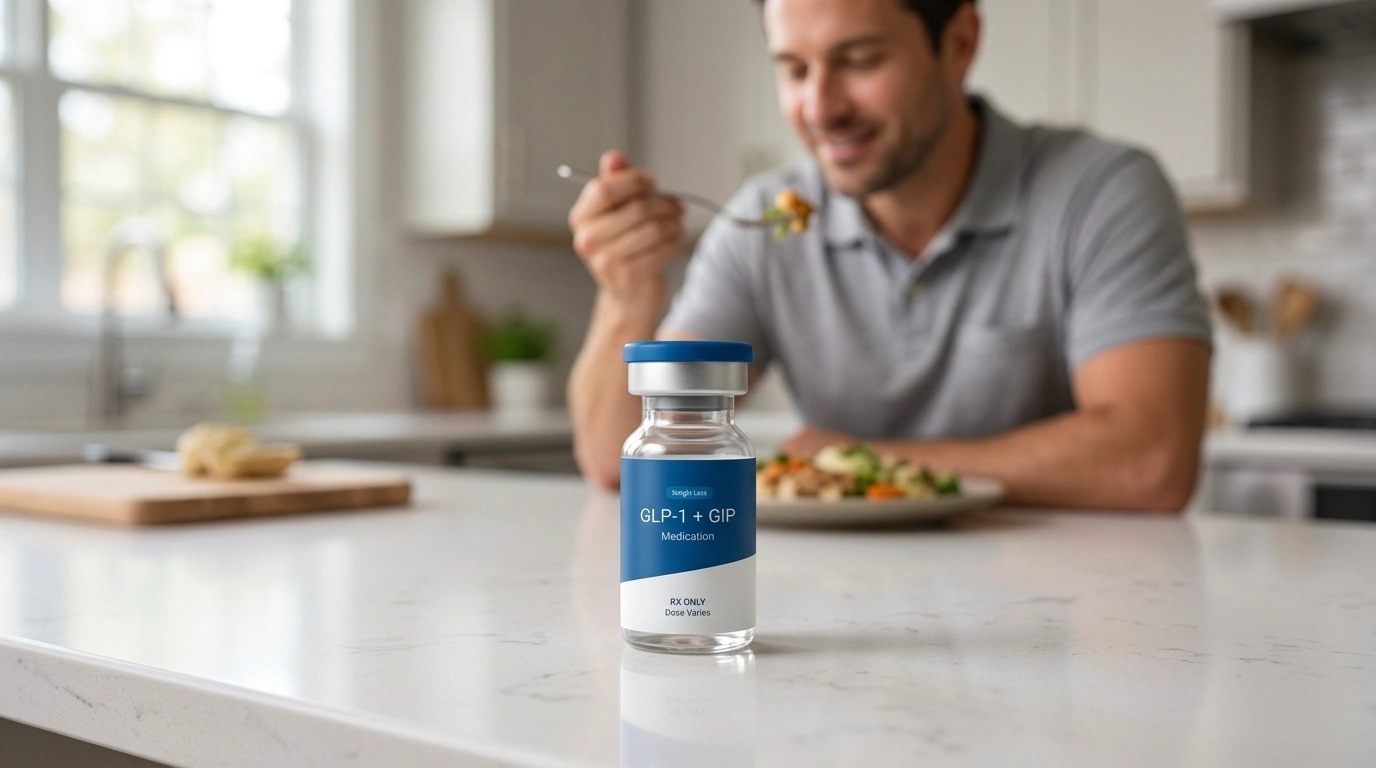
Quick Answer: Mounjaro helps diabetes by mimicking two natural hormones, GLP-1 and GIP, which signal the pancreas to release more insulin and tell the liver to produce less sugar. Clinical studies show it can significantly lower A1c levels and fasting blood glucose when combined with diet and exercise.
How Mounjaro Works to Support Diabetes Management
To understand why this medication is different, we have to look at the "incretin effect." Incretins are hormones your body naturally releases after you eat. For individuals with type 2 diabetes, this hormonal response is often weakened. Mounjaro is a dual agonist, meaning it activates two different hormone receptors in the body to restore and enhance this response.
The Role of GLP-1 and GIP
The active ingredient in Mounjaro is tirzepatide. This molecule acts like two specific hormones: Glucagon-like peptide-1 (GLP-1) and Glucose-dependent insulinotropic polypeptide (GIP).
Glucagon-like peptide-1 (GLP-1) is a hormone that targets the pancreas and the brain. It encourages the release of insulin after a meal and prevents the liver from pumping out extra sugar. It also slows down "gastric emptying," which is the speed at which food leaves your stomach. This helps you feel full longer and prevents a sharp spike in blood sugar after eating.
Glucose-dependent insulinotropic polypeptide (GIP) works alongside GLP-1. While researchers are still learning about all its functions, GIP appears to enhance the body's sensitivity to insulin and helps manage how the body stores fat. By mimicking both hormones, tirzepatide offers a "dual-action" approach that is more robust than medications that only target the GLP-1 receptor.
If you want a broader breakdown of this hormone pathway, how GLP-1 actually works for weight loss walks through the biology in more detail.
Improving Insulin Secretion
Insulin is the key that unlocks your cells so sugar (glucose) can enter and be used for energy. In type 2 diabetes, your cells become "insulin resistant," or your pancreas doesn't make enough of it. Mounjaro signals the pancreas to release insulin only when your blood sugar is rising. This "glucose-dependent" mechanism is helpful because it reduces the risk of your blood sugar dropping too low when you haven't eaten.
Reducing Glucagon Production
Glucagon is another hormone produced by the pancreas, but it has the opposite effect of insulin. It tells your liver to release stored sugar into the bloodstream. Many people with type 2 diabetes have glucagon levels that remain too high, even after a meal. Tirzepatide helps suppress this unnecessary sugar release, keeping your baseline glucose levels more stable throughout the day.
Key Takeaway: Mounjaro is a dual agonist that mimics GLP-1 and GIP hormones to increase insulin, decrease glucagon, and slow digestion, resulting in more stable blood sugar levels.
Clinical Efficacy: What the Data Shows
When evaluating if a medication helps with diabetes, clinicians look at three primary markers: Hemoglobin A1c (A1c), Fasting Blood Glucose, and weight management.
Significant Reductions in A1c
The A1c test measures your average blood sugar over the past two to three months. A common goal for many adults with diabetes is to get their A1c below 7%. In clinical trials, Mounjaro demonstrated remarkable results compared to placebos and other common diabetes medications.
| Dosage | Average A1c Reduction | % Achieving A1c < 7% |
|---|---|---|
| 5 mg | 1.8% to 2.1% | ~75% - 82% |
| 10 mg | 1.7% to 2.4% | ~80% - 90% |
| 15 mg | 1.7% to 2.4% | ~82% - 92% |
These reductions are often higher than those seen with "single-action" GLP-1 medications like Ozempic®. For a more diabetes-specific look at this class of medication, can diabetics take tirzepatide for enhanced glycemic control and weight loss explains how it supports glycemic control and weight loss.
Lowering Fasting Blood Glucose
Fasting blood glucose is the amount of sugar in your blood after you haven't eaten for at least eight hours. High fasting levels often indicate that the liver is overproducing sugar overnight. Clinical studies showed that people taking the 15 mg dose of tirzepatide saw their fasting blood glucose levels drop by an average of 39 to 63 mg/dL.
The Connection Between Weight and Diabetes
While Mounjaro is technically approved for glycemic control, weight loss is a very common effect of the medication. For an individual with type 2 diabetes, losing even 5% to 10% of their body weight can significantly improve insulin sensitivity.
In studies, patients on the highest dose of Mounjaro lost an average of 17 to 25 pounds over the course of 40 to 52 weeks. This weight loss helps the body use its own insulin more effectively, which creates a positive feedback loop for blood sugar management.
Who is a Candidate for Mounjaro?
Mounjaro is specifically indicated for adults with type 2 diabetes. It is meant to be used alongside improvements in diet and physical activity.
Eligibility Criteria
Generally, a healthcare provider may consider this medication for:
- Adults with a confirmed diagnosis of type 2 diabetes.
- Individuals whose blood sugar is not well-managed by metformin or other oral medications.
- People with type 2 diabetes who also have a high Body Mass Index (BMI).
Who Should Avoid It?
It is important to note that Mounjaro is not for people with type 1 diabetes or those who have experienced diabetic ketoacidosis. There are also specific medical histories that may make this medication unsafe:
- A personal or family history of Medullary Thyroid Carcinoma (MTC).
- Multiple Endocrine Neoplasia syndrome type 2 (MEN 2).
- A history of severe gastrointestinal disease or pancreatitis.
- Pregnancy or breastfeeding.
Note: Always consult with a licensed healthcare provider to determine if tirzepatide is appropriate for your specific medical history and health goals. If you're unsure whether you qualify, complete the free assessment quiz to start the medical review process.
The Journey of Starting Treatment
If a healthcare provider determines that a tirzepatide-based program is right for you, the process usually follows a specific schedule called titration. This gradual approach helps your body adjust to the hormonal changes and minimizes potential side effects.
Step-by-Step: The Titration Process
Step 1: Initial Dose / You will typically start at a low dose of 2.5 mg injected once weekly for the first four weeks. This dose is designed to help your body get used to the medication rather than to achieve full blood sugar control immediately.
Step 2: First Increase / After four weeks, if you are tolerating the medication well, your provider may increase the dose to 5 mg weekly.
Step 3: Ongoing Evaluation / Your provider will monitor your blood sugar readings and any side effects. If needed, the dose can be increased in 2.5 mg increments every four weeks, up to a maximum of 15 mg.
Step 4: Maintenance / Once you reach a dose that effectively manages your blood sugar with minimal side effects, you will stay at that "maintenance dose" for the duration of your treatment.
Administering the Medication
Mounjaro is a subcutaneous injection, meaning it goes into the fatty tissue just under the skin. Common injection sites include the abdomen, thigh, or the back of the upper arm. You only need to take the injection once a week, and it can be taken with or without food at any time of the day.
Managing Common Side Effects
Like any medication that affects the digestive system, Mounjaro can cause side effects. Most people find that these are mild to moderate and tend to decrease over time as the body adapts.
Gastrointestinal Symptoms
The most frequent complaints include:
- Nausea: This is the most common side effect, especially when first starting or increasing a dose.
- Diarrhea or Constipation: Changes in digestion speed can lead to changes in bowel habits.
- Vomiting or Upset Stomach: Slower gastric emptying means food stays in the stomach longer, which can lead to feelings of fullness or reflux.
Strategies for Management
To help minimize these issues, we often recommend:
- Eat smaller meals: Stop eating before you feel full to avoid overtaxing your digestion.
- Stay hydrated: Drink plenty of water throughout the day, especially if you experience diarrhea.
- Avoid trigger foods: High-fat, greasy, or very spicy foods can worsen nausea.
- Prioritize protein: Focus on lean proteins and fiber to maintain energy and muscle mass.
If low energy is part of what you're navigating, GLP-1 medications and energy levels breaks down why that can happen and what tends to help.
Serious Risks to Watch For
While rare, there are serious conditions that require immediate medical attention. If you experience severe abdominal pain that radiates to your back, it could be a sign of pancreatitis. If you notice a lump in your neck or have trouble swallowing, you should contact your provider immediately.
Bottom line: Most side effects of tirzepatide are digestive and temporary, but they should be managed under the guidance of a healthcare professional to ensure safety.
Mounjaro vs. Other Diabetes Medications
With the rise of GLP-1 medications, many people wonder how Mounjaro compares to options like Ozempic® or Trulicity®.
The Dual-Agonist Difference
The primary difference lies in the number of pathways targeted. Branded medications like Ozempic® (semaglutide) and Trulicity® (dulaglutide) only target the GLP-1 receptor. Because Mounjaro targets both GLP-1 and GIP, clinical trials have shown it often results in greater A1c reductions and more significant weight loss than semaglutide alone.
Mounjaro vs. Insulin
For many years, insulin was the primary next step when oral medications failed. However, insulin can often cause weight gain and carries a higher risk of hypoglycemia (dangerously low blood sugar). Mounjaro offers an alternative that actually supports weight loss and has a lower risk of hypoglycemia because its insulin-stimulating effects only kick in when blood sugar is high.
The Role of Personalized Telehealth
Navigating diabetes management shouldn't feel like you are doing it alone. TrimRx is a telehealth platform designed to bridge the gap between clinical expertise and your daily life. We focus on providing a personalized approach to metabolic health that goes beyond just writing a prescription.
How Our Program Works
Our mission is to make sustainable weight loss and metabolic health accessible and transparent. When you choose to work with us, you aren't just getting medication; you are joining a comprehensive program.
- The Assessment: Everything starts with our free assessment quiz. This helps us understand your health profile, goals, and medical history.
- Provider Consultation: We connect you with licensed healthcare providers who review your information and determine if a GLP-1 or GIP medication is appropriate for you.
- Medication Access: If prescribed, your medication is prepared by FDA-registered, inspected compounding pharmacies. This includes options like Compounded Tirzepatide or Compounded Semaglutide, which provide the same active ingredients as their branded counterparts.
- Ongoing Support: You have 24/7 access to a dedicated team to help you manage side effects, adjust your plan, and celebrate your progress.
Understanding Compounded Medications
It is important to understand the distinction between branded and compounded medications. Branded medications like Mounjaro® and Zepbound® are FDA-approved products manufactured by specific pharmaceutical companies.
Compounded Tirzepatide and Compounded Semaglutide are not FDA-approved. Instead, they are prepared by licensed pharmacists in FDA-registered and inspected facilities. These compounded versions allow for personalized dosing and can be a vital alternative during medication shortages. At TrimRx, we ensure all compounded medications come from reputable, high-quality pharmacies to ensure your safety.
Maximizing Your Results with Lifestyle
While Mounjaro is a powerful tool, it works best when supported by healthy habits. Diabetes management is most effective when you address the "four pillars" of metabolic health.
Nutrition
Focus on a "protein-first" diet. Because the medication reduces your appetite, it is crucial that the calories you do consume are nutrient-dense. Aim for:
- Lean proteins (chicken, fish, tofu, Greek yogurt)
- Non-starchy vegetables (leafy greens, broccoli, peppers)
- Healthy fats (avocado, olive oil)
- Complex carbohydrates in moderation (quinoa, sweet potatoes)
If you want a deeper look at the food side of this hormone pathway, what foods activate GLP-1 is a helpful companion read.
Physical Activity
Resistance training is particularly important when taking GIP/GLP-1 medications. When you lose weight quickly, your body can lose muscle mass along with fat. Lifting weights or doing bodyweight exercises helps preserve lean muscle, which keeps your metabolism high and further improves insulin sensitivity.
Supplementation
Sometimes, the reduced food intake associated with these medications can make it hard to get all your daily nutrients. We offer GLP-1 Daily Support supplement to complement your program by providing essential vitamins and supporting energy levels.
For days when you want additional support with overall energy during your weight-loss journey, Weight Loss Boost supplement is another option to consider.
Sleep and Stress
Chronic stress and lack of sleep can raise cortisol levels, which in turn raises blood sugar. Prioritizing seven to nine hours of sleep and practicing stress-management techniques like deep breathing or walking can enhance the effectiveness of your medication.
Why Personalized Care Matters
Every body is different. A dose that works perfectly for one person might cause significant side effects for another. This is why a "one-size-fits-all" approach to diabetes and weight loss often fails.
By using a telehealth-first model, we eliminate the barriers of waiting rooms and inconvenient appointments. You get regular check-ins and the ability to adjust your program based on how you feel. Whether you are using Oral Tirzepatide for convenience or an injectable format for maximum efficacy, your program is tailored to your lifestyle.
Our goal at TrimRx is to help you embrace a healthier lifestyle through science, empathy, and transparency. We believe that by providing access to medical expertise and high-quality medications, we can help you take control of your metabolic health for the long term.
Key Takeaway: Success with Mounjaro or Compounded Tirzepatide requires a combination of the right medication, consistent medical supervision, and sustainable lifestyle changes tailored to your unique health profile.
Summary of Next Steps
If you are struggling with type 2 diabetes and are curious if Mounjaro or a similar tirzepatide-based program can help, here is how to move forward:
- Review your recent labs: Have your latest A1c and fasting glucose numbers ready.
- Consult a professional: Speak with a provider about your medical history.
- Take the assessment: Use the free quiz on our platform to see if you are a candidate for our personalized programs.
- Prepare your lifestyle: Start making small shifts in your protein intake and daily movement to set yourself up for success.
Managing diabetes is a marathon, not a sprint. With the right tools and a supportive team, achieving stable blood sugar and a healthier weight is a realistic and attainable goal.
FAQ
Can I take Mounjaro if I have type 1 diabetes?
No, Mounjaro is only FDA-approved for the treatment of type 2 diabetes. It works by stimulating the pancreas to produce insulin in response to food, which is not effective for individuals with type 1 diabetes whose bodies do not produce insulin at all. Using this medication for type 1 diabetes can increase the risk of diabetic ketoacidosis.
Does Mounjaro cause low blood sugar (hypoglycemia)?
When used alone, Mounjaro has a low risk of causing hypoglycemia because it only stimulates insulin release when your blood sugar is actually high. However, if you take Mounjaro alongside other diabetes medications like insulin or sulfonylureas, the risk of your blood sugar dropping too low increases significantly. Your healthcare provider may need to adjust your other dosages when you start your program.
How long does it take for Mounjaro to lower A1c?
Most people begin to see improvements in their daily blood sugar readings within the first few weeks of treatment. However, because the A1c test measures a three-month average, it typically takes at least three months to see the full impact of the medication on your A1c levels. Consistency with your weekly injections and lifestyle changes is key to seeing these long-term results.
Is Mounjaro the same as Zepbound?
Mounjaro® and Zepbound® both contain the same active ingredient, tirzepatide, and are made by the same manufacturer. The primary difference is their FDA-approved indication: Mounjaro is approved for the treatment of type 2 diabetes, while Zepbound is approved for chronic weight management in adults with obesity or those who are overweight with weight-related health conditions. Both medications work the same way in the body. If you're looking at tirzepatide as a long-term option, tirzepatide for long-term weight management and sustained results offers a useful next read.
Disclaimer: This content is for informational purposes only and does not constitute medical advice. It is not intended to diagnose, treat, cure, or prevent any disease or condition. Individual results may vary. Always consult a qualified healthcare professional before starting any weight loss program or medication.

Transforming Lives, One Step at a Time
Keep reading

Mounjaro Alternatives: What Else to Consider
If Mounjaro isn’t the right fit, the closest alternatives are other GLP-1 medications, chiefly semaglutide (Ozempic for diabetes, Wegovy for weight), along with a…

Mounjaro vs Zepbound: Same Drug, Two Brands
Like their semaglutide counterparts, Mounjaro and Zepbound are the same medication (tirzepatide) sold under two names for two purposes: Mounjaro is approved for type…

Retatrutide vs Mounjaro: Triple Agonist vs Dual Agonist
The core difference between retatrutide and Mounjaro comes down to how many hormone targets each hits: retatrutide activates three receptors, while Mounjaro (tirzepatide) activates…


