Does Mounjaro Help High Blood Pressure: What the Research Shows
Introduction
Managing high blood pressure often feels like a constant balancing act between diet, exercise, and a growing list of medications. For many, the frustration of watching the numbers on the blood pressure cuff stay stubbornly high—even while trying to lose weight—is a significant emotional burden. If you have been following the latest developments in metabolic health, you may have heard about Mounjaro®, a medication primarily used for type 2 diabetes that has shown a remarkable ability to support weight loss. But a common question we hear at TrimRx is: does Mounjaro help high blood pressure? Recent clinical evidence suggests that this medication may do more than just manage blood sugar; it could play a vital role in improving cardiovascular health. This article explores the science behind how this treatment affects blood pressure, what the latest studies say, and how our personalized programs help you navigate these health improvements safely.
What Is Mounjaro and How Does It Work?
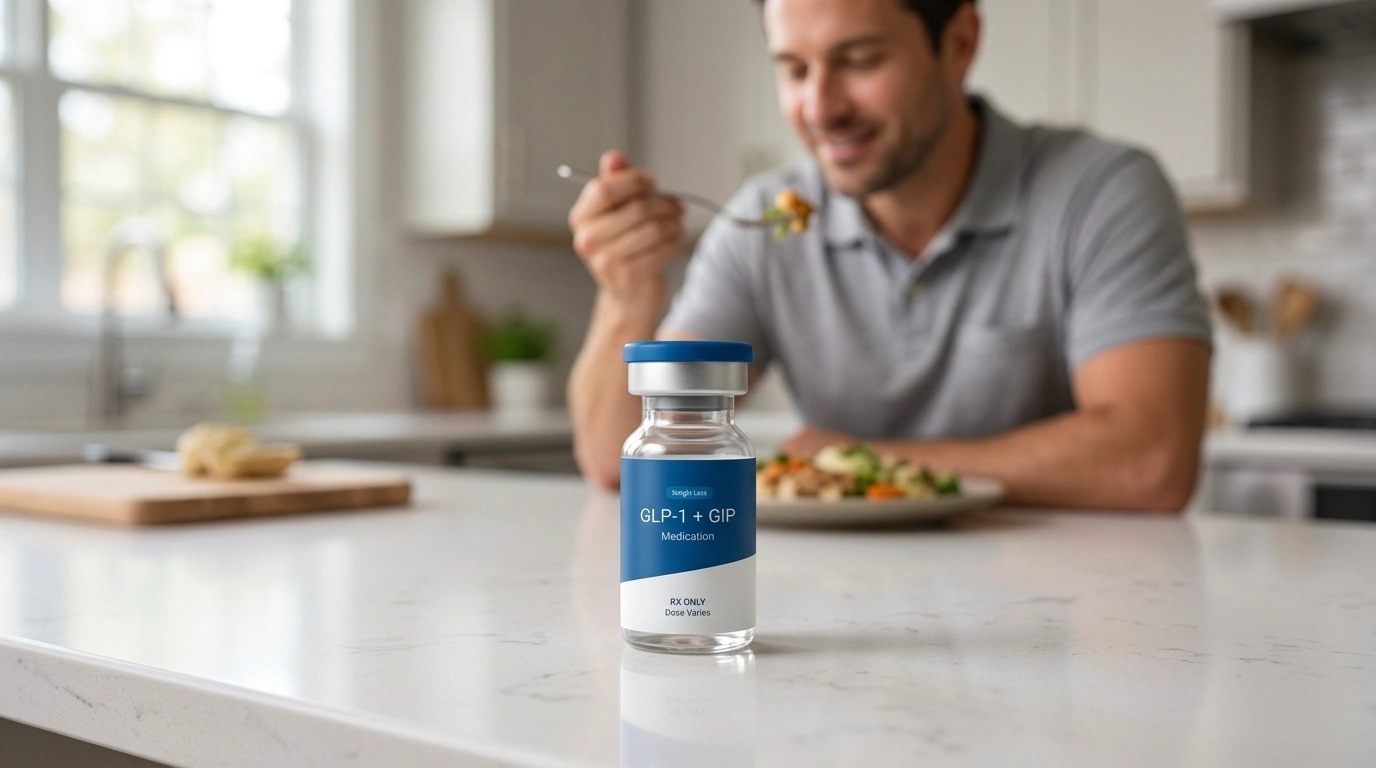
Before looking at its effects on blood pressure, it is important to understand what the medication actually is. Mounjaro® (tirzepatide) is a once-weekly injectable medication. It belongs to a class of drugs known as dual agonists. Unlike older medications that only target one hormone pathway, this treatment targets two: Glucagon-like peptide-1 (GLP-1) and Glucose-dependent insulinotropic polypeptide (GIP).
The Role of GLP-1 and GIP
To understand how the medication works, we need to define these two hormones in plain English:
- GLP-1 (Glucagon-like peptide-1): This hormone is naturally produced in the gut. It tells your brain you are full, slows down how fast your stomach empties, and helps your pancreas release the right amount of insulin.
- GIP (Glucose-dependent insulinotropic polypeptide): This is a secondary hormone that also stimulates insulin secretion. Research suggests that by adding GIP to the GLP-1 pathway, the medication may be even more effective at reducing appetite and improving how the body breaks down fat and sugar.
By mimicking these hormones, the medication helps regulate metabolism. While its primary FDA-approved use is for type 2 diabetes, the same active ingredient (tirzepatide) is also FDA-approved under the brand name Zepbound® for chronic weight management in adults with obesity or those who are overweight with weight-related health conditions. If you want to see whether a personalized program fits your goals, take the free assessment quiz to get started.
Key Takeaway: Mounjaro® works by mimicking two natural hormones that control hunger and blood sugar, leading to significant metabolic changes that go beyond simple weight loss.
The Scientific Link Between Mounjaro and Blood Pressure
Recent data from clinical trials has provided a clearer answer to whether the medication helps with high blood pressure. The most significant evidence comes from a detailed tirzepatide blood pressure guide, which specifically looked at ambulatory blood pressure monitoring (ABPM) in participants using tirzepatide.
Findings from the SURMOUNT-1 Sub-Study
The study followed participants for 36 weeks and used wearable monitors to track blood pressure every 30 to 60 minutes throughout the day and night. This provides a much more accurate picture than a single reading in a doctor’s office.
The results were statistically significant:
- Systolic Blood Pressure: Participants saw an average reduction of 7.4 mmHg to 10.6 mmHg, depending on the dose.
- Diastolic Blood Pressure: There was a modest but notable decrease of roughly 2 mmHg to 3 mmHg.
- Day and Night Consistency: The reductions were consistent during both waking hours and sleep, which is critical because high blood pressure at night is a major risk factor for heart disease.
Is the Drop Just from Weight Loss?
This is a vital distinction. Science has long known that losing weight reduces the strain on the heart and lowers blood pressure. However, researchers believe the medication might have a direct effect on the cardiovascular system as well.
Analysis suggests that while about 70% of the blood pressure reduction is directly linked to weight loss, the remaining 30% may be due to the medication’s direct impact on the body’s chemistry. This includes improving how the kidneys handle salt and reducing the “stiffness” of blood vessels.
Why Does Blood Pressure Drop on This Medication?
There are several physiological reasons why someone using Mounjaro® might see their blood pressure numbers improve. When we look at the body as an interconnected system, the metabolic improvements triggered by the medication create a “domino effect” on cardiovascular health.
1. Improved Sodium Excretion
High levels of insulin often cause the kidneys to hold onto excess sodium (salt). When your body retains salt, it also retains water, which increases the total volume of blood pushing against your artery walls. Because tirzepatide improves insulin sensitivity and lowers overall insulin levels, the kidneys are better able to flush out excess sodium. Less salt means less water retention, which leads to lower blood pressure.
2. Reduced Inflammation and Vascular Stiffness
Obesity and high blood sugar often lead to chronic inflammation, which causes blood vessels to become “stiff” or less flexible. To move blood through stiff vessels, the heart must pump harder. The GLP-1 and GIP pathways appear to have anti-inflammatory effects that help blood vessels relax and remain flexible, allowing blood to flow more easily.
3. Weight Loss and the Sympathetic Nervous System
Carrying excess weight can overstimulate the sympathetic nervous system—your “fight or flight” response. This constant state of alert keeps your heart rate and blood pressure elevated. As the medication supports significant weight loss, this nervous system activity often calms down, leading to a more relaxed cardiovascular state.
Bottom line: While weight loss is the biggest driver of blood pressure reduction, the medication also helps the kidneys flush out salt and allows blood vessels to relax, both of which lower the pressure on your heart.
Taking Mounjaro with Existing Blood Pressure Medications
If you are already taking medication for hypertension (the clinical term for high blood pressure), starting a program that includes GLP-1 or dual agonist medications requires careful coordination. At TrimRx, we believe that personalized care is essential because of how these medications interact. If you are thinking about the long view, our tirzepatide long-term use guide is a helpful next read.
The Risk of Hypotension
Hypotension is the clinical term for low blood pressure. If you are taking a medication that lowers your blood pressure and you start Mounjaro®, your blood pressure could potentially drop too low.
Symptoms of low blood pressure include:
- Dizziness or lightheadedness, especially when standing up quickly
- Fainting or feeling like you might pass out
- Blurred vision
- Fatigue
Medication Adjustments
As you lose weight and the medication begins to work, your “old” blood pressure dose may become too strong for your “new” body. It is very common for healthcare providers to reduce or even eliminate certain blood pressure medications as a patient progresses through their weight loss journey.
Important: Never stop or change the dose of your blood pressure medication without consulting your healthcare provider. Doing so can cause “rebound hypertension,” where your blood pressure spikes to dangerous levels.
Monitoring Your Health During the Program
Starting a personalized weight loss program is a significant step toward better health. Because blood pressure can change relatively quickly once you start a GLP-1 or dual agonist, we recommend a proactive approach to monitoring. If you want more context on the broader process, our how to start a weight loss journey that lasts article is a useful companion.
Step 1: Establish a Baseline
Before starting your first dose, take several blood pressure readings over a few days. This gives you and your provider a clear starting point to measure your progress against.
Step 2: Regular Home Checks
We encourage participants to check their blood pressure at home at least once or twice a week during the first few months. Use a high-quality arm cuff, as wrist monitors are often less accurate for those with higher BMIs.
Step 3: Track Your Symptoms
Keep a simple log of how you feel. If you notice dizziness after your third or fourth week of treatment, it might be a sign that your blood pressure is improving and your other medications need adjustment.
Step 4: Communicate with Your Specialist
When you use our platform, you have access to a team that can help you understand these changes. If your home readings are consistently lower than your target range, it is time to schedule a consultation.
Comparing Mounjaro to Other Weight Loss Medications
While Mounjaro® has shown impressive results for blood pressure, it is helpful to see how it compares to other common treatments like Ozempic® or Wegovy® (semaglutide). All of these medications belong to the GLP-1 family, but their impact on blood pressure varies slightly. If you are interested in how semaglutide fits into the bigger picture, this semaglutide weight-loss strategies article is a useful comparison point.
| Feature | Mounjaro® (Tirzepatide) | Wegovy® / Ozempic® (Semaglutide) |
|---|---|---|
| Mechanism | Dual Agonist (GLP-1 + GIP) | Single Agonist (GLP-1) |
| Avg. Systolic Reduction | 7–10 mmHg | 3–5 mmHg |
| Avg. Diastolic Reduction | 2–3 mmHg | 1–2 mmHg |
| Impact on Heart Rate | May increase by 2–6 bpm | May increase by 1–4 bpm |
| Primary Driver | Weight loss + metabolic shift | Primarily weight loss |
Note: Compounded Semaglutide and Compounded Tirzepatide, which are available through some personalized programs, are not FDA-approved but are prepared in FDA-registered compounding pharmacies using the same types of active ingredients studied in these trials.
Potential Side Effects and Cardiovascular Considerations
While the drop in blood pressure is generally viewed as a positive “side effect,” there are other cardiovascular changes to be aware of. Every medication has risks, and being informed helps you stay safe during your treatment.
Heart Rate Changes
One consistent finding in clinical trials for both semaglutide and tirzepatide is a slight increase in resting heart rate. On average, participants saw an increase of about 2 to 6 beats per minute. For most people, this is not clinically significant, but it is something your doctor will want to monitor if you have a history of certain heart rhythm issues like tachycardia.
Dehydration Risks
Common side effects of GLP-1 medications include nausea or a decreased thirst drive. If you become dehydrated, your blood pressure can drop sharply, leading to dizziness or even kidney strain. For a deeper look at hydration, read our guide on what to put in your water for weight-loss support.
To manage this:
- Drink plenty of water throughout the day, even if you don’t feel thirsty.
- Consider using electrolyte supplements if you are experiencing significant nausea.
- Mention any persistent vomiting to your healthcare provider immediately.
Who Should Be Cautious?
While many people with high blood pressure can benefit from these medications, they may not be suitable for everyone. You should have a detailed discussion with a healthcare professional if you have:
- A history of severe orthostatic hypotension (fainting when standing up)
- Uncontrolled high blood pressure (readings consistently above 160/100)
- Recent heart attack or stroke (within the last 6 months)
- Certain types of thyroid or pancreatic conditions
How to Access Personalized Weight Loss Support
Understanding the complex relationship between weight loss and blood pressure requires more than just a prescription; it requires ongoing support and medical supervision. Our platform is designed to bridge the gap between advanced science and your daily life.
The TrimRx Process
We offer a telehealth-first approach that removes the barriers of traditional weight loss clinics. There are no waiting rooms or inconvenient appointments. Instead, we provide a streamlined, professional experience tailored to your health profile.
- Free Assessment Quiz: The first step is a comprehensive digital assessment. This helps us understand your medical history, your current blood pressure status, and your weight loss goals. Complete the free assessment quiz to see whether you qualify.
- Doctor Consultation: Based on your quiz results, you will be connected with a licensed healthcare provider. They will review your information to determine if a GLP-1 medication like Compounded Tirzepatide or Compounded Semaglutide is appropriate for you.
- Personalized Program: If eligible, you receive a treatment plan designed specifically for you. This includes the medication, shipping from FDA-registered compounding pharmacies, and unlimited support from our specialist team.
- Ongoing Support: We offer 24/7 access to our team. As your blood pressure improves and your weight changes, we are here to help you navigate those transitions safely.
Supporting Your Journey with Targeted Supplements
In addition to prescription options, many individuals find that specific nutrients help manage the transition while on a GLP-1 medication. If you are focused on maintaining heart health and managing side effects, our GLP-1 support guide explains how these tools can fit into a broader plan.
- GLP-1 Daily Support supplement: This is designed to provide essential nutrients that may be lacking when your appetite decreases. It supports healthy energy levels and digestive comfort, which are vital for staying active and keeping your blood pressure in a healthy range.
- Weight Loss Boost supplement: For those who want to optimize their metabolic health without a prescription, or as an addition to their program, this supplement focuses on supporting the body’s natural fat-burning pathways.
These quick-access supplements do not require an assessment quiz and can be a great starting point for anyone looking to support their metabolic health.
Conclusion
The evidence is clear: for those struggling with both obesity and hypertension, Mounjaro® and similar medications offer a promising path to improvement. By reducing weight, helping the kidneys process salt, and allowing blood vessels to relax, these treatments can lead to a significant and sustained drop in blood pressure. However, this journey must be managed with care. The potential for blood pressure to drop too low when combined with existing medications means that professional supervision is non-negotiable.
Our mission at TrimRx is to help you embrace a healthier lifestyle through science, empathy, and transparency. We understand that weight loss is about more than just a number on the scale—it is about the health of your heart, the energy in your day, and the longevity of your life. Whether you are just starting to research your options or are ready to take the next step, take the free assessment quiz today to get started on a science-backed path to a healthier you.
Next Step: Ready to see if a personalized weight loss program is right for your health goals? Take our free assessment quiz today to get started on a science-backed path to a healthier you.
FAQ
Does Mounjaro interact with my current blood pressure pills?
While there are no direct chemical interactions between Mounjaro® and common blood pressure drugs, the “additive effect” is a concern. Because both medications lower blood pressure, your readings could become dangerously low (hypotension). Your healthcare provider may need to lower the dose of your traditional blood pressure medication as you lose weight and your health improves. If you want to take the next step, take the free assessment quiz to explore whether a personalized program is appropriate.
How soon will I see a drop in my blood pressure after starting?
Clinical trials suggest that blood pressure improvements can begin within the first few weeks of treatment. Most significant changes are usually observed between 12 and 36 weeks, coinciding with the period of greatest weight loss. However, the metabolic effects on salt excretion can happen much sooner than significant fat loss.
Can I use Mounjaro if I have low blood pressure?
If you already have low blood pressure or a history of fainting (syncope), you must exercise extreme caution. These medications can further lower blood pressure through weight loss and sodium excretion. A thorough medical consultation is required to determine if the benefits outweigh the risks for your specific situation.
Will my blood pressure go back up if I stop the medication?
Research generally shows that if you stop the medication and regain the weight, your blood pressure will likely return to its previous levels. Maintaining a healthy blood pressure usually requires long-term management of the underlying metabolic factors, which is why we emphasize sustainable lifestyle changes alongside our medical programs.
Disclaimer: This content is for informational purposes only and does not constitute medical advice. It is not intended to diagnose, treat, cure, or prevent any disease or condition. Individual results may vary. Always consult a qualified healthcare professional before starting any weight loss program or medication.

Transforming Lives, One Step at a Time
Keep reading

Mounjaro Alternatives: What Else to Consider
If Mounjaro isn’t the right fit, the closest alternatives are other GLP-1 medications, chiefly semaglutide (Ozempic for diabetes, Wegovy for weight), along with a…

Mounjaro vs Zepbound: Same Drug, Two Brands
Like their semaglutide counterparts, Mounjaro and Zepbound are the same medication (tirzepatide) sold under two names for two purposes: Mounjaro is approved for type…

Retatrutide vs Mounjaro: Triple Agonist vs Dual Agonist
The core difference between retatrutide and Mounjaro comes down to how many hormone targets each hits: retatrutide activates three receptors, while Mounjaro (tirzepatide) activates…


