Does Mounjaro Help with Addiction? Exploring the Science of Craving Control
Introduction
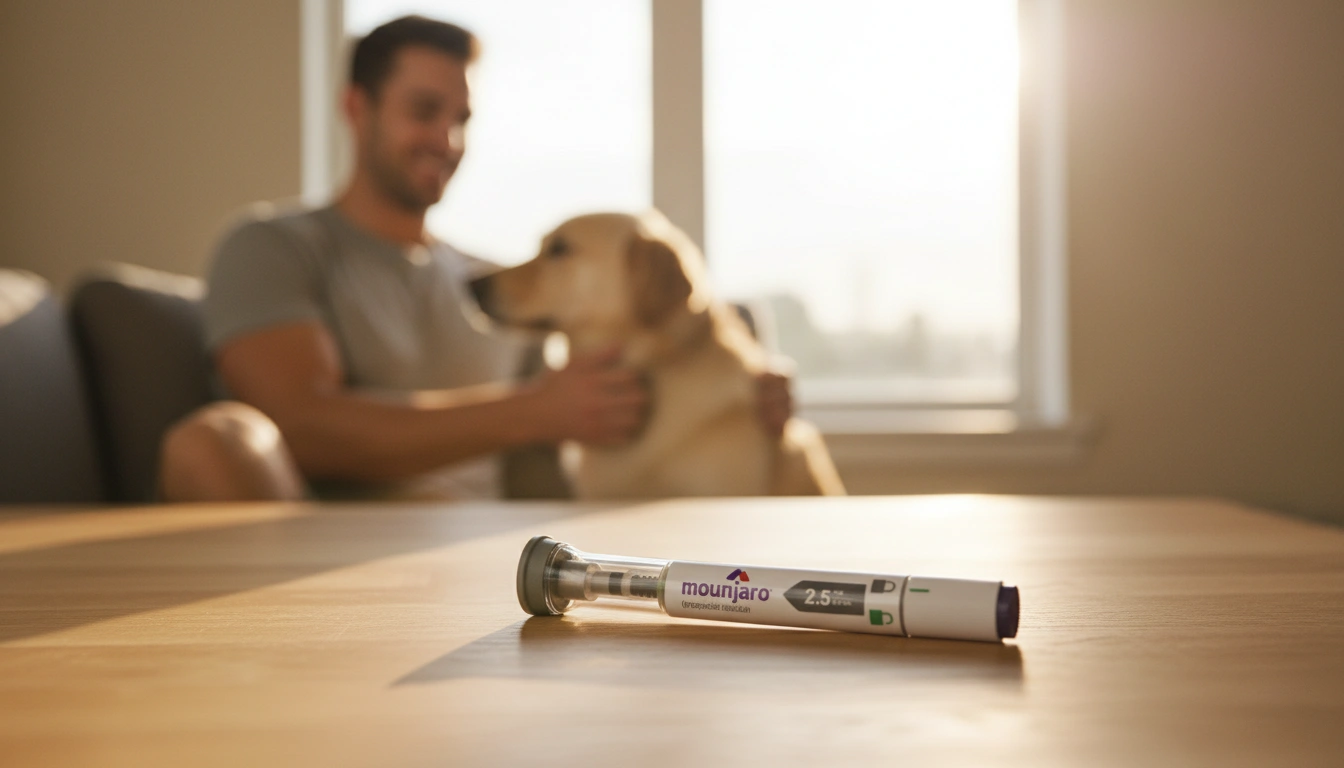
Statistical data from recent health surveys indicates that over 48 million Americans grapple with some form of substance use disorder, yet the medical community has historically had a very limited toolkit of medications to help manage these complex conditions. For decades, the search for a way to “turn off” the overwhelming internal noise of cravings has been a cornerstone of addiction research. However, a surprising breakthrough didn’t come from a laboratory focused solely on psychiatry; it emerged from the world of metabolic health. As medications like Mounjaro® and Zepbound® gained popularity for their profound effects on weight loss and blood sugar, an unexpected side effect began to surface in patient reports: a significant reduction in the desire for alcohol, nicotine, and even behavioral compulsions like gambling. This has led many to ask a pivotal question: does Mounjaro help with addiction?
At TrimRx, our journey began with a shared vision to help individuals embrace healthier lifestyles by merging cutting-edge telehealth innovations with effective weight loss solutions. We understand that the path to wellness is rarely just about the number on a scale; it is about the intricate relationship between the brain and the body. Our platform provides a user-friendly and supportive space where individuals receive personalized, medically supervised care, and we believe that sustainable change is achieved through science, empathy, and a transparent approach.
The purpose of this blog post is to dive deep into the emerging research surrounding tirzepatide (the active ingredient in Mounjaro®) and its potential impact on addictive behaviors. We will explore the biological mechanisms that link metabolic hormones to the brain’s reward system, review the latest clinical studies from leading universities, and discuss how these findings might reshape our understanding of craving management. Whether you are currently exploring our personalized assessment quiz for weight loss or are simply curious about the expanding horizons of GLP-1 and GIP therapies, this information is vital to understanding the future of holistic health.
In the sections that follow, we will break down the science of the dopamine reward pathway, the “reverse translation” happening in modern research, and the role of personalized medical supervision. We believe that by providing this comprehensive overview, we can empower you to make informed decisions about your health journey. Together, we’ll explore how these innovative medications are moving beyond weight loss to potentially offer a turning point in public health.
Understanding Tirzepatide: The Science of GIP and GLP-1
To address the question of whether Mounjaro® can assist with addiction, we must first understand what it is and how it functions within the body. Tirzepatide is a dual-acting medication that mimics two naturally occurring hormones: glucagon-like peptide-1 (GLP-1) and glucose-dependent insulinotropic polypeptide (GIP). While many people are familiar with semaglutide (the ingredient in Ozempic® and Wegovy®), which targets only the GLP-1 receptor, tirzepatide’s dual-agonist approach is designed to provide a more robust metabolic response.
The Role of Metabolic Hormones
Normally, when we eat, our small intestine releases these hormones to signal to the brain that we are full. They slow down gastric emptying, meaning food stays in the stomach longer, and they prompt the pancreas to release insulin. This process is essential for maintaining stable blood sugar and managing appetite. However, researchers have discovered that these receptors are not just located in the gut or the pancreas; they are also prevalent in areas of the brain responsible for motivation, pleasure, and reward.
Why Dual Agonism Matters
The inclusion of the GIP receptor agonist alongside GLP-1 is what sets tirzepatide apart. While GLP-1 is well-known for its ability to reduce hunger, GIP is thought to play a role in how the brain perceives the “reward” value of what we consume. In our personalized programs, we offer both Compounded Tirzepatide and branded options like Mounjaro® and Zepbound® because we recognize that the biological complexity of cravings often requires a more sophisticated approach than traditional dieting.
The Brain’s Reward Pathway and Addiction
The reason a weight loss medication might influence addiction lies in the way the human brain processes pleasure. Whether an individual is consuming a high-sugar meal, drinking alcohol, or using a substance, the brain’s “reward center”—specifically the ventral tegmental area (VTA) and the nucleus accumbens—releases a neurotransmitter called dopamine.
The Dopamine Baseline
Dopamine is often called the “feel-good” chemical, but its primary job is actually motivation and reinforcement. It tells the brain, “That felt good; do it again.” In individuals struggling with addiction, this reward pathway becomes hyper-sensitized. The “noise” or the constant mental urge to seek out a substance becomes overwhelming.
Research suggests that GLP-1 and GIP receptors can actually modulate this dopamine release. By interacting with these receptors in the brain, medications like Mounjaro® may effectively “turn down the volume” on that dopamine spike. If the reward from a substance is less intense, the craving for it may naturally diminish. This is a key reason why many participants in our programs report a sudden lack of interest in habits they previously found difficult to break.
Addressing “Substance Noise”
Just as we help our patients address “food noise”—those intrusive, constant thoughts about the next meal—science is beginning to show that tirzepatide may address “substance noise.” For someone struggling with alcohol use, this might mean that the thought of having a drink no longer carries the same urgency. To support this biological shift, we often recommend our GLP-1 Daily Support to help maintain overall wellness and nutrient balance as the body adapts to these changes.
Analyzing the Research: Alcohol and Opioid Use
While anecdotal evidence has been mounting for years, recent formal studies have provided the data needed to take the potential for addiction treatment seriously. Two major areas of focus have been Alcohol Use Disorder (AUD) and Opioid Use Disorder (OUD).
The Loyola University Chicago Study
One of the most significant pieces of research was recently published in the journal Addiction by researchers at Loyola University Chicago. The study analyzed the electronic health records of over 1.3 million individuals with substance use disorders over an eight-year period. The findings were striking:
- Alcohol Intoxication: Individuals with a prescription for a GLP-1 or GIP/GLP-1 medication had a 50% lower rate of alcohol intoxication compared to those not on the medication.
- Opioid Overdose: For those with opioid use disorder, the rate of overdose was 40% lower among those taking these medications.
The lead researcher noted that while they expected to see some reduction in cravings, the “protective effect” against severe outcomes like overdose and severe intoxication was broader than anticipated. This suggests that tirzepatide doesn’t just make someone want to use less; it may fundamentally change their biological response to the substance.
The Brown University Randomized Trial
In another study conducted at Brown University, researchers utilized a randomized controlled trial—the “gold standard” of medical research—to observe the effects of semaglutide on alcohol consumption. Although this specific trial focused on semaglutide, the implications for tirzepatide are significant given their similar mechanisms.
The study found that participants receiving the medication drank significantly less and achieved lower blood alcohol levels during laboratory tasks compared to the placebo group. Even in a “non-treatment-seeking” sample—meaning individuals who weren’t actively trying to quit—the medication naturally reduced their intake. This points to a powerful physiological shift that occurs independently of willpower alone.
Beyond Alcohol: Nicotine and Behavioral Addictions
Preliminary research and clinical observations are also exploring how these medications affect nicotine addiction and behavioral compulsions such as gambling or compulsive shopping. Because these behaviors all rely on the same dopamine reward loop, the theory is that by stabilizing that loop, tirzepatide can provide a “buffer” against the impulsive urges associated with various forms of addiction. If you are interested in seeing how these medications might fit into your health goals, we encourage you to take our free assessment quiz.
The Evolution of Addiction Medicine
For decades, the pharmaceutical industry’s interest in addiction treatment was stagnant. The last major medication approved for alcohol use disorder was over 20 years ago. However, the rise of GLP-1 and GIP therapies has sparked a “renaissance” in addiction psychiatry.
The Shift from Abstinence to Reduction
One reason for this excitement is a shift in how the FDA and medical communities view success. In the past, a treatment was often only considered successful if it led to total abstinence. Today, there is a growing recognition that “reduction in use” is a valid and life-saving clinical outcome. If an individual can reduce their heavy drinking days or decrease their substance consumption by half, their risk of chronic disease and accidental death drops significantly.
Tirzepatide aligns perfectly with this “harm reduction” model. Because it is taken once a week, it also removes the barrier of daily pill adherence, which is often a struggle for individuals in early recovery. At TrimRx, we prioritize this ease of use through our telehealth platform, ensuring that your journey toward a healthier lifestyle is as seamless as possible.
Merging Metabolic and Mental Health
We are seeing a changing “phenotype” of addiction. Historically, severe addiction was often associated with malnourishment. However, in the modern environment, many individuals struggle with both substance use and metabolic issues like obesity or Type 2 Diabetes. Medications like Mounjaro®, Ozempic®, and Wegovy® allow clinicians to treat the “whole person.” As an individual loses weight and improves their metabolic health, they often find they have more energy and mental clarity to tackle the psychological aspects of recovery.
To help jumpstart this physical transformation, many of our members incorporate our Weight Loss Boost to support their metabolism while the prescription medication works on the brain’s signaling pathways.
Safety, Supervision, and Compliance
While the potential for tirzepatide in addiction treatment is exciting, it is crucial to approach these medications with professional guidance. At TrimRx, safety is our cornerstone. We emphasize that sustainable weight loss and health improvements should be achieved through science, empathy, and a transparent approach.
Medically Supervised Care
It is important to understand that while TrimRx partners with FDA-registered and inspected pharmacies for the shipping of medications, we provide a platform for you to connect with medical providers who can supervise your care. Compounded medications, such as Compounded Semaglutide or Compounded Tirzepatide, are prepared in these specialized pharmacies to meet individual needs, though it must be noted that compounded versions themselves are not “FDA-approved” in the same way branded drugs like Mounjaro® are. However, the pharmacies we work with are strictly regulated to ensure quality and safety.
Managing Side Effects
Like any medication, tirzepatide can have side effects, most commonly nausea, dizziness, and gastrointestinal changes. These are usually manageable with dosage adjustments and proper nutrition. This is why our comprehensive service includes unlimited support and doctor consultations—we stay with you throughout your journey, ensuring that your dosage is appropriate for your unique body and goals.
For those experiencing mild digestive changes, using a targeted supplement like GLP-1 Daily Support can be an effective way to ensure you are getting the necessary nutrients while your appetite is suppressed.
Personalized Weight Loss: The TrimRx Way
We believe that no two journeys are the same. A 35-year-old looking to lose 20 pounds has different biological needs than a 60-year-old managing both weight and cravings. This is why we don’t offer a “one-size-fits-all” solution.
The Quiz-Based Approach
Our personalized weight loss program begins with an assessment quiz. This allows our partner providers to evaluate your health history, your goals, and your current challenges. Based on this information, you may be prescribed:
- Branded Medications: Ozempic®, Mounjaro®, Zepbound®, or Wegovy®.
- Compounded Options: Compounded Semaglutide or Tirzepatide.
- Oral Alternatives: Oral Semaglutide or Oral Tirzepatide for those who prefer not to use injections.
This personalized treatment plan is designed to make sustainable weight loss attainable and tailored to the individual. We focus on results-oriented care that respects your unique journey.
Immediate Support Supplements
In addition to our prescription programs, we offer quick-access supplements that do not require a quiz. These are designed to provide immediate support for your overall wellness:
- GLP-1 Daily Support: Specifically formulated to provide the vitamins and minerals often lacking when caloric intake decreases during GLP-1 or GIP therapy. You can find it here.
- Weight Loss Boost: A blend designed to support a healthy metabolism and energy levels throughout the day. You can find it here.
The Future of Public Health
The discovery that a metabolic medication can influence the brain’s reward system is one of the most exciting developments in modern medicine. It suggests that we are finally uncovering the “biological bridge” between physical health and mental well-being. If tirzepatide is eventually FDA-approved specifically for addiction treatment, it could provide a formidable addition to the toolkits of providers everywhere.
A New Chapter in Recovery
The reduction in “noise”—whether it’s the urge to snack or the urge to drink—gives individuals the “breathing room” they need to make better choices. At TrimRx, we are proud to be at the forefront of this innovation, providing the technology and medical access needed to bring these solutions to your door. We focus on transparency, ensuring that our approach remains consistent regardless of dosage changes, and we never have hidden fees.
Are you ready to see how a personalized approach to health can change your life? Whether you are looking to manage your weight or are curious about the craving-suppressing benefits of tirzepatide, the first step is the same. Take our free assessment quiz today and join a community dedicated to science-backed, empathetic care.
FAQ
1. Is Mounjaro® FDA-approved to treat addiction? Currently, Mounjaro® is FDA-approved for the treatment of Type 2 Diabetes, while its sister drug Zepbound® is FDA-approved for chronic weight management. While doctors may prescribe these medications “off-label” for addiction based on emerging research, they are not currently FDA-approved specifically for substance use disorders. Research is ongoing to determine the long-term efficacy and safety for this specific use.
2. How long does it take to notice a reduction in cravings? Many individuals report a decrease in “food noise” or substance-related cravings within the first few weeks of starting treatment, often even at the lower introductory doses. However, because every person’s biology is different, some may require a higher maintenance dose to feel the full effects on the brain’s reward pathway.
3. Can I take TrimRx supplements while using prescription weight loss medication? Yes! Our GLP-1 Daily Support and Weight Loss Boost are designed to complement our prescription programs. They help ensure your body receives essential nutrients and metabolic support while the medication works to regulate appetite and cravings.
4. What happens if I stop taking the medication? Addiction and obesity are both chronic conditions. Current research suggests that for many, cravings may return if the medication is discontinued. This is why we focus on sustainable lifestyle changes and offer unlimited support through our platform to help you transition into long-term wellness.
Conclusion
The intersection of metabolic health and addiction psychiatry represents a significant leap forward in our understanding of human behavior. The question of “does Mounjaro help with addiction” is being answered with increasingly positive data, showing that by targeting the brain’s reward centers, we can help individuals regain control over their lives.
At TrimRx, we are committed to being your partner in this journey. We combine advanced medical science with modern technology to provide compassionate, personalized care that respects your unique path. From our personalized weight loss medications to our supportive supplements, everything we do is designed to make a healthier lifestyle attainable for everyone.
By merging cutting-edge innovation with deep empathy, we are not just helping people lose weight; we are helping them quiet the noise and focus on what truly matters: their long-term health and happiness. Together, we can embrace a future where science and support go hand-in-hand to transform lives. If you’re ready to take the next step, we are here to help you begin.

Transforming Lives, One Step at a Time
Keep reading
How to Choose Between Ozempic and Mounjaro
If you’ve spent any time researching GLP-1 medications for weight loss, you’ve probably landed on this question eventually. Ozempic and Mounjaro are the two…
Mounjaro Savings Card: Eli Lilly Programs Explained
Mounjaro carries a list price of over $1,000 per month without insurance. For people managing type 2 diabetes or pursuing weight loss with tirzepatide,…
Effective Strategies for Managing Your Journey: What Helps Nausea From Mounjaro and How to Stay on Track
Discover what helps nausea from Mounjaro with our expert guide. Explore dietary tips, hydration strategies, and natural remedies to manage side effects effectively.


