Does Mounjaro Help With Joint Pain?
Introduction
Living with persistent joint pain can feel like an endless cycle. When your knees, hips, or lower back ache, staying active becomes a challenge, which often makes weight management even harder. Many people exploring Mounjaro® (tirzepatide) for weight loss are discovering an unexpected benefit: a significant reduction in joint discomfort. At TrimRx, we recognize that weight loss is rarely just about the number on the scale; it is about reclaiming the ability to move through the world without physical restriction. If you are wondering whether prescription treatment is the right next step, you can take the free assessment quiz to see whether you qualify for a personalized program.
This post examines the relationship between this medication and joint health, exploring how it addresses both the physical pressure on your frame and the underlying biological triggers of pain. We will look at current clinical findings, the role of systemic inflammation, and how a personalized approach to metabolic health can provide long-term relief for your joints.
Quick Answer: Yes, research and patient reports suggest Mounjaro® can significantly help with joint pain. It achieves this primarily through substantial weight loss that reduces mechanical pressure on joints and by lowering systemic inflammation throughout the body.
The Connection Between Body Weight and Joint Health
To understand how a medication like Mounjaro® helps with joint pain, it is helpful to look at the mechanical stress we place on our bodies every day. Our joints, particularly the knees, hips, and ankles, act as shock absorbers. When we carry excess weight, these shock absorbers are forced to work beyond their intended capacity.
The 4-to-1 Pressure Rule
Research indicates that for every one pound of weight you lose, you remove approximately four pounds of pressure from your knees with every step you take. If an individual loses 20 pounds, they are effectively lifting 80 pounds of stress off their knee joints during daily movement. Over the course of a single mile of walking, this adds up to thousands of pounds of cumulative pressure removed from the delicate cartilage and bone.
This mechanical relief is often the first thing people notice when they begin a weight loss journey. As the physical load decreases, daily tasks like climbing stairs, getting out of a car, or even standing for long periods become noticeably easier.
Spinal Alignment and Back Pain
Excess weight, particularly when carried in the abdominal area, shifts the body’s center of gravity forward. This shift pulls the lower spine into an exaggerated curve, known as lordosis. This puts constant strain on the muscles of the lower back and the spinal discs. By reducing abdominal fat, the spine can return to a more neutral, natural alignment, which often alleviates chronic lower back pain.
How Mounjaro Works in the Body
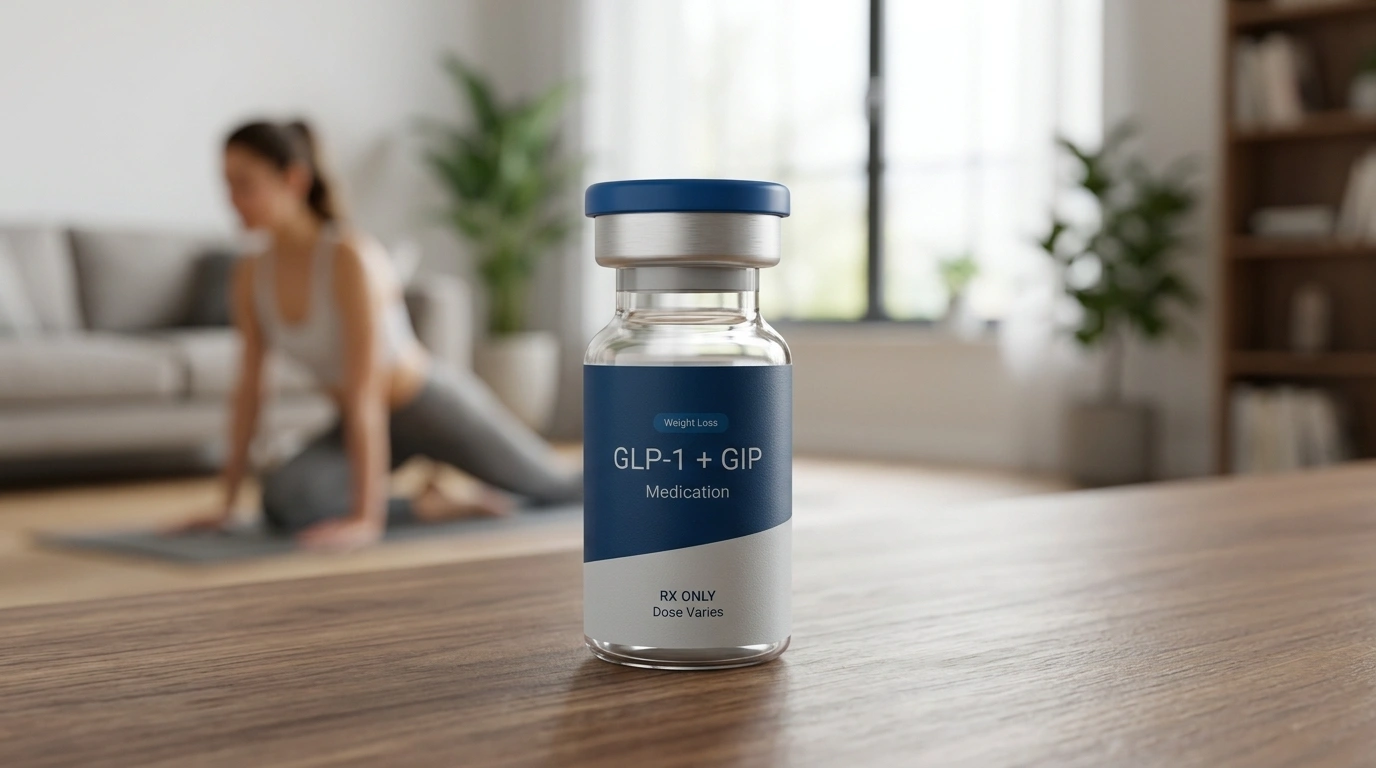
Mounjaro® is the brand name for tirzepatide, a medication known as a dual agonist. It is unique because it targets two different hormone receptors in the body: glucagon-like peptide-1 (GLP-1) and glucose-dependent insulinotropic polypeptide (GIP). For a deeper look at the medication itself, our Understanding How Tirzepatide Works: A Comprehensive Guide explains the mechanism in more detail.
Defining the Hormones
- GLP-1 (Glucagon-like peptide-1): A hormone produced in the gut that tells your brain you are full and slows down the speed at which your stomach empties.
- GIP (Glucose-dependent insulinotropic polypeptide): A hormone that works alongside GLP-1 to improve how your body breaks down sugar and stores fat.
By activating both of these pathways, the medication helps reduce appetite and improve metabolic efficiency. While these mechanisms are primarily designed for weight loss and blood sugar management, they have secondary effects that are highly beneficial for joint health.
Key Takeaway: Mounjaro® provides joint relief through a “dual-action” approach: it physically unloads the joints through weight loss and chemically calms the body through metabolic regulation.
Beyond Weight Loss: The Role of Systemic Inflammation
One of the most exciting areas of research regarding GLP-1 and GIP medications is their impact on inflammation. For many years, we believed that fat was simply stored energy. We now know that fat tissue (adipose tissue) is an active endocrine organ. For a closer look at that topic, our Are GLP-1 Drugs Anti-Inflammatory? guide explores the connection in more depth.
Fat and Pro-inflammatory Cytokines
Larger fat cells produce and release proteins called cytokines. These cytokines are “pro-inflammatory,” meaning they travel through the bloodstream and trigger inflammation in various parts of the body. This is why people with excess weight often experience pain in joints that do not even bear weight, such as the fingers, wrists, or shoulders.
When you lose weight through a program like the one offered at TrimRx, your fat cells shrink. Smaller fat cells produce fewer of these inflammatory proteins. This reduction in systemic (body-wide) inflammation can lead to a decrease in the general “puffiness” and stiffness that many people associate with aging or chronic pain conditions.
Direct Protection of Cartilage
Recent studies have identified GLP-1 receptors directly within human joint cartilage. This suggests that medications like Mounjaro® might interact directly with the joints to help preserve the structural integrity of the tissue. Some evidence suggests that activating these receptors can help slow down the enzymes that break down collagen, the building block of healthy joints.
Clinical Evidence and Joint Pain Reduction
The scientific community has taken a keen interest in how tirzepatide affects long-term joint outcomes. A significant study involving nearly 40,000 patients found that those using tirzepatide had a 43% lower risk of developing osteoarthritis compared to those using other types of weight loss medications.
Reported Improvements in Quality of Life
In clinical trials, participants frequently reported higher scores on “quality of life” assessments. These scores often reflect:
- Increased mobility and ease of movement.
- Reduced reliance on over-the-counter pain relievers like ibuprofen.
- Better sleep quality due to reduced nighttime joint throbbing.
- A return to hobbies that were previously too painful, such as gardening or walking.
Key Takeaway: The reduction in osteoarthritis risk suggests that the benefits of this medication extend far beyond cosmetic weight loss, offering genuine structural protection for the skeletal system.
Managing Temporary Side Effects: Body Aches vs. Joint Pain
While the long-term outlook for joint health is positive, some individuals experience temporary discomfort when first starting the medication. It is important to distinguish between “joint pain” and “body aches.”
Understanding Myalgia
A small percentage of people report a “flu-like” feeling or widespread muscle soreness (myalgia) shortly after their first few doses. These aches typically occur 24 to 48 hours after the injection and usually resolve within a few days. This is not a sign of joint damage; rather, it is often the body’s immune system adjusting to a new medication or a result of rapid changes in metabolic activity.
Tips for Managing Early Aches
- Stay Hydrated: Dehydration can worsen muscle and joint stiffness. Aim for consistent water intake throughout the day.
- Monitor Electrolytes: Rapid weight loss can sometimes lead to a shift in minerals like magnesium and potassium, which are vital for muscle relaxation.
- Gentle Movement: While it may feel counterintuitive, light stretching or a short walk can help improve circulation and ease stiffness.
- Adequate Protein: Supporting your muscles with enough protein is essential when your body is undergoing significant weight changes.
For a broader look at fatigue and low energy during treatment, our GLP-1 Medications and Energy Levels: What to Expect guide covers what many patients notice in the first few weeks.
If you experience severe or persistent pain, we always recommend consulting with a licensed healthcare provider to ensure your symptoms are managed safely.
Who Benefits Most from Joint Relief?
While anyone carrying excess weight can benefit from reduced joint pressure, certain groups tend to see the most dramatic improvements in their daily comfort levels.
Individuals with Early-Stage Osteoarthritis
Osteoarthritis is the “wear and tear” form of arthritis. For those in the early stages—where stiffness occurs mostly in the morning or after a long day—weight loss can often halt or significantly slow the progression of the disease.
Those with Chronic Lower Back Strain
If your back pain is aggravated by standing or walking, the reduction in abdominal weight can provide almost immediate relief for the lumbar spine.
Patients Preparing for Joint Replacement
Surgeons often recommend weight loss before knee or hip replacement surgery to reduce the risk of complications and improve the lifespan of the new joint. Using a medically supervised program to reach a healthier weight can make the recovery process much smoother.
If you are trying to understand candidacy, our How Do You Qualify for GLP-1 for Weight Loss? guide breaks down the common factors that providers review.
| Benefit Category | Mechanical Impact | Biological Impact |
|---|---|---|
| Knees & Hips | Reduces 4lbs of pressure per 1lb lost | Decreases cartilage-destroying enzymes |
| Lower Back | Corrects spinal alignment | Reduces muscular strain from “forward pull” |
| Hands & Feet | Less impact during walking | Lower systemic inflammation in small joints |
| General Mobility | Easier to initiate movement | Less “morning stiffness” and fatigue |
Starting Your Journey with TrimRx
At TrimRx, we believe that weight loss is a medical journey that deserves professional guidance and empathy. We provide a platform where you can access personalized programs tailored to your specific health history and goals.
If joint pain is a primary motivator for your weight loss, our telehealth-first approach allows you to consult with licensed providers from the comfort of your home. There are no waiting rooms or stressful in-person visits. Our programs include doctor consultations, necessary lab work, and medication shipped directly from FDA-registered, inspected compounding pharmacies.
We offer a variety of options, including compounded Semaglutide and compounded Tirzepatide, as well as oral formulations. To see which program might be the right fit for you, the first step is our free assessment quiz. This helps our partner providers understand your needs and determine the most appropriate course of action for your metabolic and joint health.
Optimizing Your Results with Support
While medication is a powerful tool, it works best when supported by the right nutrients. For those on a GLP-1 or GIP program, maintaining muscle mass and bone density is crucial.
Our GLP-1 Daily Support supplement is designed to help fill nutritional gaps that can occur when your appetite is reduced. Ensuring your body has the right vitamins and minerals can help you maintain the strength needed to support your joints as you become more active.
Additionally, our Weight Loss Boost supplement can provide an extra layer of support for those looking to maximize their metabolic health naturally.
Conclusion
The evidence is clear: Mounjaro® and similar medications offer a two-pronged attack against joint pain. By significantly reducing the physical load on the body and calming the “fire” of systemic inflammation, these treatments help many people rediscover a life of movement.
Our mission is to help individuals embrace healthier lifestyles through science, empathy, and a transparent, personalized approach to sustainable weight loss. We understand that every pound lost is a victory for your joints, your heart, and your overall well-being.
Key Takeaway: Joint relief on Mounjaro® is a combination of mechanical “unloading” and biological “cooling.” Most people notice significant improvements after losing 5-10% of their body weight.
If you are ready to see how a personalized weight loss program could help your joint health, see if you qualify for a personalized program and take the next step.
FAQ
How long does it take to feel joint pain relief on Mounjaro?
Many patients begin to notice a difference in their joint comfort after losing about 5% to 10% of their total body weight, which typically occurs within the first two to three months. However, some people report a reduction in generalized stiffness and “puffiness” much earlier, likely due to the medication’s impact on systemic inflammation. The most significant and lasting relief usually develops as weight loss continues over several months.
Does the joint pain come back if I stop the medication?
If the joint pain relief was primarily due to weight loss and reduced inflammation, the pain may return if the weight is regained after stopping the medication. This is why our programs emphasize sustainable lifestyle changes and long-term metabolic health. Maintaining a healthy weight is the most effective way to keep the mechanical pressure off your joints permanently.
Can Mounjaro help with rheumatoid arthritis?
While Mounjaro® is not a treatment for autoimmune conditions like rheumatoid arthritis (RA), reducing excess weight and lowering systemic inflammation can often help manage the overall symptom burden. Many people with RA find that weight loss makes their primary treatments more effective and reduces the secondary stress on their joints. You should always discuss your specific condition with your rheumatologist before starting any new medication.
Is the body aching I feel after my injection a sign of a problem?
Mild, flu-like body aches are a known but uncommon side effect during the first few weeks of treatment as your body adjusts to the medication. These are typically temporary and differ from the localized, sharp pain associated with joint damage. If the aches are severe, accompanied by a high fever, or do not go away after a few days, you should contact a healthcare professional for guidance.
Disclaimer: This content is for informational purposes only and does not constitute medical advice. It is not intended to diagnose, treat, cure, or prevent any disease or condition. Individual results may vary. Always consult a qualified healthcare professional before starting any weight loss program or medication.

Transforming Lives, One Step at a Time
Keep reading

Mounjaro Alternatives: What Else to Consider
If Mounjaro isn’t the right fit, the closest alternatives are other GLP-1 medications, chiefly semaglutide (Ozempic for diabetes, Wegovy for weight), along with a…

Mounjaro vs Zepbound: Same Drug, Two Brands
Like their semaglutide counterparts, Mounjaro and Zepbound are the same medication (tirzepatide) sold under two names for two purposes: Mounjaro is approved for type…

Retatrutide vs Mounjaro: Triple Agonist vs Dual Agonist
The core difference between retatrutide and Mounjaro comes down to how many hormone targets each hits: retatrutide activates three receptors, while Mounjaro (tirzepatide) activates…


