Does Mounjaro Help With Water Retention? Facts and Expectations
Introduction
Waking up to find your rings are suddenly tight or noticing that your socks have left deep indentations around your ankles can be a frustrating experience. For many individuals embarking on a weight loss journey, the battle isn’t just against fat—it is against the uncomfortable, heavy feeling of fluid retention. If you are considering or currently using Mounjaro® (tirzepatide), you may have heard conflicting reports about its impact on “water weight.” Some people report a dramatic reduction in puffiness within days, while others worry that the medication might be causing new swelling.
At TrimRx, we believe that understanding the physiological changes in your body is the first step toward a successful transformation. This article will examine whether Mounjaro helps with water retention, how it interacts with your body’s fluid balance, and what you can realistically expect during your treatment. While the medication is not a diuretic, its profound effects on metabolic health often lead to significant shifts in how your body manages water. Our mission is to guide you through these nuances with science-backed, empathetic care.
Quick Answer: Mounjaro® is not a diuretic and is not prescribed to treat medical fluid retention (edema). However, it often helps reduce water retention indirectly by improving insulin sensitivity, lowering systemic inflammation, and causing the body to shed water-bound glycogen stores during the initial stages of weight loss.
Understanding Mounjaro and Fluid Balance
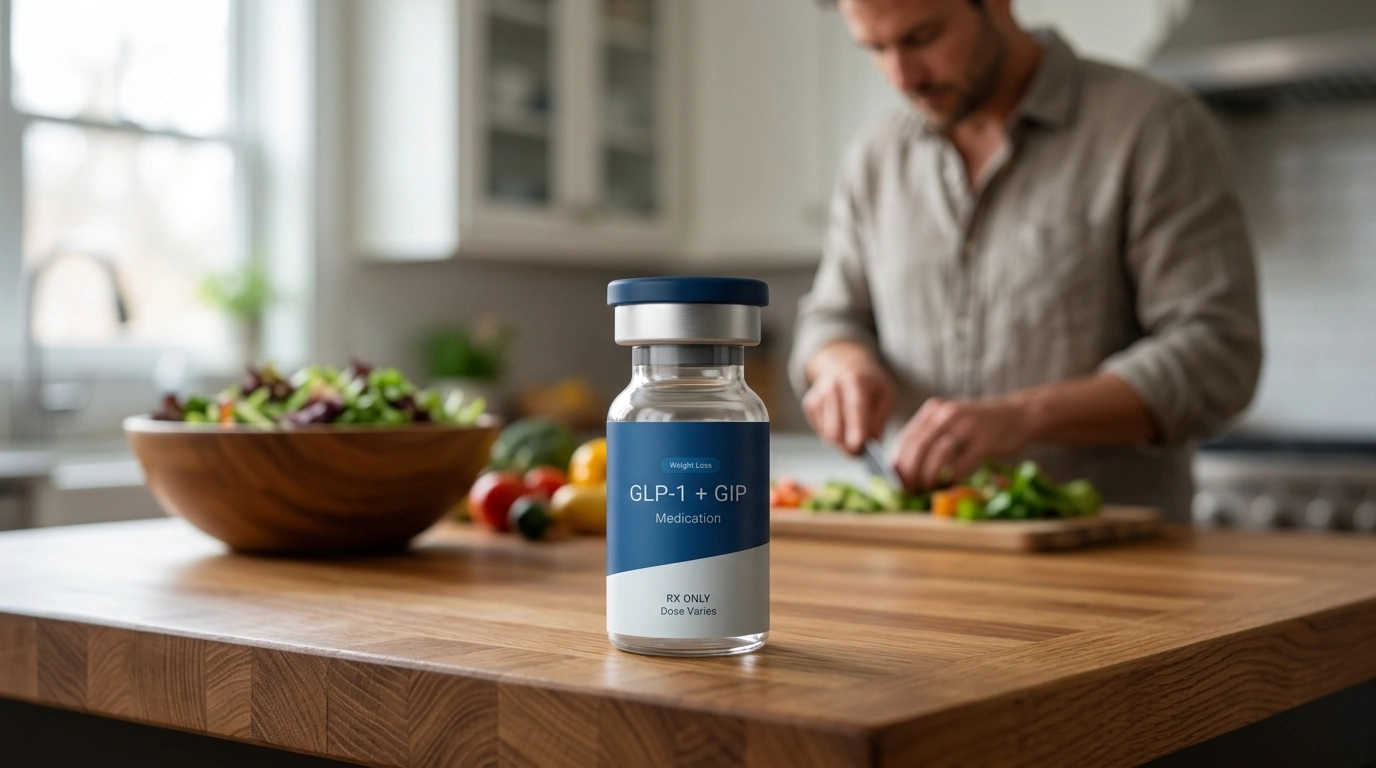
Mounjaro® is a dual-acting medication that mimics two natural hormones in the human body: glucagon-like peptide-1 (GLP-1) and glucose-dependent insulinotropic polypeptide (GIP). These are incretin hormones, which are signals your gut sends to your brain and pancreas to manage energy and blood sugar. These hormones are “receptor agonists,” meaning they attach to specific receptors in your cells to trigger a response.
While the primary role of this medication is to improve blood sugar control and support weight management, these hormone pathways are active in many tissues, including the kidneys and blood vessels. Because these systems are interconnected, a medication that targets metabolic health will naturally influence how your body handles sodium and water. It is important to note that while we reference these branded medications for educational purposes, our platform connects individuals with licensed providers who may prescribe personalized programs, including compounded versions of these medications when appropriate. If you want to explore whether a personalized program may be appropriate, you can complete a free eligibility assessment.
How Mounjaro May Support the Reduction of Water Retention
Many patients report feeling “lighter” or “less puffy” very quickly after starting their treatment. This isn’t usually due to a direct action on fluid excretion, but rather several secondary metabolic improvements.
The Insulin and Sodium Connection
One of the most significant ways this medication affects fluid balance is through improved insulin sensitivity. High levels of insulin, often seen in individuals with insulin resistance or type 2 diabetes, signal the kidneys to hold onto sodium. In the world of biology, water always follows sodium.
When Mounjaro® helps lower your circulating insulin levels, your kidneys receive a “green light” to release excess sodium. As that sodium leaves your body through your urine, the excess water attached to it goes with it. This process can lead to a noticeable reduction in systemic swelling, particularly in the face, hands, and lower legs.
The Glycogen “Whoosh” Effect
In the first two to four weeks of a weight loss program, many people experience a rapid drop in weight. While exciting, it is important to understand that much of this initial progress is water weight. Your body stores energy in the form of glycogen, which is kept in your liver and muscles. For additional context, read about how water affects weight loss and hydration.
Glycogen is a thirsty molecule. For every gram of glycogen your body stores, it also holds onto about three to four grams of water. When you start eating fewer calories or carbohydrates—often a natural result of the appetite suppression provided by GLP-1 and GIP medications—your body burns through its glycogen reserves. As those reserves are used for energy, the water is released and excreted. This is often referred to as the “whoosh” effect.
Reductions in Systemic Inflammation
Chronic inflammation is often a silent companion to metabolic dysfunction. This inflammation can cause the body to hold onto fluid in the tissues as a protective mechanism. Research suggests that GLP-1 medications may have anti-inflammatory properties that calm the immune system’s overactive responses. When inflammation levels drop, the body often releases the fluid it was “trapping” in the interstitial spaces (the areas between your cells).
Key Takeaway: Mounjaro® supports a healthier fluid balance not by forcing water out, but by correcting the metabolic signals—like high insulin and inflammation—that cause the body to hoard water in the first place.
Distinguishing Between Bloating and Water Retention
It is very common for people to use the terms “bloating” and “water retention” interchangeably, but they are physically different. Because Mounjaro® affects the digestive system, it is vital to know which one you are experiencing so you can manage it correctly. Our guide to common GLP-1 side effects and what to expect provides additional context.
What is Gastrointestinal Bloating?
The medication works partly by slowing down “gastric emptying,” which is the speed at which food leaves your stomach. This allows you to feel full for longer, but it can also cause food to stay in the digestive tract for an extended period. This can lead to gas, a feeling of abdominal tightness, or a “stuffed” sensation. This is GI bloating, and it happens inside your digestive system.
What is Peripheral Edema (Water Retention)?
True water retention, or edema, happens in the tissues outside of your stomach. This is the puffiness you see in your ankles at the end of the day or the swelling in your fingers that makes it hard to remove a ring. Unlike bloating, which is usually related to what and when you ate, water retention is a systemic issue related to circulation, sodium, and hormones.
| Feature | Gastrointestinal Bloating | Water Retention (Edema) |
|---|---|---|
| Primary Location | Abdomen and stomach area | Feet, ankles, hands, and face |
| Physical Sensation | Pressure, gas, “hard” stomach | Heaviness, puffiness, tight skin |
| Common Cause | Slowed digestion, gas, or fiber | Sodium intake, hormones, inflammation |
| Mounjaro Connection | Common side effect of slow digestion | Often improved as metabolic health heals |
Can Mounjaro Cause New Swelling?
According to clinical trial data, such as the SURMOUNT and SURPASS programs, peripheral edema (swelling of the extremities) is not a common side effect of tirzepatide. In most cases, the medication helps reduce swelling rather than causing it.
However, some individuals on social media or forums report feeling more “puffy” after an injection. This is usually not a direct effect of the drug itself, but rather a reaction to other factors:
- Dehydration: If you are not drinking enough water, your body may enter “survival mode” and hold onto every drop of fluid it has.
- Sodium Cravings: Some people find they crave salty foods as their appetite for sweets diminishes. A sudden spike in salt intake will cause temporary water retention.
- Kidney Stress: In rare cases, if an individual becomes severely dehydrated due to nausea or vomiting, it can put stress on the kidneys, which may lead to fluid buildup.
Note: If you experience sudden, painful, or one-sided swelling, you should consult a licensed healthcare provider immediately. This could be a sign of a condition unrelated to your medication, such as a blood clot or a heart issue.
Managing Fluid Balance While on Your Program
Even if the medication is doing the heavy lifting for your metabolism, you can take active steps to help your body maintain a healthy fluid balance. At TrimRx, we encourage our members to view their treatment as a partnership between the medication and their daily habits. You can also review what GLP-1 medications do and why provider guidance matters before deciding whether to begin an assessment.
Prioritize Consistent Hydration
It sounds counterintuitive, but the best way to get rid of water weight is to drink more water. When you stay hydrated, you signal to your kidneys that they don’t need to hoard fluid. Aim for 2 to 3 liters (approximately 68 to 100 ounces) of water daily. Since Mounjaro® can suppress your natural thirst signals, you should sip water throughout the day even if you don’t feel thirsty.
The Importance of Electrolytes
When you eat less food, you are also taking in fewer minerals. If you drink large amounts of plain water without replacing electrolytes, you can actually dilute your body’s mineral balance, leading to dizziness or muscle cramps. Using an electrolyte supplement once a day can help your cells absorb the water you drink and maintain a proper fluid balance.
Move Your Body
Physical activity is the “pump” for your lymphatic system. Unlike your blood, which is moved by your heart, your lymph fluid—which carries waste and excess water—depends on muscle movement to circulate. Even a 20-minute walk can help prevent fluid from pooling in your lower legs.
Action Steps for Better Fluid Balance:
- Monitor your salt intake: Try to avoid highly processed “hidden” sodium, especially in the evenings.
- Track your urine color: It should be a pale, straw-like yellow. Dark urine is a sign you need more water.
- Elevate your feet: If you have a sedentary job, spend 10 minutes in the evening with your feet above your heart.
- Protein is key: Low protein intake can lead to fluid leaking into your tissues. Ensure you are meeting the protein targets discussed with your provider.
When Swelling Indicates a Need for Medical Attention
While mild “water weight” fluctuations are a normal part of weight loss, certain types of swelling are red flags. Because these medications are potent and affect your metabolic system, it is vital to stay in tune with your body’s signals.
Seek professional guidance if you experience:
- Unilateral Swelling: Swelling that occurs in only one leg or arm, especially if it is accompanied by pain, redness, or warmth.
- Pitting Edema: If you press your finger into a swollen area and it leaves an indentation (a “pit”) that stays for several seconds.
- Shortness of Breath: Swelling in the legs combined with difficulty breathing or chest pain.
- Reduced Urination: A significant drop in how often you go to the bathroom, despite drinking adequate water.
Important: Severe dehydration caused by gastrointestinal side effects like vomiting or diarrhea can harm the kidneys. If you cannot keep fluids down, contact your provider right away to discuss a dosage adjustment or supportive care.
How the TrimRx Program Supports Your Journey
Navigating the world of GLP-1 and GIP medications can feel overwhelming. You shouldn’t have to guess whether your symptoms are normal or how to optimize your results. At TrimRx, we provide a telehealth-first experience that merges clinical expertise with modern convenience.
Our platform connects you with licensed providers who review your medical history and health goals to determine the best path forward. We offer a comprehensive service model where doctor consultations, lab work, and medication shipping are all included. This allows you to focus on your health rather than administrative hurdles. Start by taking the free assessment quiz to share your information for provider review.
Whether you are prescribed Compounded Tirzepatide or another GLP-1 medication, you receive a personalized program designed for your unique health profile. We also offer specialized support for managing the side effects mentioned in this article. Our team is available to help you understand the difference between fat loss and water weight, ensuring you stay motivated even when the scale seems to stall.
The TrimRx Process:
- Step 1: Take the Assessment. Complete our free online quiz to share your health history and weight loss goals.
- Step 2: Provider Review. A licensed healthcare provider reviews your information to see if a personalized program is right for you.
- Step 3: Personalized Treatment. If eligible, you receive a tailored plan that may include medication shipped from FDA-registered, inspected compounding pharmacies.
- Step 4: Ongoing Support. Access our dedicated team 24/7 for help with dosing, side effects, or lifestyle questions.
Conclusion
So, does Mounjaro help with water retention? While it isn’t a direct treatment for the condition, its ability to fix underlying metabolic issues often results in a significant reduction of “puffiness” and water weight. By improving insulin sensitivity and reducing inflammation, the medication helps your body reach a more natural fluid equilibrium. It is important to distinguish this healthy shift from the common side effect of digestive bloating, and to remain proactive about hydration to protect your kidneys.
Our mission is to help you achieve sustainable, science-backed weight loss through an empathetic and personalized approach. We are here to support you through the “whoosh” moments, the plateaus, and everything in between.
Bottom line: Mounjaro® can indirectly reduce water retention by improving your body’s metabolic health, but staying hydrated and active is essential to support this process safely.
If you are ready to see if a personalized weight loss program is the right next step for you, we invite you to take the free assessment quiz.
Take the free TrimRx assessment quiz to explore your options and start your journey toward metabolic health.
FAQ
Does Mounjaro act as a diuretic?
No, Mounjaro® is not a diuretic and does not work by forcing the kidneys to excrete water. Any reduction in water retention is typically a secondary benefit of improved insulin levels, reduced inflammation, and the depletion of glycogen stores.
Why did I lose 5 pounds in my first week?
Rapid weight loss in the first week of treatment is almost always due to the loss of water weight. As the medication helps you eat fewer calories and carbohydrates, your body burns through stored glycogen, which releases the water that was chemically bound to it. You can read more about noticeable water-weight changes as you track progress over time.
Can Mounjaro cause swelling in the ankles?
Peripheral edema (ankle swelling) was not a common side effect reported in clinical trials for tirzepatide. If you notice new or worsening swelling in your ankles, it may be due to other factors like sodium intake or dehydration, and you should consult a healthcare provider to rule out other causes.
How can I tell if I am losing fat or just water?
Water weight fluctuates daily based on salt, stress, and hormones, while fat loss is a slow, steady trend over weeks and months. We suggest tracking your waist and hip measurements and paying attention to how your clothes fit, as these are often more accurate indicators of fat loss than the daily scale reading.
TrimRX does not practice medicine or prescribe medications. Compounded medications are not FDA-approved and are not evaluated by the FDA for safety or efficacy. Results vary by individual and are not guaranteed.
Disclaimer: This content is for informational purposes only and does not constitute medical advice. It is not intended to diagnose, treat, cure, or prevent any disease or condition. Individual results may vary. Always consult a qualified healthcare professional before starting any weight loss program or medication.

Transforming Lives, One Step at a Time
Keep reading

When You and Your Spouse Are Both on Mounjaro
It is increasingly common for both people in a couple to be on the same medication. Sometimes one partner starts and the other follows…

Black Friday Shopping on Mounjaro
For a lot of families, Black Friday is a tradition: lining up before dawn, racing through stores with a list, and shopping until the…

Mounjaro Alternatives: What Else to Consider
If Mounjaro isn’t the right fit, the closest alternatives are other GLP-1 medications, chiefly semaglutide (Ozempic for diabetes, Wegovy for weight), along with a…


