Can Mushroom Coffee Really Help You Lose Weight? Our Take
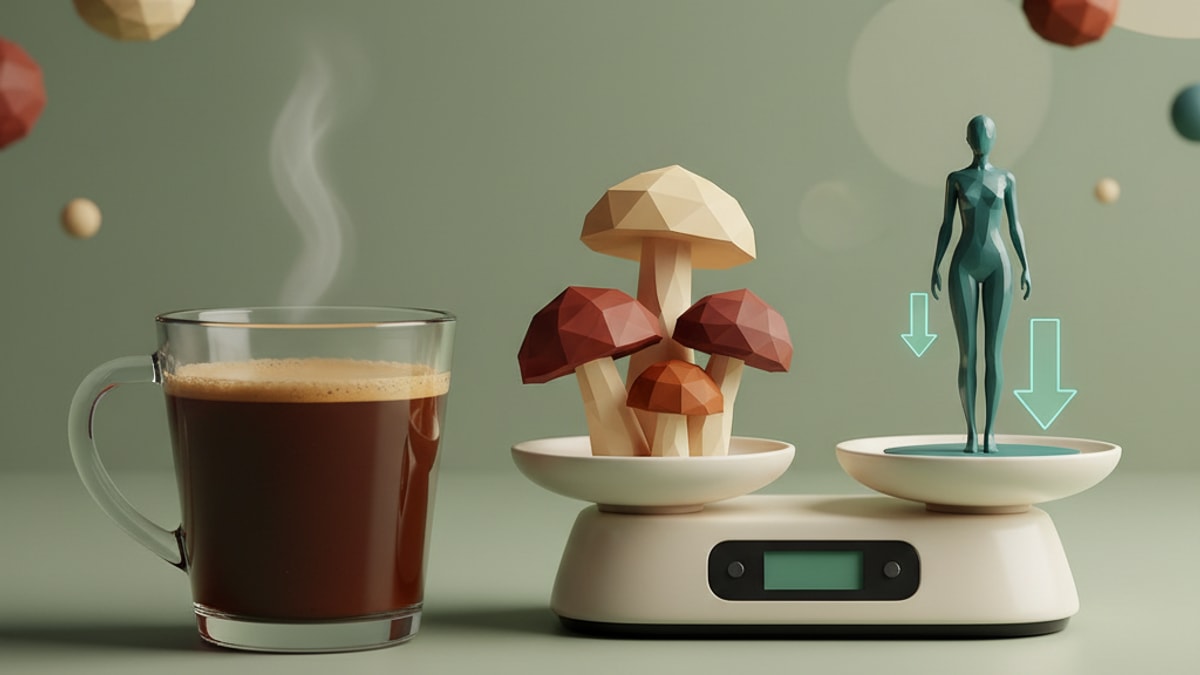
You’ve seen it everywhere. On social media, in health food stores, and popping up in conversations with your most wellness-savvy friends. Mushroom coffee. It’s being touted as a revolutionary bio-hack—a way to get your caffeine fix without the jitters, all while boosting focus, immunity, and, yes, even promoting weight loss. But when it comes to something as complex and personal as weight management, our team at TrimrX knows that you need more than just hype. You need answers grounded in science.
So, does mushroom coffee help with weight loss? It’s the question on everyone’s mind, and the answer isn’t a simple yes or no. It’s nuanced. As a biotechnology company focused on medically-supervised weight loss, we spend our days analyzing the metabolic pathways that truly govern weight. We work with powerful, FDA-registered tools like GLP-1 medications that create profound biological shifts. So when a new trend like mushroom coffee emerges, we approach it with a healthy dose of professional skepticism and a deep curiosity for the underlying science. Let’s break it down together.
First Off, What Exactly Is In Mushroom Coffee?
Before we can talk about weight loss, we need to be clear on what we’re even drinking. Mushroom coffee isn't a strange brew of chopped-up portobellos in hot water. It’s typically a blend of regular ground coffee beans and the extracts of specific medicinal mushrooms. These aren’t the culinary mushrooms you find in the produce aisle; they're functional fungi that have been used for centuries in traditional medicine.
Here are the most common players you’ll find on an ingredient list:
- Lion’s Mane: Often called the 'smart mushroom,' it's primarily studied for its potential nootropic effects—things like improved focus, memory, and cognitive function. It contains compounds called hericenones and erinacines that may stimulate the growth of brain cells.
- Chaga: This one is an antioxidant powerhouse. It grows on birch trees in cold climates and is packed with compounds that can help fight oxidative stress and reduce inflammation. Some research also points to its potential role in lowering blood sugar.
- Reishi: Known as the 'mushroom of immortality' in traditional Chinese medicine, Reishi is an adaptogen. Adaptogens are substances that help your body manage stress. The idea is that Reishi can help bring your system back into balance, particularly by modulating the stress hormone cortisol.
- Cordyceps: Famous for its appearance in pop culture, Cordyceps is often linked to energy and athletic performance. The theory is that it can improve the body's production of adenosine triphosphate (ATP), which is the primary carrier of energy in cells. More ATP could mean more energy for workouts and daily life.
The coffee itself serves as a familiar delivery system, and the mushroom extracts are usually added in a way that doesn't drastically alter the taste. Most brands claim to offer a smoother, less acidic flavor profile with half the caffeine of a regular cup of coffee, which is an appealing proposition for many.
The Weight Loss Claims: Separating Plausible Science from Marketing Hype
Now for the big question: how could any of this translate to losing weight? The claims are sprawling, connecting everything from metabolism to stress. Our team has looked at the available research, and here's our unflinching breakdown of the potential mechanisms. It's a mix of intriguing possibilities and significant leaps of faith.
Let’s be honest, this is crucial.
Claim 1: It Boosts Your Metabolism
The primary mushroom linked to this claim is Cordyceps. By potentially increasing ATP production, the thinking goes, Cordyceps could give your metabolism a slight nudge. More cellular energy might mean a higher resting metabolic rate and better performance during exercise, allowing you to burn more calories.
Our Professional Observation: The evidence here is almost exclusively from animal or lab studies. While the ATP mechanism is biologically plausible, the effect in humans is likely very subtle. We’re not talking about a thermogenic fat-burner that torches calories while you sit still. It might help you push a little harder during your workout, which is great, but it’s not a direct driver of fat loss. It’s a supportive element at best. A very minor one.
Claim 2: It Helps Regulate Blood Sugar
This is where things get more interesting from a metabolic health perspective. Both Chaga and Reishi have been studied for their potential to help manage blood sugar levels. Some compounds in these mushrooms may improve insulin sensitivity, which is a critical, non-negotiable element of effective weight management. When your cells are more responsive to insulin, your body is better at using glucose for energy instead of storing it as fat.
Our Professional Observation: This is probably the most compelling argument for mushroom coffee's indirect role in weight management. Stable blood sugar is the foundation of controlling cravings, managing hunger, and preventing the energy crashes that lead to reaching for sugary snacks. However, the effect is modest. It’s not in the same universe as the powerful blood sugar and insulin regulation provided by GLP-1 medications like Semaglutide and Tirzepatide. Our patients at TrimrX experience a fundamental reset of their metabolic signaling. That’s the reality. Mushroom coffee might gently support blood sugar balance, but it doesn’t correct the underlying hormonal dysregulation that often drives persistent weight gain.
Claim 3: It Reduces Stress-Related Weight Gain
Here, Reishi takes center stage. As an adaptogen, it’s believed to help modulate the body’s stress response, specifically by helping to lower cortisol levels. Chronic stress leads to chronically elevated cortisol, a hormone that signals your body to store fat, particularly around the abdomen. It also revs up your appetite for high-fat, high-sugar 'comfort' foods.
Our Professional Observation: This connection is legitimate. We can't stress this enough: managing cortisol is a huge part of any successful weight loss journey. If swapping your high-caffeine, anxiety-inducing triple espresso for a lower-caffeine, Reishi-infused coffee helps you feel calmer and more centered, that’s a real win. It’s a behavioral change that supports a better hormonal environment for weight loss. But it’s the stress reduction itself, not a magical property of the mushroom, that’s delivering the benefit. It's an indirect effect, and it won't override the impact of a poor diet or a sedentary lifestyle.
The Most Important Factor: The Calorie Equation
Let’s cut through all the noise for a moment. Mushroom coffee doesn't suspend the laws of thermodynamics. Weight loss, at its core, requires a sustained caloric deficit. You must burn more energy than you consume. Period.
So where does mushroom coffee fit into this fundamental truth?
Its single greatest contribution to weight loss might be simple substitution. Think about it. Many people start their day with a caramel macchiato or a sugary latte that can pack 300-500 calories. If you replace that with a cup of black mushroom coffee, which has fewer than 5 calories, you’ve just created a significant caloric deficit without feeling deprived of your morning ritual. You’ve saved thousands of calories over the course of a week.
That's the key.
This is a behavioral change, not a bio-hack. It’s a smart choice. But it’s crucial to understand that the benefit comes from what you're not consuming (sugar, milk, syrup) rather than what you are consuming (the mushroom extracts). If you load your mushroom coffee with the same cream and sugar you’d put in regular coffee, you’ve completely negated this benefit.
How Mushroom Coffee Stacks Up: A Comparison
To put it all in perspective, our team created a table comparing mushroom coffee to both regular coffee and a medically-supervised weight loss program. This helps illustrate where each approach shines and where its limitations lie.
| Feature | Mushroom Coffee | Regular Coffee | Medically-Supervised Program (TrimrX) |
|---|---|---|---|
| Primary Mechanism | Indirect support via adaptogens, antioxidants, and potential blood sugar regulation. | Central nervous system stimulant (caffeine) which can temporarily boost metabolism and suppress appetite. | Addresses root metabolic and hormonal imbalances using clinically-proven medications (e.g., GLP-1s). |
| Scientific Evidence for Weight Loss | Very limited; mostly indirect and based on animal/in-vitro studies. No large-scale human trials. | Moderate evidence for a slight, temporary metabolic boost and appetite suppression from caffeine. | Extensive, robust evidence from large-scale, double-blind, placebo-controlled clinical trials. |
| Impact on Metabolism | Potentially mild and supportive. May help with stress and blood sugar, which indirectly impacts metabolism. | A small, short-lived increase in metabolic rate after consumption. | A fundamental, sustained shift in metabolic function, including insulin sensitivity, appetite signaling, and glucose control. |
| Guidance & Support | None. Relies entirely on consumer research and self-direction. | None. Just a beverage choice. | Comprehensive medical supervision, personalized dosing, and ongoing support from a clinical team. |
| Best For | Individuals looking for a lower-caffeine coffee alternative with potential wellness benefits. | People who enjoy coffee and want a temporary energy and focus boost. | Individuals who have struggled with traditional diet and exercise and need a powerful, science-backed tool to overcome biological barriers to weight loss. |
Our Professional Take: A Tool, Not a Treatment
So, after all this, what’s our final verdict? Our experience shows that framing is everything. Is mushroom coffee a magic bullet for weight loss? Absolutely not. To present it that way is misleading and sets people up for disappointment.
However, could it be a helpful tool within a much larger, well-structured weight loss plan? Possibly.
We see it this way: if you enjoy it, and it replaces a less healthy habit (like that sugary latte), then it’s a positive change. If its adaptogenic properties help you manage stress better, that’s another win for your overall health and hormonal balance. It can be a small, supportive piece of a very large puzzle.
But we've seen it work. We mean, we've seen what really works. The formidable challenge of significant, lasting weight loss requires more than just subtle nutritional tweaks. For so many of our patients, the struggle isn't about a lack of willpower; it’s a battle against their own biology. It’s fighting against insulin resistance, powerful hunger hormones, and a metabolism that’s become stubbornly efficient at storing fat.
That’s a fight you can’t win with a cup of coffee, no matter what’s in it.
This is where modern medicine offers a genuine breakthrough. Treatments like the GLP-1 programs we manage at TrimrX are designed to fundamentally change the conversation your body is having with itself. They don't just ask your body to behave differently; they rewrite the metabolic rules. They improve how your body processes sugar, they turn down the volume on hunger signals originating in the brain, and they help you feel full and satisfied with smaller portions. This approach (which we've refined over years) delivers real, sustainable results because it addresses the root cause.
If you feel like you've tried everything and are tired of chasing trends that promise the world but deliver little, it might be time for a different approach. It might be time to explore what a solution grounded in biotechnology can do for you. If you're ready to see if you qualify, you can Take Quiz on our site. It's the first step toward a proven path.
Thinking About Trying It? What to Look For
Even with a realistic perspective, you might still be curious to try mushroom coffee. If you do, you should be a discerning consumer. The wellness market is notoriously unregulated, and quality can vary dramatically. Here's what our team recommends looking for:
- Fruiting Body Extracts: This is a big one. The most beneficial compounds in medicinal mushrooms are concentrated in the 'fruiting body' (the part you'd recognize as a mushroom). Many cheaper products use 'mycelium on grain,' which is the root system grown on a grain substrate (like oats or rice). This results in a less potent product that is often diluted with grain filler. Look for brands that explicitly state they use 100% fruiting body extracts.
- Third-Party Testing: Reputable companies will have their products tested by an independent lab to verify purity and potency. They should be able to provide a Certificate of Analysis (COA) that shows the product is free from heavy metals, pesticides, and other contaminants.
- Organic Certification: Mushrooms are bio-accumulators, meaning they can absorb toxins from their environment. Choosing a certified organic product ensures the mushrooms were grown without synthetic pesticides or fertilizers.
- Clear Labeling: The label should clearly state which mushrooms are included and, ideally, the extraction ratio or amount of active compounds (like beta-glucans).
Anyway, here's the key point. Don't expect your life to change overnight. Integrate it into your routine, pay attention to how you feel, and see it as one small part of your commitment to better health, not the entire strategy. Real transformation is a process, not a product.
Ultimately, the journey to a healthy weight is deeply personal. For some, small changes like switching their coffee can be a great starting point. But for those facing a more significant, often moving-target objective, more powerful and scientifically-validated tools are not just an option—they're a necessity. Focusing your energy on what truly moves the needle is the most efficient path to success. The most effective strategies are always the ones that align with your unique biology, and that’s where a personalized, medical approach becomes not just helpful, but truly transformative. If you're ready to stop guessing and start a clinically-proven plan, you can Start Your Treatment now.
Frequently Asked Questions
Can I drink mushroom coffee while on a GLP-1 medication like Semaglutide?
▼
Generally, yes. Mushroom coffee is unlikely to interfere with GLP-1 medications. However, we always recommend speaking with your healthcare provider before adding any new supplement to your routine, especially while on a prescribed treatment plan.
Will mushroom coffee break my intermittent fast?
▼
If you drink it black, with no milk, cream, or sugar, mushroom coffee is very low in calories (typically under 5) and should not break your fast. Adding anything else will contribute calories and will likely break it.
What’s the difference between Lion’s Mane and Reishi for weight loss?
▼
Neither is a direct weight loss agent. Lion’s Mane is primarily studied for cognitive benefits, while Reishi is an adaptogen that may help manage stress and cortisol. Reducing stress can indirectly support weight loss, making Reishi slightly more relevant to that goal.
Will mushroom coffee make me feel high or have psychedelic effects?
▼
Absolutely not. The mushrooms used in these coffees are functional, medicinal mushrooms like Reishi and Lion’s Mane. They are completely different from psychedelic (‘magic’) mushrooms and contain no psilocybin or other psychoactive compounds.
Is mushroom coffee better than green tea for weight loss?
▼
Both offer potential indirect benefits. Green tea contains EGCG and caffeine, which have been shown to provide a modest, temporary boost to metabolism. Mushroom coffee’s benefits are more related to stress and blood sugar support. Neither is a primary driver of weight loss on its own.
Are there any side effects of mushroom coffee?
▼
For most people, it’s well-tolerated. Some individuals may experience mild digestive upset, especially when first starting. Because some mushrooms can affect blood sugar, people on diabetes medication should consult their doctor before using it.
How long does it take to see any results from mushroom coffee?
▼
You may notice effects on focus or stress relatively quickly, within days or weeks. However, you should not expect to see direct weight loss results. Any impact on weight would be very gradual and occur in concert with significant diet and lifestyle changes.
Can mushroom coffee completely replace my regular coffee?
▼
Yes, many people make the switch. It often contains less caffeine, which can be beneficial for those sensitive to jitters or anxiety. The taste is generally similar to regular coffee, making it an easy substitute in your morning routine.
Does the brand of mushroom coffee really matter?
▼
Yes, it matters a great deal. Quality varies significantly. We recommend choosing brands that use 100% organic fruiting body extracts and provide third-party lab testing results to ensure purity and potency.
Is mushroom coffee just an expensive gimmick?
▼
It depends on your expectations. If you expect it to be a magic weight loss drink, then yes, it will feel like a gimmick. If you see it as a potentially beneficial coffee alternative that might support stress levels and focus, it can be a worthwhile part of your wellness routine.
What is the single best mushroom for boosting metabolism?
▼
Cordyceps is the mushroom most often associated with metabolism and energy due to its potential role in ATP production. However, it’s important to reiterate that its effect on overall metabolic rate in humans is considered subtle and not a primary driver for weight loss.
Can Chaga mushroom specifically burn belly fat?
▼
No, Chaga mushroom cannot directly burn belly fat. No food or supplement can target fat loss in a specific area of the body. Its potential benefit is related to its antioxidant properties and possible role in blood sugar regulation, which supports overall metabolic health.

Transforming Lives, One Step at a Time
Keep reading

Do You Need a Prescription for GLP-1s? The 2026 Answer
Wondering ‘do you need a prescription for glp 1’ in 2026? Yes. We explain why a doctor’s oversight is critical for safe, effective results.

How to Get GLP-1 Covered By Insurance: Our 2026 Playbook
Struggling with how to get glp-1 covered by insurance? Our 2026 guide breaks down prior authorizations, appeals, and documentation.

Traveling with GLP-1s in 2026: Your Essential Trip-Proof Plan
Don’t let travel disrupt your GLP-1 treatment. Learn how to travel with glp 1 medications safely and stress-free in our 2026 expert guide.


