The Truth About NAD+ and Weight Loss: Our Expert View
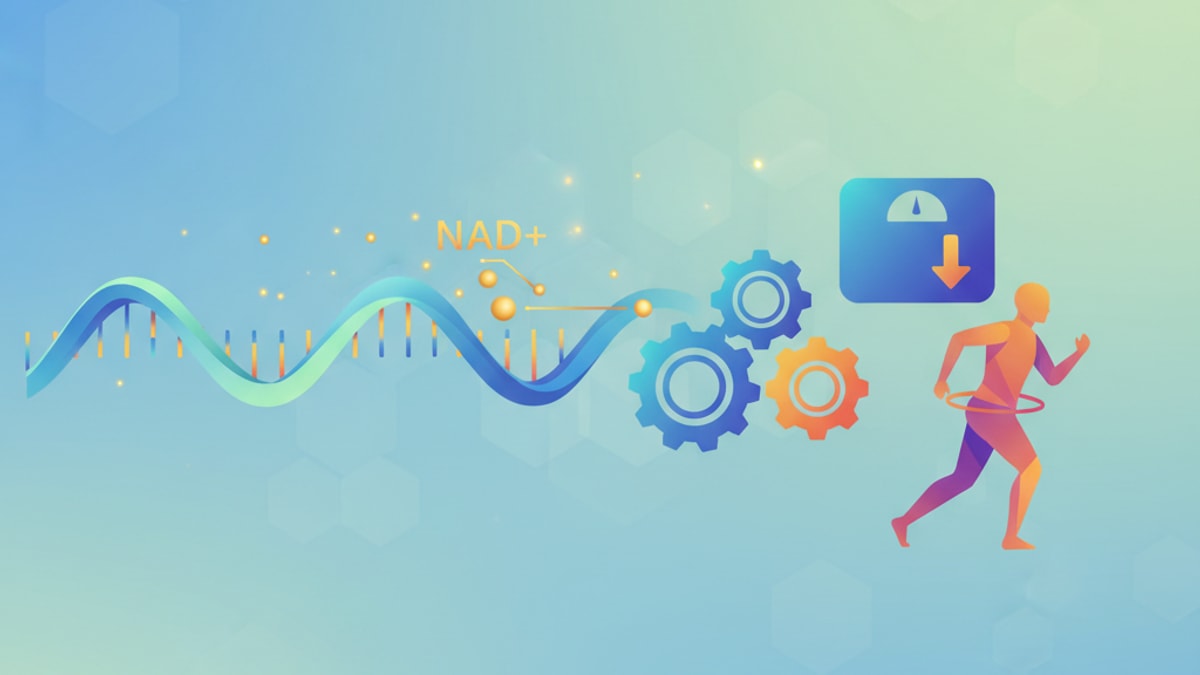
Let's be honest. The journey to sustainable weight loss can feel like a formidable battle against your own biology. You follow the advice, you put in the work, but the scale remains stubbornly fixed. It’s frustrating, and our team sees this every single day. In this relentless search for an edge, a molecule called NAD+ has stepped into the spotlight, with promises of boosted metabolism and enhanced fat burning. But does NAD+ help with weight loss in a way that actually matters?
It’s a sprawling question, and the internet is filled with conflicting, often over-hyped answers. Here at TrimrX, our entire focus is on medically-supervised, science-backed weight loss. We work with powerful tools like GLP-1 medications, but we're always examining the complementary therapies that can support our patients' success. So, we're going to cut through the noise. We'll give you our unfiltered, professional take on NAD+, what it does, what it doesn't do, and how it can—and should—fit into a truly effective weight management strategy.
What Exactly is NAD+? (And Why Does It Matter?)
Before we can even touch on weight loss, we have to get clear on what we're talking about. NAD+ stands for Nicotinamide Adenine Dinucleotide. It sounds complex, but its role is beautifully simple. Think of it as the spark plug for your cells.
Every single cell in your body contains mitochondria, which are tiny power plants responsible for converting the food you eat into cellular energy, a molecule called ATP. NAD+ is a critical coenzyme in this process. It’s the shuttle bus that carries electrons around during the energy creation cycle. Without enough NAD+, the entire production line grinds to a halt. No NAD+, no energy. It's that fundamental.
This molecule is involved in hundreds of metabolic processes beyond just energy. It's essential for DNA repair, regulating your circadian rhythm, and bolstering your immune system. It’s the foundational scaffolding for cellular health. The problem? Our natural levels of NAD+ plummet as we age. Some studies suggest they can drop by as much as 50% between the ages of 20 and 50. This decline is linked to many of the hallmarks of aging, including a slower metabolism, increased fatigue, and cognitive decline. It's not a coincidence that losing weight becomes a more difficult, often moving-target objective as we get older. A big piece of that puzzle is this quiet, steady depletion of cellular fuel.
The Link Between NAD+ and Your Metabolism
Now we get to the heart of the matter. How does a cellular spark plug translate to what you see on the scale? The connection is an intricate dance happening deep within your biology, primarily revolving around two key players: mitochondria and sirtuins.
As we mentioned, mitochondria are your cellular powerhouses. When NAD+ levels are high, your mitochondria can function at peak efficiency, burning through glucose and fatty acids to produce ATP. This is your metabolism firing on all cylinders. When NAD+ levels are low, mitochondrial function becomes sluggish and inefficient. Your body struggles to convert fuel into energy, which can lead to fatigue and make it more likely that excess energy gets stored as fat. It’s like trying to run a high-performance engine on low-grade, watered-down fuel. It just won't perform.
Then there are the sirtuins. You might have heard them called “longevity genes.” These are a family of proteins that act as cellular guardians, and they are completely dependent on NAD+ to function. Think of NAD+ as the key that turns on the sirtuin engine. Once activated, sirtuins get to work regulating a host of critical functions, including:
- Metabolic Health: They help improve insulin sensitivity, which is crucial for managing blood sugar and preventing fat storage.
- Inflammation Control: Chronic inflammation is a known contributor to weight gain and metabolic dysfunction. Sirtuins help keep it in check.
- Cellular Cleanup (Autophagy): They promote the process of clearing out old, damaged cellular components, making way for new, healthy ones. This keeps your entire system running more efficiently.
When NAD+ levels decline, sirtuin activity drops off. The guardians are essentially asleep on the job. The result is a cascade of metabolic slowdowns that can make weight loss feel nearly impossible. By replenishing NAD+, you're not just adding fuel; you're reawakening the very systems designed to keep your metabolism optimized and resilient.
So, Does NAD+ Directly Cause Weight Loss?
This is the million-dollar question, and we can't stress this enough: NAD+ is not a magic weight loss pill. Anyone who tells you that you can simply take an NAD+ supplement and watch the pounds melt away is not giving you the full picture. Our experience shows that its role is far more nuanced and, frankly, more interesting.
NAD+ doesn't directly burn fat. Instead, it creates the optimal cellular environment for weight loss to occur.
Think of it this way: Imagine your body is a construction site. Your diet and exercise plan are the blueprints and the raw materials. The workers are your metabolic processes. If the workers are exhausted, weak, and can't get power to their tools (low NAD+), the project will stall, no matter how great the blueprints are. You can deliver all the best materials in the world, but nothing gets built.
Replenishing NAD+ is like restoring power to the entire site. The workers (your metabolic enzymes) suddenly have the energy they need to do their jobs effectively. They can process materials (calories) efficiently, clear away debris (cellular waste), and build the structure (a leaner, healthier body). The blueprints—your diet and exercise—are still absolutely essential. But now, they can actually be executed.
So, the answer is a sophisticated 'yes'. Does NAD+ help with weight loss? It does, but as a powerful facilitator. It optimizes the underlying machinery, making the efforts you're already putting in—like dietary changes and physical activity—significantly more effective. It's a foundational piece, not the entire puzzle.
How We See NAD+ Fitting into a Modern Weight Loss Strategy
At TrimrX, we specialize in comprehensive, medically-supervised weight loss programs that often include GLP-1 medications like Semaglutide and Tirzepatide. These are game-changing treatments that work by regulating appetite and improving how the body handles blood sugar. And this is precisely where we've seen NAD+ therapy shine—as a synergistic partner to these powerful medications.
GLP-1s are incredibly effective at reducing caloric intake. That’s their primary job. But a sudden drop in calories can sometimes leave patients feeling fatigued or lethargic, especially in the beginning. This is a common hurdle. Your body is adjusting to a new energy balance. This is where NAD+ comes in. By boosting cellular energy production at the most fundamental level, NAD+ can directly counteract that sense of fatigue. It helps you feel more energized, more focused, and more capable of staying active, which is a critical, non-negotiable element of any successful weight loss plan. It bridges the energy gap.
Furthermore, when you're in a caloric deficit, your body doesn't just burn fat; it can also break down muscle tissue. This is something we work diligently to prevent, as muscle is metabolically active and crucial for long-term weight maintenance. Because NAD+ is so vital for cellular repair and mitochondrial function within muscle cells, maintaining optimal levels can help support muscle health and performance during your weight loss phase. It helps ensure you're losing the right kind of weight.
We've found that this combination—the powerful appetite regulation of a GLP-1 paired with the cellular energy support of NAD+—creates a much smoother, more sustainable, and more pleasant experience for our patients. It addresses weight loss from two critical angles: the hormonal and the cellular. This approach, which we've refined over years, delivers real results because it supports the body as a whole system.
Comparing NAD+ Supplementation Methods
If you're considering adding NAD+ to your regimen, you'll quickly discover there are several ways to do it. The method you choose dramatically impacts its effectiveness, as it all comes down to bioavailability—how much of the compound actually reaches your cells. Here’s a straightforward breakdown from our team's perspective.
| Feature | Oral Supplements (NR/NMN) | IV Drips | Subcutaneous Injections |
|---|---|---|---|
| Method | Capsules or powders taken by mouth. | Administered directly into the bloodstream via an IV line. | Small injection into the fatty tissue, usually in the abdomen. |
| Bioavailability | Low to moderate. Must pass through the digestive system. | 100%. Bypasses the gut entirely for immediate cellular uptake. | Very high (near 100%). Absorbed slowly and steadily. |
| Convenience | Very high. Easy to take daily at home. | Low. Requires a visit to a clinic and can take 1-4 hours. | High. Can be self-administered at home in seconds. |
| Cost | Generally the lowest initial cost. | The most expensive option per treatment. | Moderate. More cost-effective than IVs, more potent than orals. |
| Our Professional Take | A decent entry point, but results can be subtle and slow due to poor absorption. Quality varies wildly between brands. | The gold standard for rapid, high-dose delivery, but often impractical and costly for consistent use in a weight loss program. | We believe this offers the best balance of bioavailability, convenience, and cost-effectiveness for sustained therapy. It provides a steady supply of NAD+ to your system, which is ideal for long-term metabolic support. |
What to Look For (And What to Avoid)
Navigating the world of supplements can be a minefield. The market is sprawling and largely unregulated, so you have to be your own best advocate. When it comes to something as fundamental as NAD+, quality is everything.
First, avoid brands that make outlandish claims. As we've discussed, NAD+ is a supporter, not a miracle cure. Companies promising you'll drop 20 pounds in a month with their supplement alone are a major red flag. Look for transparency. Reputable providers will be clear about their sourcing, manufacturing processes, and third-party testing for purity and potency. This isn't the place to bargain hunt.
Second, and we mean this sincerely, you must abandon the idea of NAD+ as a standalone solution. It's a piece of a larger, integrated strategy. The most significant and lasting results we see come from patients who combine cellular support like NAD+ with a medically sound plan. This includes a sustainable nutrition plan, regular physical activity, and often, advanced therapeutic tools like GLP-1s. It's comprehensive. That's the key. This is why a thorough assessment is the first step, something you can begin with our quick Take Quiz to see if a holistic program is right for you.
Finally, professional guidance is non-negotiable. Self-prescribing supplements, even natural ones, without understanding your unique health profile can be ineffective at best and risky at worst. Working with a medical team ensures you're using the right form of NAD+, at the correct dosage, and in a way that safely complements your overall health and weight loss strategy. It removes the guesswork and maximizes your potential for success.
Is NAD+ Right for You? The Big Picture
So, who stands to benefit the most from integrating NAD+ therapy into their weight loss journey? In our experience, it's particularly impactful for a few key groups.
Individuals over 35 who are finding it increasingly difficult to lose weight are often prime candidates. They are the ones most likely to be feeling the effects of age-related NAD+ decline, and restoring those levels can feel like turning back their metabolic clock. It helps reset the system.
It's also incredibly beneficial for anyone who is actively using a program like ours, involving GLP-1s and dietary changes. If you're committed to the plan but struggling with the associated fatigue or energy slumps, NAD+ can be a complete game-changer, providing the stamina you need to stick with the program and feel good while doing it. It helps you not just lose the weight, but thrive during the process.
Ultimately, NAD+ is for the person who understands that sustainable weight loss isn't about a single magic bullet. It's about systems. It's for the person who is ready to move beyond the endless cycle of fad diets and look at their health from a cellular level up. It’s about building a resilient, energetic, and optimized body that works with you, not against you. If you're ready to move beyond the guesswork and build a plan that addresses your unique biology, we're here to help you Start Your Treatment Now.
The conversation around weight loss is finally evolving. It’s moving away from simplistic “eat less, move more” mantras and toward a more sophisticated understanding of metabolic health, cellular energy, and hormonal balance. NAD+ is a perfect example of this shift. It’s not the whole story of weight loss, but it's an incredibly important new chapter—one that empowers you to support your body's fundamental biology on your journey to a healthier, more vibrant life.
Frequently Asked Questions
How long does it take to see weight loss results from NAD+?
▼
NAD+ isn’t a direct fat burner, so you won’t see immediate weight loss from it alone. Our patients typically report feeling increased energy and mental clarity within a few weeks, which then supports the lifestyle changes that lead to weight loss over time.
Can I just take NAD+ instead of changing my diet or exercising?
▼
Absolutely not. We can’t stress this enough: NAD+ is a facilitator, not a replacement for a healthy lifestyle. It works best by optimizing your body’s response to a proper nutrition and exercise plan. It makes your efforts more effective.
Are there any side effects to NAD+ supplementation?
▼
When administered correctly under medical supervision, NAD+ is very well-tolerated. Some people may experience mild, temporary side effects like flushing, nausea, or headache, particularly with IV infusions. Subcutaneous injections tend to have minimal side effects.
Does NAD+ interact with GLP-1 medications like Semaglutide or Tirzepatide?
▼
In our clinical experience, NAD+ therapy is highly compatible and synergistic with GLP-1 medications. It helps combat potential fatigue from caloric reduction and supports cellular health, but you should always work with a medical provider to ensure it’s right for your specific health profile.
What’s the difference between NAD+ and its precursors like NMN or NR?
▼
NMN (Nicotinamide Mononucleotide) and NR (Nicotinamide Riboside) are building blocks that your body can convert into NAD+. Directly supplementing with NAD+ via injection or IV bypasses this conversion step, ensuring more direct and efficient delivery to your cells.
Will I have to take NAD+ forever to keep the weight off?
▼
Not necessarily. We view NAD+ as a tool to help you through the active weight loss phase and establish a new, healthier baseline. Once you’ve reached your goals, you can discuss a maintenance plan with your provider, which may or may not include ongoing NAD+ support.
Is NAD+ therapy covered by insurance?
▼
Currently, NAD+ therapy for wellness or weight loss purposes is generally not covered by insurance plans. It is typically considered an elective, out-of-pocket expense.
Who should not take NAD+?
▼
While NAD+ is very safe for most people, it’s always best to consult with a medical professional. Individuals with active cancer, as well as pregnant or breastfeeding women, are typically advised to avoid NAD+ supplementation.
Can NAD+ help with loose skin after weight loss?
▼
While not a primary treatment for loose skin, NAD+’s role in cellular repair and renewal could theoretically support skin health. It promotes the processes that help maintain skin elasticity, but significant loose skin may require targeted cosmetic treatments.
How do I know if my NAD+ levels are low?
▼
While specific tests exist, they aren’t common in standard clinical practice. Key symptoms of declining NAD+ levels often overlap with signs of aging: persistent fatigue, mental fog, a slowing metabolism, and longer recovery times from exercise.
Which form of NAD+ does TrimrX recommend?
▼
Our team has found that subcutaneous NAD+ injections offer the best combination of high bioavailability, convenience for at-home use, and cost-effectiveness for our patients’ weight loss programs. It provides a steady, sustained release for optimal cellular support.

Transforming Lives, One Step at a Time
Keep reading
Is Bupropion an SSRI or a Different Antidepressant?
A lot of people ask the same question at some point: is bupropion an SSRI? It usually comes up after hearing about medications like…

Do You Need a Prescription for GLP-1s? The 2026 Answer
Wondering ‘do you need a prescription for glp 1’ in 2026? Yes. We explain why a doctor’s oversight is critical for safe, effective results.

How to Get GLP-1 Covered By Insurance: Our 2026 Playbook
Struggling with how to get glp-1 covered by insurance? Our 2026 guide breaks down prior authorizations, appeals, and documentation.


