Does Ozempic Cause Pancreatitis: What the Research Shows
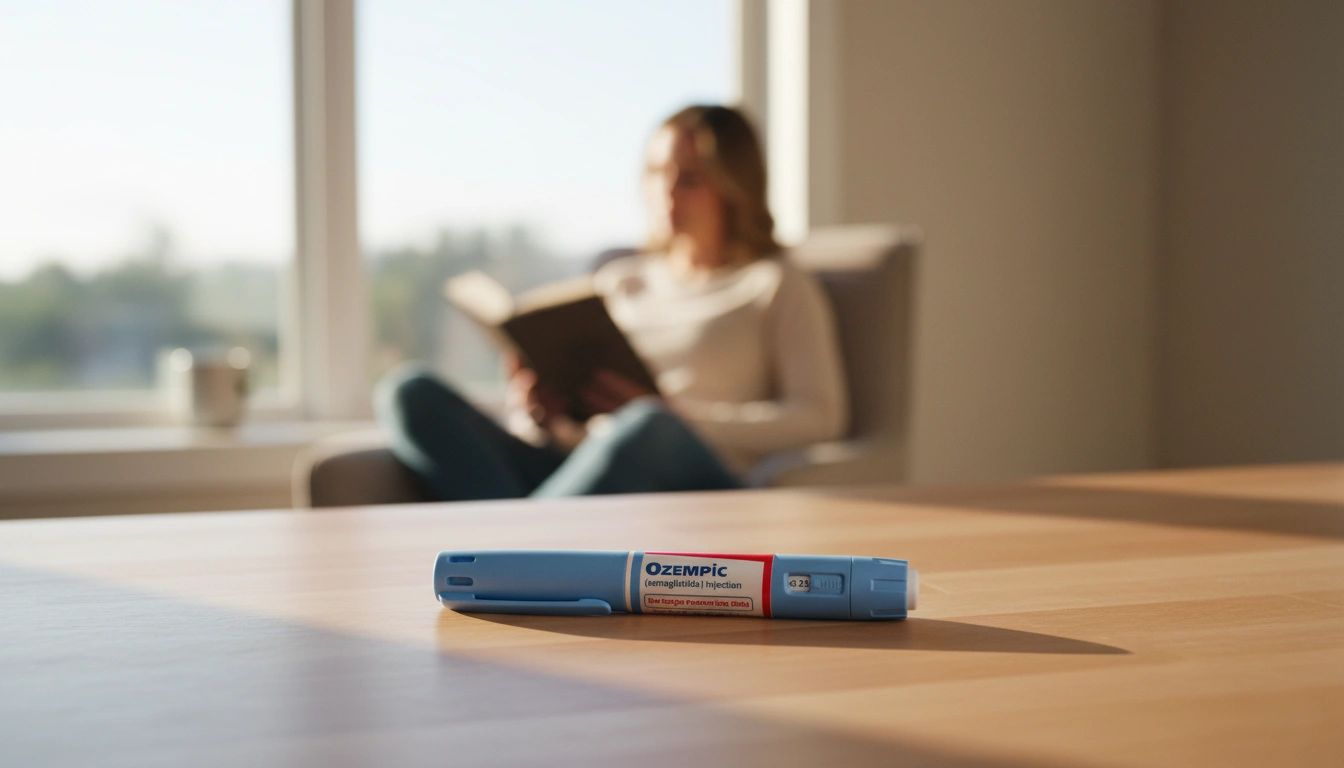
Pancreatitis appears on Ozempic’s warning label, and understandably that gives patients pause. But there’s a meaningful difference between a listed risk and a confirmed causal relationship. If you want to know what the research actually shows about semaglutide and pancreas inflammation, rather than just what the label says, here’s a clear and honest breakdown.
Why Pancreatitis Appears on the Label
The pancreas connection to GLP-1 medications goes back to early clinical trials. GLP-1 receptors are present in pancreatic tissue, and because semaglutide activates those receptors, researchers flagged the pancreas as an organ worth monitoring. Early postmarketing reports of pancreatitis in patients taking GLP-1 medications prompted the FDA to require the warning across the drug class.
Pancreatitis, inflammation of the pancreas, ranges from mild and self-resolving to severe and life-threatening. Acute pancreatitis causes intense abdominal pain, nausea, and vomiting. The concern was that chronic GLP-1 receptor activation might stress pancreatic tissue in ways that increase inflammation risk.
That’s the origin of the warning. Whether the concern holds up under rigorous study is a separate question.
What Large-Scale Research Shows
The data from major clinical trials has been more reassuring than the warning label might suggest. The LEADER trial for liraglutide and the SUSTAIN trials for semaglutide, both large cardiovascular outcomes studies involving tens of thousands of patients, did not find a statistically significant increase in pancreatitis rates compared to placebo groups.
A 2022 meta-analysis published in Diabetes Care pooled data from multiple GLP-1 cardiovascular outcomes trials and concluded that GLP-1 receptor agonists were not associated with a significantly elevated risk of acute pancreatitis at the population level. The rate of pancreatitis in treated patients was low and comparable to background rates in populations with obesity, type 2 diabetes, and metabolic syndrome, conditions that themselves independently elevate pancreatitis risk.
This last point matters. Patients prescribed Ozempic often have baseline risk factors for pancreatitis that have nothing to do with the medication. Obesity, elevated triglycerides, gallstone disease, and heavy alcohol use are all established pancreatitis risk factors and are common in the population taking GLP-1 medications. Separating medication-attributable risk from baseline population risk is genuinely difficult.
Who Faces the Most Relevant Risk
While population-level data is reassuring, individual risk profiles still matter. Certain patients warrant more caution when it comes to pancreatitis and GLP-1 medications.
Patients with a personal history of pancreatitis are the most important group here. Ozempic is generally not recommended for patients who have had acute or chronic pancreatitis, and most prescribers will ask about this directly during intake. The concern isn’t that semaglutide will definitely trigger a recurrence, but that the combination of a sensitized pancreas and a medication with any theoretical pancreatic effect isn’t a risk worth taking without careful consideration.
Patients with very high triglyceride levels face elevated baseline pancreatitis risk, and this is worth addressing alongside GLP-1 treatment. Interestingly, semaglutide tends to reduce triglyceride levels over time, which could actually lower pancreatitis risk in some patients. Our article on GLP-1 medications and cholesterol covers that metabolic benefit in more detail.
Heavy alcohol use is another compounding factor. Alcohol is one of the leading causes of pancreatitis independently, and combining it with a GLP-1 medication doesn’t change that underlying biology. Reducing alcohol intake during treatment is advisable for multiple reasons beyond pancreatitis risk.
Symptoms That Warrant Immediate Attention
Knowing what to watch for matters more than worrying abstractly about a warning label. The hallmark symptom of acute pancreatitis is severe, persistent pain in the upper abdomen, often described as radiating through to the back. It typically comes on suddenly and is usually accompanied by nausea and vomiting.
This kind of pain is different from the garden-variety GI discomfort that many Ozempic users experience in the early weeks of treatment. Nausea, bloating, and general stomach upset are common and usually mild. Sharp, severe, persistent abdominal pain that doesn’t resolve is not normal and warrants urgent medical evaluation.
If you experience that kind of pain while on Ozempic, stop the medication and seek medical attention. Don’t wait to see if it resolves on its own.
Ozempic and the Gallbladder Connection
One related risk worth mentioning here is gallstone disease. GLP-1 medications are associated with an increased rate of gallbladder events, including gallstones and cholecystitis, which is inflammation of the gallbladder. Gallstone-related pancreatitis is one of the most common forms of pancreatitis overall, so this connection is relevant.
Rapid weight loss of any kind increases gallstone formation risk because the liver secretes more cholesterol into bile during periods of significant caloric restriction. GLP-1 medications accelerate weight loss, and they also appear to slow gallbladder emptying through mechanisms not fully understood. The combination modestly elevates gallstone risk compared to baseline.
This doesn’t mean GLP-1 medications are uniquely dangerous for the gallbladder, but it does mean that new onset of right-sided abdominal pain, particularly after fatty meals, is worth reporting to your provider.
Putting the Risk in Perspective
The pancreatitis warning on Ozempic is there because the FDA requires precautionary labeling when any plausible biological mechanism exists, even without confirmed causation in humans. That’s appropriate regulatory caution. It doesn’t mean the risk is high or that most patients should be worried.
For the overwhelming majority of patients without a history of pancreatitis, very high triglycerides, or heavy alcohol use, the clinical trial data suggests pancreatitis risk on semaglutide is not meaningfully elevated above background. The medication’s well-documented benefits for weight loss, blood sugar regulation, and cardiovascular health represent a concrete upside that, for most patients, far outweighs a theoretical pancreatic concern.
The right approach is full disclosure with your prescriber, not avoidance. If you have any of the risk factors mentioned here, bring them up during your consultation. A good provider will factor them into your treatment plan rather than dismiss them.
TrimRx’s clinical team reviews each patient’s history before prescribing, specifically to catch situations where extra caution is warranted. Start your assessment to have that conversation with a provider who can evaluate your individual risk profile.
This information is for educational purposes and is not medical advice. Consult with a healthcare provider before starting any medication. Individual results may vary.

Transforming Lives, One Step at a Time
Keep reading

Ozempic and Colorectal Cancer: What the New Research Shows
Colorectal cancer is the third most commonly diagnosed cancer in the United States and one of the cancers most strongly linked to obesity, metabolic…

Does Ozempic Reduce Cancer Risk: What the Research Shows
The connection between obesity and cancer has been established for decades. What’s newer, and genuinely interesting, is emerging evidence that GLP-1 medications like Ozempic…

When to Stop Ozempic Before Surgery: Aspiration Risk Explained
If you’re scheduled for surgery and you’re currently taking Ozempic or another GLP-1 medication, there’s a specific conversation you need to have with your…


