Does Ozempic Help Anxiety and Depression? A Closer Look at the Gut-Brain Connection
Introduction
Did you know that nearly half of the individuals currently navigating the complexities of obesity also report living with a mood disorder such as anxiety or depression? This significant overlap is not merely a coincidence; it is a profound reflection of the intricate relationship between our metabolic health and our mental well-being. For decades, the medical community viewed these two aspects of health as separate entities, but recent breakthroughs in science are revealing a much more integrated picture. When we address the way the body processes energy and regulates hunger, we are often simultaneously addressing the neurochemical pathways that govern our emotions.
At TrimRx, our journey began with a shared vision to help individuals embrace healthier lifestyles by merging cutting-edge telehealth innovations with effective weight loss solutions. We understand that your weight loss journey is not just about a number on a scale—it is about how you feel when you wake up in the morning, your energy levels throughout the day, and your overall sense of peace and confidence. Our platform is a user-friendly and supportive space where individuals receive personalized, medically supervised care—all designed to make sustainable weight loss attainable and tailored to the individual. We believe that sustainable weight loss should be achieved through science, empathy, and a transparent approach.
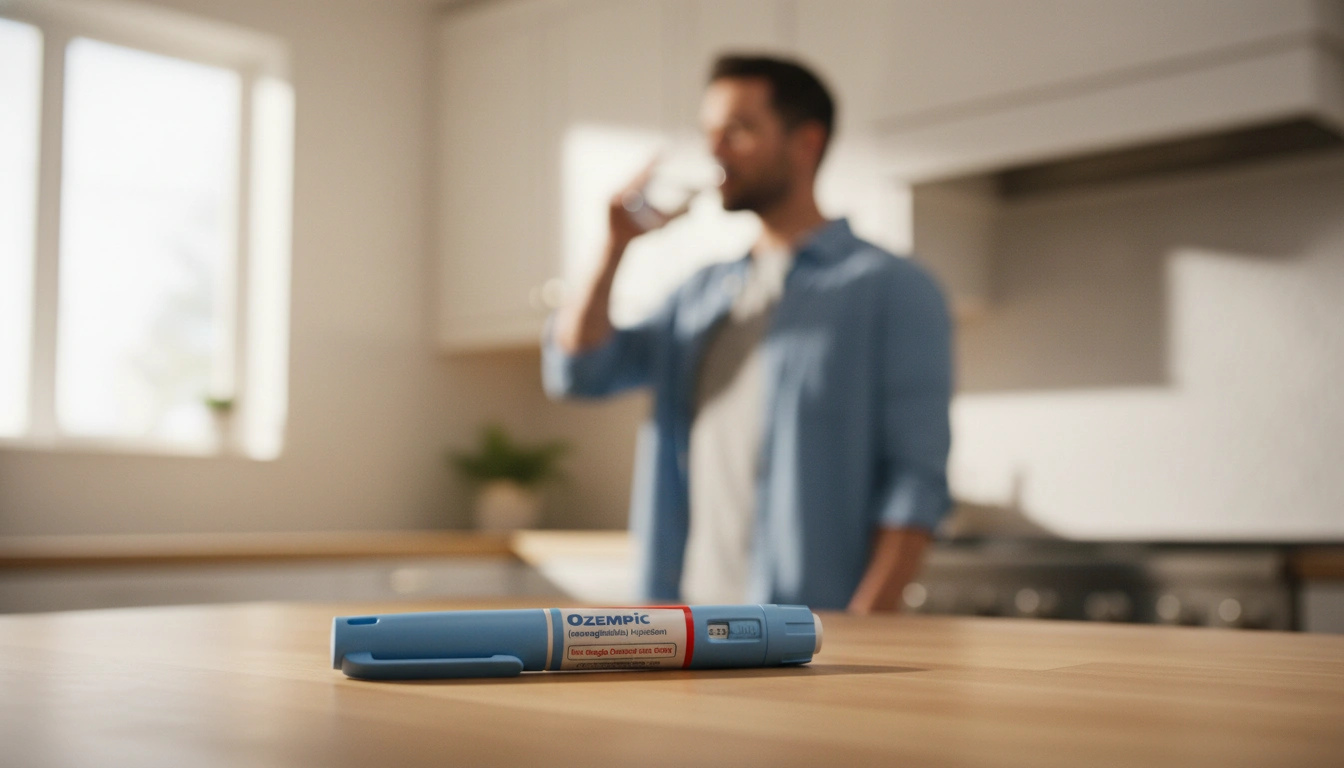
The purpose of this blog post is to explore the emerging research surrounding the question: does ozempic help anxiety and depression? As GLP-1 medications become more widely utilized for weight management and diabetes care, many people are reporting surprising “side effects” that go beyond physical transformation. We will delve into the biological mechanisms that link the gut to the brain, examine the latest clinical studies, and discuss how personalized care can help manage the emotional nuances of a weight loss journey. Whether you are already on a program or are curious about starting, understanding this connection is vital for your long-term success.
Throughout this article, we will cover the science of semaglutide, the findings from large-scale registry studies, the potential for “emotional blunting,” and the importance of professional oversight. We invite you to consider how your physical health and mental clarity might be two sides of the same coin. This post stands out because it combines deep scientific analysis with the empathetic, supportive philosophy that defines our mission at TrimRx. By the end of this guide, you will have a comprehensive understanding of how these medications interact with the mind and why a personalized approach is the gold standard for care.
The Biological Link Between Metabolic Health and Mental Wellness
To understand why a medication designed for blood sugar and weight might affect mood, we must first look at the biological architecture of the human body. The gut is often referred to as the “second brain” because it contains an extensive network of neurons and produces a significant portion of the body’s neurotransmitters, including serotonin and dopamine. This gut-brain axis is a two-way street; the brain sends signals to the gut regarding stress and hunger, while the gut sends signals to the brain regarding satiety and metabolic status.
The Role of GLP-1 in the Brain
Semaglutide, the active ingredient in medications like Ozempic® and Wegovy®, is a glucagon-like peptide-1 (GLP-1) receptor agonist. Naturally occurring GLP-1 is a hormone released by the intestines after we eat. It tells the pancreas to release insulin and signals the brain that we are full. However, researchers have discovered that GLP-1 receptors are not just located in the digestive system. They are also found in several critical areas of the brain, including the hypothalamus (which regulates appetite), the hippocampus (responsible for memory and learning), and the mesolimbic system (the brain’s reward center).
When we use a medication like semaglutide, it mimics this natural hormone but is engineered to last much longer in the body. Because it can interact with these brain regions, it has the potential to influence more than just hunger. For instance, the reward system is what makes us feel pleasure from food, but it also plays a role in addictive behaviors and mood regulation. By modulating this system, it is scientifically plausible that the medication could alter how an individual experiences pleasure, stress, and anxiety. To see if you are a candidate for these advanced treatments, we encourage you to take our free assessment quiz to determine your eligibility and receive a personalized treatment plan.
Inflammation and the Mind
Another key factor in the connection between weight loss and mental health is inflammation. Chronic obesity is often associated with low-grade systemic inflammation. Research in the field of psychiatry has increasingly linked high levels of inflammation to the development of depressive symptoms. GLP-1 medications have been shown to possess potent anti-inflammatory properties. By reducing inflammation in both the body and the brain, these medications may help alleviate the biological triggers that contribute to a low mood or heightened anxiety.
What the Research Says: Clinical Evidence and Real-World Data
The scientific community is currently buzzing with new data regarding the psychiatric effects of GLP-1 agonists. While these medications were not originally studied for mental health outcomes, the sheer volume of people using them has provided a massive amount of real-world data for researchers to analyze.
The Epic Research Analysis
One of the most significant pieces of evidence came from Epic Research, which analyzed the records of approximately 4 million patients. Their findings suggested that semaglutide was associated with a lower prevalence of anxiety and depression diagnoses. Specifically, for patients with type 2 diabetes, nearly every GLP-1 receptor agonist on the market was linked to a reduction in these mental health conditions. This suggests that for many, improving metabolic health has a direct, positive impact on psychological stability.
The Lancet Psychiatry Study
A large-scale registry study published in The Lancet Psychiatry further supported these findings. Researchers examined data from nearly 100,000 individuals in Sweden and found that those taking semaglutide had a 42% lower need for psychiatric-related hospital visits compared to periods when they were not taking the medication. The risk of depression was 44% lower, and anxiety disorders were reduced by 38%. These numbers are striking because they suggest that the benefits of the medication go far beyond weight loss, potentially offering a protective effect against severe mental health crises.
Furthermore, the study noted a 47% decrease in hospital care related to substance use disorders. This aligns with anecdotal reports of individuals losing interest in alcohol or other addictive behaviors while on the medication. If you’re looking for support while on your journey, our GLP-1 Daily Support supplement is designed to provide essential nutrients that support overall wellness.
Skepticism and the Need for Controlled Trials
Despite these promising statistics, some experts remain cautious. Many of the studies conducted thus far are observational or based on large registries. While they show a strong association, they do not definitively prove that the medication causes the improvement in mood. It is possible that the improvement comes from the weight loss itself, which can boost self-esteem and physical mobility, or from the relief of managing a chronic condition like diabetes more effectively.
Clinical trials are currently underway to specifically test how GLP-1 analogs affect people with diagnosed depression, schizophrenia, and even neurodegenerative conditions like Alzheimer’s. These controlled studies will help us understand whether the drug has a direct neurobiological effect on mood or if the benefits are secondary to physical health improvements.
Understanding “Emotional Blunting” and Anhedonia
While many people report feeling “better than ever,” a smaller subset of users has reported a different experience: a sense of feeling “flat,” “numb,” or “emotionally blunt.” This phenomenon, sometimes called anhedonia, involves a decreased ability to feel pleasure or a lack of interest in previously enjoyed activities.
Why Does Emotional Dullness Occur?
Because semaglutide interacts with the brain’s reward system, it effectively “turns down the volume” on cravings for food. For some individuals, this effect might spill over into other areas of life. If the reward system becomes less responsive to food, it might also become less responsive to other stimuli that usually provide joy, such as hobbies or social interactions.
For an individual with a history of depression, this feeling of detachment can be concerning. It is important to distinguish between “relief from food noise” and “loss of all joy.” While silencing constant thoughts about food is a primary goal of our personalized weight loss program, losing the ability to enjoy life is a side effect that requires professional attention.
The Impact of Physical Side Effects on Mood
It is also vital to consider the physical side effects of GLP-1 medications. Nausea, fatigue, and gastrointestinal discomfort are common as the body adjusts to the medication. For anyone, feeling physically ill for days on end can lead to irritability and a low mood. This is why we emphasize that weight loss should be a compassionate journey. If you are experiencing fatigue, our Weight Loss Boost supplement can be an excellent addition to your routine to help maintain energy levels and focus.
The Importance of Personalized, Medically Supervised Care
At TrimRx, we believe that medication is just one piece of the puzzle. The question of whether Ozempic help anxiety and depression highlights the need for a comprehensive, individualized approach. We don’t just provide access to medications; we provide a partnership in health.
Why Screening Matters
Our process begins with a free assessment quiz that helps determine which medication—if any—is right for you. For individuals with a significant history of mental health challenges, this screening is crucial. Some clinical trials for weight loss medications originally excluded people with severe depression or history of suicidal ideation, which means we must be diligent in our ongoing care.
Our brand is empathetic, innovative, and results-oriented. We offer compassionate care that respects every individual’s unique journey by combining advanced medical science with modern technology. This means that if your mood changes during treatment, you have access to the support you need. We work exclusively with FDA-registered and inspected pharmacies to ensure that the medications—whether they are Ozempic®, Wegovy®, or compounded semaglutide—are of the highest quality and safety. It is important to note that while we partner with these pharmacies for shipping, our commitment to your transparency and safety remains our top priority.
Consistency Through Dosage Changes
Many traditional programs might fluctuate in their level of support as your dosage changes. At TrimRx, we maintain a consistent approach. Whether you are on a starting dose or have moved to a higher maintenance dose, our commitment to transparent service remains the same. This stability is particularly important for mental health, as hormonal and metabolic shifts can be sensitive periods for the brain.
Practical Steps for Managing Your Mental Health During Weight Loss
If you are considering starting a weight loss journey with a GLP-1 medication, there are several steps you can take to protect and even enhance your mental well-being.
- Monitor Your Mood: Keep a simple journal of how you feel emotionally, not just what you eat or what you weigh. Note any patterns of anxiety or “flatness.”
- Focus on Nutrition: Sometimes, when we eat significantly less, we may miss out on key nutrients that support brain health. Integrating a GLP-1 Daily Support can help bridge these gaps.
- Stay Connected: Weight loss can sometimes feel isolating, especially if your social life previously revolved around food. Find new ways to connect with friends and family that don’t involve large meals.
- Seek Professional Guidance: If you notice a persistent decline in your mood, do not hesitate to reach out to a healthcare professional. Weight loss should make you feel more like yourself, not less.
- Utilize Supportive Supplements: For those days when you need an extra lift in your metabolic health and energy, the Weight Loss Boost is available for immediate purchase to support your overall wellness.
The Future of GLP-1 and Psychiatry
The intersection of metabolic medicine and psychiatry is one of the most exciting frontiers in modern science. We are beginning to realize that by treating the body’s metabolic pathways, we may be uncovering new ways to treat some of the most stubborn mental health conditions.
While we are still in the early stages of understanding the full impact, the data suggests a hopeful future. For many, the weight loss achieved through our personalized treatment plans leads to a cascade of positive mental health outcomes: better sleep, reduced joint pain (which leads to more activity), improved body image, and a greater sense of agency over one’s health.
We believe that sustainable weight loss should be achieved through science, empathy, and a transparent approach. As we continue to learn more about how semaglutide and tirzepatide interact with the brain, we will continue to refine our programs to ensure that every individual receives the most supportive and effective care possible.
FAQ
1. Does taking Ozempic® or semaglutide directly cause depression?
Current research and FDA evaluations have not found a definitive causal link between GLP-1 medications and the onset of depression in the general population. However, because these medications interact with the brain’s reward centers, some individuals may experience “emotional blunting” or a change in mood. It is essential to discuss your mental health history with a provider before starting any new medication.
2. Can weight loss medications help improve my anxiety?
Many patients and several large-scale studies have reported a reduction in anxiety symptoms while taking semaglutide. This may be due to improved metabolic health, reduced systemic inflammation, or the psychological benefits of achieving weight loss goals. To find out if a personalized plan is right for you, take our free assessment quiz.
3. What should I do if I feel “emotionally numb” while on the medication?
If you feel a persistent sense of emotional flatness or loss of interest in activities you once enjoyed, it is important to contact your healthcare provider. They can help determine if the medication needs to be adjusted or if other factors are contributing to your mood. You can also support your journey with wellness-focused supplements like GLP-1 Daily Support.
4. Are the psychiatric benefits of these drugs permanent?
Most research currently focuses on the effects of the medication while it is being actively used. Because GLP-1 medications work by mimicking a hormone, their direct biological impact on the brain typically lasts as long as the medication is in your system. However, the positive lifestyle changes and improvements in self-confidence that come with successful weight loss can have long-lasting mental health benefits.
Conclusion
In our exploration of the question, “does ozempic help anxiety and depression,” we have seen a landscape filled with both scientific promise and the need for careful, individualized attention. The evidence from massive patient registries suggests that for a large number of people, GLP-1 medications like semaglutide offer a significant boost to mental well-being, likely through a combination of reduced inflammation, better metabolic control, and the psychological victory of successful weight management.
At TrimRx, our commitment to your health goes beyond the physical. We believe that a healthier body and a clearer mind go hand-in-hand. By merging cutting-edge telehealth innovations with science-backed solutions, we provide a space where you can pursue your goals with confidence and empathy. Whether you are interested in Ozempic®, Wegovy®, or our compounded options, our goal is to make sustainable weight loss attainable and tailored to your unique needs.
Remember that every journey is individual. While one person may find a newfound sense of joy and energy, another may need to navigate the complexities of emotional shifts. This is why having a supportive, medically supervised program is so critical. We invite you to take the first step today by completing our assessment quiz to see if our personalized weight loss program is the right fit for you.
Together, we can work toward a future where you not only achieve your weight loss goals but also feel emotionally balanced and empowered. For those seeking immediate support for their wellness journey, don’t forget to explore our quick-access supplements like Weight Loss Boost and GLP-1 Daily Support. Your health is a holistic experience, and we are here to support every aspect of it.

Transforming Lives, One Step at a Time
Keep reading

How to Get Ozempic or Semaglutide in Miami
Miami’s wellness culture runs deep, and GLP-1 medications have become a significant part of that conversation across the city. From Brickell to Coral Gables…

How to Get Ozempic or Semaglutide in Los Angeles
Los Angeles has no shortage of wellness clinics, concierge medicine practices, and weight loss programs promising access to the latest treatments. Semaglutide is at…

How to Get Ozempic or Semaglutide in Chicago
Chicago residents looking for semaglutide have more options than they might realize, and fewer of those options require setting foot in a clinic than…


