Does Ozempic Help Endometriosis? A Deep Dive into GLP-1s and Pelvic Health
Introduction
Did you know that it takes an average of seven to ten years for an individual to receive an accurate diagnosis for endometriosis? For millions of people, this decade of delay is filled with debilitating pelvic pain, cycle-related distress, and a search for answers that often feel out of reach. While traditional treatments like hormonal birth control and surgery remain the standard of care, a new question has begun to circulate in medical circles and online communities alike: does ozempic help endometriosis? As the popularity of Glucagon-Like Peptide-1 (GLP-1) receptor agonists rises for weight management and metabolic health, many are wondering if these innovative medications could offer a secondary benefit for those battling chronic inflammatory conditions like endometriosis.
At TrimRx, we believe that sustainable health is achieved through a combination of science, empathy, and a transparent approach. We understand that your health journey is unique, especially when dealing with the complexities of hormonal and metabolic balance. Our goal is to provide a user-friendly and supportive space where you can receive personalized, medically supervised care tailored to your specific needs. In this article, we will explore the intersection of metabolic health and pelvic wellness, analyzing the current scientific landscape to understand if medications like semaglutide could potentially play a role in managing endometriosis symptoms.
By the end of this post, you will have a comprehensive understanding of what the latest research says—and what it doesn’t say—about the link between Ozempic® and endometriosis. We will cover the biological mechanisms of both conditions, the role of inflammation, the impact of weight on estrogen levels, and how our personalized assessment can help you determine if a medically supervised program is the right step for your overall wellness journey.
Whether you are here because you are struggling with weight gain related to hormonal imbalances or you are simply curious about the broader applications of GLP-1 medications, we are here to walk this path with you. Let’s dive into the details of how these treatments work and what they could mean for your quality of life.
Understanding Endometriosis: An Inflammatory Challenge
To understand the potential relationship between metabolic medications and pelvic health, we must first look at the nature of endometriosis itself. Endometriosis is a chronic condition where tissue similar to the lining of the uterus—known as the endometrium—grows outside the uterine cavity. This tissue can be found on the ovaries, fallopian tubes, the outer surface of the uterus, and even on the bowel or bladder.
The Mechanism of Pain and Inflammation
The primary issue with this misplaced tissue is that it behaves exactly like the tissue inside the uterus: it thickens, breaks down, and bleeds with each menstrual cycle. However, because this tissue has no way to exit the body, it becomes trapped. This leads to several physiological responses:
- Inflammation: The trapped blood and tissue trigger a systemic inflammatory response.
- Adhesions: Over time, the inflammation can cause “sticky” scar tissue to form, which can fuse organs together.
- Pain: The combination of inflammation and nerve irritation often results in chronic pelvic pain, painful periods (dysmenorrhea), and pain during intercourse.
For many, the inflammatory nature of endometriosis is not confined to the pelvic region. It can affect the entire body, leading to fatigue, digestive issues, and even metabolic shifts. This is where the conversation about GLP-1 medications typically begins.
The Role of Estrogen in Endometriosis
Endometriosis is an estrogen-dependent condition. Estrogen is the “fuel” that causes endometrial lesions to grow and persist. While the ovaries are the primary source of estrogen, they are not the only source. Adipose tissue (body fat) also produces estrogen through a process called aromatization. For individuals who are overweight or struggling with obesity, this extra peripheral estrogen can potentially exacerbate endometriosis symptoms, creating a cycle of pain and hormonal imbalance.
What is Ozempic and How Does it Work?
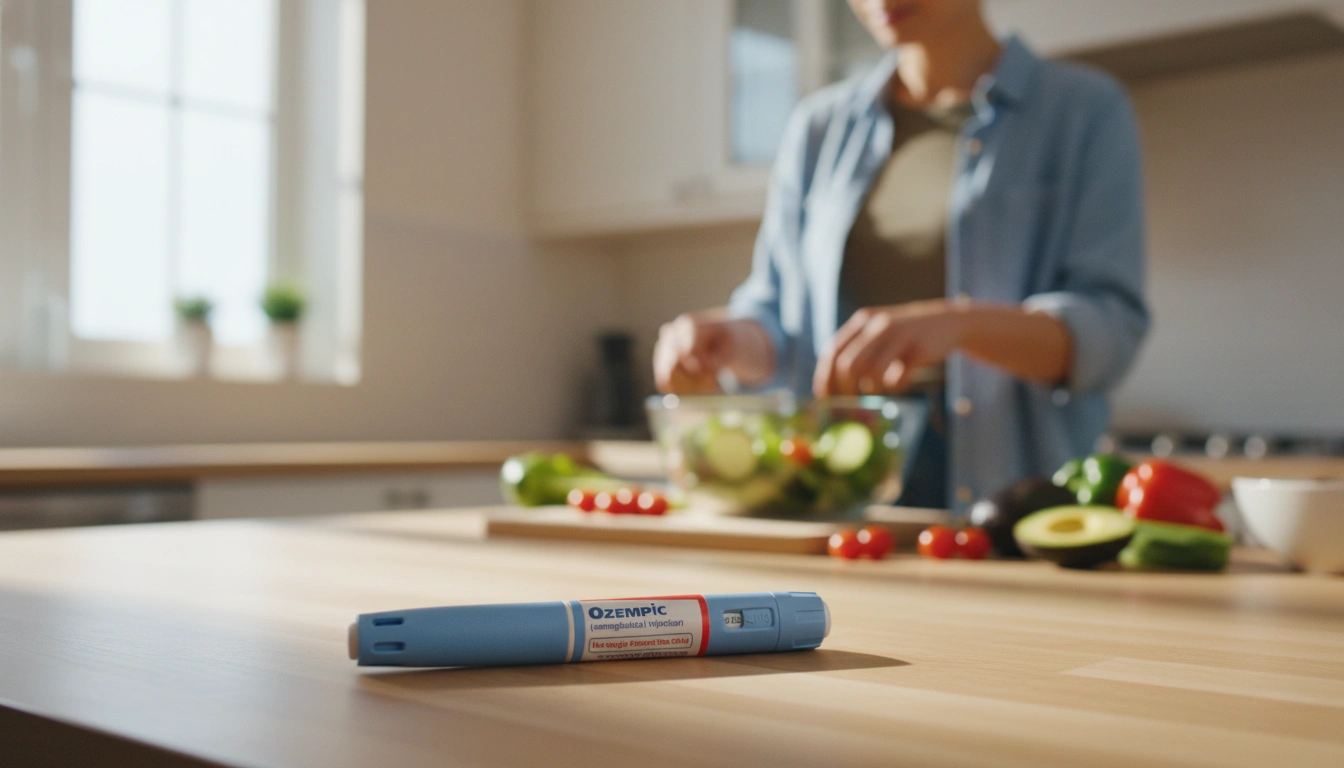
Ozempic® (semaglutide) is an FDA-approved medication primarily indicated for the treatment of type 2 diabetes, though its weight-loss benefits have made it a household name. It belongs to a class of drugs known as GLP-1 receptor agonists.
Mimicking Natural Hormones
Our bodies naturally produce a hormone called GLP-1 in the gut in response to eating. This hormone performs several key functions:
- Insulin Regulation: It tells the pancreas to release insulin when blood sugar is high.
- Satiety Signals: It interacts with the brain to signal that you are full.
- Gastric Emptying: It slows down the rate at which food leaves the stomach, helping you feel satisfied longer.
By mimicking these effects, Ozempic® and similar medications like Wegovy® (specifically approved for weight loss) and Mounjaro® (tirzepatide) help individuals manage their blood sugar and achieve significant, sustainable weight loss. At TrimRx, we partner with FDA-registered and inspected pharmacies to provide both brand-name medications and compounded options, such as Compounded Semaglutide and Compounded Tirzepatide, to ensure our members have access to the care they need. To see if these options are suitable for your health profile, we encourage you to take our free assessment quiz.
Does Ozempic Help Endometriosis? Examining the Connection
Currently, Ozempic® is not FDA-approved to treat endometriosis. There are no large-scale, peer-reviewed clinical trials specifically investigating semaglutide as a primary treatment for endometrial lesions. However, there are several biological pathways through which these medications might indirectly offer relief to those with the condition.
Potential Anti-Inflammatory Effects
One of the most exciting areas of research regarding GLP-1s is their potential systemic anti-inflammatory effect. Preliminary studies suggest that GLP-1 receptor agonists may reduce markers of inflammation in the body, such as C-reactive protein (CRP). Since endometriosis is fundamentally an inflammatory disease, any medication that lowers the body’s overall inflammatory load might, in theory, help reduce the severity of pain and flares.
The Estrogen Reduction Pathway
As mentioned earlier, adipose tissue produces estrogen. When an individual achieves significant weight loss through a program like ours at TrimRx, their overall levels of circulating estrogen may decrease. For someone with endometriosis, lower estrogen levels can lead to:
- Reduced stimulation of endometrial lesions.
- Less intense menstrual cycles.
- A potential decrease in the rate of lesion growth.
This is not to say that weight loss is a “cure” for endometriosis, but rather a tool to help manage the hormonal environment that allows the disease to thrive.
Improved Insulin Sensitivity
There is a frequent overlap between endometriosis and other metabolic conditions, such as Polycystic Ovary Syndrome (PCOS). Both conditions are often characterized by insulin resistance. High levels of insulin can stimulate the ovaries to produce more androgens, which can then be converted into even more estrogen. By improving insulin sensitivity, medications like Ozempic® or Mounjaro® can help stabilize the entire endocrine system, potentially leading to more regular cycles and reduced pelvic symptoms.
The Importance of a Personalized Approach
At TrimRx, our journey began with a shared vision to help individuals embrace healthier lifestyles by merging cutting-edge telehealth innovations with effective weight loss solutions. We believe that weight loss is never “one size fits all,” especially when you are managing chronic health conditions like endometriosis or metabolic syndrome.
Our Commitment to Personalized Care
When you join the TrimRx community, you aren’t just getting a prescription; you are entering a partnership. Our platform provides a supportive space where individuals receive personalized, medically supervised care. We believe that sustainable weight loss should be achieved through science, empathy, and transparency.
Whether you are interested in Ozempic®, Zepbound®, or our compounded formulations, the first step is always our personalized assessment. This quiz allows our team to understand your medical history, your goals, and any underlying conditions—like endometriosis—that might influence your treatment plan.
Support Every Step of the Way
We offer a comprehensive service that includes:
- Initial doctor consultations to ensure safety.
- Medication shipped directly from FDA-registered and inspected pharmacies.
- Ongoing lab work to monitor your progress.
- Unlimited support to answer your questions and adjust your plan as needed.
Anecdotal Evidence: What Are Patients Saying?
While clinical data is still catching up, the “anecdotal” evidence from online forums and patient communities is growing. Some individuals who have been prescribed Ozempic® for weight loss have reported a surprising reduction in their endometriosis-related pain.
Common reports include:
- Reduced Bloating: Often referred to as “endo belly,” the severe bloating associated with endometriosis can be painful and distressing. Some users report that the digestive changes and weight loss associated with GLP-1s have significantly reduced this symptom.
- Decreased Pelvic Heaviness: By reducing the inflammatory load, some find that the constant “heavy” feeling in the pelvis is alleviated.
- Improved Bowel Symptoms: For those with bowel-involved endometriosis, the way GLP-1s affect gastric motility may, in some cases, change the way symptoms manifest (though this must be monitored closely by a physician).
It is vital to remember that these are individual experiences and not a guarantee of results. Every body is different, which is why a personalized assessment is so important before starting any new medication.
The Role of Weight Loss in Surgical Success
For many with severe endometriosis, excision surgery is necessary to remove lesions and scar tissue. Surgeons often note that achieving a healthier Body Mass Index (BMI) prior to surgery can lead to better outcomes.
Lowering Surgical Risk
Higher levels of adipose tissue can sometimes make laparoscopic surgery more technically challenging and increase the risk of complications such as infections or poor wound healing. By using a medically supervised weight loss program to reach a target weight, individuals may:
- Reduce the risks associated with anesthesia.
- Allow the surgeon better visualization of the pelvic cavity.
- Speed up the recovery process post-operation.
If you are preparing for a major health milestone like surgery, our Weight Loss Boost supplement can be an excellent addition to your routine to support your metabolism and energy levels as you work toward your goals.
Managing Side Effects and Supporting Your Journey
While GLP-1 medications are transformative, they can come with side effects such as nausea, changes in digestion, and fatigue. For someone already dealing with the fatigue and digestive upset of endometriosis, managing these side effects is crucial.
Targeted Support Supplements
At TrimRx, we offer “Quick-Access Supplements” that do not require our assessment quiz and are designed to complement your wellness journey. These are particularly helpful for those who want to ensure their body is getting the support it needs while on a weight loss medication or simply looking to improve their daily health.
- GLP-1 Daily Support: This supplement is specifically formulated to support your body’s needs while on GLP-1 medications. It helps maintain nutritional balance and supports overall wellness during your transformation.
- Weight Loss Boost: Designed to support a healthy metabolism, this boost is perfect for those looking to maximize their results and feel more energized.
Endometriosis and Fertility: A Metabolic Connection
Many individuals with endometriosis are also navigating the complexities of fertility. Endometriosis is a leading cause of infertility due to inflammation, pelvic adhesions, and its impact on egg quality.
Preparing for Pregnancy
For those looking to conceive, achieving optimal metabolic health is a key piece of the puzzle. While medications like Ozempic® or Zepbound® should not be taken while pregnant, using them to reach a healthier weight before attempting to conceive can improve fertility outcomes.
Improved insulin sensitivity and reduced systemic inflammation can create a more favorable environment for conception. However, medical experts typically recommend a “washout period”—stopping the medication several months before trying to get pregnant—to ensure the medication is fully out of the system. This is a journey we are honored to support through our medically supervised plans, ensuring that your transition to a fertility-focused phase is safe and well-managed.
The TrimRx Difference: Safety and Transparency
In a world full of “quick fixes,” TrimRx stands out by prioritizing your safety. We understand that starting a medication like Compounded Semaglutide or Oral Tirzepatide is a significant decision. That’s why we are committed to a transparent approach.
FDA-Registered Pharmacy Partnerships
It is important to clarify that TrimRx does not provide actual medical supervision; instead, we facilitate a comprehensive service that includes consultations with independent healthcare providers. We partner exclusively with FDA-registered and inspected pharmacies for the shipping of all medications. While we do not claim that compounded medications are FDA-approved (as only the base molecules or specific brand-name versions like Ozempic® have that designation), we ensure that the pharmacies providing them meet rigorous quality and safety standards.
No Hidden Fees
We believe that your focus should be on your health, not on decoding your bill. Our approach remains consistent regardless of dosage changes. Whether you are starting at a low dose or moving to a maintenance phase, our comprehensive service includes your consultations, medication, lab work, and shipping—with absolutely no hidden fees.
Is It Right for You? Taking the Next Step
So, does Ozempic help endometriosis? The answer is nuanced. While it is not a direct treatment for the disease, its ability to reduce inflammation, lower estrogen-producing fat, and improve metabolic health can lead to a significant improvement in the quality of life for many individuals.
If you are struggling with weight gain that feels impossible to lose due to your hormonal health, or if you feel that your metabolic health is standing in the way of managing your endometriosis, it may be time to explore a personalized solution.
How to Get Started
- Take the Quiz: Our personalized assessment is the first step in our story together. It’s a fast, free way to see if you qualify for our program.
- Consult with a Professional: We connect you with a doctor who will review your health profile and determine the best course of action.
- Receive Your Plan: Once approved, your personalized treatment plan—including medications like Compounded Semaglutide or Tirzepatide—will be shipped to your door.
- Enhance Your Results: Consider adding our GLP-1 Daily Support to help you feel your best every day.
A Vision for Future Research
We are in the early stages of understanding how metabolic health affects gynecological conditions. As more research emerges, we hope to see more targeted therapies that address both the hormonal and metabolic aspects of endometriosis. Until then, focusing on total-body wellness remains the most powerful strategy.
By combining advanced medical science with a compassionate, patient-first philosophy, TrimRx is helping thousands of people reclaim their health. We invite you to join us and discover how a personalized approach can transform your journey.
Conclusion
The connection between Ozempic® and endometriosis is a fascinating frontier in women’s health. While we await more formal clinical trials, the biological logic—reducing inflammation and balancing hormones through weight management—is compelling. Endometriosis is a complex, multifaceted disease that requires a comprehensive toolkit. For many, managing weight and metabolic health with the help of GLP-1 medications can be a valuable part of that toolkit, helping to reduce the overall burden on the body and potentially easing some of the chronic pain associated with the condition.
At TrimRx, we are dedicated to helping you navigate these options with clarity and confidence. Our focus on safety, transparency, and personalized care ensures that you aren’t just taking a medication, but embarking on a supported lifestyle change. Whether you are aiming for weight loss to support a future surgery, improve your fertility, or simply feel more at home in your own body, we are here to provide the tools and support you need.
Are you ready to see how a personalized plan could impact your wellness? Start your journey today by taking our free assessment quiz. Together, we can work toward a healthier, more vibrant you.
FAQs
1. Is Ozempic® specifically FDA-approved to treat endometriosis pain? No, Ozempic® is currently FDA-approved only for the treatment of type 2 diabetes and, under the name Wegovy®, for chronic weight management. Any use of these medications for endometriosis-specific symptoms is considered “off-label.” You should always work with a qualified healthcare provider to determine if this medication is appropriate for your unique health situation.
2. How does losing weight help with endometriosis symptoms? Weight loss can help because adipose tissue (fat cells) produces estrogen. Since endometriosis is an estrogen-dependent condition, having excess body fat can lead to higher levels of circulating estrogen, which may fuel the growth and pain of endometrial lesions. Reducing weight can help lower this estrogen “fuel” and potentially decrease systemic inflammation.
3. Can I take TrimRx supplements while on Ozempic®? Yes, our quick-access supplements like GLP-1 Daily Support and Weight Loss Boost are designed to support overall wellness and complement your weight loss journey. The GLP-1 Daily Support is specifically formulated to help manage the common side effects and nutritional needs of those taking GLP-1 medications.
4. Should I stop taking Ozempic® if I want to get pregnant? Current medical guidelines recommend that individuals stop taking GLP-1 medications several months before attempting to conceive. Because these medications are relatively new in the context of pregnancy, a “washout period” is advised to ensure safety for the developing fetus. If you have endometriosis and are planning for fertility, it is essential to discuss the timing of your weight loss program with your doctor.

Transforming Lives, One Step at a Time
Keep reading

How to Get Ozempic or Semaglutide in Miami
Miami’s wellness culture runs deep, and GLP-1 medications have become a significant part of that conversation across the city. From Brickell to Coral Gables…

How to Get Ozempic or Semaglutide in Los Angeles
Los Angeles has no shortage of wellness clinics, concierge medicine practices, and weight loss programs promising access to the latest treatments. Semaglutide is at…

How to Get Ozempic or Semaglutide in Chicago
Chicago residents looking for semaglutide have more options than they might realize, and fewer of those options require setting foot in a clinic than…


