Does Ozempic Help Hypoglycemia? Safety and Blood Sugar Facts
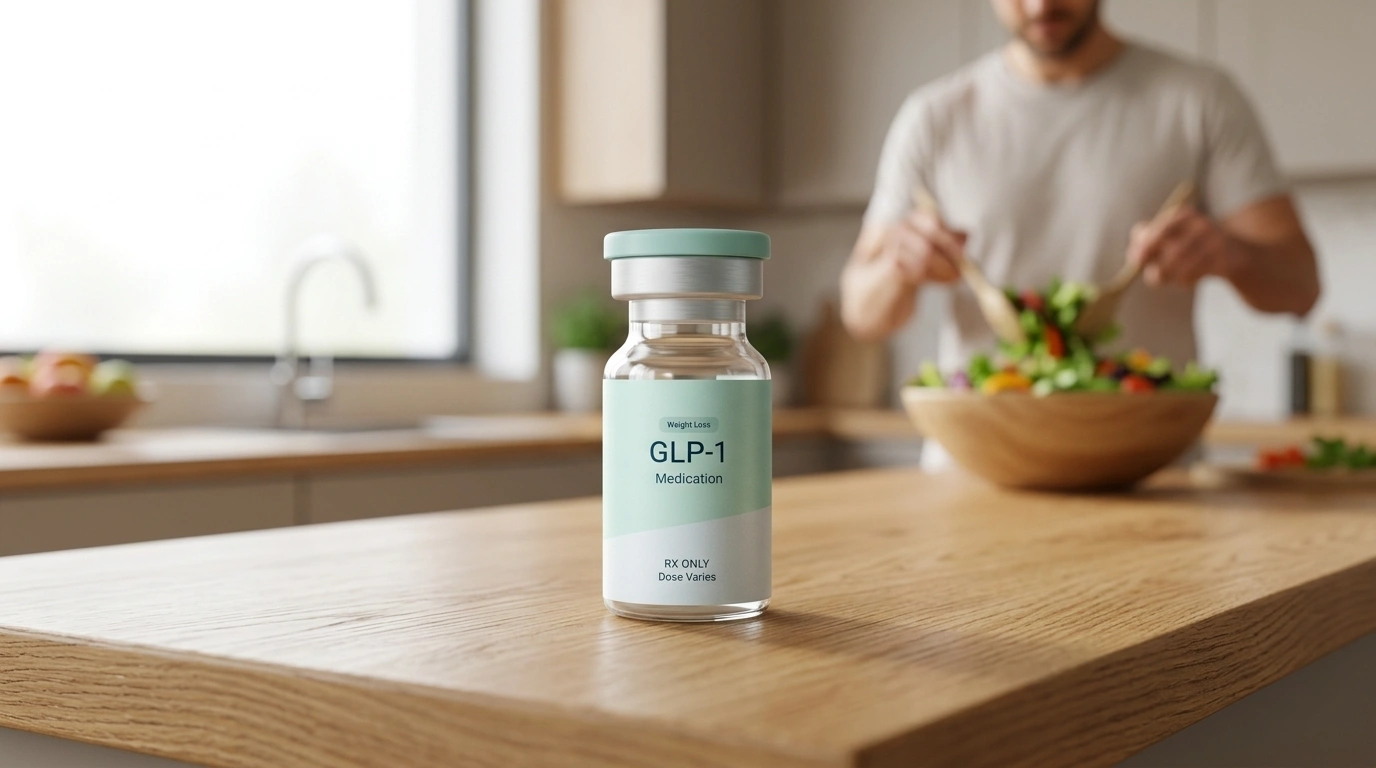
Introduction
Have you ever felt that sudden, shaky, cold-sweat sensation when you have gone too long without a meal? That “crash” is often the result of hypoglycemia, or low blood sugar. As more people explore GLP-1 medications for weight management and metabolic health, a common question arises: does Ozempic help hypoglycemia, or does it make it worse?
At TrimRx, we believe that understanding the science behind your medication is the first step toward a successful health journey. If you’re considering a personalized prescription path, take the free assessment quiz to see whether a program is a fit. Ozempic® is a powerful tool for blood sugar regulation, but its relationship with low blood sugar is often misunderstood. This article will explain how the medication interacts with your body’s natural glucose levels and what you should expect during treatment. We will cover the mechanics of GLP-1s, the specific risks of hypoglycemia, and how a personalized program can help you navigate these changes safely.
Quick Answer: Ozempic® does not treat active hypoglycemia (low blood sugar). It is a glucose-lowering medication, but it is “glucose-dependent,” meaning it rarely causes dangerously low blood sugar when used alone.
Understanding the Mechanism of Ozempic
To understand if Ozempic® helps with hypoglycemia, we must first look at how it functions in the body. Ozempic® is a brand name for the generic drug semaglutide for weight loss. Semaglutide is a GLP-1 receptor agonist. This means it mimics a hormone your body naturally produces in the gut called glucagon-like peptide-1 (GLP-1).
Under normal conditions, your body releases GLP-1 after you eat. This hormone sends signals to your pancreas to release insulin, which moves sugar from your blood into your cells for energy. It also tells your liver to stop producing extra sugar and slows down your digestion.
The concept of “glucose-dependent” action is critical here. If you want a deeper explanation of how GLP-1 actually works for weight loss, the key idea is that semaglutide only triggers significant insulin release when your blood sugar is actually high. If your blood sugar is at a normal or low level, the medication does not force the pancreas to pump out more insulin. This is a major safety feature of modern GLP-1 medications.
How it differs from other treatments
Many people are used to older diabetes medications like sulfonylureas or direct insulin injections. Those treatments work regardless of how much sugar is currently in your blood. If you take insulin and do not eat enough carbohydrates, your blood sugar can drop to dangerous levels.
Because semaglutide waits for a “trigger” (high blood sugar) to act, the risk of it causing a low blood sugar event on its own is very low. This makes it a preferred option for many providers who want to help patients manage weight or metabolic health without the constant fear of a “crash.”
Does Ozempic Help Hypoglycemia?
The short answer is no, Ozempic® does not “help” or treat an active episode of hypoglycemia. If your blood sugar is currently low (typically defined as below 70 mg/dL), you need fast-acting glucose, such as fruit juice or glucose tablets, to bring those levels back up.
However, there is a nuance to this question. Some individuals suffer from a condition called reactive hypoglycemia. This occurs when the body overreacts to a meal by producing too much insulin, causing a sharp blood sugar drop shortly after eating. This is common in people who have had certain types of bariatric surgery or those with specific metabolic imbalances.
If you’d like a closer look at the evidence, this GLP-1 and hypoglycemia guide explains why some clinicians consider these medications in carefully selected cases. By slowing down the rate at which food leaves the stomach (gastric emptying), the medication can help prevent the initial blood sugar spike that triggers the overproduction of insulin.
Key Takeaway: While Ozempic® is not a rescue medication for low blood sugar, it may help stabilize blood sugar patterns in people who experience reactive “crashes” after eating, though this use requires close medical supervision.
Identifying the Signs of Low Blood Sugar
Even though the risk of hypoglycemia is low with semaglutide, it is not zero. This is especially true if you are transitioning your diet or increasing your physical activity. Knowing how to identify a “low” is a vital part of your safety toolkit.
Common symptoms of hypoglycemia include:
- Shakiness or tremors: A feeling of being jittery or unsteady.
- Sweating and chills: Often a “cold sweat” that happens suddenly.
- Dizziness or lightheadedness: Feeling like you might faint.
- Rapid heartbeat: Palpitations or a racing pulse.
- Hunger and nausea: A sudden, intense craving for food.
- Confusion or irritability: Difficulty concentrating or feeling “hangry.”
- Vision changes: Blurred or double vision.
If you experience these symptoms while on a weight loss program, you should check your blood sugar if you have a monitor, or consume a small amount of sugar immediately.
Why Your Risk Level Matters
Not everyone has the same risk of experiencing low blood sugar while taking a GLP-1. Your medical history and your current medication list play the biggest roles in your safety.
Combination Therapy Risks
The highest risk of hypoglycemia occurs when Ozempic® is combined with other medications that lower blood sugar. If you take insulin or a sulfonylurea (like glipizide or glyburide) for type 2 diabetes, adding a GLP-1 can create a “double-down” effect. Your provider will often need to adjust your dosages of these other medications when you start a semaglutide program to prevent your sugar from dipping too low.
Lifestyle Factors
Your daily habits also influence your blood sugar stability. Significant changes in your routine can make a “low” more likely:
- Extreme Caloric Restriction: If you are not eating enough to sustain your basic metabolic needs, your liver may struggle to keep your blood sugar in a safe range.
- Intense Exercise: Physical activity uses up glucose. If you go for a long run or a heavy lifting session without adequate fuel, your levels may drop.
- Alcohol Consumption: Alcohol can interfere with the liver’s ability to release stored glucose into the bloodstream.
Bottom line: Ozempic® is generally safe regarding hypoglycemia, but combining it with other diabetes meds or extreme lifestyle changes can increase your risk.
Managing Your Blood Sugar on a TrimRx Program
At TrimRx, we emphasize that weight loss is a medical process, not just a cosmetic one. Our personalized programs are designed to look at your entire health profile to minimize risks like hypoglycemia. When you use our platform, you are connected with licensed healthcare providers who review your medical history and current medications before any treatment begins, and you can complete the free assessment quiz to get started.
We focus on a “slow and steady” approach. By starting with a low dose and gradually increasing it, your body has time to adapt to the metabolic changes. This titration process is one of the most effective ways to manage side effects and ensure your blood sugar remains stable.
Our platform also provides access to Compounded Semaglutide. These medications are prepared and shipped by FDA-registered, inspected compounding pharmacies. While compounded medications are not FDA-approved, they allow for personalized dosing that can be adjusted based on how your body responds to the treatment. This level of personalization is a cornerstone of how we help our members achieve sustainable results.
Dietary Strategies to Support Stable Blood Sugar
While the medication does the heavy lifting for your metabolism, your diet provides the foundation. To avoid the feeling of a blood sugar crash while taking a GLP-1, consider the following strategies:
1. Prioritize Protein and Fiber Protein and fiber both slow down the absorption of sugar into your bloodstream. This prevents the “spike and crash” cycle. Instead of a plain bagel, try Greek yogurt with berries or a salad with grilled chicken.
2. Eat Smaller, Frequent Meals Since GLP-1s slow down your digestion, you may feel full very quickly. Instead of trying to eat three large meals, aim for four or five smaller, nutrient-dense snacks throughout the day. This keeps a steady stream of energy flowing to your brain and muscles.
3. Stay Hydrated Dehydration can sometimes mimic the symptoms of low blood sugar, such as dizziness and fatigue. It can also strain your kidneys. Make it a habit to sip water throughout the day, especially if you are experiencing any gastrointestinal side effects.
4. Listen to Your Body The “food noise” reduction that comes with GLP-1s is a benefit, but you shouldn’t ignore true hunger. If you feel weak or shaky, it is your body’s way of asking for fuel.
Comparing Medications: Hypoglycemia Risk
Different GLP-1 and GIP medications have slightly different profiles. When choosing a treatment path, it helps to understand how tirzepatide compares regarding blood sugar safety.
| Medication Type | Mechanism | Hypoglycemia Risk (Alone) |
|---|---|---|
| Semaglutide (Ozempic®, Wegovy®) | GLP-1 Receptor Agonist | Very Low |
| Tirzepatide (Mounjaro®, Zepbound®) | GLP-1 & GIP Agonist | Very Low |
| Insulin | Hormone Replacement | High |
| Sulfonylureas | Insulin Secretagogue | Moderate to High |
As shown in the table, GLP-1 and dual-agonist medications like tirzepatide are significantly safer regarding hypoglycemia than traditional diabetes treatments. This is why many providers are moving toward these options for patients who struggle with blood sugar fluctuations.
The Role of Supplements in Metabolic Support
For those who want to optimize their experience on a GLP-1 or are looking for ways to support their metabolism without prescription medication, certain supplements can be beneficial.
We offer targeted options like GLP-1 Daily Support supplement.
We also offer Weight Loss Boost supplement.
These are designed to provide the body with the nutrients it needs to maintain energy and muscle mass during a weight loss journey. While these supplements do not replace medical treatment, they can be an excellent addition to a balanced lifestyle, helping you feel your best as your body changes. These products are available for immediate purchase and do not require a medical assessment.
What to Do If You Experience Frequent Lows
If you find that you are frequently feeling shaky, dizzy, or weak while on a GLP-1 program, it is important to take action. Do not simply wait for it to pass.
- Treat the immediate symptom: Use the “15-15 Rule.” Eat 15 grams of fast-acting carbs (like a half-cup of juice) and wait 15 minutes. Check your symptoms again.
- Log your meals and activity: Keep a simple journal of when the “lows” happen. Are they always after a workout? Or when you skip lunch?
- Consult your provider: This is the most important step. If you are a member of a platform like ours, you have 24/7 access to a dedicated team. Your provider may need to adjust your dosage or review your other medications.
- Check your labs: Sometimes, what feels like low blood sugar is actually an electrolyte imbalance or a vitamin deficiency. Regular lab work, which is included in our comprehensive programs, can help identify the root cause.
If you want a simple way to stay on top of your symptoms and meals, track progress with GLP-1 medications so you can spot patterns and discuss them with your provider.
Safety and Eligibility
Not everyone is a candidate for GLP-1 medications. If you have a history of certain medical conditions, your risk for side effects—including blood sugar issues—might be higher. If you want a closer look at candidacy, qualifying for semaglutide explains the basics.
Individuals with a history of pancreatitis, certain types of thyroid cancer (specifically Medullary Thyroid Carcinoma), or Multiple Endocrine Neoplasia syndrome type 2 should generally avoid these medications. Furthermore, if you have severe kidney disease, you must be closely monitored, as dehydration from nausea can worsen kidney function.
Note: It is essential to consult with a licensed healthcare professional to determine if a GLP-1 medication is safe for your specific health profile. Never start a prescription weight loss program without a formal medical evaluation.
How to Get Started with a Personalized Program
If you are ready to take the next step in your weight loss journey but are concerned about safety and blood sugar management, a telehealth weight loss prescription guide may be the right fit.
Step 1: Take the Free Assessment Quiz. This quiz is designed to gather information about your health goals, medical history, and current lifestyle. It helps determine if you are a candidate for a prescription program.
Step 2: Consult with a Provider. Once you complete the assessment, a licensed provider will review your information. They can answer your questions about hypoglycemia, side effects, and what to expect.
Step 3: Receive Your Personalized Plan. If approved, your treatment plan will be tailored to you. If your provider prescribes Compounded Semaglutide or Compounded Tirzepatide, it will be shipped directly to your door from an FDA-registered compounding pharmacy.
Step 4: Ongoing Support. You aren’t left to figure things out on your own. You have unlimited access to specialists who can help you adjust your plan as you progress.
Conclusion
The journey toward better metabolic health is rarely a straight line. While Ozempic® does not help hypoglycemia in the sense of treating a “crash,” its glucose-dependent nature makes it one of the safest options available for long-term weight and sugar management. By stabilizing your body’s response to food and reducing the extreme highs and lows of the “blood sugar roller coaster,” it provides a foundation for sustainable change.
At TrimRx, our mission is to help you navigate this path with science, empathy, and transparency. We believe that with the right medical supervision and a personalized approach, you can achieve your health goals without compromising your safety. Whether you are just starting to research GLP-1s or are looking for a more supportive program, see if you qualify with the free assessment quiz to explore your options and connect with a dedicated health specialist.
Your Next Step: Are you curious if a personalized weight loss program is right for your metabolic profile? Take the free assessment quiz today to explore your options and connect with a dedicated health specialist.
FAQ
Can Ozempic cause low blood sugar if I don’t have diabetes?
It is very unlikely for Ozempic® to cause hypoglycemia in people without type 2 diabetes because its action is glucose-dependent. The medication only stimulates insulin release when blood sugar levels are elevated above normal. However, if you are also following an extremely low-calorie diet or performing intense exercise without adequate fueling, you may still experience mild symptoms of low blood sugar.
How do I treat a “low” while taking semaglutide?
If you feel symptoms of hypoglycemia, such as shakiness or dizziness, you should immediately consume 15 grams of fast-acting carbohydrates. Good options include four ounces of fruit juice, three to four glucose tablets, or a tablespoon of honey. Wait 15 minutes to see if your symptoms improve, and if they do not, repeat the process and contact your healthcare provider.
Why is Ozempic considered safer for blood sugar than insulin?
Ozempic® is considered safer because it does not force the body to lower blood sugar regardless of current levels. While insulin will lower blood sugar even if it is already at a safe level, Ozempic® only enhances the body’s natural response to high blood sugar. This significantly reduces the risk of accidental over-treatment and dangerous “crashes.”
Does Ozempic help with reactive hypoglycemia?
Some healthcare providers use GLP-1 medications like Ozempic® off-label to help manage reactive hypoglycemia, a condition where blood sugar drops sharply after a meal. The medication works by slowing gastric emptying, which prevents the initial rapid spike in glucose that triggers the body to overproduce insulin. This use is specialized and must be managed by a doctor who can monitor your specific glucose patterns. If you want help deciding whether a prescription program is appropriate, take the free assessment quiz.
Disclaimer: This content is for informational purposes only and does not constitute medical advice. It is not intended to diagnose, treat, cure, or prevent any disease or condition. Individual results may vary. Always consult a qualified healthcare professional before starting any weight loss program or medication.

Transforming Lives, One Step at a Time
Keep reading
Why Does My Tongue Feel Coated on Ozempic?
Usually because there is less saliva washing your tongue clean, and less food passing over it to do the same job mechanically. Your tongue…
Starting a New Job With No Insurance While on Ozempic
The problem is usually a waiting period rather than a permanent loss, and waiting periods are plannable in a way that job loss is…
Does Collagen Help With Loose Skin on Ozempic?
Probably not for the thing you are hoping it will fix, and it is unlikely to do harm. Collagen supplements have been studied mainly…


