Does Ozempic Work for Lipedema? Navigating GLP-1s in Comprehensive Weight Management
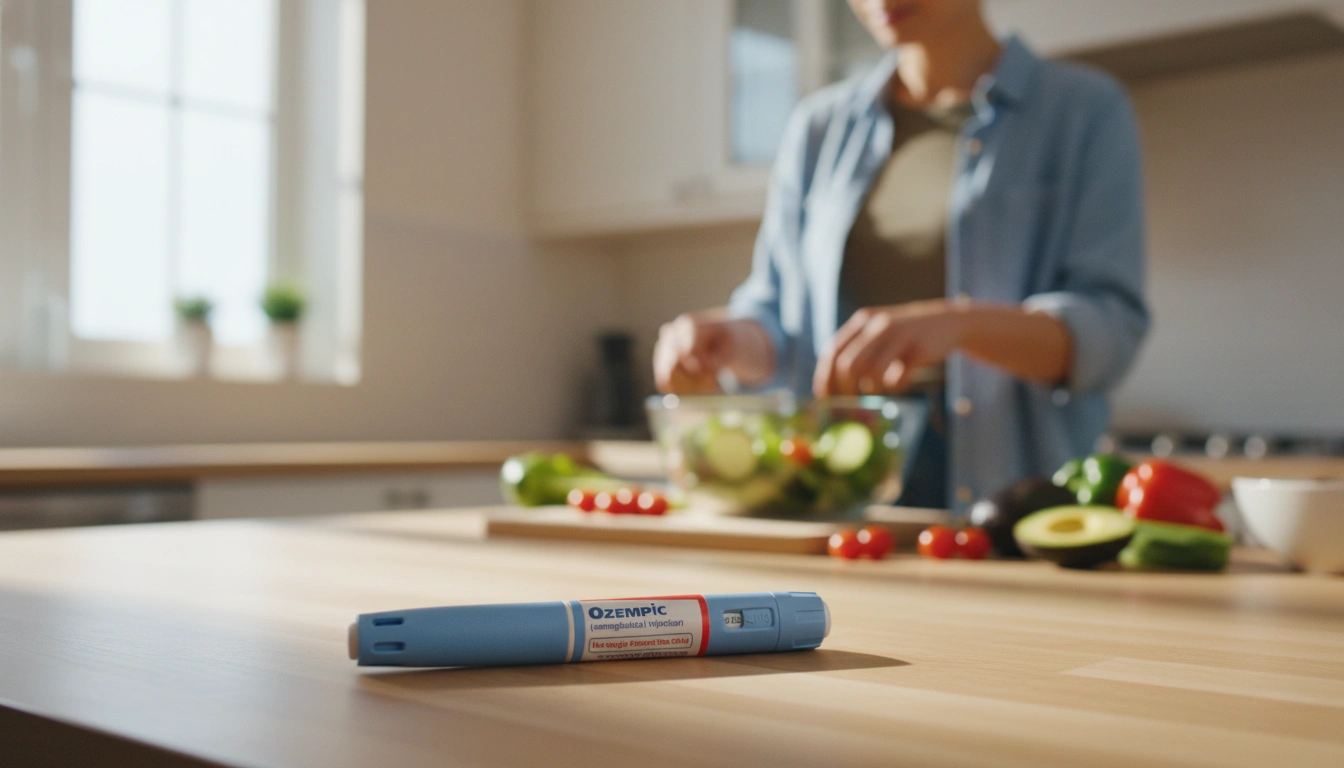
For millions, the persistent challenge of living with lipedema is a deeply personal and often frustrating journey. This chronic condition, characterized by the abnormal and painful accumulation of fat in specific body areas, primarily affects women, presenting unique hurdles that standard weight loss approaches frequently fail to overcome. It’s a condition that not only impacts physical appearance and mobility but also carries a significant emotional and psychological toll, leaving many searching for effective solutions that truly understand their distinct needs.
In recent years, a new class of medications known as GLP-1 receptor agonists, including popular options like Ozempic, has gained considerable attention for their remarkable efficacy in weight management and metabolic health improvement. This development has naturally led many within the lipedema community to ask a critical question: does Ozempic work for lipedema, and can these powerful medications offer a new avenue for relief?
This post aims to provide a clear, research-informed perspective on the potential role of GLP-1 medications in the context of lipedema. We will explore the fundamental differences between lipedema fat and conventional fat, delve into how GLP-1s function, and examine the indirect benefits they might offer individuals grappling with this complex condition. Our discussion will also address the current limitations of these medications for lipedema specifically, emphasizing why a comprehensive, personalized approach remains paramount. By the end of this guide, you will have a more robust understanding of whether and how GLP-1s can fit into a holistic strategy for managing lipedema, empowering you to make informed decisions about your health journey.
Understanding Lipedema: A Distinct Challenge
Lipedema is far more than just excess weight; it is a chronic, progressive medical condition recognized by the World Health Organization (ICD-11 EF.02.2). It primarily affects women, leading to a disproportionate and often painful accumulation of fat cells, typically in the legs, hips, and sometimes the arms. Unlike ordinary fat, lipedema fat is distinct in its structure and behavior, making it notoriously resistant to conventional weight loss methods like diet and exercise. This section will delve into the intricacies of lipedema, differentiating it from generalized obesity and outlining its profound impact on those who live with it.
What is Lipedema?
Lipedema manifests as a symmetrical enlargement of the limbs, usually sparing the feet and hands until very advanced stages. It’s characterized by a unique type of fat that is often tender or painful to the touch and can be accompanied by easy bruising, swelling, and a sensation of heaviness. While the exact cause remains elusive, strong evidence points to a significant genetic predisposition and hormonal influences, with symptoms often appearing or worsening during periods of significant hormonal change, such as puberty, pregnancy, or menopause.
For many, the onset of lipedema begins subtly, perhaps with a feeling of heaviness or discomfort in the legs. Over time, the condition progresses, and the characteristic fat accumulation becomes more pronounced, often described as having a “column-like” appearance in the legs. Without appropriate management, the condition can lead to significant pain, reduced mobility, and complications like secondary lymphedema.
Lipedema vs. Conventional Obesity
One of the most critical aspects of understanding lipedema is distinguishing it from conventional obesity. This distinction is vital for accurate diagnosis and effective treatment, yet lipedema is frequently misdiagnosed as generalized obesity, particularly in its earlier stages.
Here are key differences:
- Fat Structure and Distribution: Lipedema fat is often described as more fibrous and nodular, accumulating in specific patterns that create a disproportionate body shape. Unlike generalized obesity, where fat typically distributes across the entire body, lipedema fat selectively affects areas like the thighs, calves, and arms, often forming distinct cuffs above the ankles or wrists. The abdomen, head, and neck usually remain unaffected.
- Response to Diet and Exercise: This is perhaps the most frustrating aspect for individuals with lipedema. While conventional fat responds to caloric restriction and physical activity, lipedema fat is largely resistant. Even with rigorous dieting and exercise, individuals may lose weight from unaffected areas, but the lipedema-affected limbs often remain disproportionately large.
- Pain and Tenderness: A hallmark of lipedema is the presence of pain, tenderness, and easy bruising in the affected tissues, which is uncommon in uncomplicated obesity. The fat itself can be sensitive to pressure, touch, and even temperature changes.
- Progression: Lipedema is a progressive disease, meaning it tends to worsen over time without intervention. The fat deposits can harden, forming larger nodules, and fibrosis can occur, further complicating the tissue structure.
It’s important to note that while lipedema fat does not respond to conventional weight loss, individuals with lipedema can also develop secondary obesity. The pain and mobility issues associated with lipedema can make exercise difficult, and the emotional distress can sometimes lead to comfort eating, contributing to additional weight gain. This secondary obesity further complicates the condition, placing additional strain on the body and potentially exacerbating symptoms.
The Impact of Lipedema
The effects of lipedema extend far beyond physical appearance. The constant pain, heaviness, and swelling can severely impact an individual’s quality of life. Daily activities that many take for granted, such as walking, standing, or even finding clothes that fit, can become arduous. Mobility issues can restrict participation in social activities and lead to feelings of isolation.
Moreover, the psychological and emotional toll is immense. Misdiagnosis, a lack of understanding from healthcare providers, and the societal stigma associated with body weight can lead to frustration, anxiety, and depression. Many individuals with lipedema struggle with body image issues and a diminished sense of self-esteem due to the disfiguring nature of the condition. Addressing these multifaceted challenges requires a holistic and empathetic approach, recognizing the distinct nature of lipedema and its impact on the entire person.
The Rise of GLP-1 Medications: How Ozempic and Others Function
The medical landscape for weight management has undergone a significant transformation with the advent of GLP-1 receptor agonists. Medications such as Ozempic and others in this class have revolutionized how we approach obesity and type 2 diabetes, offering powerful tools for metabolic control and substantial weight loss. Understanding their mechanism of action is crucial for appreciating their potential role, even indirectly, in conditions like lipedema.
The Science Behind GLP-1 Receptor Agonists
GLP-1 receptor agonists are a class of medications that mimic the action of a natural hormone called glucagon-like peptide-1 (GLP-1), which is produced in the gut in response to food intake. This hormone plays several vital roles in the body’s metabolic regulation:
- Insulin Secretion: GLP-1 stimulates the pancreas to release insulin in a glucose-dependent manner. This means insulin is released only when blood sugar levels are high, helping to lower blood glucose effectively without causing excessively low blood sugar (hypoglycemia).
- Glucagon Suppression: It also suppresses the release of glucagon, another hormone produced by the pancreas that raises blood sugar. By reducing glucagon, GLP-1s help maintain stable blood glucose levels.
- Slowing Gastric Emptying: GLP-1 slows down the rate at which food leaves the stomach. This process contributes to a feeling of fullness and reduces the post-meal rise in blood sugar.
- Appetite Regulation and Satiety: GLP-1 acts on receptors in the brain, particularly in areas involved in appetite control. By signaling fullness and reducing hunger, these medications help individuals consume fewer calories, leading to reduced appetite and improved satiety.
The combined effect of these mechanisms is a powerful reduction in appetite, improved metabolic control, and significant weight loss in individuals with obesity or type 2 diabetes.
Types of GLP-1 Medications
Several GLP-1 receptor agonists are available, each with slightly different characteristics and indications:
- Semaglutide: This is the active ingredient in medications like Ozempic® and Wegovy®. Ozempic was initially approved for type 2 diabetes, while Wegovy, containing a higher dose of semaglutide, is FDA-approved for chronic weight management in individuals with obesity or overweight with at least one weight-related condition. Both work by mimicking GLP-1, leading to reduced hunger, improved blood sugar control, and significant weight loss.
- Tirzepatide: Marketed as Mounjaro® for type 2 diabetes and Zepbound® for chronic weight management, tirzepatide is a unique medication. It is a dual GIP (glucose-dependent insulinotropic polypeptide) and GLP-1 receptor agonist. By activating both GIP and GLP-1 receptors, tirzepatide offers an even more pronounced effect on blood sugar regulation and weight loss compared to single-receptor agonists.
At TrimRx, our journey began with a shared vision to help individuals embrace healthier lifestyles by merging cutting-edge telehealth innovations with effective weight loss solutions. Our platform offers a user-friendly and supportive space where individuals can receive personalized, medically supervised care, all designed to make sustainable weight loss attainable and tailored to the individual. We believe that sustainable weight loss should be achieved through science, empathy, and a transparent approach.
For those who qualify after completing our free assessment quiz, our personalized weight loss programs may include access to these and other prescription GLP-1 medications, such as Compounded Semaglutide, Oral Semaglutide, Compounded Tirzepatide, and Oral Tirzepatide. We ensure our medications are provided through FDA-registered, inspected, and approved pharmacies, prioritizing your safety and well-being every step of the way.
Exploring the Potential: Does Ozempic Work for Lipedema?
The question of whether Ozempic works for lipedema is a critical one for many, driven by the medication’s proven track record in weight management. While GLP-1 medications do not directly target the unique fat cells of lipedema, emerging observations and clinical insights suggest they may offer significant indirect benefits, particularly in managing associated conditions and improving overall well-being. This section will explore these potential avenues of relief and how they can integrate into a broader management strategy.
Indirect Benefits: Weight Management in Lipedema
Many individuals with lipedema also contend with conventional obesity, often referred to as secondary obesity. This co-occurrence is frequently a consequence of the lipedema itself, as pain and mobility limitations can make regular exercise challenging, and the emotional distress may lead to increased caloric intake. It is in this context that GLP-1 medications, including Ozempic, show significant promise.
- Addressing Secondary Obesity: While lipedema fat is resistant to diet and exercise, the general body fat that accumulates due to secondary obesity does respond to traditional weight loss methods and, crucially, to GLP-1 medications. By significantly reducing overall body weight, these medications can alleviate some of the pressure and discomfort in the affected limbs that is attributable to non-lipedema fat. This general weight reduction can lessen the mechanical strain on joints, improve cardiovascular health, and reduce the overall burden on the body.
- Improving Mobility: A reduction in overall body weight can translate to improved mobility and a higher quality of life. For an individual whose movement is restricted by both lipedema fat and conventional excess weight, shedding the latter can make daily activities easier, encourage more physical activity, and enhance overall functional capacity. This improved mobility, though not directly shrinking lipedema fat, can profoundly impact an individual’s ability to manage their condition more effectively.
Mitigating Inflammation
Lipedema is not solely a cosmetic or fat distribution disorder; it is a painful condition frequently accompanied by chronic inflammation within the adipose tissue and the surrounding areas. This inflammation contributes to the pain, swelling, and tissue changes characteristic of the condition. Research suggests that GLP-1 receptor agonists possess anti-inflammatory properties, offering another potential indirect benefit for individuals with lipedema.
- Systemic Inflammation Reduction: GLP-1 medications have been observed to reduce systemic inflammation markers. While this effect is not specific to lipedema tissue, a decrease in overall body inflammation could potentially alleviate some of the pain and discomfort experienced by individuals with lipedema. Improved insulin sensitivity, another effect of GLP-1s, is also linked to reduced systemic inflammation, further contributing to potential symptom relief.
- Adipose Tissue Health: While GLP-1s do not directly target lipedema fat, managing associated metabolic dysfunction and reducing inflammation in general adipose tissue could contribute to a healthier overall physiological environment. This might, in turn, reduce the progression of some lipedema symptoms or improve the response to other lipedema-specific therapies.
Supporting Surgical Outcomes
For many individuals with lipedema, specialized liposuction remains the most effective long-term solution for removing diseased fat and improving body proportionality. GLP-1 medications can play a supportive role in this pathway.
- Pre-Surgical Optimization: Achieving a healthy weight and improving metabolic control before surgery can significantly enhance surgical outcomes and recovery. For patients undergoing liposuction for lipedema, the general weight loss facilitated by GLP-1s can improve anesthetic safety, reduce surgical risks, and potentially lead to better aesthetic results and a smoother post-operative recovery. This preparatory phase is a critical component of a comprehensive treatment plan, aiming for the best possible patient outcomes.
Patient Observations and Clinical Insights
While large-scale clinical trials specifically investigating GLP-1 medications for lipedema are still needed, anecdotal evidence and observations from clinicians and patients offer encouraging insights. Healthcare providers, including leading lipedema specialists, have reported that patients using GLP-1s for associated obesity or type 2 diabetes have experienced improvements beyond just general weight loss. These include a decrease in the size of non-lipedema fat deposits, reduced leg heaviness, decreased inflammation, and better overall mobility. Some patients also report improvements in related health habits, suggesting a holistic positive impact on their well-being. These real-world observations, while not definitive scientific proof for lipedema, highlight the potential of GLP-1s as a valuable tool within a personalized, medically supervised management plan.
At TrimRx, our commitment is to provide compassionate care that respects every individual’s unique journey. We combine advanced medical science with modern technology to deliver results-oriented, personalized solutions. Our programs are designed to support you comprehensively, from initial doctor consultations and necessary lab work to medication, unlimited support, and convenient shipping, all with no hidden fees. We partner exclusively with FDA-registered and inspected pharmacies to ensure the highest safety standards for your prescribed weight loss medications.
The Nuances and Limitations: What GLP-1s Don’t Do for Lipedema
While the potential indirect benefits of GLP-1 medications for individuals with lipedema are promising, it is crucial to maintain a balanced perspective and understand their limitations. These medications, while powerful, are not a standalone cure for lipedema and do not directly address the core pathology of the condition.
Not a Direct Cure or Lipedema Fat Remover
The most important distinction to make is that GLP-1 medications, including Ozempic, do not directly “cure” lipedema, nor do they specifically target and remove lipedema fat. As discussed, lipedema fat is fundamentally different from conventional adipose tissue. It is genetically and hormonally influenced, often fibrotic, and highly resistant to diet and exercise.
- Resistance of Lipedema Fat: The weight loss achieved with GLP-1s is primarily through appetite suppression and metabolic regulation, leading to a reduction in overall body fat (i.e., conventional fat). Even when individuals experience significant weight loss, the disproportionate lipedema fat deposits in the legs and arms often remain largely unchanged. This means that while the patient’s overall body mass index (BMI) may decrease, the characteristic disproportionality of lipedema is unlikely to be resolved by these medications alone.
- Symptom Management vs. Disease Modification: Therefore, it is more accurate to view GLP-1s as a tool for managing associated symptoms and conditions (like secondary obesity and systemic inflammation) rather than a disease-modifying therapy for lipedema itself. They can improve aspects of health that indirectly impact lipedema, but they do not address the root cause or eliminate the specialized fat.
Limited Specific Research
Despite the growing interest and anecdotal reports, there is a significant lack of large-scale, dedicated clinical trials specifically investigating the efficacy of GLP-1 medications in treating lipedema. Most of the extensive research on Ozempic and similar drugs has focused on their primary indications: type 2 diabetes and general chronic weight management in individuals with obesity.
- Broader Research Focus: While conferences and expert discussions highlight patient observations, these are not substitutes for rigorous, controlled studies. Without such research, it is challenging to definitively quantify the direct impact of GLP-1s on lipedema symptoms, progression, or fat volume. The current understanding is largely inferred from their known effects on metabolism, inflammation, and general fat reduction, which may secondarily benefit individuals with lipedema.
- Need for Further Studies: The scientific community recognizes the need for more targeted research to understand if and how GLP-1s could offer specific benefits for lipedema, including investigating their effects on the unique pathological features of lipedema tissue. Until then, any use of these medications in the context of lipedema is typically off-label and based on expert clinical judgment regarding the management of co-existing conditions.
Potential Side Effects
As with any medication, GLP-1 receptor agonists come with a profile of potential side effects that must be carefully considered. While generally well-tolerated, some individuals may experience various discomforts.
- Common Side Effects: The most common side effects are gastrointestinal in nature and can include nausea, vomiting, diarrhea, and constipation. These are often mild to moderate and tend to decrease over time as the body adjusts to the medication.
- Other Considerations: Some individuals may experience muscle loss alongside fat loss, which can be a concern, especially if not mitigated by adequate protein intake and resistance exercise. Less common but more serious side effects can also occur, which is why medical supervision is paramount.
- Importance of Medical Supervision: It is absolutely critical for individuals considering Ozempic or any GLP-1 medication for lipedema to consult with a qualified healthcare provider. This consultation should preferably be with a specialist familiar with both lipedema and GLP-1 therapies, to weigh the potential benefits against the risks, monitor for side effects, and ensure the medication is appropriate for their specific health profile. Our commitment to transparent service means our approach remains consistent regardless of dosage changes, and your safety is always our top priority.
Understanding these limitations ensures that expectations are realistic and that GLP-1 medications are viewed as one component within a broader, integrated treatment strategy for lipedema, rather than a standalone cure.
A Holistic and Personalized Approach to Lipedema Management
Successfully managing lipedema demands a comprehensive, multidisciplinary strategy that addresses its varied symptoms and unique challenges. While GLP-1 medications like Ozempic can offer valuable support, they are most effective when integrated into a broader plan that encompasses various therapeutic modalities. This section highlights the multifaceted nature of lipedema care and how TrimRx aligns with a personalized, science-backed approach.
The Multifaceted Nature of Lipedema Care
Lipedema care extends beyond pharmaceutical interventions. A robust management plan typically incorporates several key components:
- Conservative Therapies: These are often the first line of defense and include:
- Compression Therapy: Wearing compression garments is crucial for managing swelling, pain, and preventing the progression of lipedema. It helps support the affected tissues and improve lymphatic flow.
- Manual Lymphatic Drainage (MLD): A specialized massage technique that helps reduce fluid buildup and swelling, particularly important if secondary lymphedema is present.
- Specialized Nutrition and Exercise: While lipedema fat doesn’t respond to conventional diet and exercise, a healthy, anti-inflammatory diet can help manage overall weight (especially secondary obesity), reduce inflammation, and support metabolic health. Adapted exercise routines that focus on lymphatic flow and joint health are also beneficial.
- Surgical Interventions: For many, specialized liposuction, often referred to as lymph-sparing liposuction, is considered the gold standard for directly removing the diseased lipedema fat. This procedure can significantly reduce pain, improve mobility, and restore a more proportionate body shape. It is a highly specialized surgery that requires a surgeon with specific expertise in lipedema.
- Psychological Support: Given the significant emotional and psychological impact of lipedema, counseling, support groups, and mental health resources are vital components of a holistic care plan.
The Role of GLP-1s as an Adjunct
When it comes to the question, “does Ozempic work for lipedema?”, the answer leans towards its role as a powerful adjunctive therapy. GLP-1 medications are best utilized as a tool to complement these other therapies, particularly for:
- Managing Secondary Obesity: Reducing conventional body fat can ease the burden on affected limbs, improve mobility, and reduce overall systemic inflammation.
- Improving Metabolic Health: For individuals with insulin resistance or pre-diabetes, GLP-1s can stabilize blood sugar levels and enhance metabolic function, contributing to better overall health.
- Optimizing for Surgery: Achieving a healthier weight and metabolic state before liposuction can lead to safer procedures and better recovery outcomes.
At TrimRx, our journey began with a shared vision to help individuals embrace healthier lifestyles by merging cutting-edge telehealth innovations with effective weight loss solutions. Our platform is a user-friendly and supportive space where individuals receive personalized, medically supervised care, all designed to make sustainable weight loss attainable and tailored to the individual. We believe that sustainable weight loss should be achieved through science, empathy, and a transparent approach, especially for those managing complex conditions like lipedema.
Our Commitment to Your Journey
Our brand is built on being empathetic, innovative, trustworthy, supportive, results-oriented, and personalized. We offer compassionate care that respects every individual’s unique journey by combining advanced medical science with modern technology. We are committed to transparent service, ensuring our approach remains consistent, and our focus on safety is paramount. We work exclusively with FDA-registered and inspected pharmacies for the shipping of weight loss medications, giving you peace of mind.
Our comprehensive service includes doctor consultations, necessary lab work, medication, unlimited support from our team, and shipping – all without any hidden fees. We understand that every individual’s path to wellness is unique, and our programs are designed to adapt to your specific needs, even when navigating conditions that affect weight and health in complex ways.
For those looking for immediate support, our quick-access supplements can complement your overall wellness journey. You can explore our GLP-1 Daily Support to aid in metabolic health and our Weight Loss Boost for additional support. These are available without requiring a quiz, offering a convenient way to enhance your health regimen.
Navigating Your Options with TrimRx
Embarking on a weight management journey, especially when living with a condition like lipedema, requires careful consideration and a truly personalized approach. At TrimRx, we are dedicated to providing safe, effective, and individualized care, helping you explore solutions that align with your specific health needs and goals.
Personalized Assessment for Prescription Solutions
Understanding your unique physiology and health history is the cornerstone of effective weight loss. For individuals seeking prescription weight loss medications, we offer a comprehensive, medically supervised pathway. This begins with our free assessment quiz, designed to evaluate your eligibility and gather essential information to craft a personalized treatment plan.
Our programs, tailored to your needs, may include various prescription GLP-1 medications, such as:
- Compounded Semaglutide
- Oral Semaglutide
- Ozempic® (semaglutide, FDA-approved for Type 2 Diabetes, often used off-label for weight management)
- Compounded Tirzepatide
- Oral Tirzepatide
- Mounjaro® (tirzepatide, FDA-approved for Type 2 Diabetes)
- Zepbound® (tirzepatide, FDA-approved for chronic weight management)
- Wegovy® (semaglutide, FDA-approved for chronic weight management)
It is important to clarify that while branded medications like Ozempic®, Zepbound®, Mounjaro®, and Wegovy® are FDA-approved, compounded medications are prepared by FDA-registered and inspected pharmacies and are not individually FDA-approved. Regardless of the medication prescribed, our commitment to your safety means we partner exclusively with FDA-registered and inspected pharmacies for all medication shipping. Our comprehensive service ensures you receive doctor consultations, necessary lab work, medication, unlimited support, and shipping, all with complete transparency and no hidden fees. Take our free assessment quiz today to see if a personalized prescription plan is right for you.
Immediate Support Supplements
For those looking for immediate support to complement their weight management and overall wellness journey, we offer a selection of high-quality, quick-access supplements. These do not require a prescription or quiz and are available for direct purchase:
- GLP-1 Daily Support: Designed to support healthy metabolic function and provide foundational wellness support. Learn more and purchase our GLP-1 Daily Support.
- Weight Loss Boost: Formulated to offer additional support for your weight loss efforts, complementing a healthy lifestyle. Discover the benefits and purchase our Weight Loss Boost.
These supplements are crafted to empower you with tools that fit seamlessly into your daily routine, providing accessible options as you navigate your unique health path. At TrimRx, we stand by you, offering innovative solutions and unwavering support for every step of your weight loss journey.
Conclusion: A Path Forward with Informed Choices
The question, “does Ozempic work for lipedema?”, unveils a complex interplay between a challenging chronic condition and groundbreaking advancements in medical weight management. We’ve explored how lipedema, with its distinct fat and resistant nature, stands apart from conventional obesity, presenting unique hurdles for those affected. While GLP-1 medications like Ozempic do not offer a direct cure or specifically target lipedema fat, their powerful ability to manage overall weight and reduce systemic inflammation positions them as a valuable, indirect tool within a comprehensive care plan.
The insights from patient reports and clinical observations are encouraging, highlighting potential benefits such as improved mobility and reduced discomfort, particularly when addressing secondary obesity often associated with lipedema. However, it’s crucial to acknowledge the current limitations, including the lack of extensive, specific research on GLP-1s for lipedema and the understanding that these medications address symptoms and co-existing conditions, not the underlying pathology of lipedema fat itself.
At TrimRx, our unwavering commitment is to empower individuals with safe, effective, and personalized weight loss solutions. We believe in a holistic approach, recognizing that managing conditions like lipedema requires a carefully considered, multidisciplinary strategy. Our medically supervised programs, featuring prescription GLP-1s such as Ozempic®, Wegovy®, and Zepbound®, are designed to integrate seamlessly into such a plan, providing essential support for overall health and weight management. Our dedication to science, empathy, and transparency ensures that you receive compassionate care every step of the way, supported by FDA-registered and inspected pharmacies.
We encourage you to engage with your healthcare provider to discuss how GLP-1 medications might fit into your personalized lipedema management strategy. To discover if a prescription weight loss program is suitable for you, we invite you to take our free assessment quiz. For immediate support, explore our GLP-1 Daily Support and Weight Loss Boost supplements. Your journey toward improved health and well-being is unique, and with informed choices and dedicated support, significant improvements are truly possible.
Frequently Asked Questions
Can Ozempic cure lipedema?
No, Ozempic (semaglutide) and other GLP-1 medications cannot cure lipedema. Lipedema is a chronic condition characterized by a specific type of fat that is resistant to traditional weight loss methods. While Ozempic can lead to significant overall weight loss and reduce systemic inflammation, it does not directly target or remove lipedema fat. It can, however, be a valuable adjunctive tool for managing secondary obesity and related metabolic issues that often co-exist with lipedema.
Are GLP-1 medications safe for individuals with lipedema?
GLP-1 medications, when prescribed and supervised by a qualified healthcare provider, are generally considered safe for individuals who meet the medical criteria. For individuals with lipedema, particularly those with co-existing obesity or metabolic dysfunction, GLP-1s can offer significant benefits. However, as with any medication, there are potential side effects, such as gastrointestinal upset or muscle loss, that need to be monitored. A thorough consultation with a healthcare professional, ideally one familiar with both GLP-1 therapies and lipedema, is essential to determine if these medications are appropriate for your specific health profile and to ensure safe usage. At TrimRx, we prioritize your safety by working with FDA-registered and inspected pharmacies.
How does TrimRx approach weight loss for individuals also managing conditions like lipedema?
At TrimRx, we believe in a personalized, medically supervised, and comprehensive approach to weight loss. For individuals managing conditions like lipedema, our programs are designed to complement their overall care plan. We begin with a free assessment quiz to understand individual needs and eligibility for prescription medications like Ozempic, Wegovy, or Zepbound. Our service includes doctor consultations, necessary lab work, medication from FDA-registered and inspected pharmacies, unlimited support, and shipping, all with transparency. We focus on science-backed solutions and compassionate care, recognizing that while we don’t treat lipedema directly, managing overall weight and metabolic health can significantly improve an individual’s quality of life.
What other treatments are typically recommended for lipedema?
Managing lipedema typically requires a multifaceted approach. Traditional conservative treatments include compression therapy (garments or bandages), manual lymphatic drainage (MLD), and specialized exercise programs adapted for lymphatic health. A healthy, anti-inflammatory diet is also often recommended to manage overall weight and reduce systemic inflammation. For direct removal of diseased lipedema fat, specialized liposuction (lymph-sparing liposuction) is often considered the gold standard surgical intervention. Additionally, psychological support is crucial due to the emotional impact of the condition. GLP-1 medications may serve as an effective adjunct to these established therapies, particularly for managing secondary obesity and improving metabolic health.

Transforming Lives, One Step at a Time
Keep reading
Ozempic for Men: What’s Different
Men and women lose weight differently. That’s not a controversial statement; it’s biology. Hormonal profiles, fat distribution patterns, muscle mass, and metabolic rates all…

Ozempic vs Surgery: Comparing Weight Loss Options
Weight loss surgery has been the gold standard for severe obesity for decades. Then GLP-1 medications like Ozempic arrived, and the conversation shifted. Now…

Metformin vs Ozempic for Weight Loss
Metformin has been a cornerstone of diabetes treatment for decades, and it’s often the first medication providers reach for when weight loss is part…


