Does Ozempic Work If You Already Don’t Eat Much?
Introduction
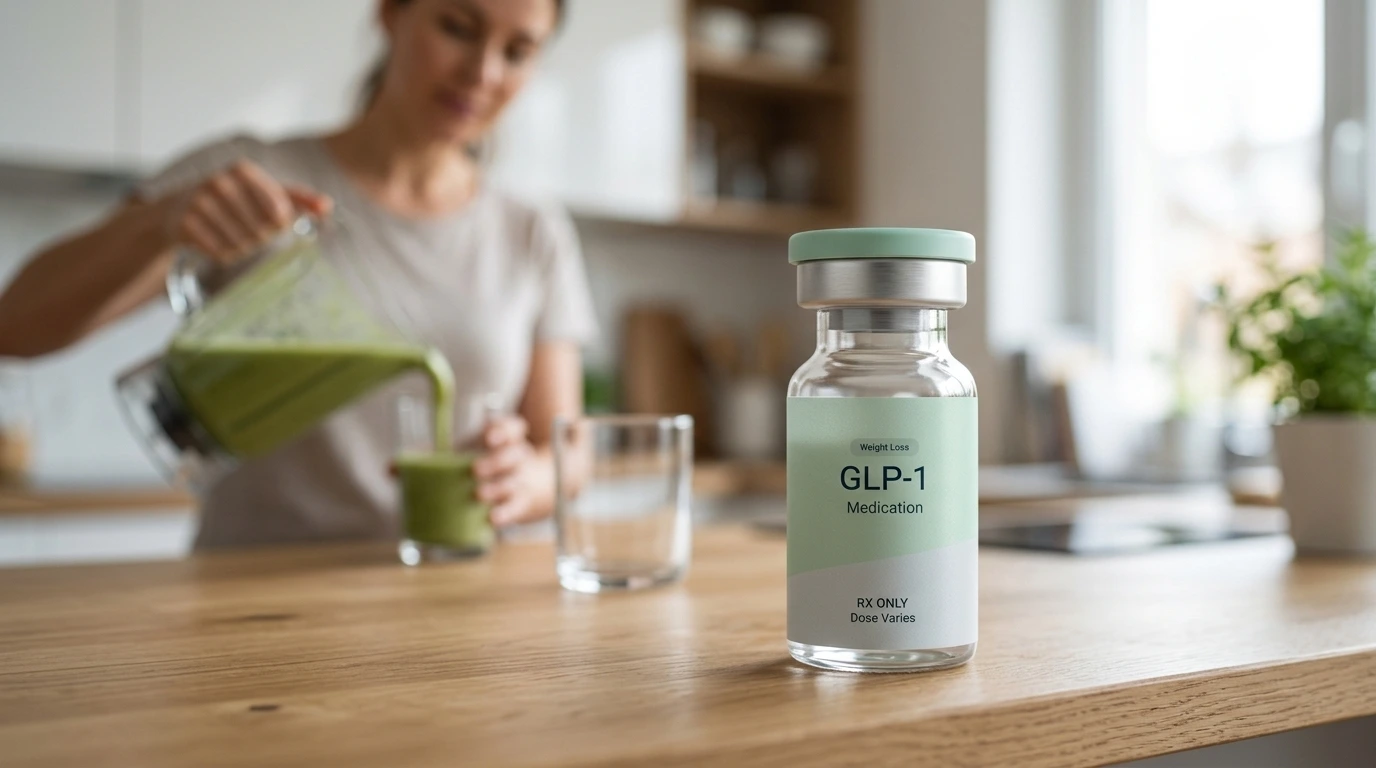
It is a common source of frustration: you feel like you are doing everything right, keeping your portions small and avoiding overindulgence, yet the scale refuses to budge. When you hear about medications like Ozempic®, which are famous for suppressing appetite, you might naturally wonder if they have anything to offer someone who already has a limited intake. If you aren’t “overeating” in the traditional sense, can a GLP-1 medication still help you reach your goals? At TrimRx, we understand that weight management is rarely as simple as “calories in versus calories out.” Metabolic health is a complex internal balancing act involving hormones, genetics, and insulin sensitivity. This article explores how these medications function beyond just making you feel full and why they can be effective even for those who feel they already eat very little. Weight loss is a hormonal process, and addressing the underlying metabolic signals is often the key to breaking through a long-standing plateau.
If you are considering prescription treatment, you can complete a free eligibility assessment to discuss whether a personalized program may be appropriate for you.
The Science Beyond Appetite Suppression
To understand if these treatments will work for you, it is essential to understand what they actually do inside the body. Ozempic® and its sister medication Wegovy® use an active ingredient called semaglutide. Semaglutide is a GLP-1 receptor agonist, which is a medication that mimics a natural hormone in your body called glucagon-like peptide-1.
While many people focus on the fact that GLP-1s slow down stomach emptying—which physically keeps you full longer—that is only one part of the story. These medications also interact with the brain and the pancreas to manage how your body processes energy. For a broader explanation, read about how GLP-1 medications work.
Improving Insulin Sensitivity
Many individuals who struggle to lose weight despite a low food intake are dealing with some level of insulin resistance. Insulin is the hormone responsible for ushering sugar (glucose) from your bloodstream into your cells to be used as energy. When you are insulin resistant, your cells stop responding efficiently to insulin. As a result, your body pumps out even more insulin to compensate.
High levels of insulin act as a “fat storage signal” to the body. Even if you are eating a small number of calories, if your insulin levels remain chronically high, your body may prioritize storing those calories as fat rather than burning them for fuel. GLP-1 medications help the pancreas release the right amount of insulin at the right time and improve how your cells respond to it. This shift can help “unlock” fat stores, allowing your body to finally use stored energy for fuel.
Regulating Glucagon
Glucagon is another hormone that works opposite to insulin; it tells your liver to release stored sugar into the blood. In many people with metabolic struggles, glucagon levels stay too high, keeping blood sugar elevated and making weight loss difficult. Semaglutide helps suppress excess glucagon secretion. By balancing the relationship between insulin and glucagon, the medication creates a more favorable internal environment for weight loss, regardless of the volume of food consumed.
Key Takeaway: Weight loss is not just about the volume of food; it is about how your body signals the use of that food. For those with metabolic dysfunction, GLP-1 medications act as a “hormonal thermostat,” resetting the body’s ability to access and burn stored fat.
Why the Scale Stalls Even When Eating Little
If you have been dieting for a long time or have a history of restricted eating, your body may have entered a state of metabolic adaptation, often called “starvation mode.” This is an evolutionary survival mechanism. When the body senses a prolonged shortage of calories, it slows down the basal metabolic rate—the calories you burn just staying alive—to conserve energy.
Metabolic adaptation makes the body incredibly efficient at holding onto every calorie. You might feel tired, cold, or sluggish because your body is “turning down the lights” to save power. Because GLP-1 medications improve metabolic efficiency and hormonal signaling, they can sometimes help bypass this protective stall, helping the body recognize that it is safe to burn stored fat.
The Role of GIP and GLP-1
While medications like Ozempic® focus on the GLP-1 pathway, others like Mounjaro® and Zepbound® (tirzepatide) target a second hormone: GIP (glucose-dependent insulinotropic polypeptide). Research suggests that targeting both pathways may lead to even more significant weight loss results for some individuals. The GIP component is thought to further improve how the body breaks down fat and manages energy. For someone who already has a low intake, this dual-action approach can be a powerful way to address deep-seated insulin resistance.
For more context, compare semaglutide and tirzepatide with a licensed provider.
Bottom line: If you are already in a true, measured calorie deficit and still not losing weight, the issue is likely metabolic rather than behavioral. GLP-1 and GIP medications address the hormonal barriers that prevent fat burning.
Addressing the Perception of Food Intake
It is important to address the physiological reality of a low-calorie diet. Many people who feel they do not eat much are actually experiencing specific scenarios that can be addressed by a personalized program.
The Impact of Food Noise
Even if your physical portions are small, you may be dealing with “food noise”—the constant, intrusive thoughts about food, cravings, or the next meal. This mental burden often leads to “grazing,” where small, high-calorie bites are consumed throughout the day. These bites may not feel like a “meal,” leading to the perception of not eating much, but they can keep insulin levels spiked and halt weight loss. One of the most significant benefits reported by patients on semaglutide is the near-total elimination of this food noise, allowing for more intentional eating.
Hidden Calorie Density
Sometimes, the volume of food is low, but the calorie density is high. Foods high in processed fats and sugars can pack a significant caloric punch in a very small physical package. Because GLP-1 medications slow gastric emptying, they change the way you feel after eating these foods. Many patients find that they naturally gravitate away from calorie-dense foods because those foods no longer provide the same “reward” signal in the brain, or they cause mild discomfort when the stomach is processing them more slowly.
If you want help sorting through these factors, you can start the assessment process and provide information about your eating patterns and goals.
Personalized Care with TrimRx
At TrimRx, we believe that professional healthcare should be accessible and tailored to your specific hormonal profile. The “one-size-fits-all” approach to weight loss has failed many people because it ignores individual metabolic health. We connect you with licensed providers who understand that your journey is unique.
The Telehealth Process
Our platform simplifies the path to medical weight loss. By moving the process online, we offer a more consistent and private experience. You have access to your medical team without the need for in-person waiting rooms or uncomfortable conversations.
Step 1: The Assessment
The process begins with a free online assessment quiz. This helps us understand your health history, your current challenges, and your weight loss goals. This information is vital for the licensed healthcare providers we partner with to determine if a GLP-1 medication is appropriate for you.
Step 2: Provider Consultation
If you are eligible, you will be connected with a licensed provider who can review your profile and, if appropriate, write a prescription. This is the time to discuss your concerns about already having a low food intake.
Step 3: Medication Delivery
Once prescribed, your medication is prepared by an FDA-registered, inspected compounding pharmacy. We offer Compounded Semaglutide and Compounded Tirzepatide, which are shipped directly to your door.
Step 4: Ongoing Support
Weight loss is a journey, not a single event. Our program includes 24/7 access to specialists and unlimited support. We are here to help you manage side effects, adjust your plan as your body changes, and ensure you are losing weight in a healthy, sustainable way.
Note: Compounded medications are not FDA-approved. They are prepared by licensed pharmacies to meet specific patient needs or address shortages of branded medications.
The Importance of Nutrient Quality
When you are taking a medication that reduces your appetite, and you already don’t eat much, what you do eat becomes much more important. This is a critical pillar of a successful weight loss strategy. If your intake is very low, you run the risk of losing muscle mass along with fat.
Why Protein is Non-Negotiable
To protect your muscle mass while on a GLP-1 medication, you must prioritize protein. Muscle is metabolically active tissue; the more muscle you have, the higher your metabolic rate. If you lose muscle because you aren’t eating enough protein, your metabolism will slow down even further, making it harder to maintain your weight loss in the long run. Even if you only have a few small meals a day, ensuring those meals are rich in lean protein—like chicken, fish, tofu, or Greek yogurt—helps signal to your body that it should keep its muscle and burn its fat.
For additional reading, explore how skeletal muscle supports metabolic health.
Micronutrient Support
Because your total volume of food may decrease, it can be harder to get all the vitamins and minerals your body needs to function optimally. This is why many people use high-quality supplements to bridge the gap. Our GLP-1 Daily Support supplement is designed to provide the essential nutrients that can sometimes be missing when your appetite is significantly reduced.
Bottom line: Focus on nutrient density rather than just calorie counting. High protein and proper supplementation ensure that weight loss comes from fat stores, not vital muscle tissue.
Managing Potential Side Effects
Even if you don’t eat much, you may still experience side effects as your body adjusts to the medication. Common issues include nausea, reflux, or changes in bowel habits. These side effects are often related to the way the medication interacts with your digestive system.
For a broader overview, read about common GLP-1 side effects.
- Nausea: This often happens because the stomach is emptying more slowly. Eating very small, frequent meals rather than three larger ones can help.
- Reflux: Avoiding spicy or very greasy foods, especially in the evening, can reduce the “back-up” feeling in the esophagus.
- Fatigue: Often, “Ozempic fatigue” is actually a sign of not eating enough total calories or protein. Focusing on nutrient density can help keep your energy levels up.
If side effects become bothersome, it is important to consult your licensed healthcare provider. Sometimes a simple change in the timing of your dose or a slight adjustment in your diet can make a world of difference.
Myth vs. Fact: GLP-1s and Low Eaters
Myth: If I already eat 1,200 calories and don’t lose weight, Ozempic® won’t work because there are no more calories to cut. Fact: Ozempic® works on your hormonal response to those 1,200 calories. It helps lower insulin resistance and glucagon levels, which can trigger your body to start burning fat that was previously “locked away.”
Myth: GLP-1 medications are only for people who struggle with binge eating or large portions. Fact: While they are very effective for those issues, these medications are primarily metabolic regulators. They are just as useful for individuals with “stubborn” metabolisms who have hit a physiological plateau.
Why Weight Loss Might Stall (Even with Medication)
If you start a medication and still don’t see results, it is rarely because you “don’t eat enough.” Instead, it is usually due to one of several clinical or lifestyle factors that a provider can help you navigate.
- Under-Dosage: Most GLP-1 programs start with a low “induction” dose to let your body adjust. You may not see significant weight loss until you reach the higher therapeutic doses.
- Inadequate Hydration: These medications can change your thirst signals. Dehydration can slow down your metabolism and lead to increased side effects like constipation or fatigue.
- Lack of Sleep: Chronic sleep deprivation raises cortisol levels. Cortisol is a stress hormone that encourages the body to store fat, particularly around the midsection, and can counteract the benefits of weight loss medication.
- Medication Interference: Certain drugs, such as beta-blockers or some antidepressants, can make weight loss more difficult. It is vital to discuss your full medication list with a provider during your consultation.
For more perspective, read what to consider when weight loss stalls on a GLP-1.
Key Takeaway: If the scale isn’t moving, it is often a sign that your dosage needs adjustment or that other lifestyle factors like sleep and protein intake need to be optimized.
Understanding Branded vs. Compounded Medications
You have likely heard the names Ozempic®, Wegovy®, Mounjaro®, and Zepbound®. These are branded medications that have received FDA approval for specific uses, such as treating type 2 diabetes or chronic weight management. However, these branded products are not what is directly shipped through our platform.
Instead, TrimRx connects patients with pharmacies that create compounded versions of these medications. Compounded medications are custom-made by a pharmacist to meet the specific needs of a patient or to address shortages of branded drugs. It is important to remember that while the pharmacies are regulated and the active ingredients (semaglutide or tirzepatide) are well-studied, the compounded versions themselves are not FDA-approved.
You can also review compounded GLP-1 side effects before discussing treatment options with a licensed provider.
Taking the Next Step
If you are frustrated by a lack of progress despite your best efforts, the first step is to stop guessing and start getting professional guidance. Medical weight loss is about more than just willpower; it is about providing your body with the hormonal support it needs to function correctly.
Our mission at TrimRx is to help you embrace a healthier lifestyle through science, empathy, and a transparent, personalized approach to sustainable weight loss. We merge clinical expertise with modern technology to deliver a program that fits into your life without the need for in-person visits.
Action Steps to Consider:
- Complete the free online assessment quiz to check your eligibility.
- Prioritize protein intake to protect your lean muscle mass.
- Focus on hydration to support your metabolism and minimize side effects.
- Consult with a licensed provider to discuss a personalized metabolic plan.
Conclusion
Does Ozempic® work if you already don’t eat much? The answer is yes, because weight loss is a hormonal process, not just a mathematical one. By improving insulin sensitivity, slowing digestion, and quieting the mental noise around food, GLP-1 medications help your body function the way it was designed to. You don’t have to navigate this alone or feel that your “stubborn” metabolism is a personal failure. We are here to provide the tools, the team, and the science-backed support you need to finally see the results you’ve been working so hard for.
“Weight management is about correcting the internal signals that tell your body to store fat. When those signals are balanced, sustainable progress becomes possible.”
To see if a personalized program is right for you, we invite you to begin with the initial assessment.
FAQ
Can I take Ozempic® if I have a low appetite naturally?
Yes, but it must be done under the supervision of a licensed healthcare provider. If your appetite is already low, the goal of the medication may be more focused on correcting insulin resistance and metabolic dysfunction rather than further reducing your food intake. Your provider will help ensure you are still getting enough nutrients to remain healthy and maintain muscle mass.
Why am I not losing weight on semaglutide if I’m barely eating?
If you are barely eating and not losing weight, your body may be in a state of metabolic adaptation where it has slowed down to conserve energy. Alternatively, you may not yet be on a high enough therapeutic dose of the medication to see results. It is also important to ensure you are prioritizing protein, as losing muscle mass can further lower your metabolic rate.
Do I need to exercise if I’m on a GLP-1 medication?
While the medication can drive weight loss through hormonal changes, exercise is highly recommended for long-term health. Specifically, resistance training or weight lifting is vital to help maintain your muscle mass while you lose fat. This ensures that your metabolism stays strong and helps you maintain your weight loss after you reach your goal. You can read more about muscle preservation during GLP-1 weight loss as you consider your routine.
Is tirzepatide better than semaglutide for people with slow metabolisms?
Both medications are highly effective, but tirzepatide targets two hormones (GLP-1 and GIP) instead of just one. Some clinical studies suggest that this dual-action approach can lead to more significant weight loss for certain individuals. However, the best medication for you depends on your individual health profile, medical history, and how your body responds to the treatment. A semaglutide and tirzepatide comparison can help you prepare for that conversation.
TrimRx does not practice medicine or prescribe medications. Compounded medications are not FDA-approved and are not evaluated by the FDA for safety or efficacy. Results vary by individual and are not guaranteed.
Disclaimer: This content is for informational purposes only and does not constitute medical advice. It is not intended to diagnose, treat, cure, or prevent any disease or condition. Individual results may vary. Always consult a qualified healthcare professional before starting any weight loss program or medication.

Transforming Lives, One Step at a Time
Keep reading
Is It Normal for Nausea to Come Back on Ozempic?
Many people on Ozempic or another GLP-1 have a rough first few weeks, then settle in and feel much better. So it can be…

Is It Normal to Not Feel Anything After Taking Ozempic?
You have heard stories about people losing interest in food overnight or feeling queasy after their first dose. Then you take your own first…

Is It Normal to Have Dark Urine on Ozempic?
Noticing that your urine is darker than usual can be worrying. On Ozempic or another GLP-1, the most common reason is simple: you are…


