Does Ozempic Work if You Eat the Same? What to Expect
Introduction
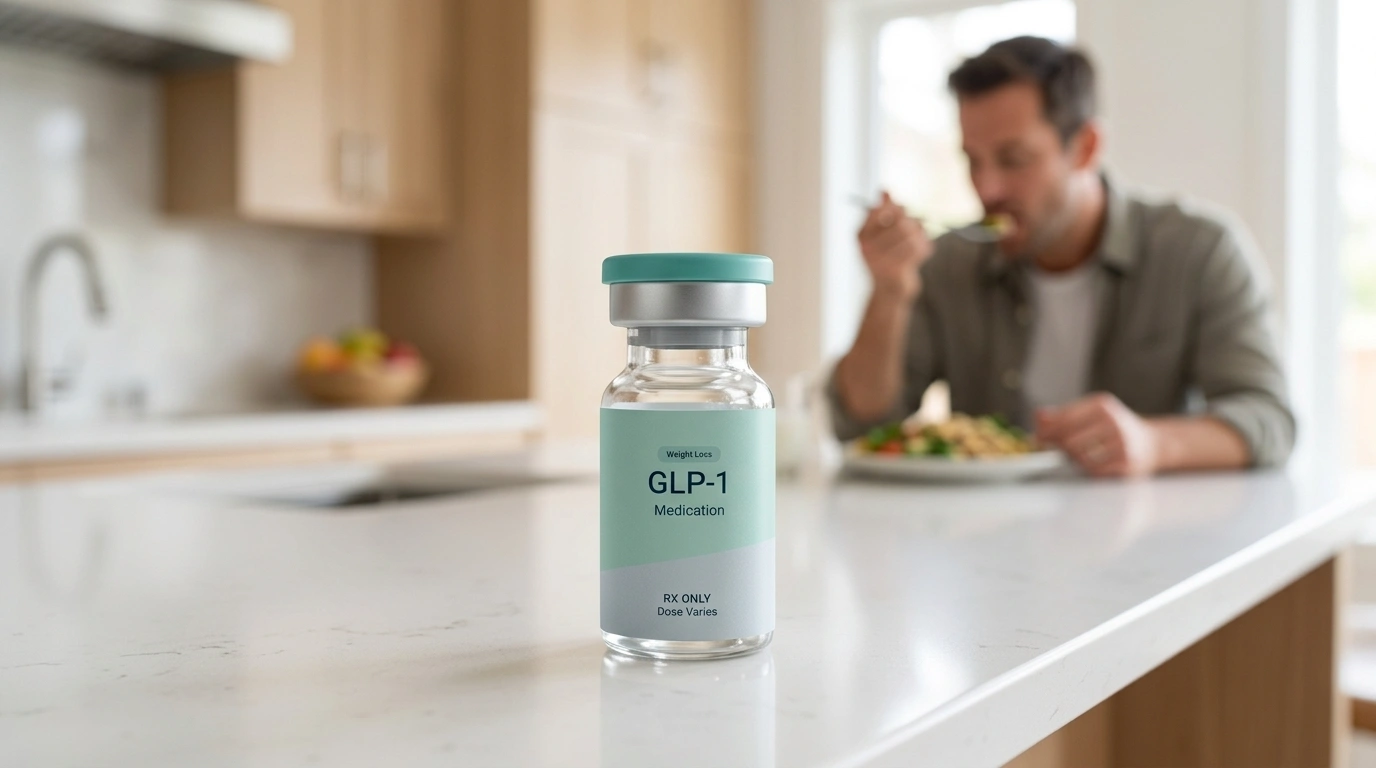
Many individuals starting a weight loss journey feel a sense of exhaustion from years of restrictive dieting and “willpower” battles. When you hear about the effectiveness of GLP-1 medications, a natural question arises: “Does Ozempic® work if you eat the same way you always have?” You might be looking for relief from the constant mental energy required to track every calorie. At TrimRx, we believe in providing clear, science-backed answers to help you navigate these clinical options with confidence. This article explores how semaglutide—the active ingredient in several popular medications—interacts with your body’s metabolic signals and why your eating habits typically shift even without a conscious effort. While the medication can manage blood sugar regardless of your plate, achieving sustainable weight loss and avoiding discomfort usually requires a shift in how and what you eat.
Quick Answer: While Ozempic® can lower blood sugar regardless of dietary changes, significant weight loss generally requires a calorie deficit. Most people naturally eat less while on the medication because it reduces hunger signals and slows digestion, making it difficult to maintain previous eating habits without experiencing discomfort. If you are considering a prescription program, you can complete the free assessment quiz to begin the evaluation process.
How GLP-1 Medications Interact with Your Body
To understand if the medication works while eating the same, you must first understand its mechanism. Semaglutide belongs to a class of drugs called GLP-1 receptor agonists. GLP-1 stands for glucagon-like peptide-1, which is a hormone your body naturally produces in the gut. This hormone is typically released after you eat to tell your body it is satisfied.
By mimicking this hormone, the medication sends powerful signals to three primary areas of the body. First, it targets the brain, specifically the areas responsible for hunger and reward. This often results in a reduction of “food noise,” which is the constant, intrusive thought of your next meal or snack. For more background, read about how GLP-1 medications may help quiet food noise. Second, it interacts with the pancreas to help manage insulin and glucagon levels. Third, it slows down gastric emptying, which is the process of food moving from your stomach into your small intestine.
Because food stays in the stomach longer, the physical sensation of fullness lasts much longer than it would naturally. This creates a biological environment where “eating the same” becomes physically challenging. If you try to consume the same portions you did before, your body may provide immediate, uncomfortable feedback.
Eating the Same Amount: The Weight Loss Perspective
Weight loss, at its most basic level, is driven by an energy deficit. This means your body must burn more energy than it takes in. Some people wonder if the medication increases metabolism so significantly that they can lose weight while maintaining a high-calorie intake.
Research suggests the medication does not act as a “fat burner” in the traditional sense. It does not drastically spike your heart rate or force the body to burn calories while at rest without other changes. Instead, it makes it much easier to achieve a calorie deficit. In clinical trials, those who saw the most significant results combined the medication with a reduced-calorie diet and increased physical activity.
If an individual consciously chooses to eat the same high-calorie foods in the same large quantities, weight loss may stall or be very slow. However, the “magic” of the medication for many is that it removes the feeling of deprivation. You are not “white-knuckling” your way through a diet. Instead, the biological urge to overeat is simply not there.
The Role of “Food Noise”
For many people struggling with weight, the challenge isn’t just hunger; it is the mental preoccupation with food. This “food noise” makes it difficult to stop eating even when the body has enough fuel. Because semaglutide quiets these signals, many patients find they naturally choose smaller portions without feeling like they are missing out. In this sense, the medication “works” by changing your relationship with food so that you do not want to eat the same way you did before.
Blood Sugar Control and Metabolic Health
It is important to distinguish between using the medication for weight management and using it for type 2 diabetes. The original purpose of Ozempic® was to improve glycemic control in adults with type 2 diabetes. In this context, the medication does “work” even if dietary habits remain identical to your previous baseline.
The medication stimulates the pancreas to release insulin only when blood sugar is high. It also prevents the liver from making and releasing too much sugar. These internal metabolic shifts happen regardless of whether you are eating a salad or a burger. Therefore, an individual may see improved laboratory markers and better blood sugar stability even before they make significant changes to their lifestyle.
However, metabolic health and weight loss are deeply intertwined. Improved blood sugar can lead to more energy, which might then lead to more physical activity. Most healthcare providers will still recommend a heart-healthy diet to maximize the long-term benefits of the treatment and protect cardiovascular health.
Key Takeaway: Semaglutide regulates blood sugar through internal hormonal signaling, which occurs independently of your diet. However, for the purpose of weight loss, the medication serves as a tool to make a calorie deficit feel natural rather than forced.
Potential Side Effects of Maintaining Previous Eating Habits
One of the strongest arguments against “eating the same” while on a GLP-1 medication is the risk of gastrointestinal distress. Because the medication slows down digestion, your stomach cannot process large or heavy meals as quickly as it once did. You can also review common GLP-1 side effects and ways to manage digestive discomfort for additional context.
If you continue to eat large portions or high-fat, greasy foods, you may experience significant side effects. Common issues include:
- Nausea: This often occurs when the stomach becomes too full.
- Vomiting: A physical rejection of food that the stomach cannot process in a timely manner.
- Bloating and Gas: Food sitting in the stomach longer can lead to fermentation and a feeling of extreme pressure.
- Reflux: Acid and food may back up into the esophagus because the stomach is slow to empty.
Myth: You can eat whatever you want on Ozempic® and still feel great. Fact: Eating high-fat, fried, or very sugary foods while on this medication often leads to severe nausea and digestive upset due to slowed stomach emptying.
For those who have not responded to lifestyle changes in the past, these side effects can serve as a form of “biofeedback.” They teach the body to prefer smaller, lighter meals that are easier to digest.
Why Nutritional Quality Matters More Than Ever
When you are taking a medication that suppresses appetite, you are naturally eating less. This makes every bite you take more important. If you eat the same types of food but in smaller amounts, you may be at risk for nutritional deficiencies. These considerations are also covered in what to eat while using weight loss injections.
Protein and Muscle Preservation
One of the risks of rapid weight loss is the loss of lean muscle mass. When the body is in a significant calorie deficit, it may look to muscle tissue for energy. To prevent this, it is vital to prioritize protein. Since you will likely feel full faster, eating your protein first ensures your body gets the amino acids it needs to maintain muscle, which in turn keeps your metabolism healthy.
Hydration and Fiber
Because the digestive system is moving more slowly, constipation can become a concern. Eating the “same” low-fiber diet you might have had previously can worsen this. Increasing fiber through vegetables and whole grains, along with significant water intake, is essential for comfort while on a GLP-1 program.
Note: If you experience persistent vomiting or severe abdominal pain, you should contact a licensed healthcare provider immediately, as these could be signs of a more serious condition.
Micronutrients
Eating a diverse range of colorful vegetables ensures you get the vitamins and minerals necessary for energy and immune function. Many people find that their tastes actually change while on the medication, making fresh, whole foods more appealing than highly processed options.
Starting Your Journey with Personalized Support
Navigating the complexities of GLP-1 medications can feel overwhelming. You shouldn’t have to guess which foods will make you feel best or how to adjust your portions. TrimRx provides a telehealth-first platform that connects you with licensed providers who understand these challenges.
Our approach is built on personalization. Every individual has a unique health history and different goals. Through our platform, you can access a medically supervised program that includes doctor consultations and lab work without ever needing to sit in a waiting room. To see how the intake and review process works, read about online GLP-1 prescriptions from consultation through delivery.
The journey begins with a free assessment quiz. This tool helps determine if you are a candidate for treatment. If eligible, we connect you with a provider who can prescribe compounded semaglutide or other GLP-1 medications. These medications are prepared and shipped from FDA-registered and inspected compounding pharmacies, ensuring high standards of quality.
What to expect during onboarding:
- Step 1: Complete the assessment. Provide details about your health history, current weight, and goals.
- Step 2: Provider review. A licensed healthcare provider reviews your information to determine if a GLP-1 medication is appropriate for you.
- Step 3: Personalized plan. If approved, you receive a treatment plan tailored to your needs, including the appropriate starting dosage.
- Step 4: Medication delivery. Your medication is shipped directly to your door with clear instructions for use.
- Step 5: Ongoing support. You have 24/7 access to a dedicated team to answer questions and adjust your program as needed.
Practical Tips for Adjusting Your Routine
If you are worried about changing your diet, remember that you don’t have to do it all on day one. The medication is designed to help those changes happen more naturally. Here are a few ways to support the process:
- Eat smaller, more frequent meals: Instead of three large meals, try four or five small snacks throughout the day. This prevents the stomach from becoming uncomfortably full.
- Focus on protein first: Start every meal with your protein source (like chicken, fish, tofu, or eggs) before moving to sides.
- Slow down: It takes time for the “full” signal to reach your brain. Chewing thoroughly and eating slowly gives your body a chance to tell you to stop.
- Stop before you’re “full”: Aim to stop when you no longer feel hungry, rather than waiting until you feel stuffed.
- Carry a water bottle: Staying hydrated is crucial for managing side effects and supporting your metabolism.
Bottom line: While the medication works internally to regulate hormones, the most successful and comfortable outcomes happen when you listen to your body’s new signals and choose nutrient-dense foods.
Comparisons: Weight Loss vs. Glucose Control
It can be helpful to see how the medication affects different health goals even if diet remains relatively static.
| Feature | Glucose Control (Type 2 Diabetes) | Weight Loss Goals |
|---|---|---|
| Primary Mechanism | Stimulates insulin release; reduces liver sugar production. | Suppresses appetite; slows digestion; reduces food noise. |
| Does it work if you eat the same? | Yes, it directly alters how the body handles sugar. | Generally no; significant weight loss requires a calorie deficit. |
| Common Outcome | Lower HbA1c and more stable daily blood sugar readings. | Slower progress or “plateaus” if calories remain high. |
| Role of Diet | Healthy diet supports long-term organ health. | Healthy diet is the primary driver of fat loss and muscle retention. |
The Role of Compounded Medications
While branded medications like Ozempic® and Wegovy® are well-known, they are not the only options for accessing semaglutide. Many patients choose compounded semaglutide through our platform. Compounded medications are customized prescriptions prepared by licensed pharmacists.
It is important to understand that compounded semaglutide is not FDA-approved. However, the pharmacies we work with are FDA-registered and inspected, following strict quality standards. This option often provides a more flexible way for patients to access the treatment they need under the supervision of a licensed provider.
Our mission is to help individuals embrace a healthier lifestyle through science and empathy. We provide a transparent, personalized approach to sustainable weight loss. This means we don’t just give you a prescription; we give you a platform for total metabolic health.
Finding the Right Balance
Weight loss is a marathon, not a sprint. The question of whether the medication “works” if you eat the same is really a question about sustainability. If you don’t change your habits, you are more likely to regain the weight if you ever stop the medication.
The goal of our program is to use the medication as a bridge. It creates the biological space you need to build better habits without the constant interference of intense hunger. Over time, these new habits—eating smaller portions, choosing lean proteins, and staying active—become your new “same.”
Key Takeaway: Success with GLP-1 medications is a partnership between the drug’s hormonal effects and your daily choices. The medication makes the right choices easier to make.
Summary of Action Steps
If you are considering starting a GLP-1 treatment, here is how to set yourself up for success:
- Listen to your hunger cues: Pay close attention to when you feel satisfied and stop immediately.
- Prioritize protein: Aim for 20-30 grams of protein at each meal to protect your muscle mass.
- Plan your meals: Having healthy options ready prevents you from reaching for greasy “convenience” foods that might make you sick.
- Be patient: It takes time for the medication to reach its full effect and for your body to adjust to the hormonal changes.
- Consult your provider: Always keep an open line of communication with your licensed healthcare provider regarding side effects or dosage concerns.
Conclusion
The journey toward a healthier weight is often paved with questions about how much effort is required. While Ozempic® and other semaglutide-based treatments do a significant amount of metabolic work behind the scenes, they are most effective when used as a foundation for lifestyle change. If you eat the same high-calorie diet, you may see improvements in blood sugar, but you will likely face uncomfortable side effects and slower weight loss progress. For persistent digestive symptoms, review when GLP-1 nausea may need additional attention and speak with a licensed provider.
We are dedicated to helping you find a path that works for your life. Our personalized programs are designed to support you every step of the way, from the initial assessment to long-term maintenance. By combining advanced science with a supportive, telehealth-first approach, we make it possible to achieve the results you’ve been looking for.
“The goal of GLP-1 therapy is not just a lower number on the scale, but a more balanced relationship with food and a healthier metabolic future.”
Ready to see if a personalized weight loss program is right for you? Your next step is simple and requires no commitment.
Take the Free Assessment Quiz Today
FAQ
Can I still lose weight if I don’t exercise while taking Ozempic®?
While some weight loss is possible through calorie reduction alone, exercise is essential for maintaining muscle mass and metabolic health. Incorporating movement, especially resistance training, helps ensure that the weight you lose is primarily fat rather than muscle.
Why do I feel so sick when I eat a large meal on this medication?
The medication slows down your digestion, meaning food stays in your stomach much longer. A large meal can “back up” the system, leading to nausea, bloating, and vomiting as your body struggles to process the volume. You can also review GLP-1 injection side-effect guidance for practical information about digestive discomfort.
Will I ever be able to eat my favorite foods again?
Yes, you can still enjoy your favorite foods, but you will likely find that you are satisfied with much smaller portions. Many patients also find that their cravings for very sweet or greasy foods diminish over time, making it easier to choose healthier options.
What happens if my weight loss stalls?
Plateaus are a normal part of any weight loss journey. If your progress stops, it may be time to review your nutritional intake with your provider or adjust your activity levels to ensure you are still in a healthy calorie deficit. If you are considering treatment or need a personalized review, you can start the assessment process.
TrimRX does not practice medicine or prescribe medications. Compounded medications are not FDA-approved and are not evaluated by the FDA for safety or efficacy. Results vary by individual and are not guaranteed.
Disclaimer: This content is for informational purposes only and does not constitute medical advice. It is not intended to diagnose, treat, cure, or prevent any disease or condition. Individual results may vary. Always consult a qualified healthcare professional before starting any weight loss program or medication.

Transforming Lives, One Step at a Time
Keep reading
Is It Normal for Nausea to Come Back on Ozempic?
Many people on Ozempic or another GLP-1 have a rough first few weeks, then settle in and feel much better. So it can be…

Is It Normal to Not Feel Anything After Taking Ozempic?
You have heard stories about people losing interest in food overnight or feeling queasy after their first dose. Then you take your own first…

Is It Normal to Have Dark Urine on Ozempic?
Noticing that your urine is darker than usual can be worrying. On Ozempic or another GLP-1, the most common reason is simple: you are…


