Does Ozempic Work on Visceral Fat? A Deep Dive into Body Composition
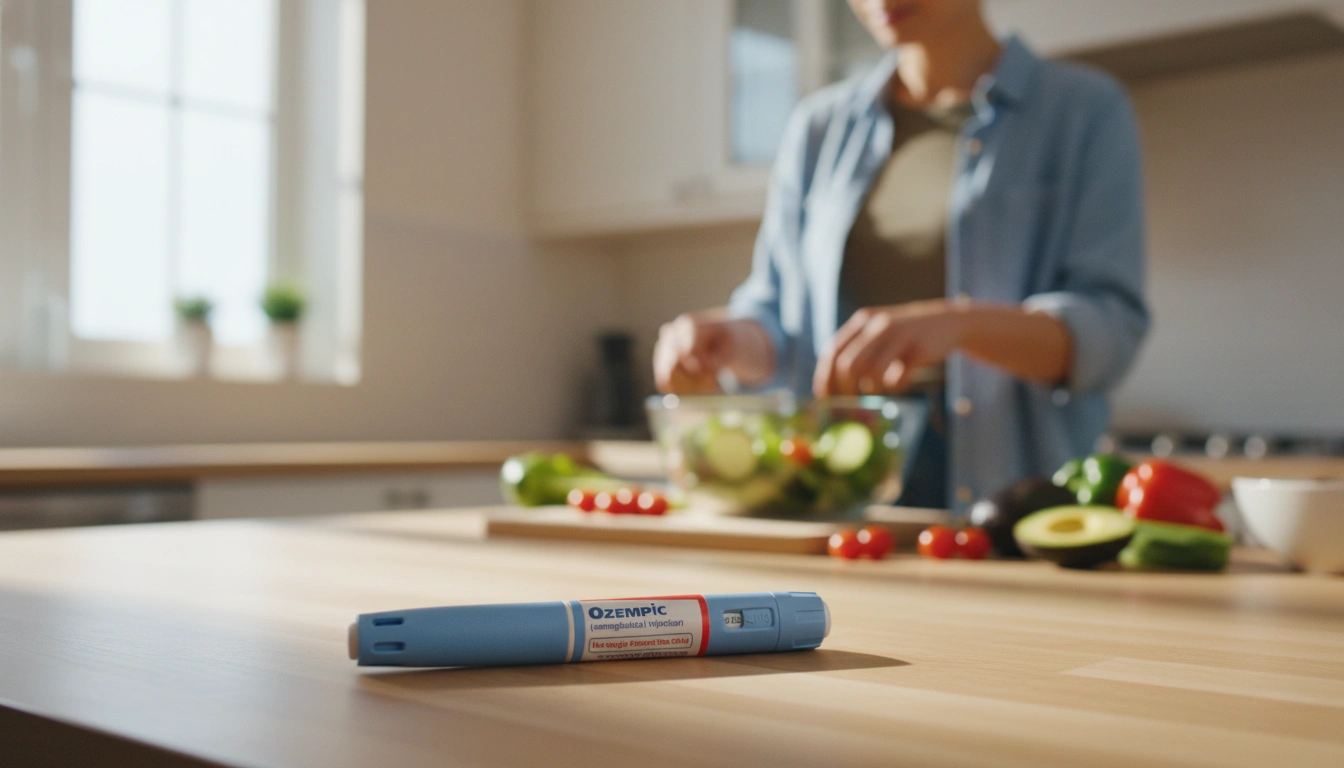
The mirror can be a revealing, if sometimes frustrating, companion on our health journeys. While we often focus on the numbers on the scale or the fit of our clothes, there’s a deeper, more silent health concern that can impact our well-being profoundly: visceral fat. This hidden enemy, nestled deep within our abdominal cavity, is far more than just a cosmetic issue. It’s a significant player in a host of health challenges, and understanding its nature and how to address it is crucial for anyone striving for lasting health.
Our exploration today centers on a question many are asking: Does Ozempic work on visceral fat? This powerful medication, part of a new generation of therapeutic options, has garnered significant attention for its impact on weight loss. But to truly understand its potential, we must look beyond overall weight reduction and delve into its effects on body composition, particularly the elusive and dangerous visceral fat.
In this comprehensive guide, we will journey through the complexities of visceral fat, unraveling why it poses such a threat to our health. We’ll then turn our attention to Ozempic, detailing its mechanism of action and the compelling scientific evidence that sheds light on its efficacy in reducing this specific type of fat. Furthermore, we’ll discuss how integrating medical solutions with a personalized, holistic approach to diet and exercise can maximize results. At TrimRx, our journey began with a shared vision to help individuals embrace healthier lifestyles by merging cutting-edge telehealth innovations with effective weight loss solutions. Our platform is a user-friendly and supportive space where individuals receive personalized, medically supervised care—all designed to make sustainable weight loss attainable and tailored to the individual. We believe that sustainable weight loss should be achieved through science, empathy, and a transparent approach, and we’ll show you how our approach aligns with these principles. By the end of this post, you’ll have a clearer understanding of how Ozempic can be a valuable tool in targeting visceral fat and how a comprehensive strategy can help you reclaim your health.
Introduction
Standing on the precipice of a health transformation, many of us confront not just the challenge of excess weight, but the silent, often unseen threat it harbors within. We’re not talking about the fat you can pinch, but rather the deep, insidious kind that wraps itself around vital organs, silently increasing risks to our well-being. This is visceral fat – and it’s a far more dangerous adversary than many realize. It’s intimately linked to a cascade of metabolic and cardiovascular issues, transforming a cosmetic concern into a critical health imperative.
The conversation around weight management has evolved dramatically, moving beyond simplistic notions of willpower to embrace the complex interplay of genetics, hormones, and environment. In this evolving landscape, innovative medical interventions have emerged, offering new hope for those who have struggled with traditional methods. Among these, medications like Ozempic have risen to prominence, not just for their ability to facilitate significant weight loss, but for their potential to reshape body composition in a more profound way.
Our purpose today is to meticulously explore the relationship between Ozempic and the reduction of visceral fat. We aim to equip you with an authoritative understanding, grounded in scientific evidence, of how this medication functions and its specific impact on the dangerous fat that lies deep within. You will learn about the mechanisms through which Ozempic operates, the compelling research findings, and the vital role of a holistic, personalized approach – much like the one we champion at TrimRx – in achieving sustainable health outcomes. We’ll outline the scope of this article, covering the nature of visceral fat, the science behind Ozempic, strategies for maximizing its effectiveness, and critical considerations for anyone embarking on this journey. This isn’t merely about shedding pounds; it’s about fostering a healthier internal environment, reducing long-term health risks, and empowering you with knowledge that can truly transform your life.
The Hidden Threat: Understanding Visceral Fat
When we talk about fat, it’s easy to generalize. However, not all fat is created equal, and where it’s stored in our bodies makes a profound difference to our health. Visceral fat, also known as intra-abdominal fat, is a particularly dangerous type of fat that accumulates deep within the abdominal cavity, surrounding crucial internal organs such as the liver, pancreas, and intestines. Unlike subcutaneous fat, which lies just beneath the skin and is visible, visceral fat is largely unseen, often giving individuals a “potbelly” or “apple” shape.
Why Visceral Fat Poses a Significant Health Risk
The location of visceral fat is key to understanding its danger. Because it’s metabolically active, it releases inflammatory substances and hormones directly into the portal vein, which carries blood to the liver. This can significantly disrupt normal bodily functions and contribute to a pro-inflammatory environment throughout the body.
Several studies underscore the critical link between high levels of visceral fat and severe health complications:
- Metabolic Syndrome and Type 2 Diabetes: Visceral fat is a strong predictor of insulin resistance, a precursor to type 2 diabetes. It interferes with insulin signaling, making cells less responsive to insulin and leading to elevated blood sugar levels. This can ignite a vicious cycle that further promotes fat storage.
- Cardiovascular Disease: The inflammatory compounds released by visceral fat can damage blood vessels, increase blood pressure, and contribute to the buildup of plaque in arteries, significantly raising the risk of heart attack and stroke.
- Nonalcoholic Fatty Liver Disease (NAFLD): An increase in visceral fat is strongly linked to liver problems. Research indicates that visceral obesity can be considered a potential indicator for NAFLD, where excess fat accumulates in the liver, leading to inflammation and potential liver damage.
- Kidney Dysfunction: A large-scale retrospective study involving over 25,000 individuals revealed a strong connection between visceral fat and damage to the renal system, providing evidence of how abdominal fat can impair kidney function.
- Inflammation of the Pancreas (Pancreatitis): The pro-inflammatory environment created by increased visceral fat can cause inflammation of the pancreas, potentially resulting in pancreatitis, a painful and serious condition.
These are not minor risks; they represent a fundamental challenge to overall health and longevity. Understanding the unique dangers of visceral fat underscores the importance of targeted interventions that go beyond general weight loss.
Measuring Visceral Fat to Track Progress
Accurately measuring visceral fat is crucial for assessing risk and tracking progress in a weight loss journey. Traditional methods like a bathroom scale or calculating Body Mass Index (BMI) offer only a general overview of body composition and don’t differentiate between subcutaneous and visceral fat. While BMI provides an indication of overall body fat based on height and weight, it cannot specify fat distribution.
More advanced and precise methods are necessary for an accurate assessment:
- DEXA Scans (Dual-Energy X-ray Absorptiometry): DEXA scans offer a highly effective and detailed approach to measuring visceral fat. These scans use low-dose X-rays to provide a comprehensive breakdown of body composition, including bone, fat, and lean masses. By offering a visual representation, DEXA scans make it easier to pinpoint the amount of visceral fat present in an individual’s body. This precision is invaluable for understanding if strategies are effectively reducing visceral fat and for guiding adjustments to a weight loss plan.
- Waist Circumference: While less precise than a DEXA scan, measuring waist circumference can offer a good preliminary indicator of visceral fat levels. A larger waist circumference generally correlates with higher amounts of abdominal fat.
At TrimRx, we understand the importance of comprehensive assessment in creating truly personalized health plans. While DEXA scans might not be universally accessible, recognizing the signs and risks associated with visceral fat is the first step toward effective management. Our free assessment quiz is designed to help determine your eligibility for personalized treatment plans that consider the deeper aspects of your health, including concerns related to visceral fat.
The Science of Ozempic and Visceral Fat Reduction
The emergence of GLP-1 receptor agonists, such as Semaglutide, the active ingredient in Ozempic, has revolutionized how we approach chronic weight management and type 2 diabetes. Originally developed to improve blood glucose control, patients quickly noticed significant weight loss as a powerful side effect, shifting its potential application. But the question remains: does Ozempic work on visceral fat specifically, or is its effect merely a general reduction in overall body fat? The scientific evidence provides a clear and encouraging answer.
How Ozempic Works: Beyond Blood Sugar
Ozempic is a GLP-1 (Glucagon-Like Peptide-1) receptor agonist, meaning it mimics the action of a natural hormone called GLP-1 that your body releases after you eat. This mimicry triggers a cascade of effects crucial for both blood sugar regulation and weight management:
- Insulin Release and Glucose Control: Ozempic stimulates the pancreas to release more insulin when blood sugar levels are high, helping to lower glucose. It also reduces glucagon secretion, a hormone that raises blood sugar, preventing the liver from producing too much glucose. This makes it an effective tool for managing type 2 diabetes.
- Appetite Regulation and Satiety: GLP-1 receptors are present in the brain areas responsible for hunger and satiety. By activating these receptors, Ozempic significantly reduces appetite and promotes a profound feeling of fullness, leading to decreased food intake and fewer cravings. People often report feeling satisfied with smaller portions and thinking less about food.
- Slowed Gastric Emptying: Ozempic slows down the rate at which food leaves the stomach. This contributes to a prolonged feeling of fullness, further reducing calorie intake and aiding in appetite control.
While Ozempic, in its branded form, is FDA-approved for the treatment of type 2 diabetes, its active ingredient, semaglutide, is also available in different formulations and dosages, such as Wegovy, which is FDA-approved for chronic weight management. Similarly, Tirzepatide, another powerful GLP-1 (and GIP) receptor agonist, is available as Mounjaro (for type 2 diabetes) and Zepbound (for chronic weight management), both of which are FDA-approved. It’s important to understand these distinctions, as they guide usage and insurance coverage.
At TrimRx, we offer a range of clinically proven solutions, including Ozempic® and Wegovy®, alongside compounded Semaglutide and Tirzepatide. For those considering prescription medications like these, we encourage you to take our free assessment quiz to determine your eligibility and receive a personalized treatment plan. We partner with FDA-registered and inspected pharmacies for the shipping of all weight loss medications, ensuring the highest standards of safety and quality for our compounded offerings, while branded medications like Ozempic® and Zepbound® maintain their FDA approval status.
The Evidence: Ozempic and Visceral Fat Reduction
Multiple studies have investigated the impact of semaglutide on body composition, specifically examining its effects on visceral fat. The results are compelling and consistent:
- STEP 1 Trial Findings: A landmark randomized controlled trial, published in the New England Journal of Medicine, the STEP 1 trial, provided robust evidence. Participants receiving a once-weekly dose of 2.4mg semaglutide experienced an average body weight reduction of 14.9% over 68 weeks, a significantly higher reduction compared to the placebo group. Crucially, this study went further, analyzing body composition changes using DEXA scans. The researchers reported a notable reduction in regional visceral fat mass alongside overall fat mass.
- Substudy Insights: A substudy of the STEP 1 trial, specifically analyzing DEXA data from a subset of participants, reinforced these findings. It concluded that semaglutide 2.4 mg was associated with reduced total fat mass and regional visceral fat mass. Participants on semaglutide saw a 27.4% reduction in regional visceral fat mass, leading to a 2.0%-point reduction in the proportion of visceral fat mass. This detailed analysis provided a clear visual representation of how the drug affects the most dangerous type of fat.
- Meta-analyses Confirmation: Broader meta-analyses, synthesizing data from multiple GLP-1 therapies, consistently confirm that these medications significantly lower visceral adipose tissue (VAT) across diverse populations. This indicates a systemic effect beyond general weight loss, directly impacting the harmful fat stored around organs.
These findings strongly suggest that Ozempic, through its active ingredient semaglutide, does indeed work on visceral fat. While it doesn’t “melt” fat directly, its profound effects on appetite control, satiety, and overall weight loss translate into meaningful reductions in visceral fat over time. This is not just about looking better; it’s about fundamentally improving metabolic health and reducing the risk of associated diseases.
It’s important to understand that the change happens gradually and can vary based on individual factors like starting weight, lifestyle, dosage, sleep, stress, and genetics. Therefore, setting realistic expectations and integrating a comprehensive approach are paramount. This aligns perfectly with our philosophy at TrimRx, where we combine advanced medical science with modern technology to offer compassionate, personalized care that respects every individual’s unique journey.
Maximizing Your Journey: A Holistic Approach to Visceral Fat Reduction
While medications like Ozempic offer a powerful tool in the battle against visceral fat, they are most effective when integrated into a comprehensive, holistic weight loss program. Think of Ozempic not as a standalone solution, but as a catalyst that enhances and accelerates the positive impact of foundational lifestyle changes. Our approach at TrimRx emphasizes this synergy, ensuring that our members receive the support and resources needed for truly sustainable results.
The Pillars of a Personalized Plan
At TrimRx, we understand that every individual’s journey is unique. That’s why our personalized weight loss programs, which you can explore by taking our free assessment quiz, are built upon several interconnected pillars:
1. Nutrient-Dense Nutrition
Diet plays a critical role in reducing visceral fat. Focusing on whole, unprocessed foods helps manage calorie intake and provides essential nutrients that support metabolic health.
- Emphasize Whole Foods: Prioritize fruits, vegetables, lean proteins (chicken, fish, legumes), and healthy fats (avocado, nuts, olive oil). These foods are rich in fiber, which can help you feel fuller for longer, stabilize blood sugar, and support gut health.
- Reduce Processed Foods and Sugars: Highly processed foods, refined carbohydrates, and sugary drinks contribute significantly to visceral fat accumulation. Limiting these is crucial for visceral fat reduction.
- Consider Structured Eating Patterns: While a specific “Ozempic diet” isn’t required, adopting structured eating patterns like the Mediterranean, DASH, or plant-based diets can naturally lead to improved metabolic health and reduced visceral fat. These patterns often emphasize anti-inflammatory foods, which directly counteract the pro-inflammatory environment associated with visceral fat.
2. Consistent Physical Activity
Exercise is a non-negotiable component of reducing visceral fat and improving overall body composition.
- Integrate Strength Training: Building lean muscle mass is vital. Muscle tissue is more metabolically active than fat, meaning it burns more calories even at rest. Aim for at least two to three strength-training sessions per week to boost your metabolism and improve your lean body mass:fat mass ratio.
- Prioritize Cardiovascular Exercise: Regular aerobic activity helps burn calories and directly targets visceral fat. Aim for at least 150 minutes of moderate-intensity cardio per week, as recommended by health organizations. This could include brisk walking, jogging, cycling, or swimming.
- Incorporate Movement Throughout the Day: Beyond structured workouts, simple habits like taking the stairs, walking during phone calls, or stretching can contribute to greater overall energy expenditure.
3. Hydration and Sleep Optimization
These often-overlooked factors are fundamental to metabolic health and can significantly impact your weight loss journey.
- Stay Well-Hydrated: Drinking adequate water is crucial for all bodily functions, including metabolism. It can also help reduce feelings of hunger and support the body’s natural detoxification processes, which is especially important given some of the gastrointestinal side effects associated with GLP-1 medications.
- Prioritize Quality Sleep: Chronic sleep deprivation raises levels of cortisol (a stress hormone) and ghrelin (a hunger hormone) while decreasing leptin (a satiety hormone). This hormonal imbalance can lead to increased appetite, cravings, and a tendency to store fat, particularly visceral fat. Aim for 7-9 hours of restful sleep each night to support hormonal balance and weight management efforts.
4. Effective Stress Management
Chronic stress is a silent contributor to visceral fat. When stressed, our bodies release cortisol, which can promote the storage of fat in the abdominal region.
- Practice Stress-Reducing Techniques: Incorporate practices such as meditation, yoga, deep breathing exercises, spending time in nature, or engaging in hobbies you enjoy. Finding healthy outlets for stress is key to preventing its detrimental impact on your body composition.
The TrimRx Difference: Personalized Support and Innovative Solutions
Our commitment at TrimRx is to provide a truly personalized and supportive weight loss experience. We understand that medical solutions alone are often not enough; real, lasting change requires a holistic approach.
- Medically Supervised Programs: When you embark on a personalized program with us, starting with our free assessment quiz, you gain access to medically supervised care. Our comprehensive service includes doctor consultations, necessary lab work, your prescribed medication, unlimited support, and convenient shipping—all with no hidden fees. We partner exclusively with FDA-registered and inspected pharmacies to ensure the safety and quality of all our medications, whether they are FDA-approved branded options like Ozempic® and Zepbound®, or compounded formulations of Semaglutide and Tirzepatide.
- Empathetic and Trustworthy Guidance: Our brand is built on empathy, innovation, and trust. We offer compassionate care that respects every individual’s unique journey, combining advanced medical science with modern technology. Our transparent approach means you’ll always understand your treatment plan and how we support you, regardless of dosage changes or program adjustments.
- Quick-Access Supplements for Holistic Support: Beyond prescription medications, we offer immediate support supplements designed to complement your wellness journey:
- GLP-1 Daily Support: This supplement is formulated to provide daily assistance, helping to support the body’s natural processes related to GLP-1, thereby aiding in appetite regulation and metabolic balance.
- Weight Loss Boost: Designed to provide an extra edge, this supplement helps to enhance metabolic function and support overall weight loss efforts, making it an excellent addition for anyone seeking to maximize their results.
These supplements are available for immediate purchase, allowing you to proactively support your overall wellness as you work towards your weight loss goals. By combining cutting-edge medications with tailored lifestyle interventions and supportive supplements, we empower you to achieve meaningful and sustainable reductions in visceral fat, leading to improved health and well-being. Are you ready to take the next step toward a healthier you?
Addressing Common Concerns and Ensuring Safety on Your Journey
Embarking on a weight loss journey with medical assistance is a significant step, and it’s natural to have questions and concerns. At TrimRx, we prioritize transparency, safety, and informed decision-making. Understanding potential side effects, contraindications, and the long-term commitment involved is crucial for a successful and safe experience.
Potential Side Effects of GLP-1 Medications
Like any medication, Ozempic and other GLP-1 receptor agonists can cause side effects. Most are mild to moderate and tend to decrease over time as your body adjusts. The most commonly reported side effects include:
- Gastrointestinal Issues: Nausea, vomiting, diarrhea, constipation, abdominal pain, and heartburn are frequently experienced. These can often be managed by starting with a low dose and gradually increasing it, as guided by a healthcare provider. The slowing of gastric emptying, a mechanism of action for these drugs, can contribute to these symptoms.
- Fatigue and Headache: Some individuals may experience mild fatigue or headaches, particularly during the initial weeks of treatment.
It’s important to communicate any persistent or severe side effects to your healthcare provider. Our unlimited support system at TrimRx ensures that you have a direct line to guidance whenever you need it, helping you navigate any challenges that arise during your treatment.
Who Should Avoid Ozempic and Related Medications?
While highly effective for many, GLP-1 medications are not suitable for everyone. Certain medical conditions or personal histories may make these medications inappropriate:
- Thyroid C-Cell Tumors: The FDA requires a boxed warning about the risk of thyroid C-cell tumors. Individuals with a personal or family history of medullary thyroid carcinoma (MTC) or Multiple Endocrine Neoplasia syndrome type 2 (MEN 2) should not use semaglutide.
- Pancreatitis or Gallbladder Disease: A history of pancreatitis or gallbladder issues may be a contraindication, as these conditions can be exacerbated by GLP-1s in a small percentage of patients.
- Kidney Disease: Individuals with severe kidney impairment may need dose adjustments or may not be suitable candidates.
- Type 1 Diabetes: Ozempic is not approved for people with type 1 diabetes.
- Pregnancy and Breastfeeding: Women who are pregnant, planning to become pregnant, or breastfeeding should avoid using these medications.
- Age Restrictions: These medications are generally not prescribed to individuals under the age of 18.
Always have an open and honest discussion about your full medical history with your healthcare provider. Through our personalized assessment process, our affiliated medical professionals thoroughly evaluate your health profile to ensure the safest and most effective treatment options for you.
The Long-Term Commitment: Sustaining Results
A critical aspect of GLP-1 therapy that often comes as a surprise to new users is the need for long-term use. Studies, including those on Wegovy (the FDA-approved weight management dose of semaglutide), have shown that weight regain is common once the medication is stopped. This underscores that obesity is a chronic disease, not merely a temporary condition that can be “cured” with short-term medication.
Think of Ozempic and similar medications as tools for managing a chronic condition, much like medication for blood pressure or cholesterol. They help regulate the complex hormonal and neurological pathways that influence appetite and metabolism, pathways that may be dysfunctional in individuals with obesity. When the medication is discontinued, these underlying biological predispositions can reassert themselves, leading to a regain of lost weight.
This understanding is central to our philosophy at TrimRx. We view weight loss as a journey, not a destination, and we are committed to supporting our members with strategies for long-term maintenance. Our comprehensive service includes ongoing support to help integrate these powerful medications with sustainable lifestyle changes, ensuring you have the tools and guidance to maintain your achievements over time.
Why Choose TrimRx for Your Weight Loss Journey?
At TrimRx, we are dedicated to providing a user-friendly and supportive space where individuals receive personalized, medically supervised care. Our comprehensive service includes everything you need for a successful journey:
- Expert Medical Consultations: You’ll connect with qualified healthcare professionals who understand the nuances of weight management and can tailor a plan to your specific needs.
- Reliable Medication Access: We partner with FDA-registered and inspected pharmacies for the shipping of all prescription medications, including branded options like Ozempic® and Zepbound®, and compounded formulations of Semaglutide and Tirzepatide. This commitment ensures safety and quality.
- Ongoing Support: Our unlimited support system means you’re never alone. We’re here to answer questions, address concerns, and celebrate your progress.
- Holistic Approach: We emphasize the integration of medication with diet, exercise, and lifestyle modifications, offering quick-access supplements like GLP-1 Daily Support and Weight Loss Boost to enhance your journey.
Our brand is empathetic, innovative, trustworthy, supportive, results-oriented, and personalized. We offer compassionate care that respects every individual’s unique journey by combining advanced medical science with modern technology. We’re committed to transparent service, ensuring our approach remains consistent, and our focus on safety is unwavering. If you’re ready to explore a personalized path to reducing visceral fat and achieving sustainable weight loss, we invite you to take our free assessment quiz today.
Conclusion
Our journey through the intricate world of visceral fat and the potential of Ozempic to address it has brought us to a profound understanding: weight loss is a complex, multifaceted endeavor that often requires more than just dietary adjustments and exercise. Visceral fat, the hidden fat surrounding our vital organs, is a silent yet powerful contributor to a host of serious health risks, making its reduction a crucial goal for anyone committed to long-term well-being.
We’ve seen compelling scientific evidence demonstrating that Ozempic, through its active ingredient semaglutide, does indeed play a significant role in reducing visceral fat. Its mechanism of action—regulating blood sugar, suppressing appetite, and slowing gastric emptying—translates into a substantial impact on overall body composition, specifically targeting the fat that poses the greatest metabolic threat. This is not a superficial change; it’s a fundamental shift towards a healthier internal environment.
However, the efficacy of medication is amplified exponentially when integrated into a comprehensive, personalized lifestyle. We’ve explored the foundational pillars of success: a nutrient-dense diet, consistent physical activity, optimal hydration and sleep, and effective stress management. These elements, combined with medical support, create a powerful synergy that fosters not just weight loss, but sustainable health transformation.
At TrimRx, this holistic and individualized approach is at the core of our mission. Our journey began with a vision to merge cutting-edge telehealth innovations with effective weight loss solutions, creating a supportive space where medically supervised, personalized care is accessible. We stand by our values of science, empathy, and transparency, offering compassionate and results-oriented programs tailored to your unique needs. Whether through our prescription medications like Ozempic® and Tirzepatide (provided through FDA-registered and inspected pharmacies), or our quick-access supplements like GLP-1 Daily Support and Weight Loss Boost, we are dedicated to empowering you on your path to a healthier life.
The decision to address visceral fat and pursue sustainable weight loss is an investment in your future. It’s about more than just numbers on a scale; it’s about reclaiming vitality, reducing health risks, and achieving a profound sense of well-being. If you’re ready to explore how a personalized, medically-supported program can transform your health, we encourage you to take our free assessment quiz today. Let us partner with you to build a healthier, more vibrant tomorrow.
FAQ
What exactly is visceral fat and why is it dangerous for my health?
Visceral fat is a type of fat stored deep within your abdominal cavity, surrounding vital organs like your liver, pancreas, and intestines. Unlike subcutaneous fat, which is just under the skin, visceral fat is metabolically active and releases inflammatory substances and hormones. This can significantly increase your risk of serious health conditions such as type 2 diabetes, heart disease, nonalcoholic fatty liver disease (NAFLD), and even certain cancers, by disrupting normal bodily functions and promoting chronic inflammation.
How does Ozempic contribute to visceral fat reduction?
Ozempic, with its active ingredient semaglutide, helps reduce visceral fat indirectly by its overall impact on weight loss and body composition. As a GLP-1 receptor agonist, it works by mimicking a natural hormone that regulates blood sugar, suppresses appetite, and slows gastric emptying. This leads to reduced calorie intake, increased feelings of fullness, and significant overall weight loss. Scientific studies have shown that this general weight reduction, facilitated by Ozempic, specifically includes a meaningful decrease in visceral fat, improving metabolic health.
Are lifestyle changes still important when taking medication like Ozempic?
Absolutely. While medications like Ozempic are powerful tools, they are most effective when combined with comprehensive lifestyle changes. A balanced, nutrient-dense diet, regular physical activity (including both cardio and strength training), adequate sleep, proper hydration, and stress management are all critical components. These lifestyle modifications not only enhance the weight loss effects of the medication but also contribute to overall health, helping you maintain your results long-term and improve your body’s response to the treatment.
How can TrimRx support my journey to reduce visceral fat and achieve sustainable weight loss?
TrimRx offers a personalized and medically supervised approach to weight loss. Our program begins with a free assessment quiz to determine your eligibility for prescription medications like Ozempic® or compounded Semaglutide and Tirzepatide, all sourced from FDA-registered and inspected pharmacies. Our comprehensive service includes doctor consultations, lab work, your medication, unlimited support, and shipping. We also provide quick-access supplements like GLP-1 Daily Support and Weight Loss Boost to complement your journey. We focus on a holistic strategy, integrating medication with tailored lifestyle guidance to help you achieve sustainable visceral fat reduction and improve your overall well-being.

Transforming Lives, One Step at a Time
Keep reading

How to Get Ozempic Without a Doctor Visit
The idea of getting a prescription without sitting in a waiting room used to sound like a workaround. Now it’s standard practice for millions…

Ozempic for Men: What’s Different
Men and women lose weight differently. That’s not a controversial statement; it’s biology. Hormonal profiles, fat distribution patterns, muscle mass, and metabolic rates all…

Ozempic vs Surgery: Comparing Weight Loss Options
Weight loss surgery has been the gold standard for severe obesity for decades. Then GLP-1 medications like Ozempic arrived, and the conversation shifted. Now…


