Does Pickle Juice Help With Weight Loss? Our Team Weighs In
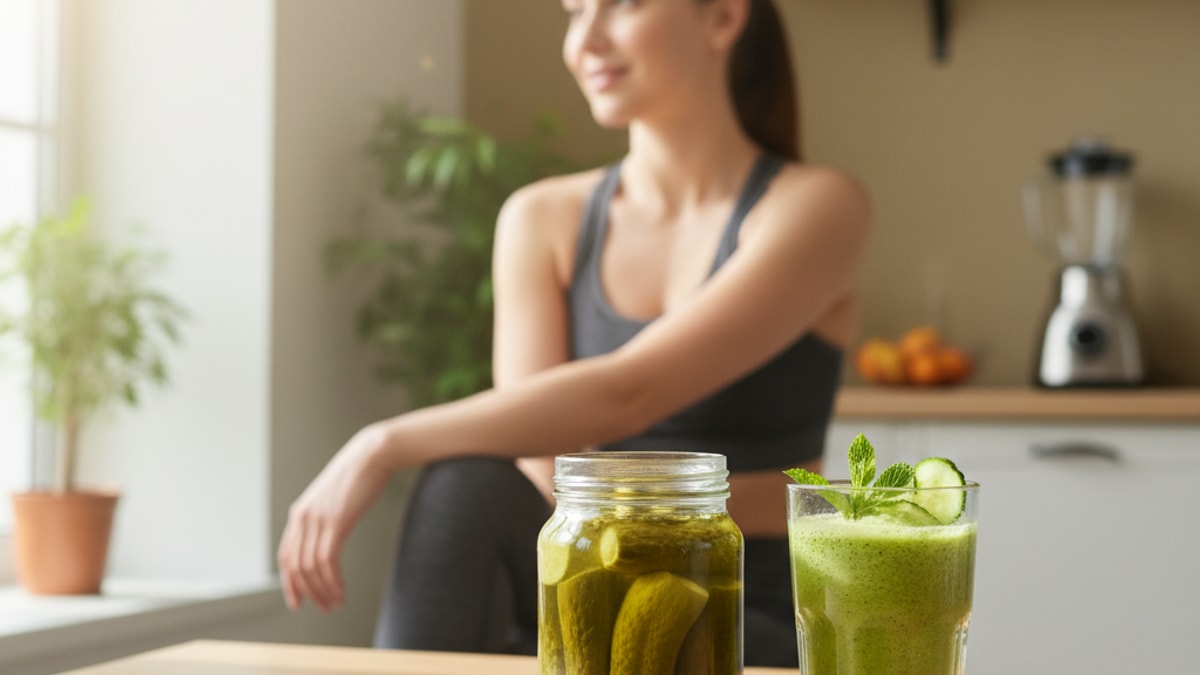
You’ve seen it on social media. You’ve heard it from a well-meaning friend at the gym. The claim is floating around everywhere: a quick shot of pickle juice can kickstart your metabolism and help you shed pounds. It sounds simple, a little quirky, and almost too good to be true. And honestly, that’s usually a red flag.
Here at TrimrX, our team spends its days immersed in the science of metabolic health and sustainable weight loss. We work with patients navigating the complex journey toward their goals, utilizing cutting-edge, medically-supervised treatments like GLP-1s. So when a trend like this gains traction, we feel it’s our responsibility to cut through the noise. We need to have a frank conversation about what works, what might offer a minuscule benefit, and what’s just a distraction. So, let’s talk about it: does pickle juice help with weight loss? The answer is far more nuanced than a simple yes or no.
First, What Are We Even Drinking?
Before we can analyze its effects, we have to understand what pickle juice—or brine, more accurately—actually is. It’s not some mystical elixir. It’s a surprisingly simple concoction, but its composition is key to all the health claims surrounding it.
At its core, pickle brine is made of three things: water, salt, and vinegar. Often, it also contains remnants of the spices used in the pickling process, like dill and garlic, along with trace minerals and vitamins that have leached from the cucumbers themselves. The star players here, the ones that get all the attention, are the vinegar (specifically its acetic acid) and the electrolytes (from the salt).
It’s also critical to make a distinction our team can't stress enough: fermented vs. pasteurized. Most commercial pickles you grab off the shelf are made with vinegar and then pasteurized (heat-treated) to kill bacteria and extend shelf life. This process also kills any potential probiotics. Truly fermented pickles, on the other hand, are made using only salt and water, allowing beneficial bacteria to grow. This type of brine contains live probiotics, which is a whole different conversation when it comes to gut health. For the purpose of most weight loss claims, people are talking about the standard vinegar-based brine from a regular jar of pickles.
So, we’re looking at a salty, acidic liquid. How could that possibly impact the number on the scale?
The Science: Does Pickle Juice Help with Weight Loss?
This is where things get interesting, and frankly, where a lot of the claims get wildly overstated. There are kernels of scientific truth to some of the ideas, but they’ve been stretched to their absolute limits. Let’s break down the four main arguments for pickle juice as a weight loss aid.
1. The Acetic Acid Theory
The most significant claim revolves around acetic acid, the primary component of vinegar. Some studies, mostly small-scale and some conducted on animals, have suggested that acetic acid might offer modest benefits. It’s been linked to slightly improved insulin sensitivity, a potential reduction in fat storage, and even a minor boost in metabolism. The idea is that acetic acid may interfere with the body's ability to digest starches, leading to a less dramatic blood sugar spike after a carb-heavy meal. A more stable blood sugar level can, in theory, help manage cravings and hunger.
But here’s the reality check from our professional experience: the effects are minimal. We’re talking about a potentially tiny, almost immeasurable impact on your overall daily calorie burn. Relying on a shot of pickle juice to meaningfully move the needle on your metabolism is like trying to fill a swimming pool with a teaspoon. It's just not a primary driver of weight loss. It’s a biochemical footnote, not the headline.
2. The Probiotic & Gut Health Angle
This one has more scientific grounding, but with a huge caveat. A healthy gut microbiome is absolutely essential for overall health, including weight management. An imbalance of gut bacteria has been linked to obesity, metabolic syndrome, and inflammation. Probiotics, the beneficial bacteria found in fermented foods, help restore that balance. So, if you’re drinking the brine from naturally fermented pickles, you are indeed consuming probiotics.
However, as we mentioned, the vast majority of pickles on supermarket shelves are not fermented; they’re just pickled in a vinegar solution. Their brine contains zero probiotics. If gut health is your goal, you'd be far better off incorporating foods like kefir, sauerkraut, kimchi, or a high-quality probiotic supplement into your diet rather than hunting for rare, unpasteurized pickle juice.
3. The Hydration & Electrolyte Factor
This is perhaps the most legitimate, yet indirect, benefit. Pickle juice is loaded with sodium and contains some potassium—two key electrolytes. When you sweat during intense exercise, you lose these electrolytes along with water. Replenishing them is crucial for preventing muscle cramps, dizziness, and fatigue. Some athletes swear by pickle juice for this very reason.
How does this connect to weight loss? Simple. Proper hydration is critical for your metabolism to function optimally. And if you’re well-hydrated and free from muscle cramps, you're more likely to have a better, longer, and more effective workout. So, in this context, pickle juice isn't directly causing fat loss, but it might support the exercise habits that do. It’s a supporting actor, not the star of the show. Still, you could get the same (or better) effect from a balanced electrolyte drink without the extreme sodium load.
4. The Blood Sugar Stabilization Claim
This ties back to acetic acid. The theory is that consuming vinegar before or during a meal can help blunt the glucose response, meaning your blood sugar doesn't skyrocket and then crash. This is a good thing. Those post-meal crashes are often what trigger cravings for sugary, high-calorie snacks. By keeping blood sugar more stable, you might feel fuller for longer and have better control over your appetite.
Again, the effect is present but often modest. It’s not going to stop you from feeling hungry entirely, but it might take the edge off. It's a small nudge in the right direction, but it can’t overcome poor dietary choices or a lack of a structured eating plan.
The Unvarnished Truth: The Downsides We See
Okay, so there are some plausible, albeit minor, mechanisms by which pickle juice could theoretically support a weight loss journey. But at TrimrX, we're focused on safe, sustainable, and effective outcomes. And that means we have to talk about the significant downsides, which, in our professional opinion, far outweigh the potential benefits.
Let’s be honest, this is crucial.
The single biggest problem is the astronomical sodium content. A single three-ounce serving of pickle juice can contain 900 mg of sodium or more. That’s nearly 40% of the recommended daily intake for an adult. If you’re drinking it daily, you are sending your sodium levels through the roof. This can lead to a cascade of negative health effects, including:
- High Blood Pressure: Chronic high sodium intake is a primary driver of hypertension, which dramatically increases your risk for heart disease and stroke.
- Water Retention & Bloating: Instead of a flatter stomach, that high sodium intake will cause your body to retain water, leading to bloating, puffiness, and a temporary increase on the scale. It's the exact opposite of what most people are hoping for.
- Kidney Strain: Your kidneys are responsible for filtering excess sodium from your blood. Consistently overloading them can put them under serious strain over time.
Beyond the sodium, the high acidity can cause significant digestive distress for many people, leading to heartburn, acid reflux, or stomach irritation. It’s simply not a sustainable or particularly pleasant habit for most.
It is not a weight loss strategy. It’s a novelty.
Pickle Juice vs. Proven Strategies: A Professional Comparison
To put it all into perspective, let's look at how this trend stacks up against foundational, evidence-based weight loss methods. Our team put together a quick comparison to illustrate the difference between a fleeting hack and a legitimate strategy.
| Strategy | Mechanism of Action | Scientific Backing | Potential Side Effects | Sustainability |
|---|---|---|---|---|
| Pickle Juice | Minor metabolic effects from acetic acid; electrolyte replacement. | Very limited & weak for weight loss. | Extremely high sodium, bloating, digestive distress, potential blood pressure increase. | Low. Unpleasant taste and side effects make it difficult to maintain. |
| Caloric Deficit | Consuming fewer calories than the body burns, forcing it to use stored fat for energy. | Overwhelmingly strong; the cornerstone of all weight loss. | Hunger, fatigue, potential nutrient deficiencies if not well-planned. | Moderate to High. Depends on the approach, but highly effective when managed. |
| Regular Exercise | Increases calorie expenditure, builds muscle (which boosts metabolism), improves insulin sensitivity. | Overwhelmingly strong. | Risk of injury, fatigue if overdone. | High. Can become a lifelong, health-promoting habit. |
| Medically-Supervised Programs | Utilizes clinical tools, personalized plans, and advanced medications (like GLP-1s) to address the biological drivers of weight. | Extremely strong; based on clinical trials and medical science. | Varies by treatment; requires medical guidance to manage. | Very High. Designed for long-term success with professional support. |
Looking at this, the choice becomes clear. Why focus your energy on a strategy with minimal upside and significant potential downsides when there are proven, powerful, and safe methods available? It’s a distraction from what actually works.
A Smarter Approach to Sustainable Weight Loss
We've seen it work. The path to lasting weight loss isn’t paved with weird food hacks or internet challenges. It’s built on a foundation of science, consistency, and a deep understanding of your own body’s unique biology. The human body is a complex system, and factors like genetics, hormones, and metabolic rate play a formidable role in how we gain and lose weight.
This is where a professional, medically-guided approach becomes a non-negotiable element for so many. Instead of guessing, you’re working with a team that can help you understand the root causes of your weight challenges. At TrimrX, we don't just hand you a diet plan; we delve into your metabolic health to create a strategy that works with your body, not against it.
For many of our patients, this involves the use of revolutionary GLP-1 medications like Semaglutide and Tirzepatide. These aren’t quick fixes; they are sophisticated medical tools that address weight at the hormonal level. They help regulate appetite, control blood sugar, and quiet the 'food noise' that can make traditional dieting feel like a relentless battle. This approach (which we've refined over years) delivers real, sustainable results because it addresses the underlying biology.
Understanding your unique metabolic profile is the first step. That's why we guide our patients through a comprehensive assessment to see if treatments like GLP-1s are right for them. You can see if you're a candidate by taking our quick Take Quiz.
The Role of Modern Medicine in Weight Management
Let's compare the minuscule, speculative impact of pickle juice to the profound, clinically-documented impact of modern medical treatments. GLP-1 receptor agonists work by mimicking a natural gut hormone that signals fullness to the brain. This fundamentally changes your relationship with food. It’s not about willpower; it’s about biochemistry.
Patients on these treatments often report a dramatic reduction in cravings and the ability to feel satisfied with smaller portions. This allows them to naturally create the caloric deficit needed for weight loss without the constant feeling of deprivation that dooms so many diets to failure. This is what a powerful intervention looks like. It’s a significant, sometimes dramatic shift that creates the space for new, healthier habits to form.
When you partner with a medical team, you’re not just getting a prescription. You're getting a comprehensive support system. We monitor your progress, manage any side effects, and provide the guidance needed to ensure your weight loss is safe and effective. It’s the difference between hoping a folk remedy works and executing a precise, science-backed plan. If you're ready to move beyond the fads and start a program with proven results, you can Start Your Treatment now.
So, back to our original question. Does pickle juice help with weight loss? The most generous answer is: not really. It might not hurt in tiny, infrequent doses for electrolyte replacement, but it is absolutely not a weight loss tool. The risks associated with its high sodium content are real and serious, and the proposed benefits are flimsy at best. Your health journey is too important to be sidetracked by trends that lack scientific substance. Focus on the pillars that matter: a balanced diet, consistent movement, and for those who need it, the powerful support of medically-supervised treatments. That's the real recipe for success.
Frequently Asked Questions
How much pickle juice is safe to drink daily?
▼
Our team strongly advises against drinking pickle juice daily due to its extremely high sodium content. A single small serving can contain a huge portion of your recommended daily sodium intake, posing risks to blood pressure and cardiovascular health.
Can drinking pickle juice cause bloating?
▼
Yes, absolutely. The high concentration of sodium in pickle juice causes your body to retain water, which directly leads to bloating and puffiness. It often has the opposite effect of what people hope for when trying to lose weight.
Is pickle juice better than apple cider vinegar for weight loss?
▼
Both get their primary potential benefit from acetic acid, but apple cider vinegar (diluted in water) is a much better choice. It provides the acetic acid without the massive sodium load of pickle juice, making it a safer option, though its effects on weight loss are still very modest.
Will pickle juice break a fast?
▼
Technically, yes. While it has very few calories, pickle juice does contain some trace sugars and organic compounds that will trigger a metabolic response. For those practicing a strict fast for autophagy or gut rest, it should be avoided.
What’s the difference between pickle juice and an electrolyte drink?
▼
While both contain electrolytes, commercial electrolyte drinks are specifically formulated with a balanced ratio of sodium, potassium, and glucose for optimal hydration. Pickle juice is overwhelmingly high in sodium and lacks this balance, making it less ideal for general hydration.
Does the type of pickle matter for weight loss claims?
▼
For the main weight loss claims related to vinegar, no, the type of pickle doesn’t matter. If you’re seeking probiotics for gut health, then you must use the brine from naturally fermented pickles, which are much harder to find than standard vinegar pickles.
Can I just eat pickles instead of drinking the juice?
▼
Eating pickles will give you the same high sodium intake and acetic acid as the juice, plus some fiber from the cucumber. However, neither eating pickles nor drinking the juice is an effective strategy for meaningful weight loss.
What are the signs of consuming too much sodium?
▼
Signs of excessive sodium intake can include bloating, puffiness in the hands and feet, increased thirst, headaches, and elevated blood pressure. Our medical team always monitors these factors closely with our patients.
Are there any real, proven benefits to drinking pickle juice?
▼
The most supported benefit is for muscle cramp relief in athletes, likely due to its electrolytes triggering a neural reflex. For the average person, however, the risks from its high sodium content generally outweigh this specific benefit.
How does a program like TrimrX offer a more effective solution?
▼
Unlike fads, our medically-supervised programs address the biological and hormonal roots of weight gain. We use proven, FDA-registered GLP-1 medications to regulate appetite and metabolism, providing a powerful and sustainable foundation for weight loss that a food hack simply cannot match.
Will pickle juice help with water weight?
▼
No, it will do the opposite. The massive amount of sodium encourages your body to hold onto water to maintain balance, leading to an increase in water weight and a bloated feeling. It’s counterproductive for this goal.
Can pickle juice interact with medications?
▼
Yes, it’s possible. The high sodium content can be particularly risky for individuals on blood pressure medication or diuretics. We always recommend consulting a healthcare provider before adding something like this to your daily routine.

Transforming Lives, One Step at a Time
Keep reading

Do You Need a Prescription for GLP-1s? The 2026 Answer
Wondering ‘do you need a prescription for glp 1’ in 2026? Yes. We explain why a doctor’s oversight is critical for safe, effective results.

How to Get GLP-1 Covered By Insurance: Our 2026 Playbook
Struggling with how to get glp-1 covered by insurance? Our 2026 guide breaks down prior authorizations, appeals, and documentation.

Traveling with GLP-1s in 2026: Your Essential Trip-Proof Plan
Don’t let travel disrupt your GLP-1 treatment. Learn how to travel with glp 1 medications safely and stress-free in our 2026 expert guide.


