Does Prozenith Work for Weight Loss? An Expert Medical Review
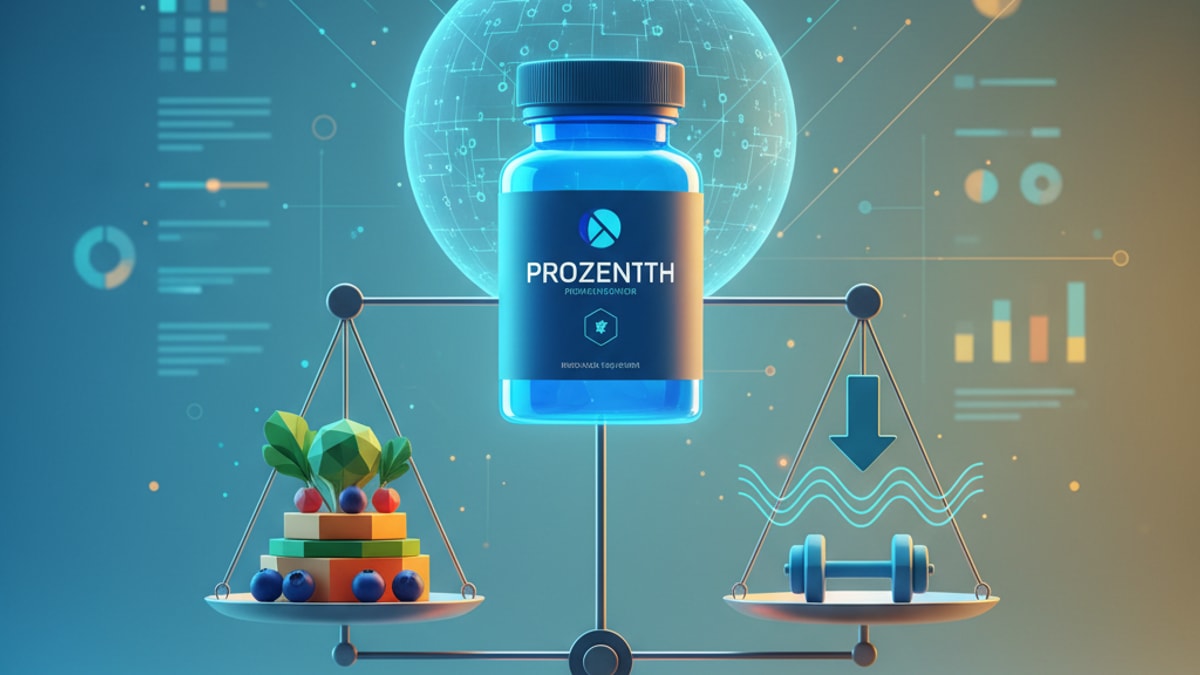
You typed some version of 'does prozenith work for weight loss' into a search bar for a reason. You're looking for answers. You're probably tired of the relentless cycle of promises and plateaus that defines so much of the weight management industry. It’s a space crowded with flashy labels, dramatic testimonials, and the seductive whisper of a quick fix. And honestly, who wouldn't want that? The desire for a straightforward solution to a complex, often frustrating problem is completely human.
Here at TrimrX, our team of clinicians and researchers spends every single day immersed in the science of metabolic health and sustainable weight loss. We've seen firsthand the hope and the disappointment that comes with navigating this sprawling landscape. So when a new product like Prozenith captures public attention, we feel it's our responsibility to provide a clear, science-backed perspective. We're not here to just dismiss it. We're here to deconstruct it, compare it to what we know works, and empower you with the knowledge to make the best decision for your health. Let's cut through the noise, together.
The Magnetic Pull of Weight Loss Supplements
Let's be honest. The appeal of an over-the-counter supplement is powerful. It feels accessible. You can click a button, and a bottle arrives at your door. There are no doctor's appointments, no prescriptions, just a simple, tangible step you can take right now. This is especially true for people juggling grueling work schedules and demanding family lives, where the idea of a complex medical program can feel like just one more formidable task on an already overflowing list.
These products are masterfully marketed to tap directly into that feeling. They often feature a cocktail of 'natural' ingredients—botanical extracts, vitamins, and minerals—that sound healthy and safe. The messaging promises to 'boost metabolism,' 'melt fat,' or 'suppress appetite' with minimal effort. It's a compelling narrative. We get it. Our team has spoken with countless patients who have spent significant money and emotional energy on these very promises, hoping this time would be different. The reality, however, is often a far more nuanced and frequently disappointing story.
The fundamental challenge with the entire supplement industry is a lack of rigorous oversight. Unlike pharmaceutical drugs, the Food and Drug Administration (FDA) doesn't vet dietary supplements for safety and effectiveness before they hit the market. The responsibility falls on the manufacturers themselves to ensure their products are safe and that their marketing claims aren't misleading. This creates a vast, gray area where efficacy can be suggested but is rarely, if ever, proven through the kind of high-quality, double-blind, placebo-controlled studies that are the absolute bedrock of modern medicine. It's a critical, non-negotiable distinction that gets lost in the marketing hype.
A Look Inside the 'Proprietary Blend'
So, when we ask, 'does Prozenith work for weight loss?', what we're really asking is: do its ingredients have a scientifically validated mechanism for producing significant, sustainable fat loss? While specific formulations for products like Prozenith can be proprietary or change over time, they typically draw from a familiar cast of characters found across the supplement aisle. Our researchers have analyzed hundreds of these formulas over the years.
Here's a breakdown of what we often find:
-
Stimulants (like Caffeine Anhydrous, Green Tea Extract): This is the most common category. Stimulants can, in fact, temporarily increase your metabolic rate and provide a slight boost in energy, which might lead to burning a few extra calories. Green tea extract contains compounds called catechins, particularly EGCG, which have been studied for their modest effects on metabolism. However, the effect is almost always minimal and temporary. Your body adapts. That initial jolt fades, and the metabolic benefit often flattens out. It’s not a mechanism for substantial, long-term weight loss, and it can come with side effects like jitters, anxiety, and sleep disturbances.
-
Fiber and Appetite Suppressants (like Glucomannan, Garcinia Cambogia): The logic here is simple: make you feel full, so you eat less. Soluble fibers like glucomannan absorb water in your stomach, expanding to create a sense of satiety. It can be somewhat effective for short-term appetite control. Garcinia Cambogia contains hydroxycitric acid (HCA), which was once hyped for blocking a fat-producing enzyme and increasing serotonin levels. But human studies have been incredibly underwhelming. The results are inconsistent and, when positive, the weight loss is typically trivial—maybe a pound or two more than a placebo over several weeks. It's not the game-changer it's often sold as.
-
Fat Blockers and Carb Blockers (like White Kidney Bean Extract): These ingredients aim to interfere with the digestion and absorption of macronutrients. For example, white kidney bean extract can inhibit the enzyme that breaks down complex carbohydrates. The idea is that undigested carbs pass through your system without their calories being absorbed. While there's some evidence for this mechanism, its real-world impact is often negligible. It doesn’t stop the absorption of simple sugars, and the amount of calories 'blocked' is usually not enough to move the needle on the scale in a meaningful way. We've seen it time and time again; this is not a sustainable strategy.
-
Thermogenic Agents (like Capsaicin, Forskolin): These are compounds that aim to raise body temperature, thereby increasing calorie burn. Capsaicin, the compound that makes chili peppers hot, can induce a small, temporary thermogenic effect. But let's be realistic. The amount of capsaicin needed to produce a significant caloric deficit would likely be intolerable for most people. The effect you get from a pill is, again, statistically tiny.
Is it possible to lose a little weight with these ingredients? Perhaps. But it's almost always due to a combination of a placebo effect and the fact that starting a supplement often coincides with a renewed focus on diet and exercise. The supplement gets the credit, but the lifestyle changes are doing the heavy lifting. The core problem remains: these ingredients don't address the complex hormonal and biological signals that regulate body weight. They're trying to patch a leaky dam with chewing gum.
The Critical Difference: Supplements vs. Medically-Guided Treatments
This is where the conversation needs to make a significant, sometimes dramatic shift. It's time to talk about the difference between a consumer product and a medical treatment. It's night and day.
When you're dealing with a persistent, chronic condition like obesity or being overweight, treating it requires addressing the underlying biology. This is something a handful of botanical extracts in a bottle simply cannot do. In recent years, biotechnology has delivered a formidable breakthrough in this area: GLP-1 (glucagon-like peptide-1) receptor agonists.
These aren't supplements. They are FDA-registered medications like Semaglutide and Tirzepatide—the very treatments we specialize in at TrimrX. They were developed through decades of rigorous scientific research and have been tested in extensive clinical trials involving tens of thousands of people. Their purpose isn't to give you a temporary jolt of energy or block a few carbs. Their purpose is to work with your body's own hormonal systems to fundamentally change the way you regulate hunger, satiety, and blood sugar.
Think about it this way: your body has a complex communication network that controls your weight, managed by hormones that send signals between your gut and your brain. For many people who struggle with weight, these signals are dysregulated. GLP-1 medications work by mimicking a natural gut hormone that tells your brain, 'I'm full and satisfied.' It slows down how quickly your stomach empties, keeping you feeling full longer, and it helps regulate your blood sugar. It fundamentally changes the conversation your body is having with itself about hunger. This isn't a trick. It's sophisticated biological intervention.
If you're tired of the supplement cycle and ready to see what a proven medical path looks like, you can Take Quiz on our site to find out if you're a candidate for treatment.
Comparing the Approaches: A Clear Look
To make this even clearer, our team put together a straightforward comparison. It's an unflinching look at the differences between the world of over-the-counter supplements and medically supervised GLP-1 programs like ours.
| Feature | Typical OTC Supplements (e.g., Prozenith) | Medically Supervised GLP-1s (TrimrX Program) |
|---|---|---|
| Mechanism of Action | Often vague; relies on mild stimulants, fibers, or unproven 'fat burners.' | Works on a hormonal level by mimicking GLP-1 to regulate appetite and satiety. |
| FDA Approval | Not required. Marketed as 'dietary supplements' with no pre-market review. | Medications are FDA-registered after extensive safety and efficacy trials. |
| Clinical Evidence | Minimal to none. Often relies on testimonials or small, low-quality studies. | Backed by large-scale, peer-reviewed clinical trials showing significant weight loss. |
| Professional Oversight | None. Purchased and used without any medical guidance or supervision. | Requires a prescription and is managed by a licensed medical team. |
| Personalization | One-size-fits-all product. | Dosage and treatment plan are tailored to the individual patient's needs. |
| Expected Results | Inconsistent and often negligible. Any loss is typically minor and temporary. | Clinically proven to result in significant and sustainable weight loss. |
Seeing it laid out like this makes the distinction stark. It's the difference between hoping something works and using something that's been proven to work.
Why Medical Supervision is Non-Negotiable
Even with a powerful tool like a GLP-1 medication, the 'go it alone' approach is a recipe for failure. That's a core belief at TrimrX, and our experience shows it's true. Real, lasting change requires a partnership between you and a medical team that understands the journey.
Why is this so crucial? First, safety. These are potent medications that need to be prescribed and monitored by professionals who can manage dosage, track your progress, and help you navigate any potential side effects. Self-medicating or acquiring these drugs through unregulated channels is incredibly risky. You don't know what you're getting, and you have no support system if something goes wrong.
Second, effectiveness. Our team doesn't just write a prescription. We create a comprehensive plan. We help you understand the nutritional and lifestyle adjustments that will maximize the medication's effectiveness and set you up for long-term success. The medication is a powerful catalyst for change, but it works best when integrated into a holistic strategy. We've found that patients who are engaged with our clinical team, who ask questions, and who work with us to fine-tune their approach see the most profound and lasting results. It's a collaborative process.
This is why we've built our program the way we have. It’s designed to provide you with both the cutting-edge medication and the continuous human support you need to succeed. We handle the prescriptions, the insurance paperwork (if applicable), and the ongoing check-ins, so you can focus on your health. It’s the kind of comprehensive care that the supplement industry simply cannot, and will not, provide. If you're ready to leave the guesswork behind, you can Start Your Treatment with us today.
So, to come back to the original question: does Prozenith work for weight loss? The most honest, science-backed answer is that it's highly unlikely to produce the kind of meaningful, sustainable results you're looking for. It operates in a world of mild effects and powerful marketing. The real breakthroughs, the kind that change lives, are happening in the world of medicine and biotechnology. They are happening with treatments that address the root biological drivers of weight. It's a more serious approach, yes. But it's also a more hopeful and, ultimately, more effective one. Choosing a path backed by science and guided by experts isn't just a better strategy—it's the respect your health journey deserves.
Frequently Asked Questions
Are the ingredients in supplements like Prozenith generally safe?
▼
While many common ingredients are ‘natural,’ it doesn’t automatically mean they’re safe for everyone. Stimulants can cause heart or blood pressure issues, and some herbal ingredients can interact with other medications. We always recommend consulting a doctor before starting any new supplement.
Can I take a supplement like Prozenith while on a GLP-1 medication like Semaglutide?
▼
Our medical team strongly advises against this without direct clinical approval. Combining supplements, especially those with stimulants or ingredients that affect digestion, with a potent medication like Semaglutide could lead to unpredictable side effects. Always disclose all supplements to your provider.
Why aren’t weight loss supplements reviewed by the FDA before being sold?
▼
Dietary supplements are regulated under a different set of regulations than prescription or over-the-counter drugs. The law does not require the FDA to approve supplements for safety or effectiveness before they reach the consumer, placing the burden of proof on the manufacturer.
What kind of results can I realistically expect from a medically supervised GLP-1 program?
▼
Clinical trials for medications like Semaglutide and Tirzepatide have shown average weight loss of 15% to over 20% of body weight for many participants. In our experience, individual results vary but are consistently more significant and sustainable than anything achievable with supplements.
How do I know if I’m a candidate for treatment with TrimrX?
▼
The first step is to complete our brief online quiz. It gathers basic health information that our clinical team reviews to determine if a GLP-1 treatment is a safe and appropriate option for you based on medical guidelines.
Is ‘boosting my metabolism’ a real strategy for weight loss?
▼
While some compounds can slightly and temporarily increase metabolic rate, the effect is almost always too small to cause significant weight loss. Sustainable results come from managing calorie intake and addressing hormonal signals, not from trying to ‘boost’ your metabolism a few percentage points.
Do GLP-1 medications have side effects?
▼
Yes, like any effective medication, they can have side effects. The most common are gastrointestinal, such as nausea or constipation, especially when starting treatment. Our medical team works closely with you to manage dosage and mitigate these effects, which often subside over time.
How is the TrimrX program different from just getting a prescription from my local doctor?
▼
Our program is specialized and comprehensive. We focus exclusively on GLP-1 treatments and provide a supportive ecosystem that includes ongoing medical consultations, personalized dosing, and a streamlined process for receiving medication, all designed to maximize your success.
If a supplement has thousands of positive online reviews, doesn’t that mean it works?
▼
Online reviews can be a poor indicator of a product’s true effectiveness. They can be influenced by the placebo effect, other lifestyle changes, or even fake testimonials. We rely on large-scale, controlled scientific studies, which are a much more reliable measure of efficacy.
What’s the most important factor for long-term weight loss success?
▼
In our extensive experience, the most critical factor is sustainability. This means choosing an approach that addresses the underlying biology of weight regulation, like GLP-1s do, and combining it with ongoing medical support and realistic lifestyle adjustments you can maintain for life.
Do I have to stay on medication like Semaglutide forever?
▼
Obesity is often considered a chronic condition, and GLP-1s are a tool for managing it. Treatment duration is a personalized decision made with your medical provider, focusing on maintaining health benefits and sustainable lifestyle changes.
How quickly can I expect to see results with a GLP-1 treatment?
▼
Many patients begin to notice a reduction in appetite within the first few weeks of treatment. Measurable weight loss typically follows steadily over the subsequent months as the dosage is optimized under our team’s guidance.

Transforming Lives, One Step at a Time
Keep reading

Do You Need a Prescription for GLP-1s? The 2026 Answer
Wondering ‘do you need a prescription for glp 1’ in 2026? Yes. We explain why a doctor’s oversight is critical for safe, effective results.

How to Get GLP-1 Covered By Insurance: Our 2026 Playbook
Struggling with how to get glp-1 covered by insurance? Our 2026 guide breaks down prior authorizations, appeals, and documentation.

Traveling with GLP-1s in 2026: Your Essential Trip-Proof Plan
Don’t let travel disrupt your GLP-1 treatment. Learn how to travel with glp 1 medications safely and stress-free in our 2026 expert guide.


