Does Prune Juice Help with Weight Loss? Our Team Weighs In
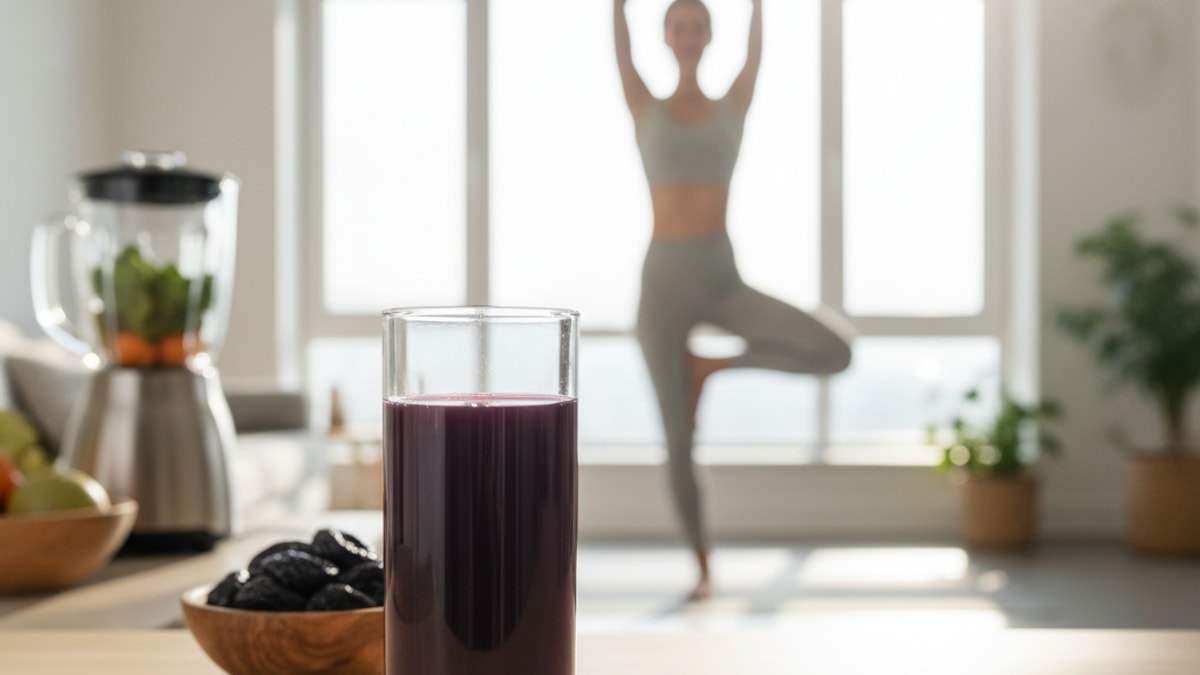
We've all been there. Standing in the grocery aisle, looking for something—anything—that might give us an edge on our health journey. The internet is a sprawling, often contradictory library of quick fixes and 'natural' secrets. And somewhere between the apple cider vinegar and the grapefruit diet, an old classic always seems to pop up: prune juice. It's been a household staple for generations, but the question keeps bubbling to the surface: does prune juice help with weight loss?
As a team dedicated to the science of metabolic health and sustainable weight management, we see this question come up a lot. People are looking for accessible, simple tools to support their formidable goals. And that’s a great instinct. But our professional experience has taught us that it’s critical to separate temporary effects from genuine, lasting change. So, we’re going to pull back the curtain on prune juice, look at it with an unflinching, evidence-based eye, and give you the real story. Not just the internet chatter.
What's Actually in That Glass?
Before we can talk about weight loss, we need to understand what we're consuming. Prune juice isn't just purple water; it's a concentration of several powerful components derived from dried plums. The label might seem simple, but the biological impact is surprisingly nuanced.
First and foremost is sorbitol. This is the star player. Sorbitol is a sugar alcohol that occurs naturally in many fruits. Here’s the key: our bodies don't digest it very well. Instead, it draws water into the large intestine, which softens stool and stimulates bowel movements. This osmotic laxative effect is precisely why prune juice is the go-to remedy for constipation. It’s effective. Very effective.
Then there's the fiber. While the juicing process removes a lot of the insoluble fiber found in whole prunes, some soluble fiber remains. Soluble fiber dissolves in water to form a gel-like substance in your digestive tract. This can help slow down digestion, which in turn can promote a feeling of fullness, or satiety. It’s also beneficial for feeding the good bacteria in your gut microbiome, a critical component of overall health that we're learning more about every day.
Finally, you've got a decent cocktail of vitamins and minerals. Prune juice is a notable source of potassium, which is crucial for fluid balance and nerve function, as well as Vitamin K, essential for blood clotting and bone health. It also contains various B vitamins and antioxidants. These are all good things, without a doubt. But their direct link to fat loss is, to be blunt, minimal.
So, you have a beverage that’s high in a natural laxative, contains some satiety-promoting fiber, and offers a few micronutrients. On the surface, it seems plausible that it could help with weight loss. But the mechanism is where things get complicated.
The Digestive Effect: Why It Feels Like It’s Working
Let’s be honest. The most immediate and noticeable effect of drinking prune juice is its impact on your digestive system. For someone feeling bloated or irregular, the relief it provides can be significant. And when you step on the scale the next morning and see the number has dropped a pound or two, it’s easy to draw a straight line and think, "This is working! I'm losing weight!"
But here's what our team can't stress enough: you're not losing fat. You're losing waste and water weight. It's a critical, non-negotiable distinction. Think of it like this: cleaning out your garage doesn't make your house smaller. You’ve simply cleared out accumulated clutter. Similarly, prompting a bowel movement lightens your body's temporary load, but it hasn't done anything to alter your underlying body composition or burn stored energy (fat). That feeling of being 'lighter' and less bloated is real, but it's a reflection of improved digestive transit, not metabolic change.
This temporary drop on the scale is one of the most misleading and, frankly, frustrating parts of the weight loss journey for many. It creates a false sense of progress and can lead people to rely on laxatives—natural or otherwise—as a weight management tool. This is a dangerous path. It doesn't address the root causes of weight gain and can mask underlying issues with your diet or gut health.
Does Prune Juice Help With Weight Loss Directly? The Hard Truth
Okay, let's tackle the main question head-on. Does prune juice directly cause your body to burn more fat? The simple answer is no. There is no magic ingredient in prunes that triggers lipolysis (the breakdown of fat cells).
However, the conversation is a bit more layered than a simple yes or no. There are a few indirect ways it could theoretically support a weight loss plan, but each comes with a massive caveat.
- Satiety and Appetite Control: The soluble fiber in prune juice can, as we mentioned, help you feel fuller for longer. If a small glass of prune juice helps you avoid reaching for a high-calorie snack an hour later, then yes, it has indirectly helped you maintain a calorie deficit. A calorie deficit is the fundamental requirement for weight loss. The problem? Prune juice itself contains a significant number of calories and, more importantly, sugar.
- Blood Sugar Regulation: Compared to sucrose (table sugar), the sorbitol and fructose in prune juice have a lower glycemic index. This means they cause a slower, less dramatic spike in blood sugar. Stable blood sugar is fantastic for managing cravings and energy levels, which is a huge asset in any weight loss effort. However, it's crucial to remember that it's still sugar. An 8-ounce glass of prune juice can pack over 40 grams of sugar and nearly 200 calories. That's comparable to a can of soda. If you're not accounting for those calories, you could easily be sabotaging your own efforts.
Our experience shows that many well-intentioned people add things like prune juice to their diet without subtracting anything else. They believe they're adding a 'health food' without realizing they're also adding a significant caloric load. Over a week, that one glass a day adds up to 1,400 extra calories—enough to potentially cause weight gain, not loss.
Prune Juice vs. Whole Prunes: A Clear Winner
This is a conversation we have frequently with clients. When it comes to fruits, the whole form is almost always superior to the juice, and this case is no exception. The difference is dramatic.
Let's break it down in a simple table.
| Feature | Prune Juice (8 oz) | Whole Prunes (4-5 prunes) |
|---|---|---|
| Calories | ~180-200 calories | ~90-115 calories |
| Total Fiber | ~2.5 grams | ~6 grams |
| Sugar | ~42 grams | ~22 grams |
| Satiety Effect | Low to Moderate | High |
| Chewing Required | None | Yes (signals fullness to the brain) |
| Our Recommendation | Use sparingly for constipation | The far superior choice for daily health |
Looking at this, the choice is obvious. By eating a few whole prunes, you get more than double the fiber, about half the sugar, and half the calories. The act of chewing itself is a crucial part of the satiety process, sending signals to your brain that you're consuming food. You simply don't get that from drinking. The fiber in whole prunes—both soluble and insoluble—works together to create bulk and slow digestion much more effectively than the juice alone. We mean this sincerely: if you're looking to incorporate the benefits of prunes into your diet, stick with the whole fruit.
A Smarter Way to Think About Prunes
So, prune juice is out as a weight loss hero. But that doesn't mean prunes themselves have no place in a healthy diet. They can be a fantastic tool when used strategically.
Instead of chugging juice, think of whole prunes as a fiber-rich, naturally sweet ingredient. Here are some smart ways our team suggests incorporating them:
- The Power Snack: Pair two or three dried prunes with a handful of almonds or walnuts. The combination of fiber from the prunes and protein/healthy fats from the nuts is a powerhouse for satiety that will keep you full for hours.
- Oatmeal Upgrade: Chop one or two prunes and stir them into your morning oatmeal. This adds natural sweetness without needing to resort to brown sugar or maple syrup, and it gives you a great fiber boost to start your day.
- Savory Surprise: Prunes work beautifully in savory dishes. They can be added to stews, tagines, or sauces for roasted meats like pork or chicken, adding a deep, complex sweetness that balances the dish.
The key, as with everything, is moderation. They are still a dried fruit, meaning their sugar and calories are concentrated. But a few here and there can be a valuable part of a balanced, whole-foods-based eating plan.
Beyond the Juice: What Really Drives Sustainable Weight Loss
Here’s the reality. Focusing on whether one specific food, like prune juice, can solve your weight loss challenges is like trying to fix a car's engine by changing the air freshener. You're working on the periphery, not the core mechanism.
Sustainable, meaningful weight loss is a formidable, moving-target objective. It’s a complex interplay of biology, behavior, and environment. At TrimrX, we've built our entire approach around addressing the deep-seated biological factors that make weight loss so difficult. The real drivers are:
- Consistent Caloric Deficit: Consuming fewer calories than your body expends.
- Macronutrient Balance: Getting the right proportion of protein, fats, and carbohydrates to support muscle mass and manage hunger.
- Hormonal Regulation: Managing hormones like insulin and ghrelin that control fat storage and appetite.
- Metabolic Health: Ensuring your body's energy-processing systems are functioning optimally.
For many people, especially those who have struggled with yo-yo dieting for years, willpower alone isn't enough to manage these complex systems. That's where modern medicine offers a revolutionary shift. Medically-supervised treatments using GLP-1 agonists like Semaglutide and Tirzepatide work on a fundamental biological level. They don't just ask you to eat less; they work with your body's own hormonal pathways to naturally regulate appetite, slow digestion, and stabilize blood sugar. It’s a profound change, targeting the very systems that make you feel hungry in the first place.
This approach isn't a quick fix; it's a powerful tool that, when combined with lifestyle changes, helps reset your body's metabolic baseline. It addresses the root cause, not just the symptoms. For anyone who feels like they've tried everything, understanding how these medical advancements can support your journey is a critical next step. If you're curious, you can learn more about your own situation by taking our quick, confidential Take Quiz.
This is about moving beyond the cycle of hope and disappointment that comes with 'magic bullet' thinking. It’s about leveraging science to give you the support your body actually needs.
Our team has seen it time and time again: a person comes to us after years of trying every diet, every cleanse, every 'natural' remedy they could find. They've blamed themselves, their lack of discipline, their genetics. But the problem was never a lack of effort. The problem was they were trying to fight their own biology with inadequate tools. When you provide a tool that works with their biology, the entire landscape changes. The struggle becomes manageable. Success becomes achievable.
If you're truly ready to stop looking for answers in the juice aisle and start a medically-guided path toward lasting health, it may be time to Start Your Treatment with a team that is dedicated to the science of real, sustainable results.
Ultimately, while a glass of prune juice might help you feel a bit lighter tomorrow, it won't contribute to a healthier you next year. That kind of lasting change doesn't come from a quick fix. It comes from a deep, comprehensive strategy that addresses the real, underlying drivers of weight and health. It’s about building a new foundation, not just patching the cracks.
Frequently Asked Questions
How much prune juice is too much for weight loss?
▼
We don’t recommend prune juice for weight loss at all due to its high sugar content. For digestive regularity, a small glass of 4-6 ounces is typically sufficient. Consuming more can lead to excessive calorie intake and gastrointestinal distress, hindering your goals.
Can prune juice help reduce belly fat specifically?
▼
No, it’s not possible to ‘spot reduce’ fat from any specific area of the body. Prune juice does not contain any compounds that target belly fat. Lasting fat loss, including from the abdominal area, is achieved through a consistent calorie deficit and a comprehensive health plan.
Is it better to drink prune juice in the morning or at night?
▼
The timing doesn’t significantly impact its effects on weight, but it does for digestion. Many people prefer drinking it at night to promote a bowel movement in the morning. However, be mindful of the sugar content before bed, which can disrupt sleep for some individuals.
Does drinking prune juice break an intermittent fast?
▼
Yes, absolutely. Prune juice contains calories, sugar, and carbohydrates, all of which will raise your insulin levels and break a fast. Only water, black coffee, or plain tea are generally considered acceptable during a fasting window.
What’s the difference between prune juice and other fruit juices for weight loss?
▼
Most fruit juices are not ideal for weight loss due to concentrated sugar and lack of fiber. While prune juice has the unique laxative effect from sorbitol, from a calorie and sugar perspective, it’s very similar to grape or apple juice and should be limited.
Can I get the same benefits from eating whole prunes instead of the juice?
▼
You get far better benefits from whole prunes. They provide significantly more fiber, less concentrated sugar, and fewer calories per serving. The act of chewing whole prunes also contributes to satiety, making them a much smarter choice for both digestive health and weight management.
Will I become dependent on prune juice if I drink it every day?
▼
Yes, it is possible to become dependent on any laxative, including natural ones like prune juice, for regular bowel function. It’s much healthier to address the root cause of constipation through a diet high in fiber from various sources, adequate hydration, and regular physical activity.
Is prune juice a ‘detox’ drink?
▼
The term ‘detox’ is largely a marketing concept. Your liver and kidneys are your body’s natural, highly effective detoxification system. While prune juice can help eliminate waste from your digestive tract, it doesn’t ‘detox’ your body in a clinical sense.
Are there any health risks associated with drinking too much prune juice?
▼
Drinking excessive amounts can lead to digestive issues like gas, bloating, and diarrhea. The high sugar content can also be problematic for individuals with blood sugar regulation issues, and the high calorie count can contribute to weight gain if not accounted for.
How does prune juice compare to a medical weight loss treatment like Semaglutide?
▼
They are fundamentally different and not comparable. Prune juice is a digestive aid that can cause temporary water weight loss. Medically-supervised treatments like Semaglutide are GLP-1 medications that work on a hormonal level to regulate appetite and blood sugar, addressing the biological roots of weight gain for sustainable results.
Is prune juice keto-friendly?
▼
No, prune juice is not keto-friendly. It is very high in sugar and carbohydrates, which would quickly exceed the strict daily carb limits of a ketogenic diet and prevent your body from entering or staying in a state of ketosis.

Transforming Lives, One Step at a Time
Keep reading

Do You Need a Prescription for GLP-1s? The 2026 Answer
Wondering ‘do you need a prescription for glp 1’ in 2026? Yes. We explain why a doctor’s oversight is critical for safe, effective results.

How to Get GLP-1 Covered By Insurance: Our 2026 Playbook
Struggling with how to get glp-1 covered by insurance? Our 2026 guide breaks down prior authorizations, appeals, and documentation.

Traveling with GLP-1s in 2026: Your Essential Trip-Proof Plan
Don’t let travel disrupt your GLP-1 treatment. Learn how to travel with glp 1 medications safely and stress-free in our 2026 expert guide.


