Does Semaglutide Have to Be Refrigerated?

Introduction
The arrival of your medication is a significant milestone in your weight loss journey. You have done the research, completed your consultation, and are ready to take control of your metabolic health. However, as you open the package, you might find yourself wondering exactly how to handle this new tool. One of the most common questions we receive is whether semaglutide requires constant refrigeration to remain effective.
At TrimRx, we believe that understanding the practical logistics of your treatment is just as important as the clinical science behind it. Storing your medication correctly ensures that every dose remains potent and safe, protecting the investment you are making in your well-being. This article will explore the temperature requirements for various forms of semaglutide, the reasons why heat can be a threat to your progress, and how to maintain the “cold chain” from the pharmacy to your home. For additional guidance, review this semaglutide storage and handling guide. Proper storage is the foundation of a successful treatment program.
The Science of Stability: Why Temperature Matters
To understand why storage is so critical, we must look at what semaglutide actually is. Semaglutide is a GLP-1 receptor agonist, which is a type of medication that mimics a natural hormone in your body called glucagon-like peptide-1. This hormone is responsible for signaling fullness to the brain and helping the body manage blood sugar levels effectively.
From a molecular standpoint, semaglutide is a peptide. A peptide is a short chain of amino acids held together by chemical bonds. These bonds are specifically folded into a shape that allows the medication to “lock” into receptors in your body. However, these peptide bonds are delicate. They are sensitive to environmental stressors, particularly extreme heat and freezing temperatures.
When a peptide is exposed to high temperatures, it can undergo a process called denaturation. This means the protein loses its shape and structure. If the shape changes, the medication can no longer fit into the receptors in your body correctly. The result is a loss of potency; the medication might not suppress your appetite or regulate your glucose as intended. This is why maintaining a consistent temperature is not just a suggestion—it is a requirement for the medication to work.
Key Takeaway: Semaglutide is a fragile peptide that can break down if it gets too hot or too cold. Maintaining the correct temperature ensures the molecule stays “active” so it can effectively support your weight loss goals.
Storage Guidelines for Branded Medications
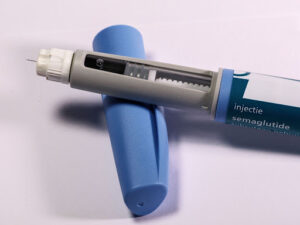
If you are using branded versions of semaglutide, such as Ozempic® or Wegovy®, the manufacturer provides specific instructions based on extensive stability testing. While these medications contain the same active ingredient, their delivery systems and preservatives can result in slightly different storage windows.
Ozempic® Storage Requirements
Ozempic® is a multi-dose pen used for the management of type 2 diabetes and, in some cases, prescribed off-label for weight management.
- Before first use: Unopened pens must be stored in the refrigerator between 36°F and 46°F (2°C to 8°C).
- After first use: Once you have taken your first dose, you have a choice. You can keep the pen in the refrigerator or store it at room temperature (between 59°F and 86°F) for up to 56 days.
- Important note: Regardless of where you store it, the pen must be discarded 56 days after the first puncture, even if there is medication left inside.
Wegovy® Storage Requirements
Wegovy® is FDA-approved specifically for chronic weight management. It typically comes in single-dose pens.
- Standard storage: Like other injectables, Wegovy® should be kept in the refrigerator between 36°F and 46°F until you are ready to use it.
- Room temperature window: If necessary—for example, if you are traveling or your refrigerator fails—an unopened Wegovy® pen can be kept at room temperature (up to 86°F) for up to 28 days.
- Protection from light: It is essential to keep the pen in its original carton. Exposure to light can degrade the medication just as heat does.
For a broader comparison of branded and compounded products, read this GLP-1 refrigeration and storage guide.
Storing Compounded Semaglutide
Many people access their treatment through compounded semaglutide. These medications are prepared by specialized pharmacies to meet specific patient needs, such as different dosages or the removal of certain allergens. It is important to note that compounded semaglutide is not FDA-approved. However, it is prepared in FDA-registered and inspected compounding pharmacies that follow strict quality standards.
Because compounded medications may use different preservatives or concentrations than branded pens, their storage requirements are often more stringent. Most compounding pharmacies recommend that the medication remain in the refrigerator at all times.
For more information about dating and refrigeration, review this compounded semaglutide storage and shelf-life guide.
Following the Beyond Use Date (BUD)
Compounded medications do not have the same long-term expiration dates as mass-produced branded drugs. Instead, they feature a “Beyond Use Date” (BUD). This is the date after which the pharmacy can no longer guarantee the sterility or potency of the medication.
- Strict Refrigeration: Most compounded vials should be kept in the fridge at 36°F to 46°F, even after the first dose is drawn.
- The 28-Day Rule: Once you puncture the rubber stopper of a multi-dose vial, you introduce air and potential contaminants. Many pharmacies recommend using the vial within 28 to 30 days of the first puncture, provided it has been stored correctly.
- Check Your Label: Because every compounding pharmacy may have a slightly different formulation, the instructions on your specific pharmacy label are the final authority.
Quick Answer: Yes, injectable semaglutide generally must be refrigerated before its first use. While some branded versions allow for room temperature storage after opening, compounded versions usually require the refrigerator at all times to maintain stability.
If you are considering a medically supervised prescription program, complete a free eligibility assessment to see whether treatment may be appropriate for your health profile.
Oral Semaglutide: A Different Set of Rules
Not all semaglutide comes in an injectable format. Rybelsus® is the branded oral tablet version of semaglutide. Because it is a solid tablet rather than a liquid solution, it does not require refrigeration.
Rybelsus® Storage Tips
- Room Temperature: Store tablets at room temperature, ideally between 68°F and 77°F.
- Moisture Protection: The most significant threat to oral semaglutide is moisture. These tablets are highly sensitive to humidity.
- Original Packaging: You must keep the tablets in their original blister pack until the moment you take them. Never move them to a daily pill organizer, as exposure to the air can cause them to break down and lose effectiveness.
For another explanation of oral and injectable storage differences, see this guide to storing weight loss medications.
The Dangers of Freezing
While heat is a well-known enemy of GLP-1 medications, freezing is arguably more destructive. If semaglutide freezes, it is permanently ruined.
When the liquid solution freezes, the water molecules expand and can physically break the peptide chains. Even if the medication thaws and looks clear, the molecular structure has been altered. Using frozen and thawed semaglutide is not recommended because the medication will likely be inactive.
How to avoid accidental freezing:
- Placement in the fridge: Do not store your medication in the very back of the refrigerator or near the cooling element. These areas are prone to “cold spots” where temperatures can dip below freezing.
- Avoid the door: While the door is safer from freezing, the temperature there fluctuates too much when the door is opened and closed. The middle shelf is the “Goldilocks zone” for your medication.
- Travel precautions: If you use ice packs for travel, never let the vial or pen touch the ice pack directly. Wrap the medication in a small towel or bubble wrap first.
Myth: “If my semaglutide freezes, I can just thaw it out and it will be fine.” Fact: Freezing causes irreversible damage to the peptide structure. If you see ice crystals or know the medication has frozen, you should discard it and contact your provider.
For additional guidance, read about protecting GLP-1 medication from accidental freezing.
Traveling with Your Medication
Maintaining the “cold chain” becomes more complex when you leave the house. Whether you are going on a business trip or a vacation, you need a plan to keep your medication within the safe temperature range.
Air Travel and TSA
When flying, never put your semaglutide in checked luggage. The cargo hold of an airplane is not temperature-controlled and can experience extreme heat or freezing cold. Additionally, there is always a risk of lost luggage.
- Carry-on only: Keep your medication in your carry-on bag.
- Liquid rules: The TSA allows medically necessary liquids, such as injectable medications, even if they exceed 3.4 ounces.
- Notification: Inform the TSA officer that you are carrying medication that requires refrigeration. It is helpful to have your prescription label or a copy of your treatment plan handy, though it is not always required.
Travel Coolers and Insulated Bags
For long car rides or flights, invest in a dedicated medical travel cooler. These are small, insulated pouches designed for insulin or GLP-1 medications. They often come with small gel packs that can keep the interior cool for several hours.
Step 1: Prepare your cooler. / Place your gel packs in the freezer 24 hours before your trip. Step 2: Wrap the medication. / Use a paper towel or cloth to ensure the pen or vial doesn’t touch the ice directly. Step 3: Monitor the time. / Note how long your cooler is rated to stay cold and plan your arrival accordingly.
For more trip-planning suggestions, review this practical guide to traveling with semaglutide.
How to Tell if Semaglutide Has Spoiled
Even with the best intentions, a power outage or a forgotten bag can happen. It is important to know the visual signs of compromised medication. Semaglutide should be a clear, colorless liquid—it should look exactly like water.
Warning signs to look for:
- Cloudiness: If the liquid looks milky, hazy, or cloudy, the proteins may have denatured or bacteria may be present.
- Particulates: If you see tiny flakes, strings, or “snow” floating in the liquid, the medication is breaking down.
- Color changes: Any yellow, brown, or pink tint is a sign of chemical degradation.
- Texture changes: If the liquid seems thicker or “syrupy” compared to previous doses, it may be compromised.
Important: If you notice any of these visual changes, do not inject the medication. Using spoiled semaglutide may result in an injection site reaction or simply be ineffective for your weight loss progress.
Managing Power Outages at Home
A sudden loss of power can be stressful when you have temperature-sensitive medication in the fridge. In the event of an outage, the first rule is to keep the refrigerator door closed. A standard refrigerator can maintain a safe temperature for about four hours if it remains sealed.
If the power is out for longer, move your medication to a small cooler with ice packs. If you find that your medication has reached room temperature during an outage, check the manufacturer’s guidelines (for branded pens) or your pharmacy label (for compounded vials). In many cases, if the medication has only been at room temperature for a day or two, it is still safe to use—but its “shelf life” has now been shortened to the room temperature window (usually 28 to 56 days).
The TrimRx Approach to Patient Care
At TrimRx, we understand that weight loss is about more than just a prescription. It is about having the right information and support to make your program work in the real world. Our telehealth platform is designed to bridge the gap between clinical expertise and your daily routine.
We provide a personalized approach to weight management, ensuring that every individual receives the guidance they need to succeed. From the moment you complete our free assessment quiz to the day your medication arrives at your door, our goal is to provide transparency and clarity. We partner with FDA-registered compounding pharmacies to ensure your medication is handled with the highest care, but the final step of the “cold chain” belongs to you. By following these storage guidelines, you are ensuring that your treatment is as effective as possible.
Conclusion
Does semaglutide have to be refrigerated? For most people using injectable formats, the answer is a definitive yes. While there is some flexibility for branded pens once they are in use, the most reliable way to protect the potency of your medication is to keep it in the refrigerator. By understanding the science of peptide stability and following simple storage habits, you can feel confident that every dose is supporting your metabolism and your goals.
- Stay in the middle: Store vials and pens on the middle shelf of the fridge, away from “cold spots” and the door.
- Watch the clock: Use the 28-to-56-day window for room temperature storage only when necessary.
- Verify visually: Always check your medication for cloudiness or particles before injecting.
- Travel with a plan: Use carry-on bags and insulated pouches to keep the cold chain intact.
Sustainable health is a journey of many small, consistent actions. Proper medication storage is one of those actions that ensures your hard work pays off. If you are ready to start a personalized, medically supervised program, we are here to support you every step of the way. Take the first step by completing our free assessment quiz to see which program is right for your health profile.
FAQ
How long can semaglutide stay out of the fridge?
For branded pens like Ozempic®, the medication can stay at room temperature for up to 56 days after the first use, while Wegovy® can stay out for up to 28 days before or after use. However, compounded semaglutide usually lacks the same stabilizers and should generally not be left out of the refrigerator for more than a few minutes during administration.
Can I use semaglutide if it was accidentally frozen?
No, you should not use semaglutide that has been frozen. Freezing destroys the delicate peptide structure of the medication, rendering it ineffective. If you see ice crystals in the vial or if the pen was stored in the freezer, it must be discarded.
What should I do if my medication arrives warm?
If your shipment from a compounding pharmacy arrives and the cooling packs are completely melted or the vial feels warm to the touch, do not use it yet. Place it in the refrigerator to prevent further warming and contact your provider or the pharmacy immediately to determine if the medication is still safe to use.
Why does oral semaglutide not need to be refrigerated?
Oral semaglutide, such as Rybelsus®, is formulated as a stable tablet rather than a liquid solution. Tablets are less sensitive to temperature than liquid peptides, though they are highly sensitive to moisture and must be kept in their original, air-tight blister packaging until use.
If you are exploring prescription GLP-1 treatment, see if you qualify for a personalized program.
Disclaimer: This content is for informational purposes only and does not constitute medical advice. It is not intended to diagnose, treat, cure, or prevent any disease or condition. Individual results may vary. Always consult a qualified healthcare professional before starting any weight loss program or medication.

Transforming Lives, One Step at a Time
Keep reading
Semaglutide vs Tirzepatide: Comparing Weight Loss, Blood Sugar, and Side Effects
Semaglutide and Tirzepatide are one of the most common comparisons in medical weight loss. The two medications share a clear family resemblance. Both are…

How Much Weight Can You Lose on Semaglutide?
How much weight can you lose on semaglutide? The answer varies depending on your starting weight, dosage, treatment duration, and individual response to the…

Hair Shedding Months Into Semaglutide
It shows up in the shower drain first, then on the pillow, then in the brush. By the time most people search this, they…


