Does Skin Shrink After Weight Loss? An Expert Medical Breakdown
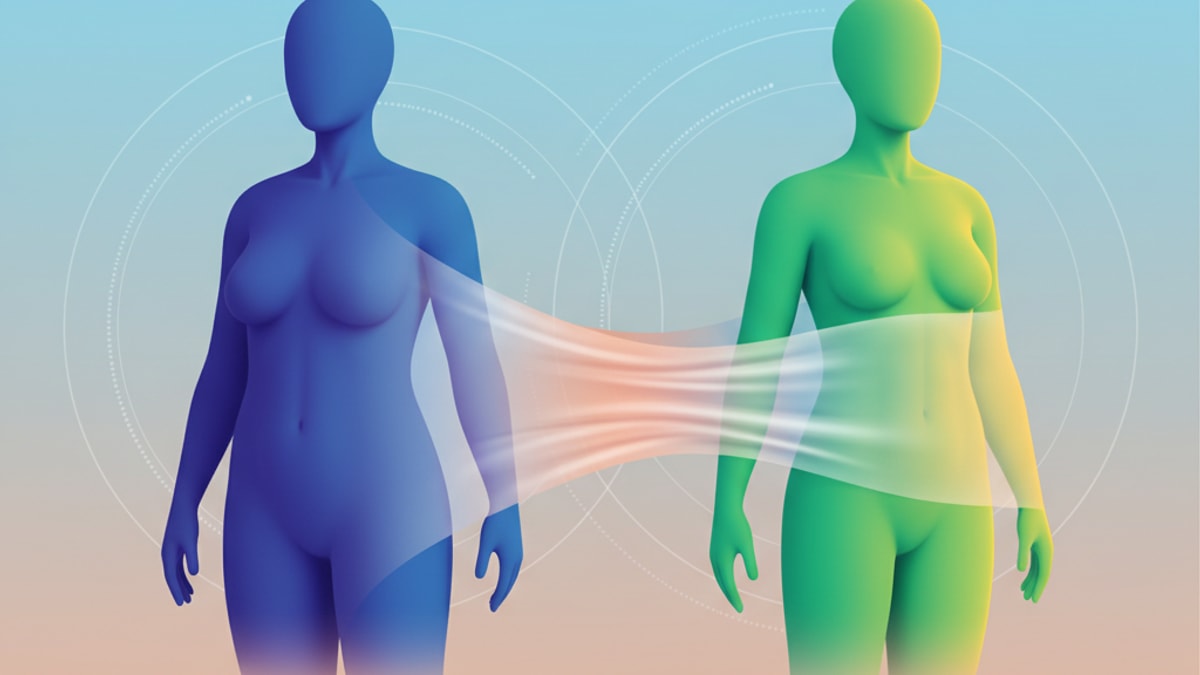
You did it. The scale reflects a number you haven’t seen in years, your clothes fit better, and you feel a renewed sense of energy. It’s a monumental achievement, a testament to your dedication and a victory for your long-term health. But as you admire your progress, another question starts to creep in, a quiet concern that many people are hesitant to voice: what about my skin? It's the unspoken postscript to so many incredible weight loss stories. And the central question—does skin shrink after weight loss?—deserves a direct, honest answer.
Here at TrimrX, we guide people through transformative, medically-supervised weight loss journeys every single day. We celebrate every pound lost because we know it represents a step toward a healthier future. We also understand that the journey doesn’t just end when you hit a goal weight. The physical and emotional adjustments continue, and navigating the changes to your skin is a huge part of that. So let's talk about it, openly and with the scientific backing you deserve. We're not here to offer platitudes; we're here to provide clarity on what's happening to your body and what you can realistically expect.
The Real Science of Skin Elasticity
To understand if skin can bounce back, we first need to appreciate what it is: your body's largest organ. It's a complex, living system. Think of it like a high-tech fabric designed to stretch and contract. The magic happens in the dermis, the middle layer of your skin. This layer is a matrix of fibers, primarily collagen and elastin.
Collagen provides structure and firmness. It’s the scaffolding. Elastin, as the name implies, is responsible for elasticity—the skin's ability to snap back into place after being stretched. A healthy, youthful supply of collagen and elastin gives skin its plump, firm, and resilient quality. When you’re young, this system is incredibly efficient. Pinch the skin on the back of a child’s hand, and it snaps back instantly. That’s peak elastin performance.
When you gain weight, your skin has to stretch to accommodate the increased volume. It's a slow, gradual process. For a while, the elastin and collagen fibers can handle it. But if the skin remains stretched for an extended period—months or, more often, years—these fibers can become damaged and lose some of their contractile ability. It's like a rubber band that's been stretched around a thick book for a year. When you finally take it off, it’s still a rubber band, but it's longer and looser than it was originally. It has lost some of its memory. That's essentially what happens to your skin's foundational structure.
Key Factors That Influence Skin Retraction
So, does skin shrink after weight loss? Yes, it does. But the degree to which it shrinks is the multi-million dollar question, and it depends on a sprawling list of variables. Our experience shows that it's never just one thing, but a combination of factors that dictates the outcome. Some of these you can control, and others, well, you can't.
Age is a Big One
We can’t pretend it’s not. As we age, our bodies naturally produce less collagen and elastin. This process starts as early as our mid-20s. A 25-year-old who loses 50 pounds will likely see a much more significant skin retraction than a 55-year-old losing the same amount of weight. Their skin simply has more of the biological machinery needed to bounce back. It's a biological reality.
The Sheer Amount of Weight Lost
This is pure physics. The more weight you lose, the more excess skin you're likely to have. Someone losing 20-40 pounds might not notice much skin laxity at all. But for someone who has lost 100, 150, or even 200+ pounds, there's a much greater volume that the skin once had to cover. That's a profound amount of stretching, and expecting a complete snap-back is often unrealistic.
How Long You Carried the Extra Weight
Duration matters just as much as volume. If you gained and lost 60 pounds over two years, your skin has a better chance of recovering than if you carried that same 60 pounds for two decades. The longer the collagen and elastin fibers are held in that stretched state, the more likely they are to be permanently altered.
Your Genetics
This is the factor that can feel the most unfair. Some people are simply born with skin that is genetically more resilient and elastic than others. You’ve probably met someone who seems to defy the rules—they lost a lot of weight and have minimal loose skin. Genetics play a formidable role in the quality and quantity of your collagen and elastin. You can’t change your genes, but you can focus on the factors you can control.
Sun Exposure and Lifestyle Choices
Here’s a factor you absolutely can influence. Chronic, unprotected sun exposure is catastrophic for collagen and elastin. UV rays actively break down these crucial fibers, accelerating the aging process and robbing your skin of its ability to repair itself. We can't stress this enough: protecting your skin from the sun is one of the most powerful things you can do for its long-term health and elasticity. Similarly, smoking is a well-known skin killer. It constricts blood vessels, reducing the flow of oxygen and essential nutrients to the skin, which directly impairs its ability to generate new collagen and heal.
Strategies We Recommend to Support Your Skin's Health
While you can't turn back the clock or change your DNA, you can absolutely take proactive steps to support your skin's health and maximize its potential to tighten after weight loss. This is a critical, non-negotiable element of a holistic weight loss journey. It’s about more than just a number on the scale; it’s about feeling good in your new body.
Prioritize Protein and Nutrient-Dense Foods
Your skin is built from the nutrients you consume. Protein is the primary building block. Amino acids, particularly glycine, proline, and hydroxyproline, are essential for collagen synthesis. For our patients on GLP-1 medications like Semaglutide and Tirzepatide, we consistently emphasize the importance of meeting protein goals. These medications can reduce appetite significantly, so making every calorie count with high-quality protein sources is vital not just for muscle preservation, but for skin health, too. Beyond protein, nutrients like Vitamin C (a critical co-factor for collagen production), zinc, and copper are also essential. Think lean meats, fish, eggs, citrus fruits, leafy greens, and nuts.
Build the Muscle Beneath
This is, without a doubt, one of the most effective strategies. We've seen it work time and time again. While you can't shrink skin cells, you can build muscle cells. Engaging in consistent strength training helps to fill the space where fat used to be. Developing lean muscle mass under the skin provides a firmer foundation, which can dramatically improve the appearance of skin laxity. It creates a smoother, tighter-looking contour. This isn't about becoming a bodybuilder; it’s about a consistent routine of resistance training two to three times a week to build a strong, healthy frame.
Hydration is Not a Myth
Properly hydrated skin is more plump and resilient. Dehydration can make skin look more crepey and slack than it actually is. Water is essential for maintaining optimal skin function and blood flow, which delivers those vital nutrients we talked about. Aim for consistent hydration throughout the day. It's a simple habit with a noticeable impact.
Consider the Pace of Your Weight Loss
Rapid, drastic weight loss from crash diets can be a shock to the system and doesn't give your skin adequate time to adapt and retract. This is one of the profound benefits of a medically supervised program. With treatments like GLP-1s, weight loss is typically steady and sustainable—often 1-2 pounds per week. This gradual pace is far kinder to your skin's elasticity, allowing it more time to slowly conform to your body's changing shape. If you're ready to explore a method that prioritizes your long-term health and sustainable results, you can Take Quiz to see if our program is right for you.
Comparison: At-Home vs. Professional Skin Tightening
It's easy to get overwhelmed by the sheer number of products and treatments claiming to tighten loose skin. Let’s be honest, the promises often outweigh the results. We've created this table to help you understand the landscape and set realistic expectations for what different approaches can achieve.
| Feature | At-Home Methods (Creams, Massage) | Professional Non-Invasive (RF, Ultherapy) | Surgical Options (Body Contouring) |
|---|---|---|---|
| Effectiveness (Mild Laxity) | Minimal. May slightly improve texture and hydration. | Moderate. Can produce noticeable firming over several sessions. | Highly Effective. The gold standard for significant correction. |
| Effectiveness (Severe Laxity) | Ineffective. Cannot address significant excess skin. | Limited to no effect. Not designed for this purpose. | Highly Effective. The only method that removes excess skin. |
| Primary Mechanism | Topical ingredients (retinoids, peptides) or manual stimulation. | Using heat (Radiofrequency) or sound waves (Ultrasound) to stimulate collagen. | Physical excision of excess skin and fat. |
| Cost | Low ($50 – $200) | Moderate to High ($1,500 – $5,000+ per area) | Very High ($8,000 – $20,000+ per area) |
| Downtime | None | Minimal to none. Some redness or swelling may occur. | Significant (2-6 weeks of recovery, with lasting scars). |
| Key Consideration | Best for skin texture maintenance, not true tightening. | Results are gradual and require maintenance. Best for mild cases. | A major surgery with serious risks and a permanent solution. |
When Surgery Might Be the Right Conversation
For individuals who have lost a substantial amount of weight, non-invasive treatments and lifestyle strategies may not be enough to address the amount of excess skin. In these cases, body contouring surgery is a valid and often life-changing option. This isn't about vanity. Let's be very clear about that.
Significant amounts of loose skin can cause real physical problems. It can lead to painful chafing, rashes, and infections in the skin folds. It can make finding clothes that fit properly a frustrating ordeal and even interfere with exercise. Beyond the physical, the emotional toll can be immense, making someone feel disconnected from the healthy, slender body they’ve worked so hard to achieve.
Procedures like a tummy tuck (abdominoplasty), a lower body lift, an arm lift (brachioplasty), or a thigh lift are designed to remove this excess skin and fat, creating a smoother and more natural contour. It's a serious step, and it's crucial to have this conversation with a board-certified plastic surgeon. A reputable surgeon will want to see that your weight has been stable for at least six months, preferably a year, before considering surgery. This ensures the results will be lasting and that your body is in a healthy state to undergo the procedure.
We see surgery as the final, powerful step for some patients in completing their transformation. It’s a personal decision, and one that should be made with full information and realistic expectations about recovery and scarring.
Your weight loss is an incredible accomplishment for your health. Full stop. It reduces your risk for a host of chronic diseases and can add years to your life. If you end the journey with some loose skin, it is not a failure—it's a reminder of how far you’ve come. It's a map of your success. Embracing your new, healthier body is a process, and it involves self-compassion and patience.
Focus on the incredible things your body can do now. Focus on the energy you have, the activities you can enjoy, and the healthy future you've built. Whether you choose to address loose skin through fitness, non-invasive treatments, or surgery, the choice is yours. Our mission at TrimrX is to provide the medical support to help you achieve a healthy weight safely and sustainably. We’re here to help you start that chapter. If you’re ready to take control of your health with a team that understands the whole journey, we encourage you to Start Your Treatment Now.
Frequently Asked Questions
How long does it take for skin to tighten after weight loss?
▼
Skin retraction is a very gradual process that can take anywhere from several months to two years. The final result depends heavily on factors like age, genetics, and the amount of weight lost. Patience is absolutely key.
Will losing weight slowly with a GLP-1 medication prevent loose skin?
▼
Losing weight at a slow, steady pace—like the 1-2 pounds per week common with GLP-1 treatments—gives your skin more time to adapt and may help maximize its natural retraction. While it can’t guarantee zero loose skin, our experience shows it’s far better than rapid weight loss from crash dieting.
Do skin firming creams actually work for loose skin?
▼
Topical firming creams can offer modest improvements in skin texture and hydration, making it appear slightly plumper. However, they cannot fundamentally tighten significantly loose skin. Their effects are superficial and temporary at best.
Can I target loose skin on my stomach with crunches or other exercises?
▼
You can’t spot-reduce fat or spot-tighten skin. While exercises like crunches will strengthen your abdominal muscles, which can help improve the area’s overall appearance, they won’t shrink the skin itself. A comprehensive strength training program is more effective.
Will I have loose skin if I only lose 30 pounds?
▼
It’s less likely. For modest weight loss of around 20-40 pounds, most people, especially if they are younger and have good skin elasticity, will not experience significant issues with loose skin. Your skin can typically adapt to this level of change quite well.
Does taking collagen powder or supplements help with loose skin?
▼
The evidence is mixed but promising for improving overall skin health. Some studies suggest collagen supplements can improve skin hydration and elasticity. While it’s not a magic cure for significant sagging, it can be a supportive part of a holistic skin health strategy.
Is loose skin after weight loss a medical problem?
▼
In some cases, yes. Large folds of excess skin can lead to chronic rashes, fungal infections, and painful chafing. If loose skin is causing physical discomfort or interfering with your daily life, it’s worth discussing with a medical professional.
Does Semaglutide or Tirzepatide cause loose skin?
▼
No, the medications themselves do not cause loose skin. The loose skin is a result of the significant weight loss they help you achieve. Any effective weight loss method that results in losing a large amount of volume will lead to the same potential for skin laxity.
How do I know if I need surgery for loose skin?
▼
The decision is highly personal. Generally, surgery becomes a consideration when your weight has been stable for 6-12 months and the excess skin causes physical issues or significant emotional distress that lifestyle changes can’t resolve. A consultation with a board-certified plastic surgeon is the best way to get a definitive answer.
Can drinking more water fix loose skin?
▼
Staying well-hydrated is crucial for healthy, plump skin, and can improve its overall appearance. However, drinking water alone cannot reverse significant skin laxity caused by stretched collagen and elastin fibers. It’s a supportive habit, not a corrective solution.
At what age does skin start to lose its elasticity?
▼
The natural decline in collagen and elastin production typically begins in our mid-20s and accelerates as we get older. This is why younger individuals often see better skin retraction after weight loss compared to older individuals.

Transforming Lives, One Step at a Time
Keep reading
Is Bupropion an SSRI or a Different Antidepressant?
A lot of people ask the same question at some point: is bupropion an SSRI? It usually comes up after hearing about medications like…

Do You Need a Prescription for GLP-1s? The 2026 Answer
Wondering ‘do you need a prescription for glp 1’ in 2026? Yes. We explain why a doctor’s oversight is critical for safe, effective results.

How to Get GLP-1 Covered By Insurance: Our 2026 Playbook
Struggling with how to get glp-1 covered by insurance? Our 2026 guide breaks down prior authorizations, appeals, and documentation.


