Does Stress Cause Weight Loss? The Surprising Science We See Daily
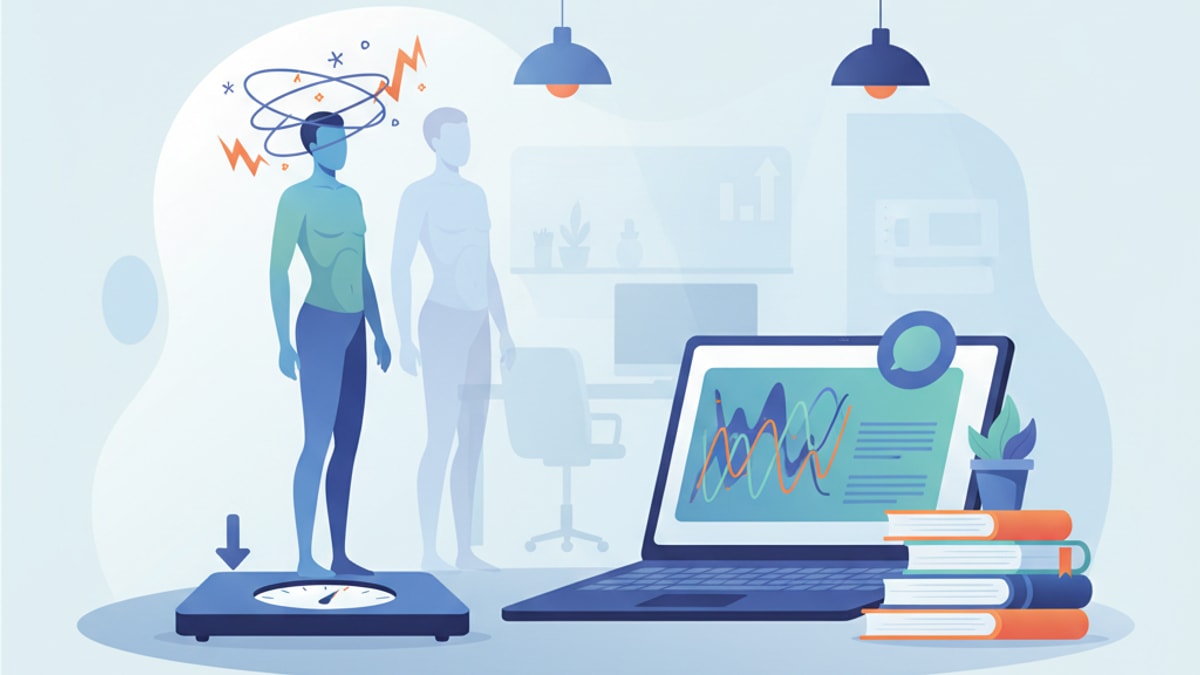
We get this question a lot. It comes up in consultations, in online forums, and in quiet conversations with friends. "Does stress cause weight loss?" The internet gives you a confusing mix of 'yes' and 'no,' often leaving you more uncertain than when you started. On one hand, you have the image of the frantic executive, too busy to eat, shedding pounds. On the other, there's the well-documented phenomenon of stress eating and weight gain. So, what’s the real story?
As a team dedicated to the science of metabolic health and medically-supervised weight management, we've seen both sides of this coin up close. It's not a simple answer because your body's reaction to stress isn't simple. It’s a sprawling, deeply personal, and often paradoxical physiological response. The truth is, stress can absolutely cause weight loss. But—and this is a critical distinction we can't stress enough—it’s not the kind of weight loss anyone should aim for. It's a symptom, not a strategy. Let's unpack the science behind why this happens and what it really means for your health.
Your Body on High Alert: The Primal Stress Response
To understand how stress impacts weight, you have to go back to basics. Think about our ancestors on the savanna. When a saber-toothed tiger appeared, their bodies didn't have time for a nuanced debate. They needed instant fuel and focus. This is the 'fight-or-flight' response, a brilliant survival mechanism that’s still hardwired into our DNA today. The problem? Your nervous system can’t tell the difference between a tiger and a looming project deadline, a traffic jam, or a relentless stream of bad news on your phone.
When your brain perceives a threat, it triggers a cascade of hormonal signals. The two headliners here are adrenaline and cortisol.
Adrenaline is the first responder. It floods your system, jacking up your heart rate, increasing your blood pressure, and boosting your energy supplies. It also slams the brakes on functions it deems non-essential for immediate survival, like digestion. This is why, in moments of acute, intense stress, the last thing you can think about is food. Your appetite vanishes because your body is literally preparing for battle or a sprint for your life.
Then comes cortisol, often villainized as the 'stress hormone.' Its role is more complex. Cortisol’s primary job is to keep you fueled and alert during a crisis. It signals your body to release glucose (sugar) from your liver and muscles for a quick energy source. It’s incredibly effective for short-term emergencies. But our modern lives often don't involve short-term emergencies. They involve a low-grade, simmering, chronic stress that keeps the cortisol tap running indefinitely. And that's where the trouble really begins.
The Weight Loss Pathway: When Stress Burns Through You
So, how does this hormonal flood actually lead to weight loss for some people? It's not one single thing but a combination of factors that can turn your body into a calorie-burning, appetite-suppressing machine, at least for a while.
First, there’s the metabolic ramp-up. The constant state of alert from adrenaline and cortisol can temporarily increase your basal metabolic rate (BMR). Your body is burning more calories just sitting there because it thinks it’s in constant danger. It’s running hot. We've seen patients describe this as a feeling of being 'wired' or unable to sit still. This can manifest as nervous fidgeting, pacing, or leg bouncing—an increase in what’s called Non-Exercise Activity Thermogenesis (NEAT). All those little movements add up and burn a surprising number of calories throughout the day.
Second is the appetite suppression we mentioned. During the initial, acute phase of a stressful period, cortisol can work with adrenaline to shut down hunger signals. Your body is prioritizing immediate energy availability over storing more fuel. If you're going through a divorce, a major work crisis, or grieving a loss, the thought of preparing and eating a meal can feel completely overwhelming. Food becomes an afterthought.
Third, and this is a factor many people overlook, is digestive chaos. The gut is often called the 'second brain' for a reason; it's incredibly sensitive to your emotional state. Stress diverts blood flow away from your digestive system, which can lead to a whole host of problems. You might experience nausea, diarrhea, or cramping. This not only makes eating unappealing but can also lead to malabsorption, where your body isn't even properly absorbing the nutrients from the food you do manage to eat. The calories come in, but they go right back out without being fully utilized.
It’s a perfect storm. Your metabolism is revved up, you have no desire to eat, and your digestive system is in turmoil. The pounds can seem to melt away. But let’s be brutally honest: this is your body breaking down. It's a catabolic state, where you're losing not just fat but also precious, metabolically active muscle tissue. This is the opposite of healthy, sustainable weight management.
The Flip Side: Why Stress More Often Leads to Weight Gain
Now, this is where it gets interesting, and it’s the scenario our team sees far more frequently. While acute stress can cause weight loss, chronic, long-term stress is a powerful driver of weight gain, particularly stubborn abdominal fat.
What happens when the 'emergency' never ends? Your body adapts. That initial appetite-suppressing effect of cortisol wears off. Instead, sustained high cortisol levels do something else entirely: they crank up your appetite. And not just for any food. Cortisol makes you crave high-fat, high-sugar, high-calorie 'comfort' foods. It's a physiological drive. Your brain is screaming for quick, dense energy to deal with the perceived endless threat. That’s not a failure of willpower; it’s your ancient survival wiring at work in a modern world.
This hormonal disruption creates a cascade of metabolic problems. Chronically high cortisol can interfere with insulin, the hormone that manages blood sugar. This can lead to insulin resistance, a condition where your cells stop responding properly to insulin. Your body then has to pump out even more insulin to get the job done, and high insulin levels are a potent signal to your body to store fat. Specifically, it promotes the storage of visceral fat, the dangerous type that wraps around your internal organs and significantly increases your risk for chronic diseases.
And we haven't even touched on sleep. Stress is notorious for wrecking sleep quality. Poor sleep, in turn, throws your hunger hormones, ghrelin and leptin, completely out of whack. Ghrelin (the 'go' hormone that tells you you're hungry) levels spike, while leptin (the 'stop' hormone that signals fullness) levels plummet. So you wake up feeling exhausted, ravenous, and armed with less hormonal capacity to feel satisfied after a meal. It's a formidable cycle that is incredibly difficult to break without a structured, supportive plan.
Healthy Weight Loss vs. Stress-Induced Weight Loss: A Critical Distinction
Our experience shows that many people don't recognize the profound difference between losing weight and getting healthy. They are not the same thing. Weight loss from stress is your body waving a massive red flag. Healthy weight loss, like the kind we facilitate with medically-supervised programs at TrimrX, is a strategic, intentional process of improving your body composition and metabolic health.
Here’s a breakdown our team often uses to help patients understand the difference:
| Feature | Stress-Induced Weight Loss | Medically-Supervised Healthy Weight Loss |
|---|---|---|
| Primary Driver | Cortisol & Adrenaline (Catabolic) | Caloric Deficit & Hormonal Balance (Metabolic) |
| Muscle Mass | Often significant muscle loss | Muscle preservation is a key goal |
| Nutrient Status | Frequently leads to deficiencies | Focuses on nutrient-dense foods |
| Mental State | Associated with anxiety, burnout, fatigue | Aims to improve mood and energy |
| Sustainability | Unsustainable; weight often rebounds | Designed for long-term health and maintenance |
| Our Professional View | A symptom of a deeper health issue | A proactive strategy for lasting well-being |
Looking at this, the choice is clear. One path is about survival and breakdown. The other is about thriving and building resilience. The goal isn't just to be a smaller version of yourself; it's to be a healthier, more energetic, and more resilient version.
Red Flags: Is Your Weight Loss Caused by Stress?
If you're losing weight and you're not actively trying to, it's crucial to pay attention to the other signals your body is sending. This isn't something to celebrate; it's something to investigate. Here are some of the classic red flags our medical team looks for that suggest stress, not health, is the driver behind weight loss:
- Relentless Fatigue: You're losing weight but have zero energy. You feel drained, exhausted, and 'running on fumes,' even after a full night's sleep (if you can even get one).
- Digestive Uprising: You're constantly bloated, have diarrhea, feel nauseous, or experience acid reflux. Your gut is clearly unhappy.
- Irritability and Mood Swings: You find yourself snapping at loved ones, feeling emotionally fragile, or experiencing heightened anxiety and a sense of dread.
- Hair Loss or Brittle Nails: When your body is in a catabolic state, it pulls resources from non-essential functions like hair growth and nail health. Thinning hair is a common sign of chronic stress and potential nutrient deficiencies.
- Poor Sleep: You either can't fall asleep because your mind is racing or you wake up at 3 a.m. wide awake and can't get back to sleep. This is a classic sign of cortisol dysregulation.
- Frequent Illnesses: Cortisol suppresses the immune system over time, leaving you more vulnerable to every cold and bug that goes around the office.
If this list sounds familiar, it’s a clear signal to take action. This isn't a phase to be pushed through; it's a physiological cry for help.
Building a Resilient Foundation: A Sustainable Path Forward
So, what do you do? Simply telling someone to 'just relax' or 'reduce stress' is perhaps the most unhelpful advice ever given. Modern life is inherently stressful. The key isn't to eliminate all stress—an impossible and frankly undesirable goal—but to build your capacity to manage it effectively. It’s about building physiological and psychological resilience.
This is where a holistic, science-backed approach becomes non-negotiable. It starts with mastering the fundamentals.
1. Reframing Your Relationship with Food: When you're stressed, it's easy to either skip meals or reach for processed junk. Neither helps. Your body needs a steady supply of high-quality nutrients to function. Prioritize protein at every meal to help preserve muscle mass and stabilize blood sugar. Focus on whole foods rich in fiber, vitamins, and minerals. Think of food not as a comfort object or an afterthought, but as the essential fuel your body needs to navigate challenging times.
2. Prioritizing Sleep Like It's Your Job: We cannot overstate this. Sleep is when your body repairs, resets hormones, and processes stress. Aim for 7-9 hours of quality sleep per night. This means creating a restful environment, having a consistent bedtime, and avoiding screens before bed. It's the single most powerful thing you can do to regulate cortisol and manage your hunger hormones.
3. Moving Your Body with Intention: Notice we didn't say 'punishing yourself at the gym.' Intense, grueling workouts can actually increase cortisol and add more physical stress to an already overloaded system. Instead, focus on restorative movement. Brisk walks in nature, yoga, swimming, or light strength training are fantastic. The goal is to lower cortisol, not spike it. Movement should be a stress reliever, not another source of it.
4. Getting Ahead of the Hormonal Chaos: Sometimes, no amount of deep breathing or kale smoothies can fix a metabolic system that has been hijacked by chronic stress. Years of elevated cortisol and insulin resistance can fundamentally change your body's baseline. It can feel like you're fighting an uphill battle against your own biology. This is precisely where modern medicine and a supportive clinical team can be transformative.
At TrimrX, we specialize in helping people reset that baseline. Our programs, often utilizing advanced GLP-1 medications like Semaglutide and Tirzepatide, are designed to address the root hormonal imbalances that make weight management feel impossible. These treatments work by helping to regulate appetite, improve insulin sensitivity, and restore the body's natural satiety signals—the very systems that stress so effectively dismantles. When your biology is working with you instead of against you, you finally have the space to build those healthy, sustainable habits. If you feel like you're stuck in that cycle and are ready to regain control, you can Start Your Treatment with a plan designed for your unique physiology and lifestyle.
The link between stress and weight is deeply personal and incredibly complex. While stress can, in some cases, lead to temporary weight loss, it's a clear sign of a body in distress. It’s a catabolic, muscle-wasting state that undermines your long-term health. The real goal is to build a body and a lifestyle that are resilient in the face of stress, not broken down by it. It’s about moving from a state of chaotic survival to one of intentional, empowered well-being.
Frequently Asked Questions
Can a single stressful event cause noticeable weight loss?
▼
Yes, it’s possible. An acute, highly traumatic event can trigger a significant adrenaline and cortisol surge, leading to a complete loss of appetite and digestive upset that can cause rapid, short-term weight loss over several days or weeks.
Why do I lose my appetite completely when I’m stressed?
▼
During acute stress, your body’s fight-or-flight response kicks in. Adrenaline is released, which actively suppresses hunger signals and diverts blood flow away from your digestive system to your muscles, preparing you for immediate action, not for a meal.
Is the weight lost from stress mostly fat or muscle?
▼
Unfortunately, weight lost during periods of high stress often includes a significant amount of lean muscle mass. This is because cortisol is a catabolic hormone, meaning it can signal the body to break down muscle tissue for quick energy, which is detrimental to your metabolism.
Does stress cause weight loss in stomach area specifically?
▼
It’s the opposite, actually. While acute stress might cause overall weight loss, chronic stress is strongly linked to an *increase* in abdominal (visceral) fat. This is because prolonged high cortisol levels promote fat storage specifically around the midsection.
How quickly can you lose weight from stress?
▼
The rate of weight loss from stress can vary dramatically. Some individuals might lose several pounds in a single week during an intense crisis, while for others it might be a slower, more gradual decline over a month or two of sustained pressure.
If stress causes weight loss, why do I crave junk food?
▼
This is the classic paradox of stress. While initial, acute stress can kill your appetite, chronic, long-term stress often increases cortisol, which drives cravings for high-fat, high-sugar foods. Your brain is seeking quick, dense energy to cope with the perceived threat.
Is it bad to lose weight from anxiety?
▼
Yes, losing weight from anxiety is a sign that your body is in a state of physiological distress. This type of weight loss is unhealthy, unsustainable, and often accompanied by muscle loss and nutrient deficiencies. It’s a symptom that needs to be addressed, not a positive outcome.
Will I gain the weight back after the stressful period ends?
▼
It’s very common to regain the weight, and sometimes even more. Once the acute stress subsides, your metabolism may have slowed due to muscle loss, and your appetite may return with a vengeance, leading to a rapid rebound on the scale.
How can GLP-1 medications help with weight issues related to stress?
▼
GLP-1 medications, like those used in our TrimrX programs, help regulate the very systems stress disrupts. They can improve insulin sensitivity, control appetite, and restore satiety signals, helping to break the cycle of stress-induced cravings and hormonal imbalance.
What’s the first step to take if I think my weight loss is from stress?
▼
The first step is to acknowledge that it’s a health concern, not a victory. We recommend speaking with a healthcare professional to rule out other medical issues and to develop a plan that focuses on stress management techniques and proper nutrition to support your body.
Can stress affect how my body absorbs nutrients?
▼
Absolutely. Stress can impair digestion and lead to malabsorption, where your body doesn’t effectively absorb vitamins and minerals from your food. This can lead to deficiencies even if your diet is relatively healthy, compounding feelings of fatigue and poor health.

Transforming Lives, One Step at a Time
Keep reading

Do You Need a Prescription for GLP-1s? The 2026 Answer
Wondering ‘do you need a prescription for glp 1’ in 2026? Yes. We explain why a doctor’s oversight is critical for safe, effective results.

How to Get GLP-1 Covered By Insurance: Our 2026 Playbook
Struggling with how to get glp-1 covered by insurance? Our 2026 guide breaks down prior authorizations, appeals, and documentation.

Traveling with GLP-1s in 2026: Your Essential Trip-Proof Plan
Don’t let travel disrupt your GLP-1 treatment. Learn how to travel with glp 1 medications safely and stress-free in our 2026 expert guide.


