Does Taking Ozempic Hurt
Introduction
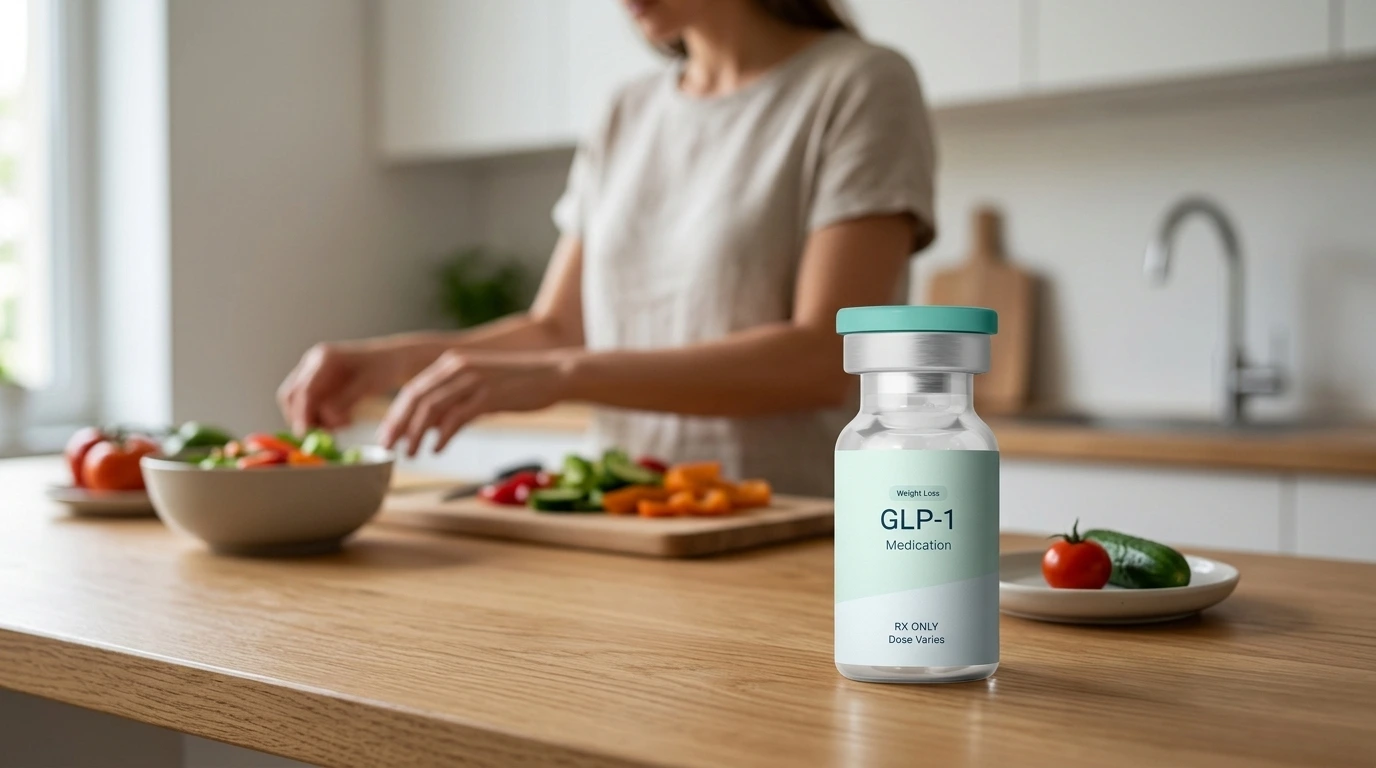
Starting a new medication often brings up a mix of hope and hesitation. If you are considering Ozempic® for weight management or type 2 diabetes, your first question might be a practical one: does taking it actually hurt? The idea of a weekly injection can feel intimidating, especially if you have a history of avoiding needles or had a painful experience with a different type of shot in the past.
At TrimRx, we believe that understanding your treatment is the first step toward a successful health journey. In this article, we will break down what the injection feels like, why some people experience discomfort, and how you can make the process virtually painless. We will also cover common side effects like stomach discomfort and how our personalized programs help you navigate these challenges. If you want a personalized starting point, you can take our free assessment quiz to see which option fits your needs.
Quick Answer: Most users describe the Ozempic® injection as a minor pinch or a quick sting rather than true pain. This is because the needle is very thin and enters the fatty tissue just under the skin. If you experience significant pain, it is often due to injection technique or the temperature of the medication rather than the needle itself.
The Physical Sensation of the Injection
The needle used for Ozempic® is significantly smaller and thinner than the needles used for blood draws or vaccinations. In medical terms, these are known as “subcutaneous injections.” This means the medication is delivered into the fat layer just beneath your skin, not into a muscle or a vein. If you’d like a deeper walkthrough of the process, our semaglutide injection guide covers the practical steps in more detail.
Because the fat layer has fewer nerve endings than muscle tissue, the sensation is usually minimal. Many people compare it to a tiny prick or the feeling of a mosquito bite. The needle is typically around 32-gauge, which is roughly the thickness of two human hairs.
Why It Might Sting
While the needle itself is very small, you might occasionally feel a stinging sensation. This usually happens for a few specific reasons:
- The medication is too cold: Injecting liquid straight from the refrigerator can cause a sharp, temporary sting.
- Alcohol on the skin: If you use an alcohol swab to clean the area and do not let it dry completely, the needle can carry the alcohol into the skin, causing irritation.
- Hitting a sensitive spot: Occasionally, you might hit a tiny nerve or a more sensitive patch of skin.
Common Causes of Injection Site Discomfort
If you find that taking your medication is consistently uncomfortable, it may be time to review your technique. Small adjustments can make a significant difference in your weekly routine. If you want to compare common irritation with reactions that need attention, our semaglutide injection site reactions guide is a helpful companion.
Temperature of the Medication
Most GLP-1 medications, including Ozempic® and compounded semaglutide, should be stored in the refrigerator. However, injecting cold fluid into warm body tissue is a common cause of discomfort. To avoid this, take your pen out of the fridge about 15 to 30 minutes before your scheduled dose. This allows the medication to reach room temperature, which typically makes the injection feel much smoother.
Injection Site Rotation
Injecting into the exact same spot every week can lead to skin irritation or the development of small lumps called lipohypertrophy. These lumps are caused by a buildup of fatty tissue and can make future injections more painful or less effective. You should rotate your sites each week, choosing a different area of the stomach, thigh, or upper arm.
Improper Depth or Angle
The Ozempic® pen is designed to deliver the medication at the correct depth automatically. However, pressing the pen too hard against your skin can cause bruising. You only need to apply enough pressure to keep the pen steady against the skin while the needle deploys.
Key Takeaway: The physical act of injecting is rarely the source of significant pain; rather, it is often the temperature of the medication or repetitive use of the same injection site that causes discomfort.
Managing Stomach and Digestive Pain
When people ask “does taking Ozempic hurt,” they are often referring to internal discomfort rather than the needle. Because semaglutide is a GLP-1 receptor agonist (a medication that mimics a natural hormone to manage appetite and blood sugar), it changes how your digestive system functions. For a closer look at nausea, cramping, and related effects, our complete semaglutide side effects guide breaks down the most common patterns.
Why Stomach Pain Occurs
The medication slows down “gastric emptying,” which is the rate at which food leaves your stomach. This helps you feel full for longer, but it can also cause:
- Cramping: As your stomach adjusts to moving food more slowly.
- Bloating: From gas buildup or feeling overly full after small meals.
- Nausea: Particularly during the first few weeks or when increasing your dosage.
How to Reduce Internal Discomfort
You can manage most digestive pain by changing how and what you eat. Choosing bland, low-fat foods like crackers, rice, or broth can help during the adjustment period. Avoiding fried, greasy, or highly sugary foods often reduces the intensity of cramping and nausea. It is also helpful to eat smaller meals more frequently rather than three large ones.
Identifying Serious Pain vs. Common Side Effects
While minor stomach upset is common, it is vital to know when pain indicates a more serious issue. At TrimRx, we emphasize the importance of monitoring your body’s signals and staying in close contact with your healthcare provider.
Signs of Pancreatitis
In rare cases, GLP-1 medications can lead to inflammation of the pancreas, known as pancreatitis. This causes severe, persistent abdominal pain that may radiate to your back. If you experience intense pain that does not go away or is accompanied by severe vomiting, you should seek medical attention immediately.
Gallbladder Issues
Rapid weight loss can sometimes trigger gallbladder problems, including gallstones. Symptoms usually include pain in the upper right side of the stomach or under the ribs. This pain often comes in “attacks” after eating a heavy or fatty meal.
Gastroparesis
Some individuals may develop gastroparesis, which is a significant slowing of the stomach muscles. This can lead to severe bloating, vomiting of undigested food, and a feeling of extreme fullness even hours after eating. While rare, it is a condition that requires clinical management.
Note: If you experience sharp, localized pain that prevents you from going about your daily activities, contact your healthcare provider. Do not wait for your next scheduled consultation.
Where to Inject for the Least Pain
Choosing the right location can change your experience with the medication. There are three primary areas recommended for subcutaneous injections.
| Injection Site | Pros | Cons |
|---|---|---|
| Stomach | Easy to see and reach; plenty of fatty tissue. | Can be sensitive near the belly button. |
| Thigh | Typically has a good fat layer; less sensitive for some. | Harder to reach if you have mobility issues. |
| Upper Arm | Lower sensitivity for many users. | Very difficult to do yourself; usually requires help. |
The Stomach
The abdomen is the most common site. Stay at least two inches away from your belly button. This area is generally easy to access and provides consistent absorption.
The Thigh
The front or outer part of the thigh is another excellent option. This is often the preferred site for people who are nervous about injecting near their stomach. Some research suggests that injecting in the thigh may slightly reduce the intensity of gastrointestinal side effects for certain individuals.
The Upper Arm
This site is effective but challenging for self-injection. If you have a partner who can help you, the back of the arm is a viable option. However, most people find the stomach or thigh more convenient.
How to Give Yourself a Pain-Free Injection
Following a consistent routine can help reduce anxiety and physical discomfort. Here is the process we recommend for a smooth experience. For a more detailed walkthrough, see our step-by-step semaglutide injection guide.
- Step 1: Preparation. Wash your hands and gather your supplies, including your pen, a new needle, and an alcohol swab.
- Step 2: Check the temperature. Ensure your pen has been out of the fridge for at least 15 minutes.
- Step 3: Attach the needle. Peel back the paper tab and screw the needle onto the pen. Remove the outer and inner caps.
- Step 4: Prime the pen. If it is a new pen, turn the dial to the flow-check symbol and press the button until a drop appears at the needle tip.
- Step 5: Clean the site. Wipe your chosen area with alcohol and wait at least 30 seconds for it to dry completely.
- Step 6: Inject. Press the pen against your skin and click the button. Keep it held for 6 to 10 seconds to ensure the full dose is delivered.
- Step 7: Dispose. Remove the needle safely and place it in a sharps container.
Addressing Muscle and Joint Aches
Some people report feeling “achy” or having muscle soreness when they start a GLP-1 program. While Ozempic® does not directly cause muscle pain, the changes in your body can lead to these feelings.
Dehydration and Electrolytes
Because these medications reduce your appetite, you may also find yourself drinking less water. Dehydration is a leading cause of muscle cramps and general body aches. When you are on a weight loss journey, your body also processes electrolytes differently. For extra support while managing appetite and energy changes, the Weight Loss Boost supplement can be a practical option.
Protein Intake
Rapid weight loss can sometimes result in the loss of muscle mass along with fat. This can lead to a feeling of weakness or soreness. We recommend focusing on a high-protein diet to support your muscles as your body changes. This is where personalized support becomes essential—knowing how much protein your body needs is a key part of long-term success. If you want nutritional support designed for GLP-1 users, the GLP-1 Daily Support supplement may fit your routine.
Key Takeaway: General body aches are often a secondary effect of lifestyle changes like reduced fluid intake. Increasing hydration and protein can significantly improve how you feel daily.
The TrimRx Approach to Comfortable Weight Loss
Navigating the world of GLP-1 medications should not feel like a solo mission. Our platform is designed to provide you with the clinical expertise and support needed to make your journey as comfortable as possible.
When you join a program through us, you aren’t just getting a prescription. You are getting a personalized plan tailored to your medical history and goals. We work with FDA-registered compounding pharmacies to ensure you have access to high-quality medication, whether that is compounded semaglutide or compounded tirzepatide. If you want to understand more about that medication class, our tirzepatide weight loss guide is a useful place to start.
Our team is available to help you troubleshoot any issues, from injection technique to managing side effects. We also offer supplements like GLP-1 Daily Support, which is designed to help your body handle the transition and provide the nutrients you might be missing as your appetite decreases.
Overcoming Needle Anxiety
It is perfectly normal to feel nervous about needles. This anxiety can actually make the injection feel more painful because your muscles are tense. If you are feeling anxious, try the following:
- Deep breathing: Take a few slow breaths before you start.
- Distraction: Listen to music or have a conversation with someone while you prepare.
- Focus on the goal: Remind yourself why you are doing this. The ten seconds of discomfort is a small trade-off for the long-term health benefits you are pursuing.
Bottom line: Most people find that the “fear of the needle” is much worse than the needle itself. After the first two or three weeks, the process usually becomes a simple, stress-free part of their routine.
Conclusion
So, does taking Ozempic® hurt? For the vast majority of people, the answer is no. The injection itself is a minor, quick sensation that most users grow accustomed to very quickly. While internal side effects like stomach cramping or nausea can be uncomfortable, they are usually manageable with diet adjustments and proper hydration.
At TrimRx, our mission is to make sustainable weight loss accessible, science-backed, and empathetic. We understand that every “pinch” and every side effect matters. By providing personalized care and 24/7 access to specialists, we ensure you have the tools to manage your health with confidence.
If you are ready to see if a GLP-1 program is right for you, the next step is simple. You can take our free assessment quiz to see which personalized program fits your needs. Whether you are looking for medical supervision, access to compounded medications, or nutrient support, we are here to guide you every step of the way.
FAQ
Why does my Ozempic injection site itch or turn red?
A small amount of redness or itching is usually a mild local reaction to the needle or the medication. It typically fades within a few hours or a day. If the redness spreads or you develop hives, contact your healthcare provider, as this could be a sign of an allergic reaction.
Can I inject Ozempic into my thigh instead of my stomach?
Yes, the thigh is one of the three recommended injection sites, along with the abdomen and the upper arm. Many users find the thigh to be less sensitive and report fewer gastrointestinal side effects when using this site. If you want a fuller overview of site selection and technique, our semaglutide injection guide covers the basics. Just ensure you are injecting into the fatty tissue on the front or outer part of the leg.
Is it normal to have a small bruise after the injection?
Bruising can happen if the needle hits a tiny blood vessel or if you press the pen too firmly against your skin. It is generally not a cause for concern and will heal on its own. To minimize bruising, avoid rubbing the site after the injection and ensure you are rotating your locations each week.
What should I do if the stomach pain becomes unbearable?
While mild cramping and nausea are common, severe or “unbearable” pain is not normal. Intense pain in the upper abdomen that feels like it is moving to your back can be a sign of pancreatitis. In this situation, you should stop the medication and seek immediate medical evaluation from a doctor or emergency room.
Disclaimer: This content is for informational purposes only and does not constitute medical advice. It is not intended to diagnose, treat, cure, or prevent any disease or condition. Individual results may vary. Always consult a qualified healthcare professional before starting any weight loss program or medication.

Transforming Lives, One Step at a Time
Keep reading
I Took My Ozempic Two Days in a Row by Accident
Call for guidance now rather than waiting to see how you feel. In the United States, Poison Control is available free and around the…

Why Does My Ozempic Injection Sting More Some Weeks Than Others?
Because more variables change between injections than most people realize. Temperature of the medication, which site you used, how deep the needle went, how…

How to Store Your Ozempic Pen During a Power Outage
Keep the refrigerator door closed. An unopened refrigerator holds a safe temperature for roughly four hours, and a full freezer holds for considerably longer….


