Testosterone and Weight Loss: What Our Experts Have Learned
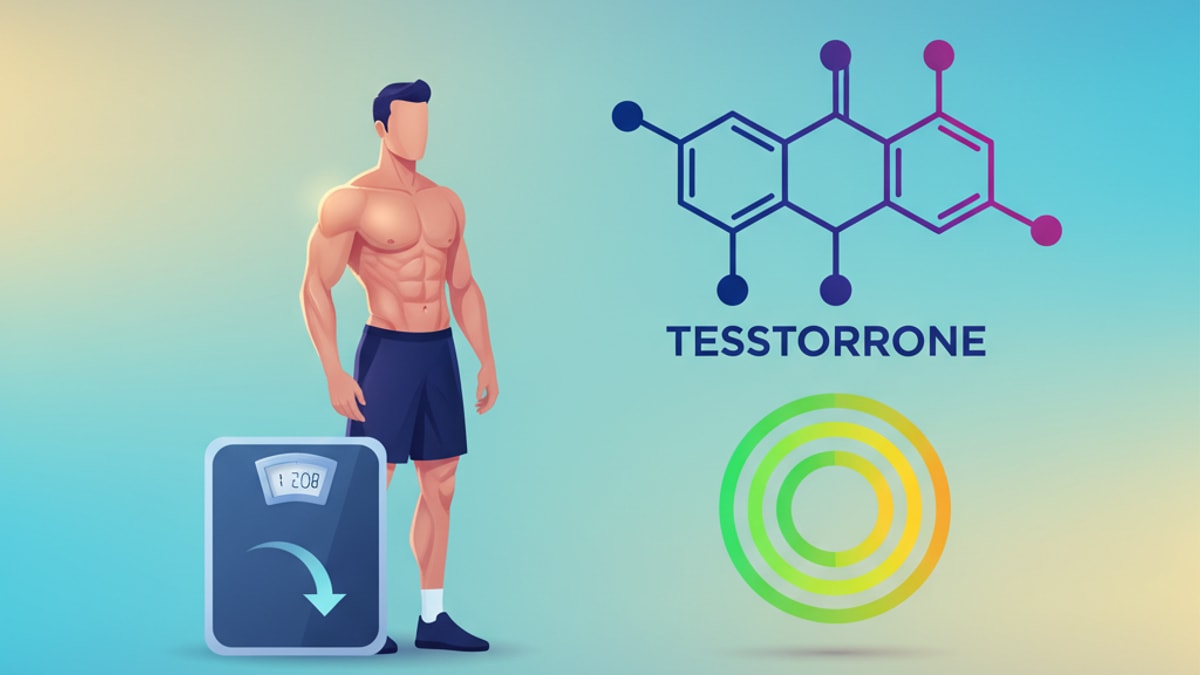
Let's be direct. You're here because the scale won't budge, the effort you're putting in at the gym feels like it's yielding diminishing returns, and you've heard the whispers online and in the locker room about testosterone. The question, "does testosterone help with weight loss?" isn't just a casual query; for many, it feels like a potential lifeline after months, or even years, of frustrating plateaus. You've done the calorie counting. You've tried the new workout plans. Yet, that stubborn body fat, especially around the midsection, seems to have taken up permanent residence.
Our team at TrimrX understands this struggle on a clinical level. We work every day with individuals navigating the complex world of metabolic health. While our primary focus is on powerful, medically-supervised treatments using GLP-1 medications like Semaglutide and Tirzepatide, we know that sustainable weight loss is never about a single solution. It's about understanding the entire system. And hormones, particularly testosterone, are a massive, often misunderstood, part of that system. We're not a TRT clinic, but our expertise in hormonal and metabolic function gives us a unique, unbiased perspective on this exact topic. We're here to cut through the noise and give you an unflinching look at the science, the reality, and what it actually means for your weight loss journey.
First Things First: What is Testosterone, Really?
Before we can even begin to talk about weight loss, we need to have an honest conversation about what testosterone is—and what it isn't. It's often painted with a ridiculously broad brush, reduced to a caricature of aggression and bulging muscles. That's not the whole story. Not even close.
Testosterone is a primary androgen, a steroid hormone that plays a foundational role in the human body. And yes, that includes women too, though in much smaller amounts. For men, it’s the key driver of development during puberty, influencing everything from deepening your voice to the growth of facial hair. But its job doesn't stop there. Far from it. In adulthood, healthy testosterone levels are absolutely critical for maintaining:
- Muscle Mass and Strength: It's an anabolic hormone, which means it promotes protein synthesis—the process of building and repairing muscle tissue.
- Bone Density: Testosterone helps keep your bones strong and resilient, reducing the risk of osteoporosis later in life.
- Red Blood Cell Production: It stimulates the bone marrow to produce red blood cells, which are responsible for carrying oxygen throughout your body.
- Libido and Sexual Function: This is the one everyone knows, but it's just one piece of a much larger puzzle.
- Mood and Cognitive Function: Healthy T levels are linked to better mood, focus, and spatial abilities. Low levels are often associated with irritability, brain fog, and even depression.
- Metabolic Health: And here we are. This is the big one for our conversation. Testosterone is a major player in how your body regulates fat, sugar, and muscle.
Thinking of testosterone as just a 'male' hormone or a 'muscle' hormone is a massive oversimplification. Our team sees it as a master regulator of your body's entire energy economy. When it's in balance, your body's systems tend to run more efficiently. When it's out of whack, the consequences can be sprawling and systemic, with weight gain being one of the most visible and frustrating symptoms.
The Unbreakable Link: How Testosterone Governs Body Composition
Now we get to the heart of the matter. How does this one hormone exert so much influence over whether you're storing fat or building muscle? It's not magic; it’s a cascade of biological effects that create a powerful feedback loop.
Let’s break down the mechanics. Our clinical experience shows it boils down to three core areas.
First, there's the muscle connection. Testosterone is the foreman on the construction site of your muscle tissue. It signals your body to build and maintain lean mass. Why is this so critical for weight loss? Because muscle is metabolically active tissue. It burns calories just by existing, even when you're sitting on the couch. The more lean muscle you have, the higher your basal metabolic rate (BMR)—the number of calories your body burns at rest. When testosterone levels dip, your body's ability to hold onto, let alone build, new muscle is severely compromised. Your metabolic engine starts to sputter.
Second is the direct impact on fat cells. Testosterone actually plays a role in regulating adipogenesis, which is the fancy term for the creation of new fat cells. It also influences lipoprotein lipase (LPL), an enzyme that plays a key role in fat storage. Healthy T levels tend to inhibit LPL activity in certain areas, particularly the visceral fat region—that deep, dangerous abdominal fat that wraps around your organs. When T levels are low, this braking mechanism is released. Your body becomes unnervingly efficient at storing calories as fat, especially in the worst possible place.
And this creates a catastrophic cycle. Fat tissue isn't just inert storage. It's hormonally active. It contains an enzyme called aromatase, which converts testosterone into estrogen. So, the more body fat you have, the more of your precious testosterone gets converted into estrogen. This further lowers your effective testosterone levels, which in turn makes it even easier to store more fat. We've seen it time and again. It's a downward spiral that is incredibly difficult to break with diet and exercise alone.
Finally, there's the energy and motivation factor. This is the part that often gets overlooked but is, in our professional observation, just as important as the direct metabolic effects. Low testosterone is notorious for causing profound fatigue, lethargy, and a general lack of drive. It's not just feeling a bit tired. It's a bone-deep exhaustion that makes the thought of a high-intensity workout feel like climbing Everest. It robs you of the very motivation you need to stick to a nutrition plan and push yourself physically. So, while your metabolism is slowing down and your body is primed for fat storage, your mental and physical energy to fight back is also being drained away. It’s a formidable one-two punch.
The Real Answer: Does Testosterone Therapy Cause Weight Loss?
This is the million-dollar question, and the answer requires nuance. Testosterone Replacement Therapy (TRT) is not a weight loss drug. Let's be unequivocally clear about that. It's not a shortcut, a magic bullet, or a replacement for the hard work of proper nutrition and exercise.
However, for men with clinically diagnosed low testosterone (hypogonadism), TRT can be a powerful enabler of weight loss. It works by correcting the underlying hormonal deficiency that created a metabolically hostile environment in the first place. By restoring testosterone levels to a healthy, optimal range, you're essentially re-calibrating your body's machinery. You're giving your body back the tools it needs to do its job properly.
What does this look like in practice? Our team has analyzed countless studies and observed these patterns. When a man with legitimate hypogonadism begins medically-supervised TRT, he often experiences:
- An increase in lean body mass. As protein synthesis ramps up, building and maintaining muscle becomes easier again.
- A decrease in fat mass. Especially that stubborn visceral fat, as the body's fat-storage signals are dialed down.
- A boost in metabolic rate. More muscle means a higher BMR, so you're burning more calories 24/7.
- A significant improvement in energy and motivation. The fatigue and brain fog lift, making it easier to engage in physical activity and stay consistent.
So, TRT doesn't 'melt' fat off. It restores your body's natural, healthy hormonal balance, which in turn makes your efforts—your diet and your exercise—dramatically more effective. It fixes the broken engine; it doesn't drive the car for you. We can't stress this enough: this only applies to individuals with a genuine medical need. Taking testosterone when your levels are already normal is not only ineffective for fat loss but can be dangerous, leading to a host of side effects and shutting down your body's own natural production.
Different Tools for Different Goals: TRT vs. GLP-1 Medications
Understanding where testosterone fits in requires looking at the broader landscape of medically-supervised weight loss. It's not the only tool in the toolbox. At TrimrX, our expertise lies in a different, but equally powerful, class of treatments: GLP-1 receptor agonists like Semaglutide and Tirzepatide. It's helpful to see how these approaches differ, as they tackle the problem of weight loss from completely different angles.
| Feature | Testosterone Replacement Therapy (TRT) | GLP-1 Agonists (e.g., Semaglutide, Tirzepatide) |
|---|---|---|
| Primary Goal | To correct clinically low testosterone levels (hypogonadism) and restore normal hormonal function. | To directly target the biological pathways of appetite, satiety, and blood sugar regulation for weight loss. |
| Mechanism of Action | Replaces the body's deficient testosterone, improving muscle synthesis, metabolic rate, and energy levels. | Mimic the natural hormone GLP-1, slowing gastric emptying, reducing appetite signals in the brain, and improving insulin sensitivity. |
| Direct Effect on Weight | Indirect. Facilitates weight loss by creating a favorable metabolic environment for fat burning and muscle building. | Direct. Works centrally on the brain to reduce hunger and cravings, leading to a natural reduction in calorie intake. |
| Who It's For | Primarily men with a confirmed medical diagnosis of hypogonadism. | Individuals struggling with overweight or obesity who need a powerful tool to manage appetite and reset their metabolic health. |
| Our Perspective | A foundational treatment for a specific hormonal deficiency. A critical piece for those who need it. | A frontline, highly effective intervention for systemic weight management, addressing the core behaviors and biology of overeating. |
As you can see, they aren't competitors; they are distinct medical interventions for different underlying issues. One fixes the hormonal baseline, while the other fundamentally changes your body's relationship with food and energy. This is why a comprehensive medical evaluation is so important. You have to use the right tool for the job.
The TrimrX Philosophy: A Holistic View of Metabolic Health
This brings us to our core philosophy at TrimrX. We believe that lasting, sustainable weight loss is rarely about chasing a single number on a lab report or relying on one single mechanism. It's about a comprehensive metabolic reset. The human body is an intricate system of checks and balances. Pushing one lever without understanding its effect on the others is a recipe for short-term results and long-term frustration.
Our approach with GLP-1 programs is designed to address the problem at its root. For so many people, the relentless battle with weight isn't a failure of willpower; it's a battle against their own biology. It's fighting against powerful hunger hormones and a brain that's wired to seek out energy-dense foods. GLP-1 medications like Semaglutide and Tirzepatide work with your body's own systems to quiet that biological 'noise.' They help you feel full faster and stay full longer. They reduce the constant food cravings that derail even the most dedicated efforts. In essence, they give you back control.
This creates the breathing room necessary to build sustainable, healthy habits. When you're not fighting a constant, uphill battle against hunger, you can focus on making better food choices. You have the mental clarity to build a consistent exercise routine. It’s a profoundly effective way to reset your body's set point. If you've been on the weight loss roller coaster and feel like you need a different approach—one grounded in cutting-edge science—we invite you to see if you're a candidate. It's simple to Take Quiz and begin the process.
Ultimately, whether the right path involves addressing testosterone, leveraging the power of GLP-1s, or a combination of strategies, the goal is the same: to create a body that works with you, not against you.
Lifestyle Remains the Undisputed Champion
We absolutely must be clear on this point. No injection, pill, or therapy can ever replace the foundational pillars of health. Ever. You can have perfectly optimized hormones and be on the most advanced medical weight loss program, but if your lifestyle is working against you, you will sabotage your own success.
Our team has found that the clients who see the most dramatic, life-changing results are the ones who use their medical treatment as a catalyst to double down on these non-negotiable habits. Think of your treatment as the ultimate tailwind, making your efforts more powerful and effective.
- Resistance Training: This is paramount. Lifting weights is the single most effective way to signal to your body to build and preserve lean muscle mass. This is true whether you're on TRT or not. It's the language your body understands.
- Protein-Centric Nutrition: Prioritize protein at every meal. It's more satiating than fats or carbs, has a higher thermic effect (meaning your body burns more calories digesting it), and provides the essential building blocks for muscle repair.
- Sleep Hygiene: Sleep is when your body produces the majority of its crucial hormones, including testosterone and growth hormone. Consistently skimping on sleep is like trying to drive a car with sugar in the gas tank. It grinds everything to a halt.
- Stress Management: Chronic stress floods your body with cortisol, a hormone that is catabolic (breaks down muscle) and directly suppresses testosterone production. Finding healthy outlets for stress—whether it's meditation, walking, or a hobby—is not a luxury; it's a metabolic necessity.
These aren't just suggestions; they are the bedrock of any successful health transformation. Your treatment opens the door, but your daily habits are what will carry you through it to the other side.
So, does testosterone help with weight loss? Yes, it can be a game-changing component for the right person with a genuine medical need. It helps restore the body's innate ability to build muscle and burn fat. But it's a piece of a much larger, more intricate puzzle. The real goal isn't just to change a number on a lab test; it's to change your life. It's about achieving a state of metabolic health where your body is no longer your adversary but your strongest ally in living a vibrant, energetic life. If you're ready to stop fighting and start working with your body's own biology, it might be time to Start Your Treatment Now.
Frequently Asked Questions
Can taking testosterone help you lose belly fat specifically?
▼
For men with low testosterone, TRT can be particularly effective at reducing visceral belly fat. Low T encourages fat storage in this area, and restoring levels helps your body shift back to a healthier fat distribution pattern, in combination with diet and exercise.
Will testosterone replacement therapy work for weight loss without diet and exercise?
▼
No. Our team can’t stress this enough: TRT is not a substitute for a healthy lifestyle. While it may lead to some positive changes in body composition on its own, its true power is unlocked when combined with consistent resistance training and proper nutrition.
How long does it take to see weight loss results from testosterone therapy?
▼
It varies, but many patients notice improvements in energy and motivation within a few weeks. Noticeable changes in muscle mass and fat loss typically take several months of consistent therapy and lifestyle efforts. It’s a marathon, not a sprint.
Is TRT a lifelong commitment?
▼
For most individuals with clinically diagnosed hypogonadism, TRT is a long-term treatment. Stopping therapy will cause testosterone levels to return to their previously low baseline, and the associated symptoms, including metabolic issues, will likely return.
Can women use testosterone for weight loss?
▼
Testosterone therapy for women is a highly specialized and controversial area of medicine. While women do need small amounts of testosterone for overall health, using it specifically for weight loss is not a standard or recommended practice due to the high risk of side effects.
What are the common side effects of TRT?
▼
When medically supervised, TRT is generally safe. However, potential side effects can include acne, fluid retention, and changes in red blood cell counts. This is why working with a qualified medical professional who monitors your blood work is non-negotiable.
Can I boost my testosterone levels naturally for weight loss?
▼
Yes, you can support healthy testosterone levels through lifestyle. This includes resistance training, maintaining a healthy body weight, getting adequate sleep, managing stress, and eating a diet rich in healthy fats, protein, and micronutrients like zinc and vitamin D.
How do GLP-1 medications like Semaglutide compare to TRT for weight loss?
▼
They work in completely different ways. TRT addresses a specific hormone deficiency, indirectly aiding weight loss. GLP-1s directly target appetite and satiety signals in the brain, leading to a significant reduction in calorie intake and powerful weight loss results.
Is it possible to need both TRT and a GLP-1 medication?
▼
Yes, it’s possible. An individual could have both clinical hypogonadism and obesity. In such cases, a comprehensive medical plan might involve using TRT to restore hormonal balance and a GLP-1 medication to powerfully address weight and appetite control.
Does higher testosterone increase metabolism?
▼
Yes, indirectly. Higher testosterone levels support the growth and maintenance of muscle mass. Since muscle is metabolically active tissue, having more of it increases your basal metabolic rate (BMR), meaning you burn more calories at rest.
If I’m overweight, will losing weight increase my testosterone?
▼
Absolutely. This is a key point we often see. Excess body fat, through the process of aromatization, converts testosterone to estrogen. Losing weight reduces this conversion, which can lead to a significant natural increase in your testosterone levels.
What’s the first step if I suspect I have low testosterone?
▼
The first and only step should be to consult a medical professional. They will listen to your symptoms and order a comprehensive blood test to accurately measure your hormone levels. Self-diagnosing or self-treating is incredibly risky.

Transforming Lives, One Step at a Time
Keep reading
Is Bupropion an SSRI or a Different Antidepressant?
A lot of people ask the same question at some point: is bupropion an SSRI? It usually comes up after hearing about medications like…

Do You Need a Prescription for GLP-1s? The 2026 Answer
Wondering ‘do you need a prescription for glp 1’ in 2026? Yes. We explain why a doctor’s oversight is critical for safe, effective results.

How to Get GLP-1 Covered By Insurance: Our 2026 Playbook
Struggling with how to get glp-1 covered by insurance? Our 2026 guide breaks down prior authorizations, appeals, and documentation.


