Does the Medicare GLP-1 Bridge Cover Zepbound?
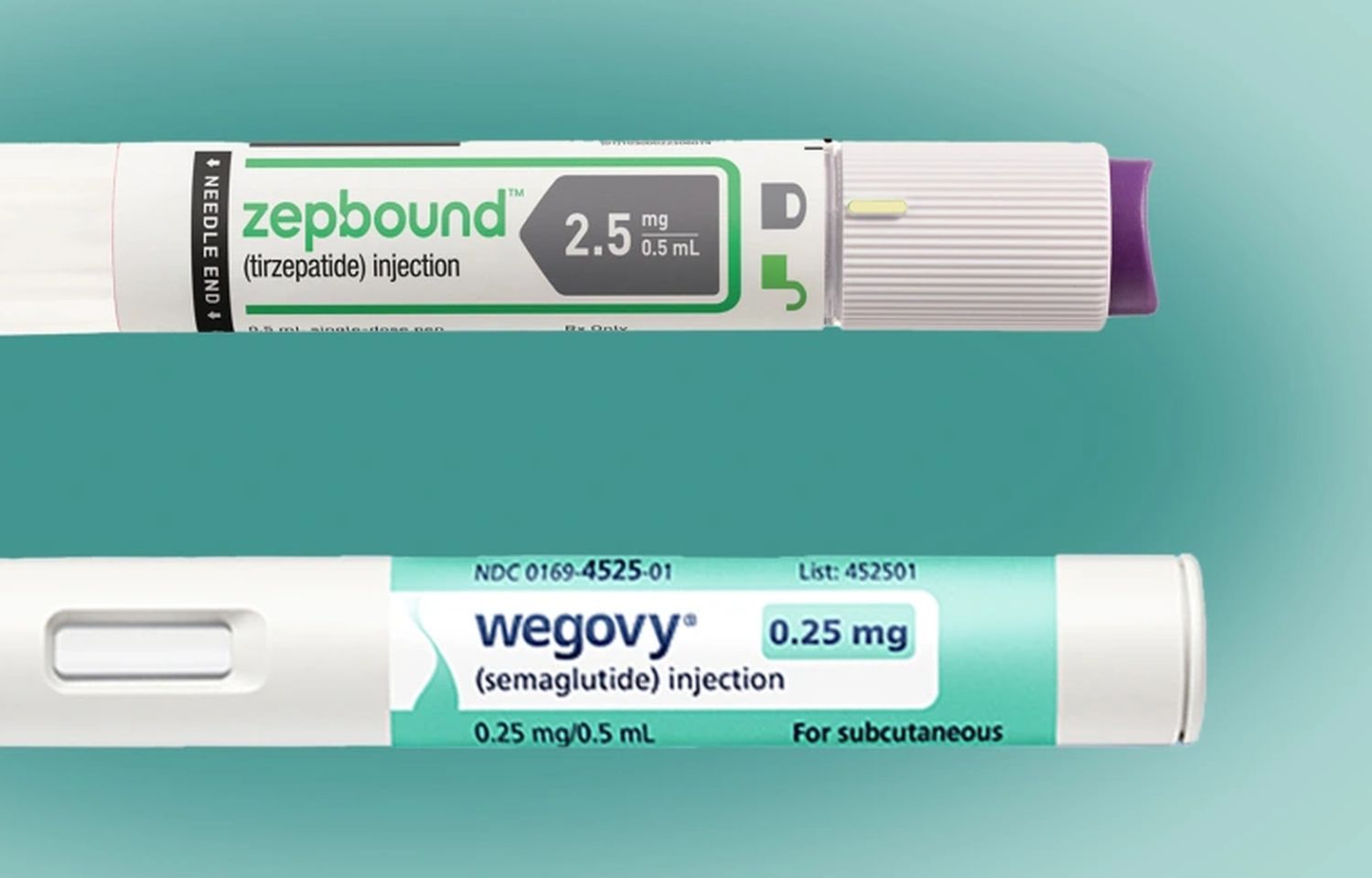
Yes, but with a catch that surprises a lot of people. Starting July 1, 2026, the Medicare GLP-1 Bridge lets eligible Part D members fill certain weight-loss GLP-1 medications for a flat $50 a month. Zepbound is on the list, but only one version of it: the reusable KwikPen. The single-dose Zepbound vials and the prefilled single-dose pens are not covered. So if you’ve been buying Zepbound vials through LillyDirect, the Bridge won’t apply to that purchase. The program runs through December 31, 2027, and it sits outside your regular Part D benefit, which changes the cost math in ways that aren’t obvious at first.
What the Bridge covers, and what it leaves out
The Bridge is a short-term demonstration run by CMS, with Humana acting as the central processor for prior authorizations, claims, and pharmacy payments. For weight management, it covers three brands: Wegovy (both the injection and the 25 mg tablet, across all doses), Foundayo (all formulations), and Zepbound in the KwikPen formulation only.
That last point is the one to underline. Zepbound comes in a few formats. The single-dose vials, which are the cheapest cash-pay route through LillyDirect at roughly $299 to $449 a month, sit outside the program. The reusable KwikPen, which Lilly launched in February 2026, is the version the Bridge will pay for. It’s the same molecule, tirzepatide, but the delivery format determines whether your $50 copay applies.
Who qualifies
Eligibility is stricter than many people expect, and it’s measured at the point you started GLP-1 therapy, not where you are today. You need to be enrolled in a standalone Part D plan or a Medicare Advantage plan with drug coverage, and you need to meet one of these clinical thresholds:
| Your situation at the start of treatment | Qualifies? |
|---|---|
| BMI 35 or higher | Yes, on weight alone |
| BMI 30 or higher plus heart failure, uncontrolled hypertension, or chronic kidney disease | Yes |
| BMI 27 or higher plus prediabetes, a prior heart attack, a prior stroke, or symptomatic peripheral artery disease | Yes |
There’s a second filter that catches people off guard. If you already get a GLP-1 covered through your Part D plan for a different reason, such as type 2 diabetes, cardiovascular risk reduction, or moderate-to-severe sleep apnea, you stay on that Part D coverage and don’t use the Bridge. The Bridge only pays when the drug is prescribed for obesity.
Your prescriber handles a prior authorization and attests that you met the BMI criteria when treatment began. Consider a scenario where someone started a GLP-1 in 2024 at a BMI of 36, then lost enough weight to reach a BMI of 33 by mid-2026. The prescriber can still attest that the BMI was 35 or higher at the start, which is the figure the program looks at.
The fine print that quietly costs money
Because the Bridge runs outside Part D, three things follow that are easy to miss. The $50 you pay each month does not count toward your Part D deductible or your annual out-of-pocket cap ($2,100 in 2026, rising to $2,400 in 2027). Low-income subsidy help, also called Extra Help, does not apply to Bridge drugs. And you cannot stack a manufacturer coupon on top to push the price below $50.
For many people, $50 a month is a clear win against a four-figure list price. But for someone living on a fixed Social Security check who normally pays a $5 or $10 copay, $50 every month is a real number to plan around, especially since it won’t move you toward the catastrophic phase any faster.
Why the formulation rule changes your options
The vials-versus-KwikPen distinction isn’t a technicality. If you came to Zepbound through the LillyDirect vial program precisely because the vials were the lowest-cost option, the Bridge does not cover the format you’ve been using. You’d need a prescription written for the KwikPen to use your $50 copay, and the KwikPen carries a different self-pay price if you ever fall outside the program.
Consider a scenario where a 67-year-old with a BMI of 31 and prediabetes has been paying out of pocket for a compounded GLP-1. Under the Bridge, they could qualify for the Zepbound KwikPen at $50 a month, which is likely cheaper than what they pay now. But if that same person had been prescribed Zepbound for sleep apnea, the Bridge wouldn’t be their path; their Part D plan would be. And if they’d been buying the vials specifically for the lower price, the Bridge wouldn’t cover that format at all. Three similar patients, three different answers.
Tirzepatide’s value in this older, often metabolically complex group is well documented. In the SURPASS-6 trial, adults with type 2 diabetes who added tirzepatide to basal insulin lost about 9 kg on average over a year, while the comparison group taking mealtime insulin gained about 3 kg, and far more tirzepatide patients reached an A1c under 7%. Weight loss tends to be harder to achieve alongside diabetes, which is part of why coverage at a predictable price matters for people who fit these criteria.
If the Bridge isn’t a fit
Plenty of people won’t clear the eligibility bar, won’t have the right plan type, or will find the covered formulation isn’t the one they want. If that’s you, a cash-pay telehealth route is worth understanding. TrimRx connects you with licensed providers who prescribe semaglutide or tirzepatide when it’s clinically appropriate, and it bundles the provider visit and shipping into a flat monthly structure with no insurance required. Pricing runs from $179 to $1,579 depending on the medication and plan, with no prior authorization or BMI-at-initiation paperwork to clear.
If you’re unsure whether the Bridge, a Part D plan, or a cash program makes the most sense for your situation, the free assessment quiz is a quick way to see what fits.
This article is for general information and is not medical or insurance advice. Eligibility rules, covered formulations, and pricing for the Medicare GLP-1 Bridge are set by CMS and the participating manufacturers and can change. Confirm current details with Medicare and your prescriber before making decisions.

Transforming Lives, One Step at a Time
Keep reading

Can You Lower Your Zepbound Dose Without Losing Your Progress?
Often yes, and the honest caveat is that the evidence for dose reduction specifically is thinner than the evidence for stopping. We know a…
Why Is There a Bruise Where I Injected My Zepbound?
A bruise means a small blood vessel was disturbed under the skin and blood spread into the surrounding tissue. It is one of the…
My Zepbound Pen Won’t Click Past a Certain Dose
Start by checking which device you are holding, because the answer depends entirely on that. Zepbound has commonly been supplied in the United States…


