Does Tirzepatide Cause Hair Loss: What to Expect
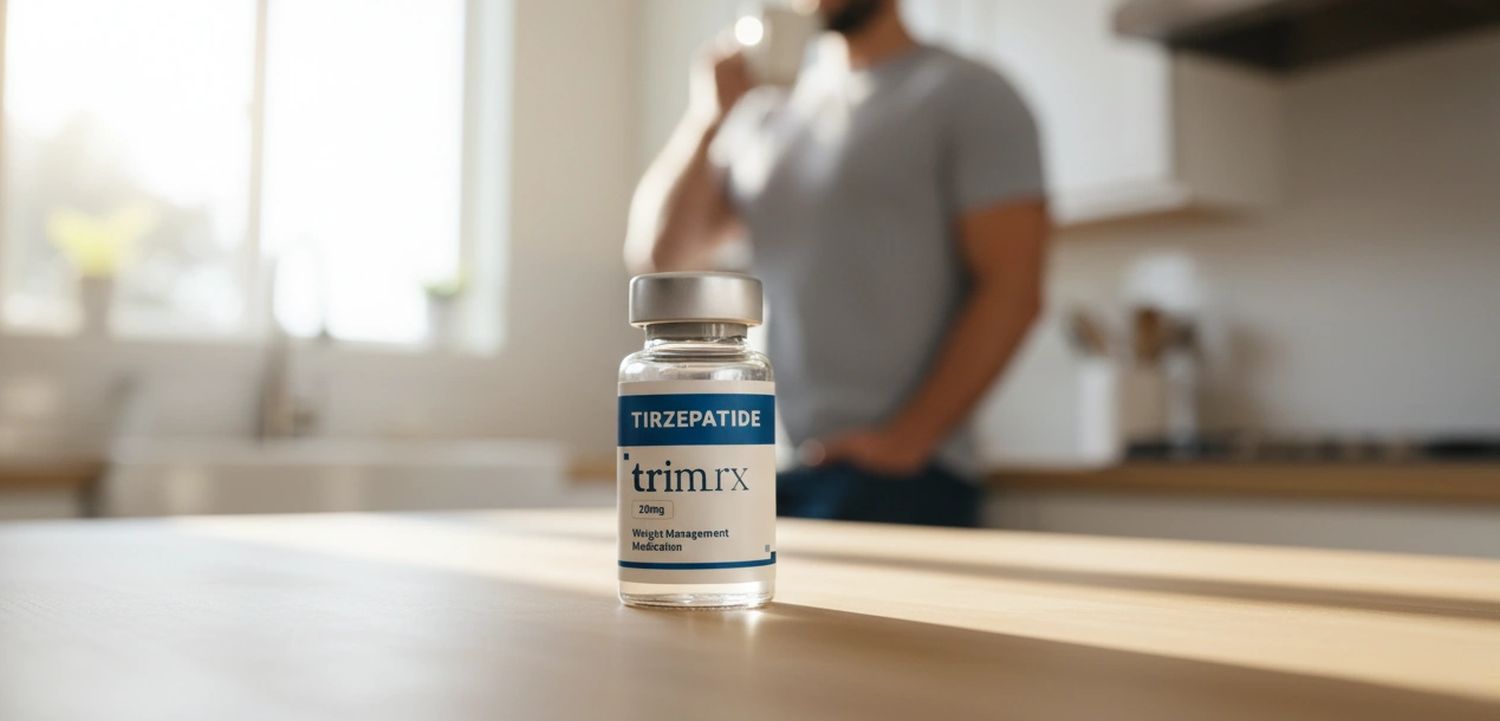
Hair shedding is one of the more surprising side effects people notice on tirzepatide. Yes, it can happen, and yes, it’s more common than the official prescribing information suggests. The good news: it’s almost always temporary. What’s actually going on is a well-understood physiological response to rapid weight loss, not a sign that tirzepatide is damaging your hair follicles. Here’s what the research shows, why it happens, and what you can do to minimize it.
What the Clinical Trials Actually Found
In the SURMOUNT-1 trial, alopecia (the clinical term for hair loss) was reported in about 5.7% of participants taking the highest dose of tirzepatide, compared to 1% in the placebo group. That’s a real and statistically meaningful difference. However, it’s worth putting that number in context: the trial involved significant caloric restriction and rapid body weight reduction alongside medication use. Separating tirzepatide’s direct effect from the effect of losing 15 to 20 percent of body weight quickly is genuinely difficult.
Most clinicians who prescribe GLP-1 medications regularly will tell you that hair shedding is a known and expected phenomenon during the active weight loss phase. It tends to show up around months two through five and resolves on its own as weight stabilizes.
Why Hair Loss Happens: Telogen Effluvium Explained
The type of hair loss most people experience on tirzepatide has a specific name: telogen effluvium. Understanding it makes the whole thing a lot less alarming.
Here’s how it works. Your hair grows in cycles. At any given time, roughly 85 to 90 percent of your hair follicles are in the active growth phase (anagen), while the remaining 10 to 15 percent are in the resting phase (telogen), preparing to shed. When your body undergoes significant physiological stress, such as rapid weight loss, caloric restriction, surgery, illness, or even extreme emotional stress, a larger-than-normal percentage of follicles can shift prematurely into the telogen phase.
The result is increased shedding roughly two to four months after the triggering event. You’re not losing follicles permanently. The follicles are still there, still viable. They’re just temporarily resting.
A 2017 study published in Skin Appendage Disorders confirmed that telogen effluvium associated with weight loss is directly tied to the degree and speed of caloric restriction, not to any specific drug mechanism. This is why you’d see similar shedding after bariatric surgery or a very low-calorie diet.
Is It Tirzepatide Itself or the Weight Loss?
This is the question most patients want answered, and the honest answer is: probably both, with weight loss being the larger driver.
Tirzepatide works as a dual GIP and GLP-1 receptor agonist, which significantly reduces appetite and caloric intake. When someone loses 20, 30, or 40 pounds over several months, the body interprets that caloric deficit as physiological stress. Protein and micronutrient intake often dip during this period too, which can compound the problem.
That said, some researchers have noted that GLP-1 receptors exist in hair follicle tissue, and there’s ongoing investigation into whether direct receptor activity plays a minor role. At this point, the evidence points to nutritional factors and rapid weight loss as the primary causes.
When Does Hair Loss Start and How Long Does It Last
Most people who experience tirzepatide-related hair shedding notice it between weeks eight and twenty of treatment. The timing tracks with the typical two-to-four-month lag of telogen effluvium.
The shedding phase usually lasts two to four months on its own. Once your weight loss slows and your caloric intake stabilizes, follicles cycle back into active growth. Most patients see significant improvement or full resolution within six to nine months of onset.
Consider this scenario: a patient starts tirzepatide in January, loses weight quickly through the spring, and notices significant shedding in April and May. By August or September, new growth is visible and the shedding has largely stopped. That timeline is common and consistent with what dermatologists see in post-bariatric patients.
What You Can Do About It
You can’t prevent telogen effluvium entirely if you’re losing weight rapidly, but you can reduce its severity with a few targeted strategies.
Prioritize protein intake. This is the single most important nutritional lever. Hair is made of keratin, a protein. When you’re eating less overall, protein is often the first macronutrient to drop. Aim for at least 80 to 100 grams of protein daily while on tirzepatide. If you want a detailed look at protein targets, the tirzepatide product page has information on what a structured tirzepatide program looks like.
Check your micronutrients. Iron deficiency, zinc deficiency, and low biotin are all associated with increased hair shedding. Ask your provider to check ferritin, zinc, and a full iron panel at your next visit. Supplementing where there’s an actual deficiency can help. Taking biotin without a deficiency is unlikely to make a meaningful difference, despite what supplement marketing suggests.
Don’t crash your calories. Tirzepatide suppresses appetite substantially. Some patients end up eating far too little, which accelerates the nutritional deficits that contribute to shedding. Eating structured meals even when you’re not hungry is worth the effort.
Be gentle with your hair mechanically. Tight hairstyles, excessive heat, and aggressive brushing all increase breakage on top of natural shedding. This won’t cause telogen effluvium, but it can make the visual impact worse.
Talk to a dermatologist if it’s significant. Topical minoxidil has evidence for accelerating hair regrowth in telogen effluvium. If shedding is severe or persisting beyond six months, a dermatologist can evaluate whether anything else is going on.
When Hair Loss Is Not Normal
Telogen effluvium is diffuse, meaning hair thins evenly across the scalp rather than in patches. If you’re noticing patchy bald spots, significant eyebrow or eyelash loss, or scalp changes like scaling or redness alongside the shedding, that warrants a dermatology referral. Those patterns suggest something other than stress-related shedding.
Similarly, if hair loss starts before you’ve lost significant weight or begins within the first few weeks of treatment, it’s worth discussing with your provider rather than attributing it to tirzepatide.
The Bigger Picture
Hair shedding during active weight loss is an inconvenient but temporary trade-off for most people on tirzepatide. It typically resolves on its own, it doesn’t indicate permanent follicle damage, and the underlying cause is one your body corrects as weight stabilizes.
If you’re already experiencing this and want to know whether your overall tirzepatide progress is on track, reviewing the tirzepatide results timeline can help you contextualize where you are in the process. And if you haven’t started yet and want to understand whether tirzepatide is the right option for you, taking the intake assessment is a straightforward next step.
Hair loss is temporary. The results you’re working toward don’t have to be.
This information is for educational purposes and is not medical advice. Consult with a healthcare provider before starting any medication. Individual results may vary.

Transforming Lives, One Step at a Time
Keep reading

Compounded Tirzepatide Florida: Your Guide
Florida’s population includes a disproportionately high number of adults living with obesity, type 2 diabetes, and cardiovascular risk factors, which makes tirzepatide one of…

Compounded Tirzepatide Texas: How It Works
Texas leads the country in several health statistics that make GLP-1 medications particularly relevant, including high rates of obesity, type 2 diabetes, and cardiovascular…

Compounded Tirzepatide California: Getting Started
If you’ve been following the GLP-1 conversation, you’ve probably heard that tirzepatide is producing some of the most impressive weight loss numbers in clinical…


