Does Tirzepatide Help With Menopause?
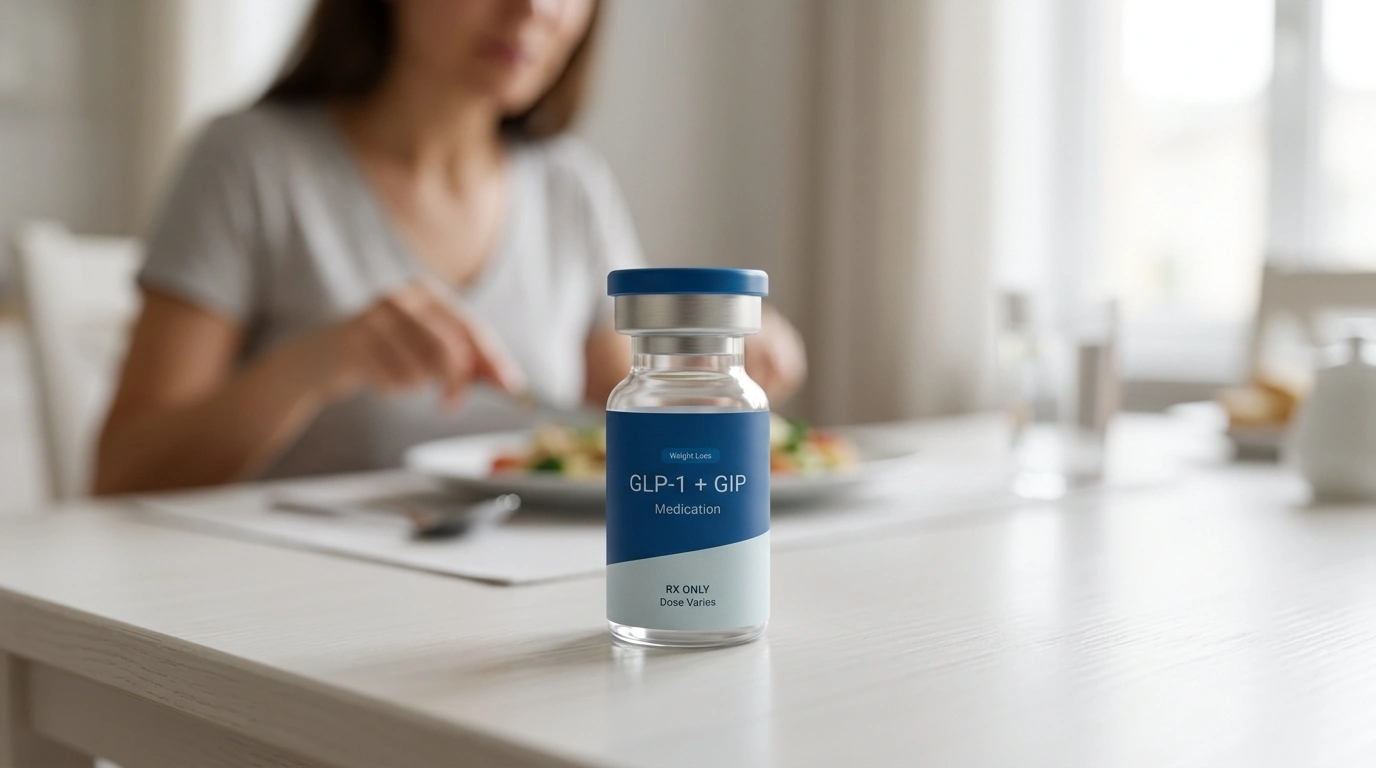
Table of Contents
- Introduction
- The Biology of Menopause Weight Gain
- What is Tirzepatide?
- Does Tirzepatide Help with Menopause Symptoms?
- Clinical Research and Menopausal Weight Loss
- Managing Muscle Mass and Nutrition During Menopause
- Potential Side Effects and Considerations
- The TrimRx Approach to Menopause Weight Loss
- How to Get Started
- Is Tirzepatide “Better” Than Semaglutide for Menopause?
- The Role of Lifestyle in a Tirzepatide Program
- Conclusion
- FAQ
Introduction
For many women, the transition into menopause feels like their body has suddenly changed its own internal programming. Despite maintaining the same diet and exercise routines, the scale begins to climb, and weight settles stubbornly around the midsection. This phenomenon, frequently called “menopause belly,” is more than just a cosmetic concern; it represents a significant shift in metabolic health driven by declining estrogen levels. At TrimRx, we understand that these biological changes often require more than just traditional lifestyle advice. This article examines the intersection of hormonal shifts and modern weight loss interventions, specifically addressing a common question: does tirzepatide help with menopause weight gain? We will explore how this dual-action medication interacts with the body’s metabolic pathways and whether it can provide the support needed to navigate the metabolic challenges of this life stage. If you want to see whether a personalized program is a fit, you can take the free assessment quiz.
The Biology of Menopause Weight Gain
To understand if tirzepatide is effective, it is first necessary to understand why menopause makes weight management so difficult. The transition into menopause is characterized by a significant drop in estrogen. This hormonal decline does not just end reproductive years; it fundamentally alters how the female body processes and stores energy.
When estrogen levels fall, the body naturally shifts its fat storage patterns from the hips and thighs to the abdominal cavity. This is known as visceral fat, and it is metabolically active in ways that can negatively impact health. Unlike subcutaneous fat, which sits just under the skin, visceral fat surrounds vital organs and is linked to increased inflammation and a higher risk of cardiovascular issues.
Furthermore, the menopausal transition is often accompanied by a decrease in basal metabolic rate. This means the body burns fewer calories at rest than it did previously. Muscle mass also tends to decline during this period—a process called sarcopenia—which further slows the metabolism, as muscle tissue is more metabolically expensive to maintain than fat tissue.
For a broader look at how this hormonal shift affects weight management, our guide on how GLP-1 medications help menopause weight gain breaks down the mechanism in more detail.
Key Takeaway: Menopause-related weight gain is driven by hormonal shifts that promote visceral fat storage, increase insulin resistance, and reduce the body’s overall metabolic rate.
What is Tirzepatide?
Tirzepatide is a dual-action medication that mimics two naturally occurring hormones in the body: glucagon-like peptide-1 (GLP-1) and glucose-dependent insulinotropic polypeptide (GIP). It belongs to a class of drugs known as receptor agonists. By activating these two receptors, the medication helps regulate blood sugar levels and body weight through several different mechanisms.
The first component, GLP-1, is a hormone released by the gut after eating. It helps the pancreas release the right amount of insulin and slows down gastric emptying, the process by which food leaves the stomach. This slower digestion helps individuals feel full longer, reducing the urge to snack or overeat.
The second component, GIP, is what sets tirzepatide apart from earlier weight loss medications like semaglutide, which only targets the GLP-1 receptor. GIP is thought to work alongside GLP-1 to enhance the body’s sensitivity to insulin and potentially improve how fat cells store and break down energy. This dual-hormone approach is often referred to as a “twincretin” because of its dual action on the incretin system.
If you want a plain-language refresher on this hormone pathway, what GLP-1 is and how it works is a helpful place to start.
The Difference Between Branded and Compounded Tirzepatide
When researching this medication, you will likely encounter branded names such as Mounjaro® and Zepbound®. These are FDA-approved medications for specific uses like type 2 diabetes or chronic weight management. However, many people access this medication through different channels.
At TrimRx, we connect patients with licensed providers who may prescribe compounded tirzepatide. Compounded medications are prepared by a pharmacist to meet the specific needs of a patient and are often used when branded medications are in short supply or when a specific dosage is required.
Note: While the branded versions of these medications are FDA-approved for their specific indications, compounded tirzepatide is not FDA-approved. It is, however, prepared and shipped by FDA-registered and inspected compounding pharmacies to ensure high standards of quality and safety.
Does Tirzepatide Help with Menopause Symptoms?
While tirzepatide is not a hormone replacement therapy (HRT) and does not directly replace the estrogen lost during menopause, it may help manage several of the metabolic consequences of the menopausal transition.
Addressing Insulin Resistance
One of the primary challenges of menopause is an increase in insulin resistance. As estrogen levels drop, the body’s cells become less responsive to insulin, leading to higher blood sugar levels and a greater tendency to store fat. Tirzepatide helps improve insulin sensitivity, making it easier for the body to use glucose for energy rather than storing it as fat. For women in menopause, this can be a vital shift in preventing further weight gain and protecting against metabolic disorders.
Targetting Visceral Fat
Because tirzepatide works on the GIP receptor, there is significant interest in its ability to influence fat distribution. While more research is specifically needed on menopausal populations, clinical studies on tirzepatide generally show a significant reduction in total body fat, including the dangerous visceral fat that accumulates during menopause. By reducing this “menopause belly,” the medication may help lower the systemic inflammation associated with midlife weight gain.
For a deeper menopause-specific discussion, see our article on tirzepatide for women over 50.
Appetite Regulation and Food Cravings
Menopause can often bring about changes in appetite and “food noise”—the constant, intrusive thoughts about eating. These shifts are often linked to fluctuations in hormones like ghrelin (the hunger hormone) and leptin (the fullness hormone). Tirzepatide helps quiet this food noise by signaling the brain that the body is satisfied, making it much easier for women to adhere to a healthy, calorie-controlled diet.
Bottom line: Tirzepatide does not fix the hormonal root of menopause, but it effectively targets the metabolic side effects, such as insulin resistance and increased appetite, that make weight loss nearly impossible for many women during this stage.
Clinical Research and Menopausal Weight Loss
While many clinical trials for GLP-1 and GIP medications include women of menopausal age, researchers are increasingly looking specifically at how these drugs perform in this demographic.
In large-scale clinical trials, such as the SURMOUNT program, participants taking tirzepatide experienced significant weight loss regardless of their age or baseline metabolic status. Sub-analyses of these trials suggest that post-menopausal women can achieve weight loss results comparable to younger participants when using these medications in conjunction with lifestyle changes.
For a related perspective on menopause-focused outcomes, our post on tirzepatide postmenopausal use and effectiveness is worth reading next.
Research suggests that the dual-action nature of tirzepatide may be particularly effective for those with significant metabolic dysfunction. Because menopause is essentially a state of metabolic transition, the ability of tirzepatide to address both appetite and energy processing makes it a compelling option for those who have found traditional “diet and exercise” ineffective.
Managing Muscle Mass and Nutrition During Menopause
A major concern for any individual losing weight, but especially for women in menopause, is the loss of lean muscle mass. As mentioned earlier, menopause already puts women at a higher risk for muscle loss. When losing weight rapidly on medications like tirzepatide, it is crucial to ensure that the weight being lost is fat, not muscle.
To support muscle preservation during your weight loss journey, we recommend a few key strategies:
- Prioritize Protein: Consuming adequate protein is essential for maintaining muscle tissue. Aim for high-quality protein sources at every meal.
- Resistance Training: Engaging in strength-building exercises at least twice a week helps signal the body to keep its muscle while burning fat.
- Supplementation: Sometimes, diet alone isn’t enough to cover all nutritional bases when appetite is suppressed.
For those looking for extra support during their program, we offer specialized supplements like GLP-1 Daily Support. This supplement is designed to help bridge nutritional gaps that can occur when you are eating significantly less while on a medication like tirzepatide. Additionally, our Weight Loss Boost supplement can provide an extra layer of metabolic support.
Potential Side Effects and Considerations
Like any medication, tirzepatide can cause side effects. For women in menopause, who may already be dealing with symptoms like nausea or digestive changes, it is important to know what to expect.
Common side effects of tirzepatide are primarily gastrointestinal in nature. These may include:
- Nausea
- Diarrhea
- Constipation
- Indigestion or stomach pain
- Fatigue
In most cases, these side effects are mild to moderate and tend to decrease over time as the body adjusts to the medication. Starting at a lower dose and gradually increasing it—a process known as titration—is the standard way to minimize these issues.
Note: It is vital to work with a healthcare professional to manage these side effects. If you experience severe abdominal pain, persistent vomiting, or signs of an allergic reaction, you should seek medical attention immediately.
Who Should Avoid Tirzepatide?
Tirzepatide is not suitable for everyone. Individuals with a personal or family history of medullary thyroid carcinoma or Multiple Endocrine Neoplasia syndrome type 2 (MEN 2) should not use this medication. It is also important to disclose any history of pancreatitis or gallbladder problems to your healthcare provider during your assessment.
If you are still deciding whether treatment is a fit, you can complete the free assessment quiz and share your health history with a licensed provider.
The TrimRx Approach to Menopause Weight Loss
We believe that weight loss is a deeply personal journey, especially during the complex transition of menopause. You shouldn’t have to navigate waiting rooms or confusing pharmacy lines to get the help you need. Our platform is designed to make the process as straightforward and supportive as possible.
Our program provides a telehealth-first experience that connects you with licensed medical providers from the comfort of your home. This allows for a thorough review of your health history, current symptoms, and weight loss goals without the need for in-person visits.
When you join our program, you receive:
- A Personalised Treatment Plan: Based on your medical profile and the results of your assessment.
- Access to Medication: If prescribed, your medication is shipped directly from an FDA-registered compounding pharmacy to your door.
- Ongoing Support: You have 24/7 access to our team to answer questions about your dosage, side effects, or progress.
- Transparent Support: We believe in a simple model that keeps your care straightforward.
How to Get Started
If you are struggling with menopause-related weight gain and are curious if tirzepatide is the right fit for you, the process is simple and entirely online.
Step 1: Complete the Assessment Quiz. Take our free, comprehensive health assessment. This quiz asks about your medical history, current health status, and your specific weight loss goals. This information is essential for a healthcare provider to determine if you are a candidate for the program.
Step 2: Professional Medical Review. A licensed healthcare provider will review your assessment. They will evaluate whether tirzepatide or another medication is appropriate for you based on clinical guidelines and your individual health profile.
Step 3: Receive Your Medication. If approved, your prescription will be sent to one of our partner compounding pharmacies. Your medication and all necessary supplies will be shipped directly to your home in discreet packaging.
Step 4: Start Your Journey with Support. Once you receive your medication, you can begin your program. You will have access to our specialists to help you navigate your first dose and any questions that arise along the way.
If you want to compare menopause-focused weight management approaches before starting, menopause and GLP-1 management offers a useful overview.
Myth: “You’ll regain all the weight the moment you stop the medication.” Fact: While some weight regain can occur if lifestyle habits aren’t maintained, many patients use the period on the medication to build sustainable habits. Our program focuses on long-term metabolic health, not just a quick fix, helping you transition to a lifestyle that supports weight maintenance.
Is Tirzepatide “Better” Than Semaglutide for Menopause?
This is a frequent question for many women looking at their options. Both medications are highly effective, but they work slightly differently. Semaglutide (the active ingredient in Ozempic® and Wegovy®) focuses solely on the GLP-1 receptor. Tirzepatide adds the GIP component.
Some clinical data suggests that tirzepatide may lead to a higher percentage of weight loss compared to semaglutide. However, “better” is subjective. Some individuals tolerate semaglutide better, while others find the dual action of tirzepatide more effective for their specific metabolic needs. During your assessment, your provider will help determine which medication aligns best with your health history and goals.
If you want a broader comparison of the medication class, how semaglutides work to support weight loss is a helpful companion article.
The Role of Lifestyle in a Tirzepatide Program
While medications like tirzepatide are powerful tools, they are not magic bullets. They are designed to work in tandem with healthy lifestyle choices. For menopausal women, this means focusing on a nutrient-dense diet that supports bone and heart health.
Focusing on whole foods, fiber, and lean proteins can help maximize the effects of the medication. Because your appetite will be reduced, the quality of the food you do eat becomes even more important. This is also where our quick-access supplements, like the GLP-1 Daily Support supplement, can play a role in ensuring your body gets the micronutrients it needs while your caloric intake is lower.
Additionally, sleep and stress management are critical during menopause. High levels of the stress hormone cortisol can contribute to abdominal fat storage, potentially working against your weight loss efforts. Combining medical support with a holistic approach to wellness provides the best chance for sustainable success.
Conclusion
Menopause marks a significant shift in a woman’s life, and the weight gain that often accompanies it can be frustrating and demoralizing. However, the emergence of dual-action medications like tirzepatide offers a new pathway for those who have struggled to find success through traditional means. By addressing insulin resistance, curbing appetite, and targeting the metabolic changes driven by hormonal shifts, tirzepatide may help women regain control over their health and body composition.
At TrimRx, our mission is to help you embrace a healthier lifestyle through science, empathy, and a transparent, personalized approach to sustainable weight loss. We are here to serve as your knowledgeable guide, providing the clinical expertise and modern technology needed to help you achieve your goals safely and effectively.
If you are ready to see if a personalized weight loss program featuring tirzepatide is right for your menopausal journey, the first step is simple.
Take the next step today by completing our free health assessment quiz.
FAQ
Does tirzepatide help with hot flashes or other hormonal menopause symptoms?
Tirzepatide is not a hormone replacement therapy and is not designed to treat vasomotor symptoms like hot flashes or night sweats. However, some women find that losing weight and improving their metabolic health can indirectly lead to a better sense of overall well-being and improved sleep, which may make other menopause symptoms feel more manageable.
Can I take tirzepatide if I am already on Hormone Replacement Therapy (HRT)?
In many cases, tirzepatide can be used alongside HRT, as they work through different biological pathways. It is essential to provide your healthcare provider with a full list of all medications and supplements you are currently taking during your TrimRx assessment so they can ensure there are no contraindications.
How much weight can a menopausal woman expect to lose on tirzepatide?
Weight loss results vary significantly from person to person based on starting weight, dosage, and lifestyle factors. Clinical studies generally show that participants can lose a significant percentage of their body weight over several months, and sub-analyses suggest that post-menopausal women can achieve results similar to those of the broader population when using the medication as directed.
Is tirzepatide safe for women over 60?
Tirzepatide can be used by older adults, but healthcare providers often take extra care to monitor for side effects and ensure that muscle mass is being preserved. If you are over 60, your provider will evaluate your overall health, including kidney function and heart health, to determine if the medication is a safe and appropriate option for you.
Disclaimer: This content is for informational purposes only and does not constitute medical advice. It is not intended to diagnose, treat, cure, or prevent any disease or condition. Individual results may vary. Always consult a qualified healthcare professional before starting any weight loss program or medication.

Transforming Lives, One Step at a Time
Keep reading

How to Get Tirzepatide Hollywood — Prescribed Online Today
Get tirzepatide Hollywood through licensed telehealth — California residents receive FDA-registered compounded prescriptions shipped in 48 hours without

Tirzepatide Online Hollywood — Prescription Access &
Tirzepatide online Hollywood connects residents to licensed telehealth providers who prescribe and ship compounded GLP-1 medications directly to your door

Telehealth Tirzepatide Hollywood — Licensed RX Delivered
Telehealth tirzepatide Hollywood connects you with licensed providers remotely — compounded medication ships within 48 hours. No office visits required.


