Does Tirzepatide Make You Cold? Causes and Solutions
Introduction
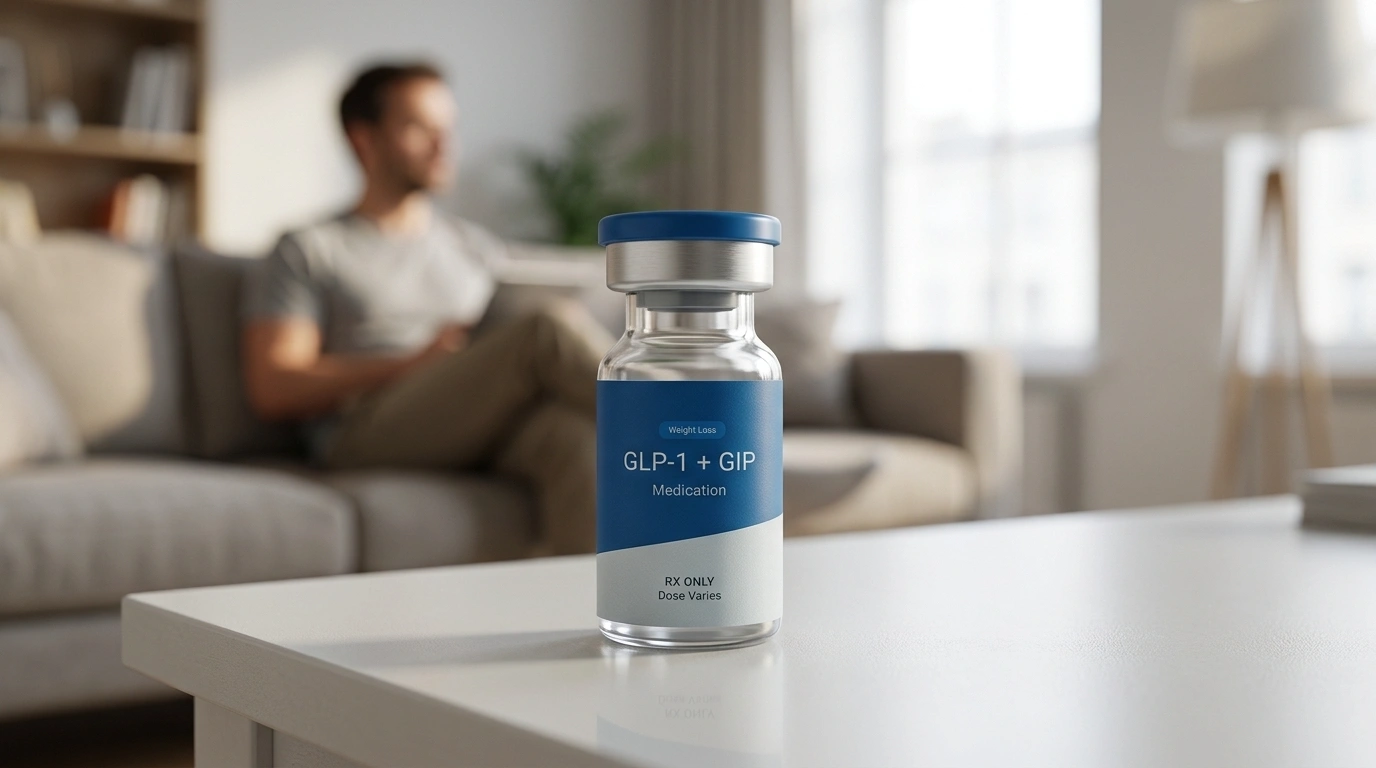
You may have noticed a surprising change in your daily life since starting your weight loss journey. Perhaps you are reaching for a sweater in the middle of a warm afternoon or find yourself shivering while others seem perfectly comfortable. This sensation of feeling unusually cold is a common experience for many people using GLP-1 medications. At TrimRx, we believe that understanding the “why” behind your body’s changes is the first step toward a more comfortable and successful transformation.
This article explores the biological reasons why tirzepatide might make you feel cold. We will look at how your metabolism shifts, how fat loss impacts insulation, and how your brain regulates temperature. Our goal is to provide you with practical strategies to stay warm while your body does the hard work of metabolic repair. Feeling cold is often a sign that your program is working, but it does not have to be a permanent discomfort.
Understanding Tirzepatide and Temperature Regulation
Tirzepatide is a dual-acting medication. It mimics two different hormones in the body: glucagon-like peptide-1 (GLP-1) and glucose-dependent insulinotropic polypeptide (GIP). These hormones are receptor agonists. This means they bind to specific receptors in your body to trigger certain actions, such as slowing digestion and signaling the brain that you are full.
While these medications are primarily known for their impact on blood sugar and appetite, they also influence the autonomic nervous system. This system controls involuntary functions like heart rate, digestion, and temperature regulation. When these hormonal pathways are activated, your body’s internal “thermostat” can sometimes undergo a period of adjustment.
Quick Answer: Feeling cold on tirzepatide is usually caused by a combination of rapid fat loss, reduced caloric intake, and the medication’s effect on the brain’s temperature control center. It is a common side effect that often signals the body is successfully burning stored energy.
The Role of the Hypothalamus
The hypothalamus is a small region in the brain that acts as your body’s command center for temperature. It receives signals from the skin and internal organs to determine if you are too hot or too cold. Because GLP-1 and GIP receptors are present in the brain, medications like tirzepatide may interact with the signals sent to the hypothalamus.
Some researchers suggest that these medications might slightly lower the body’s “set point” for temperature. This can make you feel chilly even when the room temperature has not changed. It is a biological shift as your body adapts to a new metabolic state. For additional background, review this guide to how GLP-1 shots work for weight loss.
Why Weight Loss Leads to a Chill
The most direct reason for feeling cold during a weight loss program is the loss of body fat itself. Fat is not just stored energy; it is also a highly effective form of insulation. It helps trap body heat and protects your internal organs from temperature fluctuations.
Loss of subcutaneous fat reduces insulation. Subcutaneous fat is the layer of fat located directly under your skin. As this layer thins, your body has less of a “buffer” against the cold. You may notice this most in your hands, feet, and nose, where the skin is thinner and blood vessels are closer to the surface.
Metabolic rate and thermogenesis. When you eat fewer calories, your body becomes more efficient. Thermogenesis is the process of heat production in organisms. When the body detects a significant drop in caloric intake, it may slow down non-essential heat production to conserve energy. This is a survival mechanism that has existed in humans for thousands of years.
Key Takeaway: Feeling cold is frequently a byproduct of a “caloric deficit,” where your body is using more energy than it is taking in. This shift reduces the heat generated by digestion and metabolism.
For a broader overview of possible reactions and management strategies, read what to expect from tirzepatide side effects.
Comparing Side Effects Across GLP-1 Medications
Many people wonder if this side effect is specific to tirzepatide or if it occurs with other medications like semaglutide. Semaglutide—the active ingredient in branded medications like Wegovy® and Ozempic®—is a single GLP-1 receptor agonist. Tirzepatide, found in branded medications like Mounjaro® and Zepbound®, targets both GLP-1 and GIP.
Because tirzepatide acts on two pathways, it often leads to more significant weight loss in clinical trials. This faster rate of fat loss may make the feeling of being cold more noticeable or occur earlier in the treatment process compared to other medications. However, the sensation of “the GLP-1 chill” is reported by users across the entire category of these medications.
| Factor | Tirzepatide (Dual Agonist) | Semaglutide (Single Agonist) |
|---|---|---|
| Primary Mechanism | GLP-1 and GIP receptors | GLP-1 receptors only |
| Fat Loss Speed | Often faster in clinical studies | Gradual and consistent |
| Cold Sensitivity | High likelihood due to rapid loss | Common, but may be more gradual |
| Metabolic Impact | Dual action on insulin and satiety | Focused on satiety and glucose |
You can also compare tirzepatide and semaglutide side effects when discussing treatment options with your provider.
Managing Cold Sensitivity Daily
If you find yourself shivering or constantly reaching for a blanket, there are several lifestyle adjustments you can make. You do not have to just “tough it out.” These strategies help support your body’s temperature regulation while you continue your program.
Prioritize Protein and Regular Meals
Digesting food actually generates heat. This is known as the thermic effect of food (TEF). Protein has a higher thermic effect than fats or carbohydrates, meaning the body burns more energy (and creates more heat) to process it.
Eat small, frequent meals. Instead of one large meal, try eating smaller portions throughout the day. This keeps your digestive system active and can provide a steady stream of “metabolic heat.”
Focus on lean protein. Including protein at every meal can help maintain your muscle mass and keep your internal furnace burning.
Strategic Layering and Environment
It may seem obvious, but many people underestimate the power of the right materials. If your body is struggling to produce heat, you must do a better job of trapping the heat you do have.
- Wear moisture-wicking base layers. Materials like merino wool or synthetic blends can help regulate temperature better than cotton.
- Keep your extremities warm. Heat is often lost through the head, hands, and feet. Wearing thick socks or a light hat indoors can make a significant difference.
- Use a heating pad. Many patients find that using a heating pad on their core or feet for 15 minutes can “reset” their temperature and make them feel comfortable for hours.
Hydration and Movement
Dehydration can make you feel colder. Water is essential for maintaining blood volume and circulation. If you are dehydrated, your blood flow to the skin and extremities may decrease, making you feel chilled.
Stay active. Even a five-minute walk or some light stretching can increase circulation. Movement signals the body to move blood to the muscles and skin, which generates immediate warmth.
Warm liquids. Drinking warm herbal tea or bone broth provides hydration and immediate internal warmth.
The Importance of Nutrient Support
When your body is undergoing rapid change, it needs extra support. A personalized program through a platform like ours often includes more than just a prescription. It involves a holistic look at how your body is responding to the medication.
Our GLP-1 Daily Support supplement is designed to help bridge the gap. While it is not a “cure” for feeling cold, it supports general metabolic health and provides essential nutrients that can be missed when appetite is suppressed. Ensuring your body has the vitamins and minerals it needs helps the autonomic nervous system function at its best.
Bottom line: While feeling cold is a physical sensation, it is often tied to how well your body is being fueled and hydrated during weight loss.
For additional support related to energy and metabolic health, explore the Weight Loss Boost supplement.
When to Consult a Healthcare Provider
While feeling cold is usually a harmless side effect of weight loss, it can sometimes point to other issues. It is important to work with a licensed healthcare provider who can monitor your progress and distinguish between normal medication side effects and other medical conditions.
Rule Out Anemia and Thyroid Issues
Rapid weight loss or changes in diet can sometimes lead to iron deficiency (anemia). One of the primary symptoms of anemia is feeling cold, particularly in the hands and feet. Similarly, the thyroid gland is the primary regulator of metabolism. If your thyroid is underactive (hypothyroidism), you will feel cold regardless of your weight loss medication.
Persistent or new cold intolerance may warrant reviewing whether feeling cold all the time on tirzepatide is normal.
Monitoring Your Dosage
If the cold sensitivity is accompanied by extreme fatigue, dizziness, or a total loss of appetite, your provider may need to adjust your program. Through the TrimRx platform, you have 24/7 access to a dedicated team of specialists. This allows you to report side effects in real-time and receive professional guidance on whether your dosage or nutrition plan needs to change.
Note: Always consult your provider if your cold sensitivity is accompanied by blue-tinted fingernails, extreme lethargy, or if you cannot get warm even in a heated environment.
How to Get Started with a Personalized Program
Navigating the world of GLP-1 medications can be confusing. Between branded options like Mounjaro® and Zepbound® and compounded alternatives, it is hard to know which path is right for you. We simplify this process by connecting you with licensed providers who evaluate your specific health profile.
The TrimRx Process
Step 1: Complete the free assessment quiz. This online tool gathers information about your health history, your weight loss goals, and any previous experiences with medication.
Step 2: Provider review. A licensed clinician reviews your data to determine if a GLP-1 or GIP medication is appropriate for you.
Step 3: Personalized treatment plan. If eligible, you will receive a program tailored to your needs. This may include compounded tirzepatide or semaglutide, which are prepared and shipped by FDA-registered, inspected compounding pharmacies.
Step 4: Ongoing support. Your program includes unlimited consultations and access to our team to help you manage side effects like feeling cold.
Begin with a free eligibility assessment to learn whether a personalized program may be appropriate for you.
Myth: You have to visit a doctor’s office in person to get medical weight loss treatment. Fact: Telehealth-first platforms allow you to receive high-quality, medically supervised care from the comfort of your home, with all medications shipped directly to your door.
Embracing the Change
Feeling cold is a physical manifestation of a major internal shift. For many, it is the first tangible sign that their body is no longer relying on constant caloric intake and is instead tapping into stored fat for fuel. While it can be annoying, it is also a signal of progress.
Our mission is to help you navigate these changes with empathy and scientific expertise. We understand that weight loss is not just about a number on a scale; it is about how you feel every day. By providing personalized care and high-quality medications from inspected pharmacies, we ensure that your journey is as smooth and comfortable as possible.
Conclusion
Feeling cold while taking tirzepatide is a well-documented experience. It stems from the complex interplay between your brain’s temperature regulation, the loss of insulating body fat, and a naturally slowing metabolism during caloric restriction. While it may require you to wear an extra layer or sip more warm tea, it is generally a manageable side effect of a highly effective weight loss journey.
At TrimRx, we are committed to being your partner in this transformation. We provide the clinical oversight and personalized programs necessary to ensure your health and comfort are always the priority. If you are ready to take the next step toward sustainable weight management with a team that understands your needs, we are here to help.
Key Takeaway: Manage your temperature by focusing on high-protein meals, consistent hydration, and proper layering. If the chill becomes overwhelming, lean on your clinical support team to ensure your program is optimized for your body.
Take the first step toward a personalized weight loss program today by completing the free assessment quiz.
FAQ
Why do I feel so cold after my tirzepatide injection?
The “chills” often occur shortly after an injection because the medication is reaching peak levels in your bloodstream, signaling the hypothalamus in the brain to adjust your internal thermostat. Additionally, as the medication begins to suppress your appetite, your body may reduce heat production from digestion. This is a common response as the body adapts to the dual-action hormone signals.
Does feeling cold mean the medication is working?
In many cases, yes. Feeling cold is often a side effect of the metabolic changes required for weight loss, such as burning stored fat and consuming fewer calories. As you lose the insulating layer of subcutaneous fat, your body becomes more sensitive to the environment. It indicates that your body is in a caloric deficit and is successfully utilizing its energy stores.
Will the cold sensitivity go away over time?
For many people, the intensity of the cold feeling diminishes as their body reaches a “maintenance phase” or becomes fully adjusted to the medication. However, as long as you are actively losing weight and have less body fat for insulation, you may remain more sensitive to cold than you were before. Consistent protein intake and staying active can help your body regulate its temperature more effectively.
Can I take supplements to help with tirzepatide side effects?
Yes, targeted supplements can support your body during weight loss. Our GLP-1 Daily Support is formulated to provide essential nutrients that may be lacking when your food intake decreases. While supplements don’t directly “warm” the body, they support overall metabolic health and energy levels, which can make managing side effects like cold sensitivity much easier. You can also start a personalized assessment to discuss your treatment and support needs with a provider.
Disclaimer: This content is for informational purposes only and does not constitute medical advice. It is not intended to diagnose, treat, cure, or prevent any disease or condition. Individual results may vary. Always consult a qualified healthcare professional before starting any weight loss program or medication.

Transforming Lives, One Step at a Time
Keep reading
Starting Tirzepatide While on the Pill: The First Four Weeks
You have your first box and you take an oral contraceptive. There is a labeled instruction that applies to you, and the mistake almost…
Marathon Training on Tirzepatide When You Can’t Fuel
You have a plan on the fridge and a medication that has made eating feel optional. Those two things are in genuine conflict, and…

Paying Cash for Tirzepatide? Don’t Stretch Your Supply
When every vial comes out of your own pocket, the arithmetic is hard to ignore. If a month’s supply costs what it costs, and…


