Does Wegovy Burn When Injected? Tips for Comfortable Use
Introduction
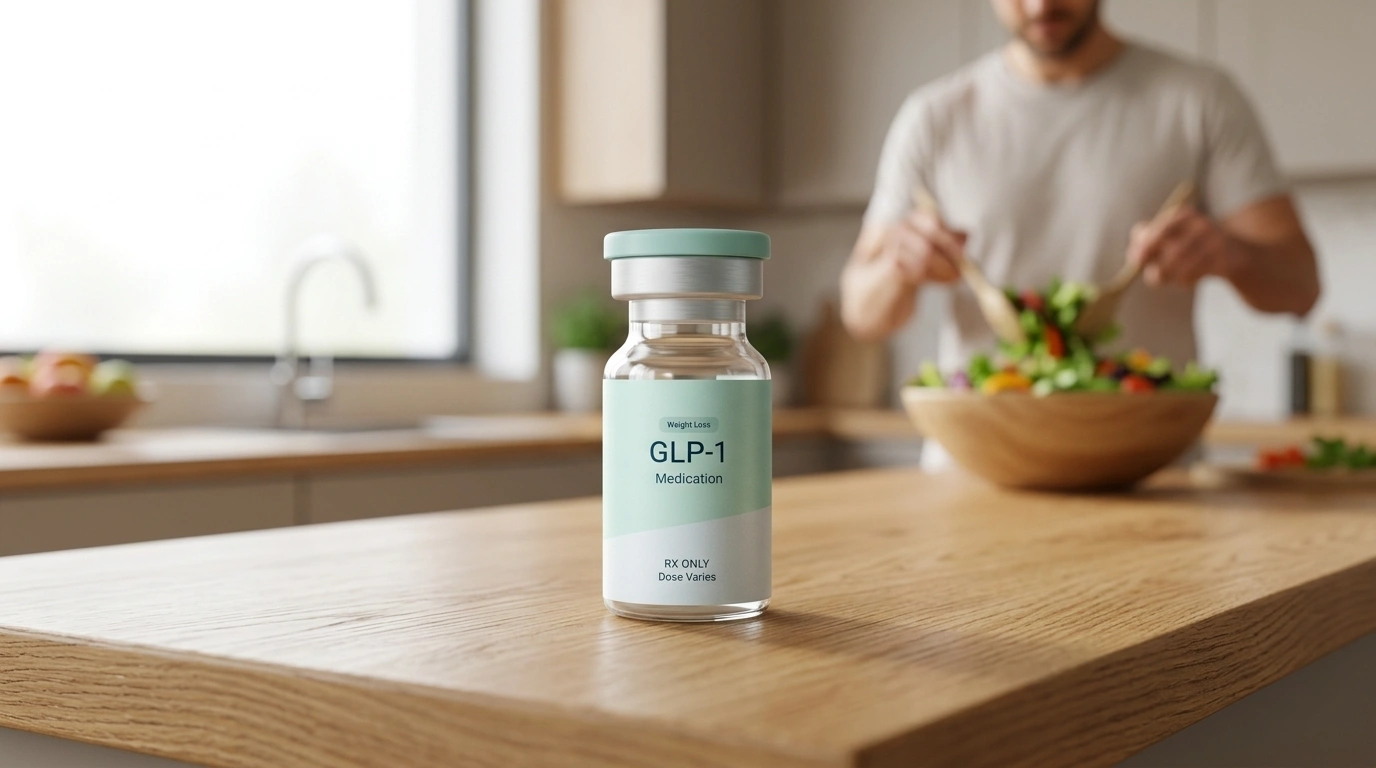
Starting a weight loss journey with a GLP-1 (glucagon-like peptide-1) receptor agonist is a significant step toward better metabolic health. However, for many individuals, the transition to weekly injections comes with a few nerves, specifically regarding the physical sensation of the needle. One of the most frequent questions we encounter at TrimRx is whether the medication causes a stinging or burning sensation during the injection process. While Wegovy® is designed for ease of use, some users do report a brief, mild discomfort or “burn” when the liquid enters the tissue. This post explores why this sensation happens, how to distinguish a normal sting from a reaction, and the best techniques to ensure your weekly dose is as comfortable as possible. Our goal is to provide you with the clarity and confidence needed to maintain consistency in your personalized program.
If you are considering prescription GLP-1 treatment, you can complete a free eligibility assessment to learn whether a personalized program may be appropriate for you.
Why Some People Experience a Burning Sensation
The sensation of burning during a subcutaneous injection—an injection delivered into the fatty tissue just under the skin—is usually related to the physical properties of the liquid or the injection technique. Wegovy® is a medication that contains semaglutide, which belongs to a class of drugs called GLP-1 receptor agonists. These medications mimic a hormone naturally produced in the gut that helps regulate appetite and blood sugar. Because the medication is concentrated, the sudden introduction of the fluid into a small space under the skin can sometimes cause a temporary stretching sensation that feels like a mild sting.
For additional context, read this guide to why semaglutide can burn when injected.
Temperature is one of the most common culprits behind a painful injection experience. Most GLP-1 medications are required to be stored in the refrigerator to maintain their stability and effectiveness. Injecting a cold liquid into a warm body can cause a sharp, biting sensation. This is not a chemical burn but rather a temperature shock to the local nerves in the skin.
The presence of alcohol on the skin can also contribute to a burning feeling. Standard protocol involves cleaning the injection site with an alcohol prep pad to prevent infection. If the medication is injected before the alcohol has completely evaporated, the needle can carry a small amount of alcohol into the puncture site, causing an immediate, sharp sting.
Quick Answer: A mild burning sensation during a Wegovy® injection is common and usually caused by the medication being too cold, the alcohol swab not being dry, or the needle angle. It is rarely a cause for concern unless accompanied by severe swelling or a rash.
Proper Injection Techniques to Minimize Discomfort
Mastering the art of the injection can turn a stressful weekly task into a quick, painless habit. Most individuals find that by following a specific set of steps, they can virtually eliminate the “burn” associated with their dose.
For more detailed guidance, review this step-by-step semaglutide injection guide.
Step-by-Step for a Pain-Free Injection
Step 1: Temper the medication.
Remove your pen from the refrigerator approximately 30 minutes before you plan to use it. Allowing the liquid to reach room temperature makes the fluid less viscous and significantly reduces the temperature-shock sting.
Step 2: Prepare the site and wait.
Clean your chosen injection site—typically the stomach, thigh, or upper arm—with an alcohol wipe. Wait at least 60 seconds for the skin to be completely dry to the touch before proceeding.
Step 3: Choose the right location.
Injecting into areas with more subcutaneous fat generally hurts less than injecting into leaner areas. Most people find the abdomen (at least two inches away from the belly button) or the top of the thigh to be the most comfortable spots.
Step 4: Use a firm, steady hand.
When using the pre-filled pen, apply steady pressure. Do not hesitate or “poke” slowly. A quick, firm application allows the needle to enter the skin efficiently, minimizing the activation of pain receptors.
Key Takeaway: The “30-minute rule” for warming the medication and the “60-second rule” for drying alcohol are the two most effective ways to stop injections from burning.
Comparing Injection Sites: Where Does it Hurt the Least?
Every individual has a different distribution of nerves and fat, meaning the “best” spot for an injection varies from person to person. However, clinical observation and patient feedback suggest some general trends regarding comfort.
For a closer look at placement and comfort, read about how GLP-1 injection sites affect the injection experience.
| Injection Site | Pro | Con |
|---|---|---|
| Abdomen | High fat content usually means less pain. | Can be sensitive for those with skin folds. |
| Thigh | Easy to see and stabilize the pen. | Leaner tissue may lead to more “muscle” sting. |
| Upper Arm | Lower nerve density in some areas. | Hard to reach without assistance. |
Rotating your injection site is essential for long-term comfort and skin health. If you inject into the exact same square inch of skin every week, you may develop lipohypertrophy, which is a localized buildup of fat or scar tissue. This can make the injections more painful over time and may even interfere with how well the medication is absorbed by your body.
Understanding the Difference: Burn vs. Allergic Reaction
It is important to distinguish between a momentary sting and a clinical injection site reaction. A mild burn that lasts for a few seconds or minutes after the injection is usually considered a normal part of the process. This is often referred to as a “localized sensation” and does not indicate any problem with the medication or your body’s acceptance of it.
For more information about localized symptoms, read about bruising and injection site reactions on semaglutide.
A true injection site reaction or allergic response looks and feels different. If you notice significant redness that spreads, intense itching, a raised welt (hives), or if the area feels hot to the touch for hours after the dose, you may be experiencing a reaction. While mild redness is common, persistent or worsening symptoms should be discussed with a healthcare provider.
Myth: If the injection burns, it means the medication is working better.
Fact: The burning sensation is purely a physical reaction to the injection process and has no correlation with the effectiveness of the semaglutide in your system.
The Role of Personalised Care and Compounded Options
At TrimRx, we focus on providing a telehealth-based approach that prioritizes individual needs and medical history. While many people use branded medications like Wegovy®, others may be prescribed compounded semaglutide or compounded tirzepatide. These medications are prepared by FDA-registered, inspected compounding pharmacies.
Compounded medications are often used when a specific dosage is needed or when branded versions are in short supply. The injection experience for compounded medications is very similar to branded ones, as they are both administered subcutaneously. Because our program connects you with licensed providers who supervise your progress, you have 24/7 access to specialists who can help you troubleshoot any discomfort you feel. If a specific formulation or injection method isn’t working for you, your provider can help adjust the plan to suit your comfort levels.
If you are exploring prescription options, you can see if you qualify for a personalized program.
Managing Anxiety Around Injections
The “burn” of an injection is often amplified by psychological factors, such as needle anxiety or general stress. When the body is in a state of “fight or flight,” the nervous system is more sensitive to pain signals. This can make a minor sting feel significantly more intense than it actually is.
One way to manage this is through “sensory gating.” This is a technique where you provide a different sensation to the skin near the injection site to distract the nerves. For example, you can firmly press a finger or a cold pack near the site for a few seconds before injecting. Some people also find that coughing at the exact moment the needle enters the skin helps “reset” the pain threshold momentarily.
For more perspective on the first injection experience, read what it feels like to inject semaglutide for the first time.
Consistency is the best cure for injection-related anxiety. Most people find that by the fourth or fifth dose, the process becomes routine. When you realize that the sensation is brief and manageable, your body naturally stops bracing for impact, which often leads to a more comfortable experience.
Supporting Your Skin and Metabolic Health
The health of your skin and your body’s inflammatory response play a role in how you perceive injections. Staying well-hydrated and ensuring your skin is moisturized can help the needle glide in more easily. Furthermore, maintaining optimal nutrient levels is vital when you are on a GLP-1 program, as reduced calorie intake can sometimes lead to gaps in essential vitamins.
We offer quick-access supplements like GLP-1 Daily Support, which are designed to support the body’s natural pathways while you are on a weight loss journey. While these supplements do not stop a needle from stinging, they contribute to overall wellness and metabolic support during weight loss, making the physical demands of weight loss easier for your body to handle.
When to Seek Professional Guidance
While a mild burn is rarely a reason to stop treatment, certain symptoms require a conversation with your licensed healthcare provider. Safety is the cornerstone of any successful weight loss program. You should reach out for medical advice if you experience any of the following:
- Systemic reactions: Hives, swelling of the face or throat, or difficulty breathing (this requires immediate emergency care).
- Signs of infection: Pus at the injection site, severe pain that increases over time, or a fever.
- Persistent lumps: Hard nodules under the skin that do not go away after a few days.
- Extreme bruising: While a tiny bruise is normal if you hit a small capillary, large or painful bruising should be evaluated.
Your telehealth provider is there to ensure that your journey is both effective and safe. Never hesitate to ask questions about your symptoms, no matter how small they may seem.
Optimising Your Results
The primary goal of using a GLP-1 medication is sustainable, long-term health, not just a number on a scale. The minor inconvenience of a five-second sting is a small trade-off for the metabolic improvements many patients report. By focusing on proper technique—warming the medication, drying the skin, and rotating sites—you can make the process nearly effortless.
Our mission at TrimRx is to help you navigate these details with empathy and scientific expertise. We understand that the emotional weight of weight loss is often accompanied by practical hurdles like learning to self-inject. Through our personalized programs, we provide the tools and medical supervision necessary to help you reach your goals without the frustration of doing it alone.
If you are ready to explore whether prescription GLP-1 treatment may fit your needs, take the free assessment quiz.
Bottom line: Burning during injection is usually a result of temperature or wet alcohol; it is easily managed by adjusting your preparation routine and does not affect the medication’s success.
Summary of Best Practices
To ensure your next injection is as comfortable as possible, keep these takeaways in mind:
- Wait: Give the pen 30 minutes to reach room temperature.
- Dry: Let the alcohol on your skin evaporate completely.
- Rotate: Never use the exact same spot twice in a row.
- Relax: Take a deep breath to lower your pain sensitivity.
- Consult: Use the TrimRx platform to talk to a specialist if discomfort persists.
FAQ
Is it normal for Wegovy to sting every time I inject it?
A mild stinging or burning sensation is quite common and is usually not a cause for alarm. This often happens because the medication is slightly acidic or cold, or because the needle has stimulated sensitive nerve endings in the skin. If the sting is brief and disappears quickly, it is generally considered a normal part of the subcutaneous injection process.
For additional information, review this guide to semaglutide injection site reactions.
Can I use an ice pack to numb the area before injecting?
Yes, applying an ice pack or a cold compress to the injection site for about 30 to 60 seconds before cleaning it with alcohol can help numb the surface nerves. This is a very effective strategy for those who are particularly sensitive to needles or the initial “bite” of the medication. Just ensure the skin is clean and dry before you proceed with the actual injection.
Does the location of the injection affect how much it burns?
The location can certainly make a difference, as nerve density and fat distribution vary across the body. Many people find the abdomen to be the least painful site due to higher fat content, while others prefer the thigh for better stability. If you find one area consistently burns more than others, try rotating to a different approved site to see if your comfort improves.
You can also review this guide to choosing semaglutide injection sites.
What should I do if I see a drop of blood or a small bruise after injecting?
Seeing a small drop of blood or developing a minor bruise is common and usually occurs if the needle nicks a tiny blood vessel under the skin. You can apply gentle pressure with a clean cotton ball or gauze for a few seconds. To prevent bruising, avoid rubbing the site after the injection, as this can irritate the tissue and spread the medication too quickly.
If you are still deciding whether prescription GLP-1 treatment is right for you, complete the free assessment quiz.
Disclaimer: This content is for informational purposes only and does not constitute medical advice. It is not intended to diagnose, treat, cure, or prevent any disease or condition. Individual results may vary. Always consult a qualified healthcare professional before starting any weight loss program or medication.

Transforming Lives, One Step at a Time
Keep reading
Can the Wegovy Pill Hold the Weight You Lost on Semaglutide Injections?
Most likely yes, once you reach the maintenance dose. The risk is not the destination but the trip: switching means restarting titration on the…
Wegovy Alternatives: What Else Works for Weight Loss
If Wegovy isn’t working out, the strongest alternative is tirzepatide (Zepbound), which tends to produce more weight loss, followed by other GLP-1 options and…
VK2735 vs Wegovy: Investigational Contender vs Proven Semaglutide
VK2735 and Wegovy sit at different stages of development. VK2735, an investigational drug from Viking Therapeutics, comes in both injectable and oral forms and…


