Does Wegovy Help With Lipedema? Reality and Results
Introduction
If you have spent years struggling with the heavy, painful, and diet-resistant fat associated with lipedema, you have likely asked yourself if the new generation of weight loss medications could be the answer. Watching others experience rapid transformations on medications like Wegovy® while your own legs and arms remain unchanged can be deeply frustrating. At TrimRx, we understand that lipedema is not a matter of willpower; it is a complex medical condition that requires a specialized approach to care. This article covers how GLP-1 medications like Wegovy® interact with lipedema, the difference between metabolic fat and diseased tissue, and how a personalized program can support your overall health. While these medications are not a cure for lipedema, they can serve as a vital tool for managing secondary weight and systemic inflammation.
For a broader look at the relationship between GLP-1 medications and lipedema, explore our guide to how GLP-1 medications may help lipedema.
The Unique Challenge of Lipedema Fat
To understand if Wegovy® can help, we must first look at what makes lipedema fat different from the fat most people lose through diet and exercise. Lipedema is a chronic adipose tissue disorder that primarily affects women. It causes a symmetrical accumulation of fat in the legs, hips, and sometimes the arms, while often leaving the hands, feet, and trunk unaffected.
Unlike “regular” or metabolic fat, lipedema fat is often painful to the touch and can feel like small, pea-sized nodules under the skin. This tissue is highly resistant to traditional weight loss methods. Many individuals with lipedema find that even when they are in a significant calorie deficit or exercising intensely, their upper body may become very thin while their lower body measurements remain exactly the same.
Key Takeaway: Lipedema fat is a diseased tissue characterized by inflammation and fibrosis, making it structurally different from the metabolic fat that the body uses for energy.
How Wegovy and GLP-1s Function in the Body
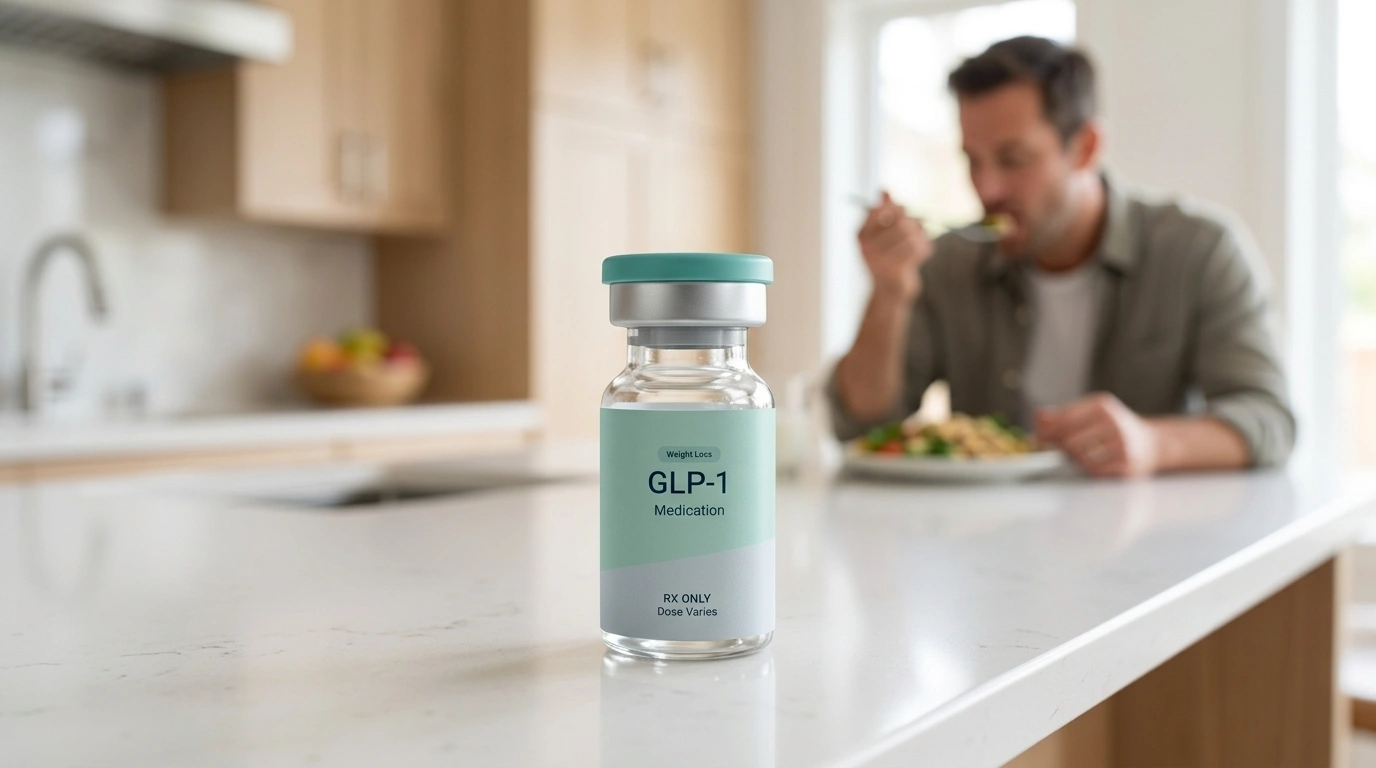
Wegovy® is a branded version of semaglutide, a medication known as a GLP-1 receptor agonist. A GLP-1 (glucagon-like peptide-1) receptor agonist is a medicine that mimics a natural hormone produced in your gut. This hormone tells your brain you are full, slows down how quickly your stomach empties, and helps your body manage insulin more effectively.
You can also review this explanation of how GLP-1 shots work for weight loss for more background on the medication class.
When you take a GLP-1 medication, your appetite typically decreases, and your cravings for high-calorie foods often fade. For most people, this leads to a reduction in metabolic fat—the fat stored around the organs (visceral fat) and just under the skin in typical areas (subcutaneous fat). Because these medications are so effective at signaling the body to use stored fat for fuel, they have become a cornerstone of modern weight management.
Does Wegovy Reduce Lipedema Tissue?
The most important question for those with this condition is whether Wegovy® can actually shrink the diseased lipedema tissue. Based on current clinical observations and patient reports, the answer is nuanced.
Most experts agree that GLP-1 medications do not selectively target or “dissolve” the fibrotic, diseased fat that defines lipedema. If you have advanced lipedema with significant fibrosis (scarring of the fat tissue), those specific areas may not shrink significantly, even if the number on the scale goes down.
However, many people with lipedema also carry what is known as “secondary obesity.” This is regular, metabolic fat that accumulates on top of or alongside the lipedema tissue. Wegovy® is exceptionally effective at reducing this secondary fat. When this weight is lost, the “burden” on the body is reduced, even if the underlying lipedema tissue remains.
The Impact on Secondary Obesity and Mobility
For many lipedema patients, the weight of the legs can become a barrier to movement. Carrying extra metabolic weight in addition to lipedema tissue puts immense strain on the joints, particularly the knees and ankles. It also places a heavy load on the lymphatic system, which is already compromised in those with lipedema.
By using a personalized program like the ones we facilitate at TrimRx, patients can address this secondary weight. If you are exploring whether a medically supervised program may be appropriate, you can complete a free eligibility assessment for review by a licensed provider.
Losing 20, 30, or 50 pounds of non-lipedema fat can lead to:
- Reduced joint pain and improved ease of walking.
- Decreased pressure on the lymphatic vessels, which may help reduce swelling.
- Better outcomes if the patient eventually chooses to have lipedema-reduction surgery.
- Improved self-esteem and a sense of control over one’s health.
Losing this “extra” weight often reveals the true shape of the lipedema underneath, which can be helpful for doctors when staging the disease or planning surgical interventions like lymph-sparing liposuction.
Managing Inflammation and Pain
One of the most promising areas of research regarding GLP-1s and lipedema is their effect on inflammation. Lipedema is widely considered an inflammatory condition. The pain, tenderness, and “heaviness” that patients feel are often driven by chronic inflammation within the fat tissue.
Research suggests that semaglutide and other GLP-1 medications have potent anti-inflammatory properties that go beyond their weight-loss effects. Many patients report a “quieting” of the pain in their legs and a reduction in the daily aching sensation shortly after starting the medication.
Quick Answer: While Wegovy® does not specifically remove diseased lipedema fat, it helps by reducing “secondary” obesity and systemic inflammation, which can significantly improve mobility and decrease pain.
Metabolic Health and Insulin Resistance
There is a strong link between lipedema and metabolic dysfunction. Many women with lipedema also struggle with insulin resistance, a condition where the body’s cells don’t respond well to insulin and can’t easily take up glucose from the blood. High insulin levels can actually promote fat storage and may worsen the progression of lipedema.
GLP-1 medications are highly effective at improving insulin sensitivity. By stabilizing blood sugar and lowering insulin levels, these medications create a more favorable internal environment. This doesn’t just help with weight loss; it supports long-term health and may help prevent the development of Type 2 diabetes, which is a common concern for those managing chronic weight issues.
Compounded Semaglutide and Branded Options
When seeking treatment, patients often encounter two main paths: branded medications and compounded medications. Wegovy® and Ozempic® are branded versions of semaglutide that have received FDA approval for specific uses like chronic weight management and Type 2 diabetes.
At TrimRx, we connect our patients with licensed healthcare providers who can prescribe compounded semaglutide or compounded tirzepatide when appropriate. These compounded medications are prepared by FDA-registered, inspected compounding pharmacies. While compounded medications themselves are not FDA-approved, they use the same active ingredients found in branded drugs. This can be a vital option for patients who face insurance barriers or supply shortages when trying to access branded Wegovy®.
For additional context, read this comparison of tirzepatide and lipedema considerations.
Realistic Expectations and the “Lipedema Plateau”
It is essential to enter a GLP-1 program with realistic expectations. Many lipedema patients experience what feels like a “plateau” sooner than other patients. This often happens once the body has burned through the available metabolic fat and is left with the resistant lipedema tissue.
If you find that your weight loss slows down even though you are still eating healthily and taking your medication, it is not a sign of failure. It is simply the nature of the disease. In these cases, the medication is still providing metabolic and anti-inflammatory benefits, even if the scale is no longer moving as quickly.
Our guide on what to do when weight loss stalls on a GLP-1 covers other factors providers may review during a plateau.
Protecting Muscle Mass: A Vital Step
For someone with lipedema, muscle is a critical asset. The muscles in your calves and thighs act as a “pump” for your lymphatic system. Every time you walk or flex your legs, your muscles help push lymphatic fluid out of the limbs and back toward the heart.
One risk of rapid weight loss with GLP-1s is the loss of muscle mass alongside fat. If you lose significant muscle in your legs, your lymphatic circulation may actually decrease, which could lead to more swelling (lymphedema).
To prevent this, we recommend that our patients focus on two things:
- Protein Intake: Consuming adequate protein helps preserve lean muscle tissue while the body burns fat.
- Resistance Training: Low-impact strength training, such as swimming, water aerobics, or using resistance bands, keeps the “lymphatic pump” strong.
You can learn more about preserving muscle during GLP-1 weight loss while building a sustainable treatment plan.
Integrating Wegovy into a Larger Care Plan
No medication is a “magic bullet” for lipedema. The most successful patients use GLP-1s as one part of a multi-layered management strategy. This approach usually includes:
- Compression Therapy: Wearing medical-grade compression garments to support lymphatic flow.
- Manual Lymphatic Drainage (MLD): A specialized type of massage that helps move fluid out of the tissues.
- Anti-Inflammatory Nutrition: Following a diet that reduces triggers for inflammation, such as a Mediterranean or RAD (Rare Adipose Disorder) diet.
- Telehealth Supervision: Working with a provider through our platform to monitor progress and adjust treatment as needed.
During treatment, some people also explore GLP-1 Daily Support supplements as part of their broader nutritional routine.
Bottom line: Wegovy® is most effective for lipedema patients when used as a metabolic support tool within a comprehensive plan that includes compression and inflammation management.
The Role of Surgery
For many in the lipedema community, surgery is the ultimate goal for physical relief. Lymph-sparing liposuction is currently the only way to physically remove diseased lipedema fat. However, many surgeons require patients to reach a stable weight or lower their BMI before they will perform the procedure.
This is where a program like ours can be life-changing. By using GLP-1 medications to reach a healthier weight and reduce systemic inflammation before surgery, patients can significantly lower their surgical risks and improve their recovery time. Being at a lower weight allows the surgeon to more easily identify and remove the diseased tissue without the interference of excess metabolic fat.
Starting Your Journey with TrimRx
Navigating the world of weight loss medications while dealing with a condition like lipedema can feel overwhelming. You deserve a partner who understands the clinical nuances of your health. Our mission at TrimRx is to provide a transparent, supportive, and science-backed path to better health.
We offer a telehealth-first model that eliminates the stress of waiting rooms and in-person visits. Our process is designed to be simple:
- Assessment: You take a free assessment quiz to provide your health history and goals.
- Consultation: A licensed provider reviews your profile to determine if a GLP-1 medication is right for you.
- Personalized Plan: If eligible, you receive a treatment plan tailored to your needs, which includes the medication, shipping, and ongoing support.
Our goal is to help you manage the aspects of your weight that are responsive to treatment, giving you the best possible foundation for managing your lipedema.
What to Expect During Treatment
When starting a medication like compounded semaglutide, the body needs time to adjust. Most patients start on a low dose that gradually increases over several months. This “titration” process helps minimize side effects like nausea or digestive changes.
During this time, it is important to stay hydrated and communicate with your dedicated support team. Many lipedema patients notice that the first sign the medication is working isn’t a change in the mirror, but a change in how their legs feel at the end of the day—less heavy, less swollen, and less painful.
Summary of Potential Benefits for Lipedema
While everyone’s body responds differently, here are the potential benefits that an individual with lipedema might experience on a GLP-1 program:
- Significant Weight Loss: Reduction of non-lipedema fat (secondary obesity).
- Decreased Pain: Potential reduction in the tenderness and aching of the limbs.
- Improved Mobility: Less weight means it is easier to stay active and exercise.
- Inflammation Control: Lowering systemic markers of inflammation.
- Metabolic Stability: Better insulin levels and blood sugar control.
- Surgical Readiness: Reaching a safer weight for future lipedema-reduction procedures.
Conclusion
Lipedema is a challenging, lifelong condition, but you do not have to manage it without the right tools. While medications like Wegovy® or compounded semaglutide cannot “cure” lipedema or remove the diseased tissue, they can fundamentally change your quality of life. By addressing the inflammation, insulin resistance, and secondary weight that often accompany this disorder, these medications empower you to feel better in your body.
At TrimRx, we are committed to providing an empathetic and medically supervised environment where you can explore these treatments safely. Weight loss with lipedema is not a simple path, but with the right science and a personalized approach, meaningful progress is possible. We focus on the whole person, ensuring you have the support you need to navigate the complexities of metabolic health.
Next Steps: If you are ready to see if a GLP-1 program is the right fit for your health goals, the first step is easy.
- Complete a free online assessment quiz.
- Speak with a licensed provider about your lipedema diagnosis and health history.
- Explore our GLP-1 Daily Support supplement to help manage your journey.
FAQ
Does Wegovy specifically target leg fat in lipedema?
No, Wegovy® and other GLP-1 medications do not selectively target fat in the legs or any specific area. They work systemically to reduce overall body fat, and because lipedema fat is metabolically resistant, the medication will primarily reduce “regular” fat in the face, trunk, and other non-lipedema areas first.
Is tirzepatide better than semaglutide for lipedema?
Some early anecdotal evidence and small case reports suggest that tirzepatide (the active ingredient in Mounjaro® and Zepbound®) may result in more significant weight loss and potentially better anti-inflammatory effects due to its dual-action mechanism. However, both medications have shown promise in helping lipedema patients manage secondary weight, and the choice often depends on individual health profiles and provider recommendations.
For more detail, review this clinical discussion of tirzepatide and lipedema.
Can I use GLP-1 medications if I am not obese but have painful lipedema?
GLP-1 medications are generally indicated for individuals with a BMI of 30 or higher, or 27 or higher with a weight-related health condition. If your BMI is in a lower range, a provider will need to carefully evaluate whether the medication is appropriate for you based on your specific symptoms, metabolic health, and the severity of your lipedema.
If you want to discuss eligibility, complete the free assessment quiz.
Will the weight come back if I stop the medication?
Clinical studies show that most people regain weight if they stop GLP-1 medications without maintaining significant lifestyle changes. For lipedema patients, the goal is often to use the medication as a long-term tool to manage inflammation and metabolic health, often in conjunction with other treatments like compression or surgery.
Disclaimer: This content is for informational purposes only and does not constitute medical advice. It is not intended to diagnose, treat, cure, or prevent any disease or condition. Individual results may vary. Always consult a qualified healthcare professional before starting any weight loss program or medication.

Transforming Lives, One Step at a Time
Keep reading
Wegovy Prior Authorization Approved, Then Reversed: What Happens Now
Getting an approval and then losing it is worse than never being approved, and not only because of the medication. You made a plan…
Can the Wegovy Pill Hold the Weight You Lost on Semaglutide Injections?
Most likely yes, once you reach the maintenance dose. The risk is not the destination but the trip: switching means restarting titration on the…

Wegovy Alternatives: What Else Works for Weight Loss
If Wegovy isn’t working out, the strongest alternative is tirzepatide (Zepbound), which tends to produce more weight loss, followed by other GLP-1 options and…


