Does Wegovy Work Without Exercise? What You Need to Know
Introduction
Starting a weight loss journey often feels like standing at the foot of a mountain, especially when the standard advice is to spend hours in the gym. For many, the physical toll of traditional exercise or the constraints of a busy schedule make a rigorous fitness routine feel impossible. If you have ever wondered if weight loss medication can do the “heavy lifting” for you, you are not alone. At TrimRx, we understand that for many individuals, the primary goal is finding a sustainable path to health that fits their current reality. This article explores the science behind Wegovy® (semaglutide), its impact on the body, and whether it is possible to achieve significant results without a formal exercise program. While the medication is a powerful tool for weight management, our goal is to help you understand how to navigate this journey with realistic expectations and a focus on long-term metabolic health.
Quick Answer: Yes, Wegovy® can lead to weight loss without exercise because it significantly suppresses appetite and reduces calorie intake. However, combining the medication with even light movement is highly recommended to protect muscle mass and ensure the weight stays off long-term.
How Wegovy Influences Weight Loss Without Movement
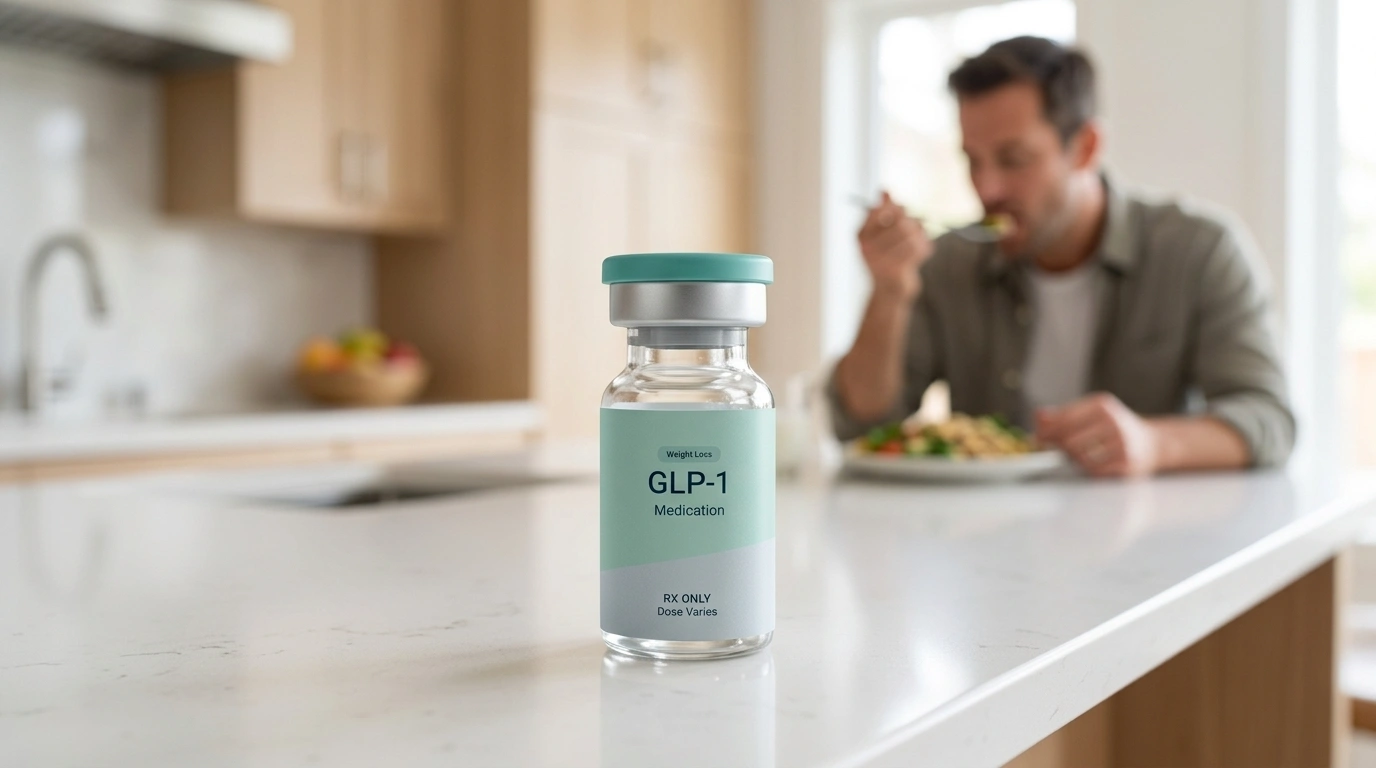
To understand why someone might lose weight on Wegovy® without stepping foot in a gym, it is necessary to look at how the medication interacts with the body’s natural systems. The active ingredient, semaglutide, is a GLP-1 receptor agonist. A GLP-1 receptor agonist is a type of medicine that mimics a natural hormone called glucagon-like peptide-1, which your body produces in the gut after you eat.
Appetite Suppression and the Brain
The most significant driver of weight loss on this medication is the reduction of hunger signals. When you take the medication, it targets specific areas of the brain, particularly the hypothalamus, which is responsible for regulating appetite and food intake.
By mimicking the natural GLP-1 hormone, the medication tells your brain that you are full and satisfied. This often eliminates what many patients call “food noise”—the constant, intrusive thoughts about eating or the next meal. When the urge to overeat or snack is reduced, you naturally consume fewer calories. Because weight loss is fundamentally driven by a calorie deficit—burning more energy than you take in—this reduction in food intake can trigger weight loss even if your physical activity levels do not change.
For a broader overview of how these medications affect appetite and weight management, read this guide to how GLP-1 medications support weight loss.
The Role of Delayed Gastric Emptying
Another key mechanism is the slowing of digestion. The medication slows down a process called gastric emptying, which is the speed at which food moves from your stomach into your small intestine. When food stays in the stomach for a longer duration, you feel physically full for an extended period after eating even a small portion.
This physical sensation of fullness reinforces the hormonal signals sent to the brain. For an individual who has struggled with portion control for years, this change can be a dramatic shift. It allows for a more natural transition to smaller meals without the intense feelings of deprivation that often lead to the failure of traditional diets.
Blood Sugar and Insulin Stability
Stable blood sugar levels support a more consistent energy balance. While originally developed to treat type 2 diabetes, the way semaglutide manages insulin and glucagon also supports weight loss. It helps the body release the right amount of insulin when blood sugar is high and prevents the liver from releasing too much extra sugar. This stability helps prevent the “crashes” that often lead to cravings for high-sugar, high-calorie foods.
Key Takeaway: Wegovy® creates a calorie deficit primarily through hormonal appetite suppression and physical fullness, making weight loss possible without increasing physical activity.
If you are considering whether a prescription weight loss program may be appropriate for your health goals, you can complete a free eligibility assessment.
What Clinical Trials Tell Us About Exercise
When the FDA evaluated Wegovy® for chronic weight management, they looked at data from a series of large studies known as the STEP trials. It is important to note that in these clinical trials, the medication was not used in a vacuum.
Participants in the trials were instructed to follow a reduced-calorie diet and increase their physical activity. Specifically, they were often encouraged to achieve 150 minutes of moderate-intensity exercise per week, such as brisk walking. The average weight loss observed in these trials—about 15% of total body weight over 68 weeks—reflects the combination of the medication, nutritional changes, and movement.
Because these studies included lifestyle interventions, we cannot say with absolute clinical certainty exactly how much weight an “average” person would lose with zero changes to their activity level. However, observations from the real world and the known potency of semaglutide suggest that weight loss will still occur for most people. The real question is not if you will lose weight, but rather what kind of weight you will lose and how easy it will be to keep it off.
For practical guidance on combining medication with movement, explore this guide to working out on Wegovy®.
The Risks of Losing Weight Without Exercise
While the scale may move downward without exercise, there are several biological reasons why healthcare providers emphasize movement. Losing weight is a positive step for health, but “quality weight loss” matters just as much as the number on the scale.
The Danger of Muscle Loss
Rapid weight loss without resistance training can lead to the loss of lean muscle mass. When the body is in a significant calorie deficit and isn’t being “told” to keep its muscle through physical activity, it may break down muscle tissue for energy alongside fat stores.
Muscle is metabolically active tissue. This means that muscle burns more calories at rest than fat does. If a significant portion of the weight you lose comes from muscle, your Basal Metabolic Rate (BMR)—the number of calories your body burns just to keep you alive—will drop.
For more strategies, read about preserving lean mass during Wegovy® weight loss.
Note: Losing too much muscle can lead to a condition sometimes called “sarcopenic obesity.” This occurs when a person reaches a lower weight but has a high body fat percentage and low muscle mass, leaving them physically weak and with a slower metabolism.
Metabolic Adaptation
The body often tries to slow down your metabolism as you lose weight. This is an evolutionary survival mechanism designed to protect you from starvation. Regular physical activity, particularly strength training, helps counteract this slowdown. By engaging your muscles, you signal to your body that it needs to maintain its metabolic “engine,” which makes long-term weight maintenance much easier.
You can also learn more about strength training on GLP-1 medications and why it may help support muscle preservation.
Cardiovascular and Bone Health
Exercise provides benefits that a weekly injection cannot replace. While losing weight reduces the strain on your heart and joints, aerobic exercise actively strengthens the heart muscle and improves circulation. Furthermore, weight-bearing exercise is crucial for maintaining bone density, which can sometimes be affected during periods of significant weight change.
Strategies for Success Without the Gym
If physical limitations, chronic pain, or a demanding schedule prevent you from following a traditional workout routine, there are still ways to optimize your results on a personalized program.
Focus on NEAT (Non-Exercise Activity Thermogenesis)
Small movements throughout the day can add up to significant energy expenditure. NEAT refers to all the calories you burn doing things that aren’t formal exercise. This includes walking to the mailbox, cleaning the house, gardening, or taking the stairs. For many people on a weight loss journey, focusing on increasing NEAT is more sustainable than trying to start an intense gym habit.
- Step 1: Increase daily steps. Aim for an extra 500 to 1,000 steps a day until you reach a comfortable baseline.
- Step 2: Stand more often. If you have a desk job, try to stand for five minutes every hour.
- Step 3: Incorporate chores. Activities like vacuuming or light yard work are excellent ways to move without “working out.”
For additional ideas, review this explanation of NEAT and metabolic adaptation.
Prioritize Protein Intake
A high-protein diet is your best defense against muscle loss. Since you will be eating less food overall, every bite needs to count. Protein provides the amino acids your body needs to maintain muscle fibers. When participating in a weight loss program, focus on lean sources like chicken, fish, tofu, Greek yogurt, and legumes.
Our programs at TrimRx emphasize that nutrition is a pillar of success. By focusing on nutrient density, you can support your body’s needs even while the medication handles your appetite. We also offer supportive options like our GLP-1 Daily Support supplement, designed to help bridge nutritional gaps for those eating smaller volumes of food.
Stay Hydrated
Dehydration can mimic hunger and zap your energy levels. GLP-1 medications can sometimes reduce your thirst drive along with your appetite. Staying hydrated is essential for metabolizing fat and keeping your energy stable, which may eventually make movement feel more appealing.
Navigating Side Effects That Hinder Activity
It is common for patients to want to be more active but find it difficult due to the side effects of the medication. During the first few weeks of treatment, or after a dose increase, you may experience:
- Fatigue: This is often caused by the body adjusting to a lower calorie intake.
- Nausea: Intense exercise can sometimes make nausea worse, especially if the stomach is empty.
- Dizziness: This can occur if blood sugar levels or blood pressure drop quickly.
If you are too tired to exercise, do not force it. Instead, focus on “movement snacks”—short bursts of activity like a five-minute walk. As your body adjusts to the medication and the weight begins to come off, many people find that their energy levels naturally improve. What was once a painful walk around the block often becomes a comfortable part of the day as the physical burden of excess weight is lifted.
For more information about common medication-related discomfort, read this GLP-1 side effect and nutrition guide.
The Role of Personalized Medical Supervision
Deciding how to balance medication, diet, and exercise is not a one-size-fits-all process. This is why a telehealth-first approach is so valuable. Through the TrimRx platform, we connect you with licensed healthcare providers who can tailor a program to your specific health history and physical capabilities.
If you have mobility issues or a history of heart conditions, your provider can help you determine what level of activity is safe and effective for you. A personalized program ensures that your dosage is optimized and that you have the support needed to manage side effects. We provide access to medications shipped from FDA-registered, inspected compounding pharmacies, ensuring that your treatment is handled with the highest standards of care.
Bottom line: While the medication is the primary driver of weight loss, a personalized plan helps you manage the lifestyle factors that ensure your results are healthy and sustainable.
To find out whether a personalized prescription program may fit your needs, take the free assessment quiz.
Who Should Prioritize Movement the Most?
While everyone benefits from movement, certain groups should be especially careful about losing weight without any physical activity:
- Older Adults: Those over age 65 are at a higher risk for age-related muscle loss (sarcopenia). Maintaining muscle is vital for preventing frailty and falls.
- Individuals with Prediabetes: Exercise improves insulin sensitivity in the muscles, which works in tandem with the medication to improve metabolic health.
- Those with a History of Weight Cycling: If you have lost and regained weight many times, your metabolism may already be sluggish. Resistance training is the best way to “rebuild” your metabolic rate.
The TrimRx Mission
Our mission is to help individuals embrace healthier lifestyles through science, empathy, and a transparent, personalized approach to sustainable weight loss. We believe that modern medicine should be accessible and integrated into a person’s actual life, not just their doctor’s office. By combining clinical expertise with 24/7 specialist support, we empower you to take control of your health on your own terms.
Realistic Expectations and Timelines
Weight loss on a GLP-1 medication is a marathon, not a sprint. If you choose to proceed without a formal exercise routine, you may still see impressive results. Many people lose 5% to 10% of their body weight in the first few months simply by following the appetite signals the medication provides.
However, you should be prepared for potential plateaus. As you lose weight, your body requires fewer calories to function. Without the metabolic boost of exercise, your weight loss may slow down as your body reaches a new equilibrium. This is often the point where adding even small amounts of movement can help “jumpstart” your progress again.
Conclusion
Wegovy® and other semaglutide treatments are powerful clinical tools that address the biological roots of hunger and weight management. It is entirely possible to lose weight while taking these medications without engaging in a rigorous exercise program, primarily because they help you maintain a consistent calorie deficit with less effort. However, movement remains the “insurance policy” for your weight loss. By protecting your muscle mass and supporting your heart health, you ensure that the person you become at the end of the journey is not just lighter, but stronger and more resilient.
Whether you are ready to start a new fitness habit or simply want to focus on your nutrition and medication for now, a personalized approach is key. At TrimRx, we are here to support you at every stage, providing the medical guidance and specialized care you need to succeed online, without the hassle of waiting rooms or hidden fees.
To see if a personalized weight loss program is right for you, we invite you to take the next step with a free assessment quiz. Our free assessment quiz is designed to help our partner providers understand your health goals and determine the best clinical path for your unique journey.
FAQ
Will I still lose weight if I don’t go to the gym?
Yes, most people lose weight on Wegovy® even without a formal gym routine because the medication significantly reduces appetite and calorie intake. The weight loss is driven by the calorie deficit created when you eat smaller portions and experience fewer cravings. However, adding light activity like walking can help improve your overall metabolic health.
Is it dangerous to lose weight without exercise?
It is not generally dangerous, but rapid weight loss without activity can lead to a significant loss of muscle mass rather than just fat. This can lower your resting metabolism and make it harder to maintain your results in the long run. To stay healthy, it is important to eat adequate protein and incorporate some form of daily movement to protect your muscles.
Can I just walk instead of doing intense workouts?
Absolutely, walking is one of the most effective and sustainable forms of movement to pair with a weight loss medication. It is low-impact, supports heart health, and helps preserve muscle without the intense stress of high-impact training. Even 15 to 30 minutes of consistent walking most days can significantly benefit your long-term success.
Why am I so tired on this medication, and how can I move more?
Fatigue is a common side effect as your body adjusts to the medication and a lower calorie intake. To help manage this, focus on staying hydrated and eating small, nutrient-dense meals with plenty of protein throughout the day. If you are struggling with energy, consult your healthcare provider through our platform to discuss your symptoms and ensure your program is meeting your needs.
Disclaimer: This content is for informational purposes only and does not constitute medical advice. It is not intended to diagnose, treat, cure, or prevent any disease or condition. Individual results may vary. Always consult a qualified healthcare professional before starting any weight loss program or medication.

Transforming Lives, One Step at a Time
Keep reading

Can You Eat Meatloaf on Wegovy?
Meatloaf is classic home cooking: ground meat mixed with breadcrumbs, egg, and seasoning, baked with a sweet tomato glaze, and served with mashed potatoes…

Can You Eat Cheesecake on Wegovy?
Cheesecake is a celebration dessert for many people: birthdays, anniversaries, holidays, or a special dinner out. It is also one of the richest desserts…

Can You Eat Lentils on Wegovy?
Lentils are one of the most affordable, nutritious foods around. They are rich in plant protein, fiber, iron, and folate, cook quickly without soaking,…


