Does Zepbound Cause Night Sweats? Causes and Management
Introduction
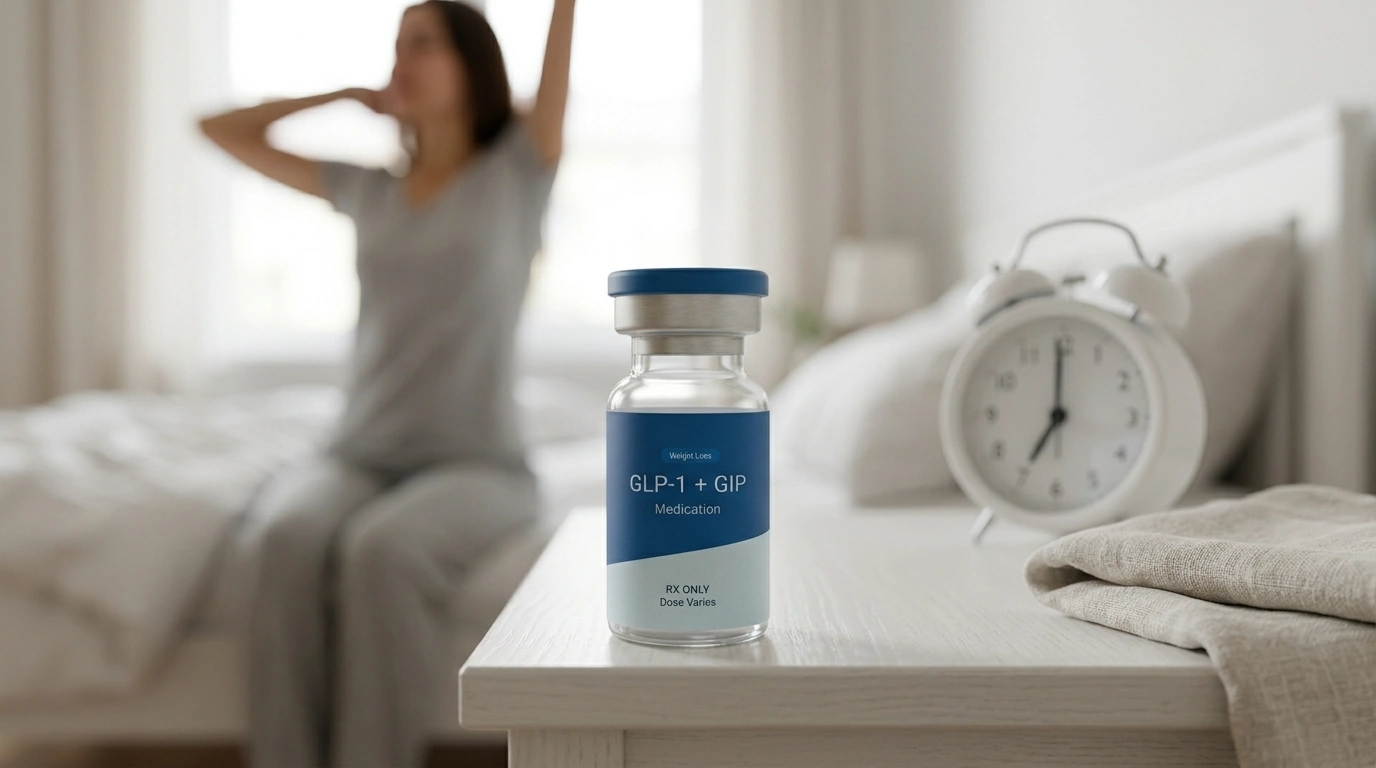
Waking up in the middle of the night drenched in sweat can be an unsettling experience. You might find yourself reaching for a towel or needing to change your sheets while your mind races to figure out why your body is reacting this way. For many individuals starting a new weight loss journey, these “midnight spikes” raise questions about their medication. If you have recently begun a program including Zepbound®, you may wonder if these temperature shifts are a known side effect or a sign that something is wrong. At TrimRx, we believe that understanding how your body adapts to metabolic changes is essential for a successful and comfortable transformation.
This article explores whether GLP-1 and GIP medications contribute to nighttime sweating, the biological mechanisms behind these temperature fluctuations, and practical steps to manage them. We will also discuss how to distinguish between a common adjustment period and symptoms that require medical attention. Our goal is to provide you with the clarity needed to maintain your progress with confidence. While night sweats can be frustrating, they are often a manageable part of your body’s transition to a healthier metabolic state.
Quick Answer: While night sweats are not a primary side effect listed in official clinical trials for Zepbound®, real-world reports suggest they affect roughly 8% to 12% of users. These episodes are typically linked to metabolic changes, fluctuations in blood sugar, or the body’s thermogenic response to fat burning. For additional context, review this guide to night sweats during GLP-1 treatment.
Understanding Zepbound and How It Works
To understand why you might experience night sweats, it is first necessary to understand what the medication is doing inside your body. Zepbound® is a brand-name injectable medication that contains the active ingredient tirzepatide. It belongs to a class of drugs known as dual agonists. Specifically, it mimics two hormones naturally produced in the gut: glucagon-like peptide-1 (GLP-1) and glucose-dependent insulinotropic polypeptide (GIP).
These hormones play a critical role in how your body processes energy and manages hunger. GLP-1 helps regulate blood sugar by encouraging insulin release and slowing down “gastric emptying,” which is the speed at which food leaves your stomach. GIP also supports insulin secretion and may influence how your body breaks down and stores fat. By activating both pathways, the medication helps you feel full for longer and reduces the persistent food cravings that often make weight loss difficult.
When you introduce a medication that alters these hormonal signals, your body undergoes a significant metabolic recalibration. Your “internal thermostat” and your energy-burning systems must adjust to a new way of functioning. For some, this adjustment period includes changes in how the body regulates its core temperature, especially during the overnight hours when your metabolism is performing its most restorative work. You can also review this overview of tirzepatide side effects and management.
Are Night Sweats a Common Side Effect?
When we look at the official clinical literature, night sweats—medically known as nocturnal diaphoresis—are not listed as a frequent side effect. The primary trials for tirzepatide focused on gastrointestinal issues like nausea, diarrhea, and constipation, which were reported by a significant number of participants. However, as the use of these medications has expanded, more people have reported “feeling hot” or experiencing sweating episodes in the days following their injection.
Data from patient forums and real-world observations suggest that between 8% and 12% of people may experience some form of increased sweating. This often occurs during “dose escalation,” which is the period when your healthcare provider increases your dosage to reach the most effective level for your goals. Because these symptoms are often mild or temporary, they may have been underreported in early clinical studies.
Key Takeaway: Night sweats are generally considered a “secondary” side effect. They are less common than digestive issues but are frequently reported by individuals during the initial weeks of treatment or after a dose increase.
Why Night Sweats May Occur on Tirzepatide
There is rarely one single reason for a side effect like night sweats. Instead, it is usually a combination of several metabolic and hormonal factors working together as your body shifts into a more efficient fat-burning mode.
Metabolic Recalibration and Thermogenesis
Think of your metabolism like a high-performance engine. When you are losing weight, your body is shifting from a state of energy storage to a state of energy burning. This process, known as thermogenesis, naturally produces heat as a byproduct. When your body burns stored fat for fuel, it releases energy that can cause your core temperature to rise slightly.
During the night, your body naturally tries to cool down to enter the deeper stages of sleep. If your internal “engine” is working overtime to process fat or adjust to new hormonal signals, your body may struggle to reach its target sleeping temperature. Sweating is the body’s natural cooling mechanism to release that excess thermal energy.
Nocturnal Hypoglycemia (Low Blood Sugar)
The primary job of tirzepatide is to manage blood glucose. For many, it helps stabilize sugar levels and prevents the “spikes” that lead to weight gain. However, if your blood sugar levels dip too low during the night—a condition called nocturnal hypoglycemia—it can trigger a physiological response.
When the brain detects that blood sugar is dropping, it triggers the release of adrenaline (epinephrine) to signal the liver to release more glucose into the bloodstream. Adrenaline is a “fight or flight” hormone that increases your heart rate and activates your sweat glands. If you wake up feeling damp, shaky, or anxious, it may be a sign that your body is reacting to a minor dip in blood sugar during your sleep. For a related perspective, read about sweating and other GLP-1 side effects.
Autonomic Nervous System Shifts
The autonomic nervous system controls functions we don’t think about, such as heart rate, digestion, and temperature regulation. GLP-1 receptors are found in the hypothalamus, the specific part of the brain that acts as the body’s thermostat. When tirzepatide interacts with these receptors, it may temporarily alter your body’s temperature “set point.” This can lead to sensations of heat or sweating even when the room temperature is comfortable.
The Role of Weight Loss Itself
It is important to remember that significant weight loss changes your physical insulation. Fat tissue helps keep the body warm. As you lose significant amounts of body fat, your body must learn how to regulate its temperature with less insulation. Many people report feeling colder during the day but experiencing sudden heat spikes at night as the body recalibrates its internal cooling system.
Hormonal changes may also overlap with medication-related symptoms, especially during perimenopause. This guide to GLP-1 medications and perimenopause covers how hot flashes and night sweats can affect sleep during this stage of life.
Managing Night Sweats: A Practical Protocol
If you are experiencing night sweats, you do not have to simply wait them out. There are several environmental and lifestyle changes you can implement to improve your sleep quality and reduce the frequency of these episodes.
Step 1: Optimize Your Sleep Environment
Your core body temperature needs to drop by about two degrees to facilitate deep, restorative sleep. If your environment is too warm, your body will struggle to cool down, triggering a sweat response.
- Lower the Thermostat: Most sleep experts recommend a room temperature between 60°F and 67°F.
- Use Breathable Fabrics: Swap out synthetic bedding for natural fibers like cotton, linen, or bamboo. These materials allow heat to escape rather than trapping it against your skin.
- Improve Airflow: A bedside fan can provide a consistent breeze that aids in evaporative cooling, which helps the body regulate its temperature more efficiently.
Step 2: Stabilize Evening Nutrition
What you eat before bed significantly impacts your blood sugar levels overnight. Stabilizing your glucose can prevent the adrenaline spikes that lead to sweats.
- Prioritize Protein: A small, high-protein snack about two hours before bed can provide a slow, steady release of energy. Examples include a hard-boiled egg, a small serving of Greek yogurt, or a few ounces of turkey.
- Avoid Late-Night Sugars: High-sugar snacks can cause a rapid spike followed by a “crash” in blood sugar, which is a common trigger for night sweats.
- Limit Evening Fat: Large, high-fat meals take much longer to digest. Because tirzepatide already slows your digestion, a heavy meal late at night can keep your metabolic rate elevated while you are trying to sleep.
Step 3: Focus on Hydration and Electrolytes
Dehydration makes it much harder for your body to regulate its temperature. Furthermore, if you are sweating at night, you are losing essential minerals like sodium and potassium.
- Drink Water Throughout the Day: Focus on consistent hydration rather than drinking large amounts right before bed, which may disrupt your sleep for other reasons.
- Replenish Electrolytes: Using a support supplement can help ensure your body has the micronutrients it needs to maintain its internal balance. This is especially important for those on a GLP-1 program, as reduced food intake can sometimes lead to lower levels of essential minerals.
For more hydration guidance during weight management, review this article on water and metabolic health.
Step 4: Adjust Your Injection Timing
For some, side effects like night sweats peak in the 24 to 48 hours following their weekly injection. If you find that your sweats are most intense on “injection nights,” you may want to discuss your schedule with a licensed healthcare provider. Shifting your injection to the morning rather than the evening may allow the “peak” concentration to occur while you are awake and active.
Bottom line: Most night sweats can be managed by cooling your external environment and stabilizing your internal blood sugar through thoughtful evening nutrition.
Distinguishing Between Branded and Compounded Options
When exploring weight loss treatments, you may encounter different versions of tirzepatide. It is important to understand the distinctions to ensure you are receiving the support you need.
Zepbound® and Mounjaro® are FDA-approved branded medications manufactured by Eli Lilly. These medications have been through extensive clinical trials to verify their safety and efficacy for specific conditions. Because these are trademarked products, we do not dispense them directly. Instead, we connect patients with licensed providers who can write prescriptions for these brands, which the patient then fills at their chosen pharmacy.
Compounded Tirzepatide is a customized medication prepared by a licensed pharmacist in an FDA-registered and inspected compounding pharmacy. Compounded medications are not FDA-approved in the same way branded drugs are, but they contain the same active ingredient. They are often used when patients need more flexible dosing or when branded versions are in short supply.
Whether you are using a branded pen or a compounded vial, the mechanism of action—the way the medication works in your body—is the same. This means that the potential for side effects like night sweats remains consistent regardless of the specific format. The most important factor is being under the supervision of a licensed professional who can monitor your progress.
When Should You Be Concerned?
While mild night sweats are usually a sign of your body adjusting, there are times when you should seek guidance from a healthcare professional. It is always better to be proactive about your health.
Red Flag Symptoms
You should contact your licensed provider if your night sweats are accompanied by any of the following:
- Extreme Shaking or Confusion: These are signs of significant hypoglycemia and require immediate attention.
- Fever: If your sweats are accompanied by a body temperature over 100.4°F, it may indicate an infection unrelated to your medication.
- Persistent Racing Heart: A heart rate that remains elevated or feels like it is “pounding” for long periods.
- Severe Abdominal Pain: This could signal issues with the pancreas or gallbladder, which are rare but serious potential complications.
- Drenching Sweats That Do Not Improve: If you are soaking through your sheets multiple times every night for more than two weeks, your provider may need to rule out other underlying conditions.
Note: If you are also taking other medications—such as antidepressants (SSRIs) or hormone replacement therapy—the potential for sweating side effects can increase. Always provide your healthcare team with a full list of your current medications. You can also review this tirzepatide side-effect overview when preparing questions for your provider.
The Adaptation Curve: What to Expect
The good news for most people is that side effects like night sweats are often temporary. The body is remarkably resilient and capable of finding a “new normal.”
Most individuals report that their symptoms are most prominent during the first month of treatment. This is the time when the metabolic shift is most dramatic. As your weight begins to stabilize and your body becomes accustomed to the dual-agonist hormones, your internal thermostat usually recalibrates.
If you increase your dose, you may see a brief return of these symptoms for a few days. This is a sign that your body is again adjusting its metabolic rate to the new level of medication. Most people find that by the time they reach a stable “maintenance dose,” the night sweats have significantly diminished or disappeared entirely.
Myth: “Night sweats mean the medication isn’t working for me.” Fact: Night sweats are a side effect of the body’s adjustment process. They are not a sign that the medication is failing. In many cases, they are a byproduct of the metabolic work your body is doing to burn fat and regulate blood sugar.
How TrimRx Supports Your Success
At TrimRx, we recognize that the journey to sustainable weight loss involves more than just a prescription. It requires a holistic approach that accounts for your physical comfort, your nutritional needs, and your emotional well-being. Our platform is designed to be your partner through every stage of this transition.
We provide access to a dedicated team of specialists who understand the nuances of GLP-1 and GIP treatments. Whether you are navigating the early days of your program or looking to optimize your results after several months, our goal is to ensure you feel supported and informed. Our personalized programs are built around your unique health profile, ensuring that your treatment plan is as unique as you are.
Our approach emphasizes transparency and science-backed guidance. We want you to understand not just what to do, but why your body is reacting in specific ways. By empowering you with knowledge, we help you stay focused on your long-term goals, even when minor side effects like night sweats occur. If you are considering a prescription program, you can complete a free eligibility assessment.
Conclusion
Night sweats can be an uncomfortable hurdle on your path to health, but they are rarely a reason to give up on your progress. By understanding that these “midnight spikes” are often caused by your body’s metabolic engine shifting into high gear or minor blood sugar fluctuations, you can take control of the situation. Implementing cooling sleep strategies, stabilizing your evening nutrition, and staying hydrated are highly effective ways to manage the discomfort.
- Adjust your environment by lowering the thermostat and using breathable bedding.
- Stabilize your blood sugar with a high-protein evening snack.
- Monitor your timing to see if sweats cluster after your injection day.
- Stay in touch with your provider to ensure your dose is appropriate for your body.
Key Takeaway: Your body is going through a significant transformation. Patience, environmental adjustments, and professional support are the keys to navigating these temporary metabolic shifts.
Our mission is to help you embrace a healthier lifestyle through a transparent and personalized approach to weight loss. We believe that with the right tools and a supportive team, you can achieve the lasting results you deserve. If you are ready to take a realistic and medically supervised step toward your goals, we are here to guide you.
The first step toward a personalized program is understanding your unique health needs. We invite you to take our free assessment quiz to see if our program is the right fit for your weight loss journey.
FAQ
Why does Zepbound make me feel hot at night?
Tirzepatide activates receptors in the brain’s hypothalamus, which acts as the body’s thermostat. This can temporarily lower your internal temperature “set point,” causing your body to sweat to release heat. Additionally, the process of burning fat (thermogenesis) generates thermal energy that can make you feel warmer than usual.
Are night sweats on tirzepatide a sign of low blood sugar?
They can be. When blood sugar drops overnight (nocturnal hypoglycemia), the body releases adrenaline to trigger the release of more glucose. This adrenaline spike often causes sweating, a racing heart, or waking up feeling anxious. Eating a small protein snack before bed can often help stabilize these levels. If you are considering treatment, you can see if a personalized program may be a fit.
How long do the night sweats usually last?
For most people, these symptoms are most common during the first 4 to 8 weeks of treatment or immediately after a dose increase. Once your body adapts to the medication and reaches a stable dose, the frequency of night sweats typically decreases or stops entirely. For additional hydration strategies, read this guide to supporting hydration during weight loss.
Should I stop my medication if I have night sweats?
You should not stop your medication without first consulting your healthcare provider. In most cases, night sweats are a manageable side effect that does not require stopping treatment. However, if they are severe, persistent, or accompanied by red-flag symptoms like confusion or extreme shaking, seek medical advice promptly.
TrimRX does not practice medicine or prescribe medications. Compounded medications are not FDA-approved and are not evaluated by the FDA for safety or efficacy. Results vary by individual and are not guaranteed.
Disclaimer: This content is for informational purposes only and does not constitute medical advice. It is not intended to diagnose, treat, cure, or prevent any disease or condition. Individual results may vary. Always consult a qualified healthcare professional before starting any weight loss program or medication.

Transforming Lives, One Step at a Time
Keep reading

Can You Eat Clam Chowder on Zepbound?
Clam chowder is a seaside classic, often served in a bread bowl on a chilly day. New England chowder is thick, creamy, and rich…

Can You Eat Korean BBQ on Zepbound?
Korean barbecue is a social, hands-on meal: platters of marinated meats grilled at the table, surrounded by small side dishes called banchan, with lettuce…
Can You Eat Brownies on Zepbound?
Brownies are a classic homemade treat, a bake sale staple, and a common office snack. They are also dense, rich, and very sweet, made…


