Does Zepbound Have the Same Side Effects as Ozempic?
Introduction
The emergence of innovative weight loss medications has sparked a surge of interest among those seeking effective solutions for weight management. With names like Zepbound and Ozempic frequently appearing in discussions surrounding weight loss and diabetes treatment, many individuals find themselves asking: Do Zepbound and Ozempic share the same side effects? This question is essential, not just for understanding these medications, but also for making informed decisions about weight management strategies.
In this blog post, we will delve into the similarities and differences between Zepbound and Ozempic, particularly focusing on their potential side effects. Understanding these aspects can empower individuals to make educated choices about their health journeys. We will explore the mechanisms of action for each drug, their respective indications, common side effects, and what sets them apart in the realm of weight loss and diabetes treatment.
As we navigate through this topic, we aim to provide clarity, ensuring that you leave with a comprehensive understanding of both medications. By the end of this post, you should feel equipped to discuss these options with your healthcare provider, ultimately guiding you on your path toward a healthier lifestyle.
Understanding Zepbound and Ozempic
What Are Zepbound and Ozempic?
Both Zepbound and Ozempic are injectable medications classified as GLP-1 receptor agonists. They are designed to help manage blood sugar levels in individuals with type 2 diabetes and promote weight loss in those struggling with obesity. While they share a common drug class, the nuances of their formulation and function set them apart.
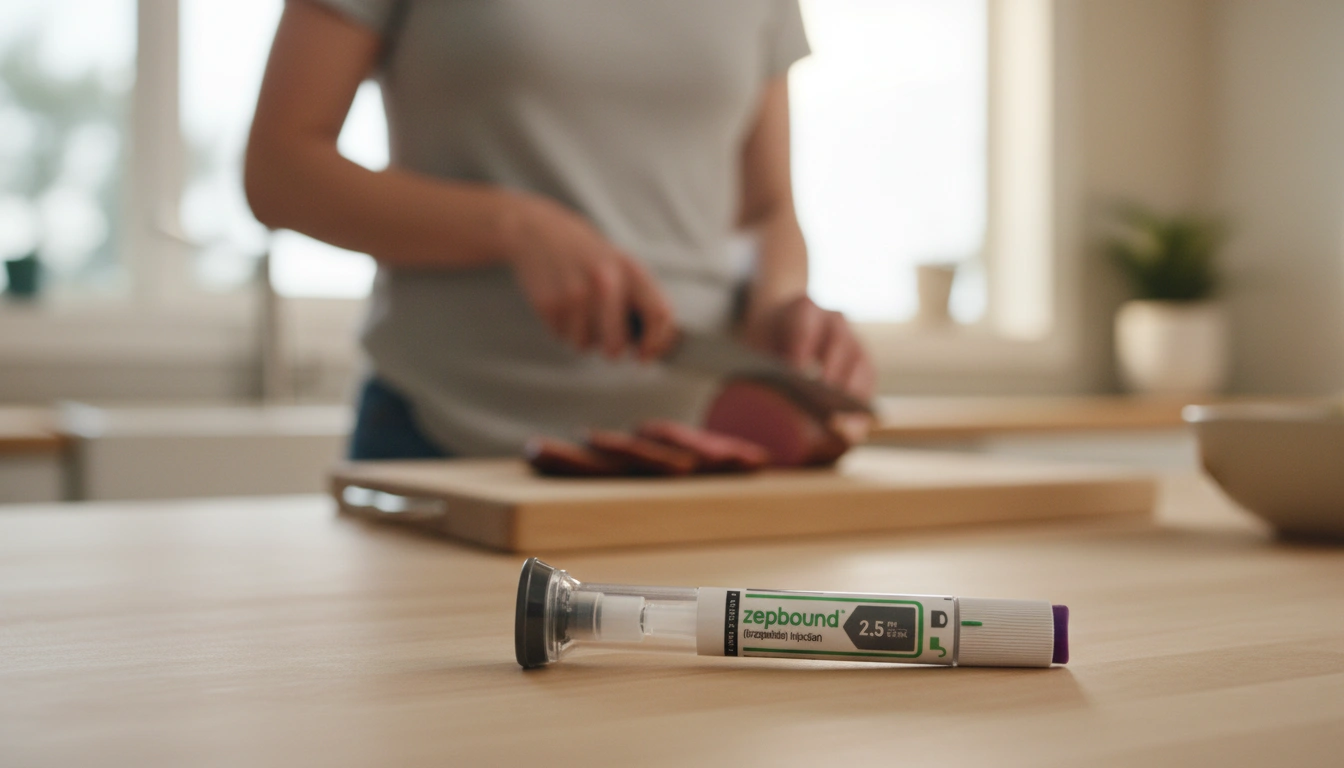
- Zepbound: This medication, containing the active ingredient tirzepatide, is specifically approved for weight management in adults with a body mass index (BMI) of 30 or greater, or 27 or greater with at least one weight-related condition. It works by mimicking two hormones, GLP-1 and GIP, which help control appetite and insulin release.
- Ozempic: This medication, on the other hand, contains semaglutide and is primarily indicated for the treatment of type 2 diabetes. It can also be prescribed off-label for weight loss. Ozempic works by mimicking the action of GLP-1, improving blood sugar control, and reducing appetite.
Mechanisms of Action
Both medications belong to the same class but operate slightly differently due to their unique mechanisms:
- Zepbound: As a dual-agonist, Zepbound activates both GLP-1 and GIP receptors. This dual action may enhance its efficacy in regulating appetite and promoting weight loss compared to single-agonist medications.
- Ozempic: This medication solely targets GLP-1 receptors. While still effective in reducing appetite and improving glycemic control, it may not offer the same breadth of action as Zepbound.
Indications and Usage
The approval of Zepbound is tailored towards individuals looking for weight loss solutions, while Ozempic is aimed primarily at diabetes management. This distinction is crucial when considering which medication might be more appropriate based on one’s health goals.
Common Side Effects of Zepbound and Ozempic
Despite their different indications and mechanisms, both Zepbound and Ozempic share some common side effects, primarily due to their function as GLP-1 receptor agonists. However, they also have unique side effects associated with each medication.
Shared Side Effects
Both medications can produce a range of gastrointestinal side effects, which are typical for GLP-1 receptor agonists. Common side effects include:
- Nausea
- Vomiting
- Diarrhea
- Constipation
- Abdominal pain or discomfort
- Loss of appetite
These side effects often diminish over time as the body adjusts to the medication. Individuals starting treatment are usually recommended to begin with a lower dose to help mitigate these effects.
Unique Side Effects
- Zepbound: One notable concern is the potential risk of thyroid C-cell tumors, as indicated in animal studies. However, the relevance of this finding to humans is still under investigation. Additionally, some patients may experience injection site reactions such as redness or swelling.
- Ozempic: This medication has been associated with changes in vision and kidney problems. Patients should be cautious and consult their healthcare provider if they experience extreme thirst, frequent urination, or other concerning symptoms that may arise while on Ozempic.
Comparing Severity and Frequency
When considering whether Zepbound and Ozempic have the same side effects, it’s essential to evaluate not only the types of side effects but also their frequency and severity. Clinical trials and patient experiences suggest that while both medications can cause gastrointestinal disturbances, the specific incidence of adverse effects may vary between the two.
Clinical Trial Insights
Research comparing Zepbound and Ozempic has provided valuable insights into their efficacy and side effects. For instance, clinical studies indicate that individuals using Zepbound may experience more significant weight loss compared to those taking Ozempic. This difference in efficacy could correlate with variations in side effects, as the pharmacological action of Zepbound affects multiple hormonal pathways.
A recent study highlighted that participants using Zepbound reported similar gastrointestinal side effects to those reported by Ozempic users, but the intensity and duration of these effects could differ. This emphasizes the importance of personal experience when choosing between the two medications.
Safety and Monitoring
When considering any medication, safety is paramount. Both Zepbound and Ozempic require ongoing monitoring by healthcare providers to ensure optimal management of side effects and to assess the effectiveness of the treatment.
Patients should maintain open communication with their healthcare providers, discussing any side effects experienced. Prompt reporting of adverse effects can aid in better management strategies and adjustments to the treatment plan if necessary.
Making an Informed Decision
Choosing between Zepbound and Ozempic involves considering various factors, including individual health needs, potential side effects, and personal weight loss goals.
Engaging in a personalized assessment can help align treatment options with individual health profiles. At TrimRx, we offer a free assessment quiz that can help determine eligibility for our prescription weight loss medications, including Zepbound and Ozempic.
Take our free assessment quiz to see if you qualify for personalized treatment options tailored to your journey towards healthier living: Take the Quiz.
Conclusion
In summary, Zepbound and Ozempic are both effective GLP-1 receptor agonists, each offering unique benefits and potential side effects. While they share some common gastrointestinal side effects, their mechanisms of action and specific risks can differ significantly.
Understanding these differences is crucial for anyone considering these medications. We encourage individuals to consult with healthcare providers to discuss the most suitable option based on personal health needs and treatment goals. By engaging in informed discussions and considering personalized treatment plans, individuals can take empowered steps towards achieving their weight loss and health objectives.
FAQ
What are the main differences between Zepbound and Ozempic?
Zepbound is a dual-agonist medication approved for weight loss, while Ozempic is a single-agonist medication primarily approved for diabetes management, although it can also be prescribed off-label for weight loss.
Do both medications cause the same side effects?
While both Zepbound and Ozempic can cause gastrointestinal side effects like nausea and diarrhea, they also have unique side effects. Zepbound has a risk of thyroid tumors, while Ozempic may lead to vision changes and kidney issues.
How should I monitor side effects while taking these medications?
Regular check-ins with your healthcare provider are essential for monitoring side effects and ensuring the effectiveness of the treatment. Report any significant or concerning side effects promptly.
Is there a difference in weight loss results between Zepbound and Ozempic?
Clinical studies suggest that Zepbound may lead to greater weight loss compared to Ozempic, but individual results can vary based on factors like diet, exercise, and overall health.
How can I find out if I qualify for Zepbound or Ozempic?
You can take our free assessment quiz to determine your eligibility for personalized weight loss medication. Take the Quiz.
What support does TrimRx provide for weight loss?
At TrimRx, we offer comprehensive services, including doctor consultations, medication prescriptions, lab work, and unlimited support to help you on your weight loss journey.
By combining our personalized approach with effective medications like Zepbound and Ozempic, we strive to help individuals achieve their health and wellness goals safely and effectively.

Transforming Lives, One Step at a Time
Keep reading

How to Get Zepbound in Texas: Your Guide
Getting Zepbound in Texas is straightforward once you know your options. You can get a prescription through a telehealth provider from home, through your…

How to Get Zepbound in California: Where to Start
Zepbound (tirzepatide) is available to California residents through your primary care provider, a weight loss clinic, or a telehealth service that prescribes and delivers…

Stopping Zepbound: Managing the Transition
When you stop taking Zepbound, your appetite returns to pre-medication levels within a few weeks and most people regain a meaningful portion of their…


