Does Zepbound Help With High Cholesterol?
Introduction
Sitting in a doctor’s office and seeing high cholesterol numbers on a lab report can feel like a heavy weight, especially when you have already been working hard to manage your health. Many people find that even with dedicated dietary changes, the numbers on the scale and the levels of lipids in their blood remain stubbornly high. This frustration is a common catalyst for seeking more advanced metabolic support. At TrimRx, we focus on helping individuals navigate these complex health challenges through personalized, science-backed weight loss programs. As medications like Zepbound® gain popularity for weight management, a natural question arises for those also managing cardiovascular risks: does Zepbound help with high cholesterol? This article explores the relationship between this medication, weight loss, and lipid profiles, providing a clear look at what the latest clinical research suggests for your heart health.
If you are also considering whether a prescription weight management program may fit your goals, you can complete a free eligibility assessment.
Understanding Cholesterol and Metabolic Health
To understand how a medication might influence your cholesterol, it is helpful to first look at what cholesterol is and why it matters. Cholesterol is a waxy, fat-like substance found in all the cells in your body. Your body needs some cholesterol to make hormones, vitamin D, and substances that help you digest foods. However, having too much of certain types of cholesterol can increase the risk of heart disease.
When healthcare providers talk about high cholesterol, they are usually looking at several different markers in your blood:
- Low-Density Lipoprotein (LDL): Often called “bad” cholesterol, high levels of LDL lead to a buildup of plaque in your arteries.
- High-Density Lipoprotein (HDL): Known as “good” cholesterol, this type helps carry cholesterol from other parts of your body back to your liver, which then removes it.
- Triglycerides: A type of fat found in your blood that the body uses for energy. High levels, combined with high LDL or low HDL, are linked to fatty buildups within the artery walls.
For a closer look at how tirzepatide may affect each part of a lipid panel, read this guide to tirzepatide and cholesterol changes.
For many individuals, excess body weight and high cholesterol are closely linked. When the body carries extra weight, especially around the midsection, it can lead to metabolic changes that increase the production of LDL and triglycerides while lowering HDL. This is why weight management is almost always a primary recommendation for improving a lipid profile.
What is Zepbound?
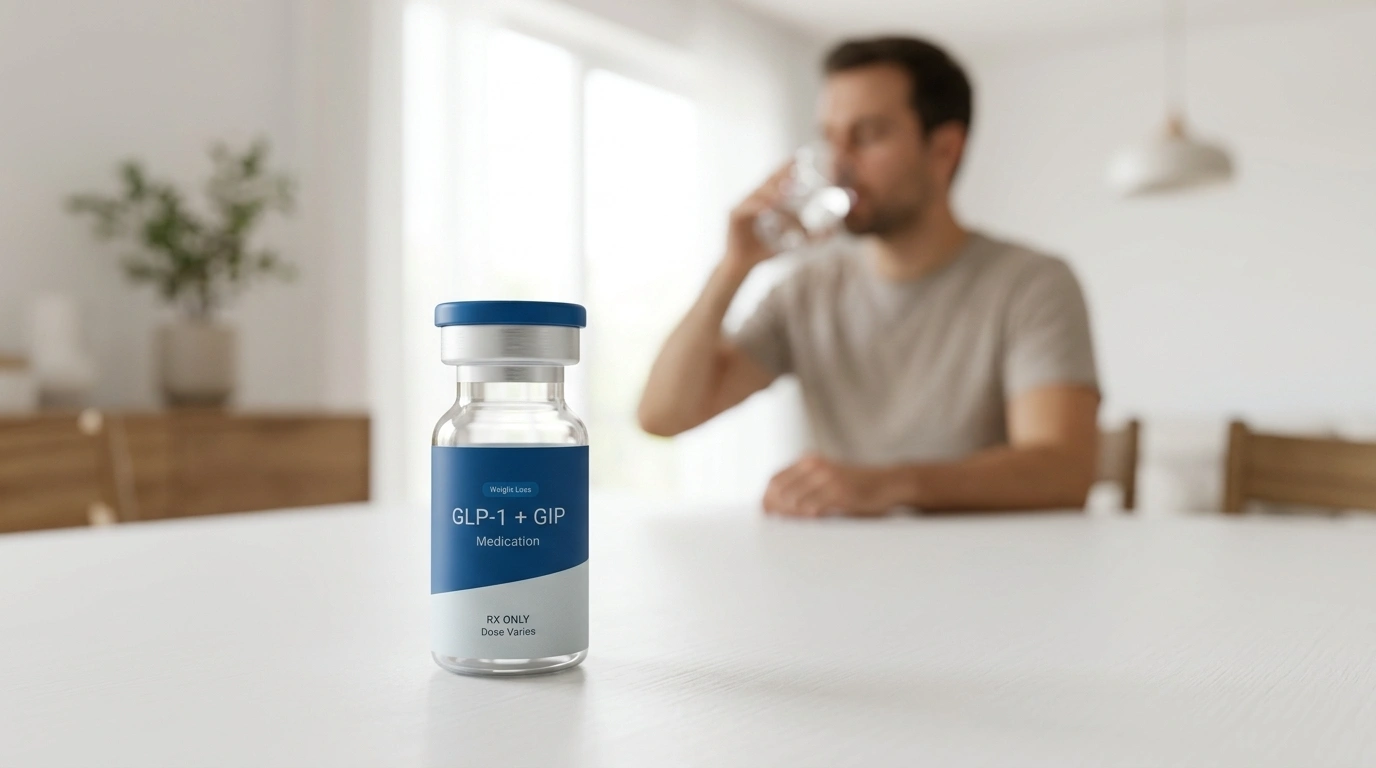
Zepbound® is a brand-name medication that was recently FDA-approved for chronic weight management. It contains the active ingredient tirzepatide. It is intended for adults with obesity (a BMI of 30 or greater) or those who are overweight (a BMI of 27 or greater) and have at least one weight-related condition, such as high blood pressure, type 2 diabetes, or high cholesterol.
Tirzepatide is unique because it is a dual-receptor agonist. This means it mimics two different hormones naturally produced in the body:
- Glucagon-like peptide-1 (GLP-1): This hormone helps regulate appetite and blood sugar.
- Glucose-dependent insulinotropic polypeptide (GIP): This hormone also plays a role in energy balance and fat metabolism.
By activating both of these pathways, the medication helps people feel full longer, reduces “food noise” or constant cravings, and improves how the body processes sugar and fat. While its primary role is weight loss, these metabolic shifts have significant secondary effects on other health markers, including cholesterol.
For more background, explore this overview of how GLP-1 medications work.
Quick Answer: Yes, clinical studies suggest that Zepbound® may help improve cholesterol levels. While it is primarily prescribed for weight loss, the reduction in body fat and the metabolic changes associated with tirzepatide often lead to lower LDL, lower triglycerides, and higher HDL levels.
How Tirzepatide Influences Cholesterol Levels
The link between Zepbound and improved cholesterol is twofold: it works through both direct metabolic pathways and indirect results of weight loss.
The Impact of Weight Loss on Lipids
The most significant way this medication helps with high cholesterol is through weight reduction. Research consistently shows that losing even 5% to 10% of your body weight can lead to a measurable improvement in lipid profiles. Because many individuals on tirzepatide experience substantial weight loss—often exceeding 15% or 20% of their starting weight in clinical trials—the resulting improvement in cholesterol can be quite dramatic.
When you lose fat, especially visceral fat (the fat stored around your internal organs), your liver becomes more efficient at processing lipids. This leads to a decrease in the production of VLDL (very-low-density lipoprotein), which the body eventually converts into LDL.
You can also read about the broader relationship between weight loss drugs and high cholesterol.
Direct Metabolic Mechanisms
Beyond just weight loss, scientists are investigating how dual GLP-1 and GIP receptor agonists like tirzepatide directly interact with the liver and fat tissues. GLP-1 receptor agonists have been shown to reduce the absorption of cholesterol in the intestines and decrease the liver’s production of lipids.
The GIP component is also thought to play a role in how fat cells store and release energy. By improving insulin sensitivity and reducing systemic inflammation, these medications create a more favorable environment for healthy cholesterol levels.
Key Takeaway: Zepbound® improves cholesterol primarily by facilitating significant weight loss, but it also appears to have direct metabolic benefits that help the liver and fat cells manage lipids more effectively.
What the Clinical Trials Show
The approval of Zepbound® was based on a series of large-scale clinical trials known as the SURMOUNT program. These trials specifically looked at how tirzepatide affected weight and other metabolic markers over long periods.
In the SURMOUNT-1 trial, which followed over 2,500 adults with obesity or overweight (without diabetes), researchers tracked changes in cholesterol levels over 72 weeks. The results were notable:
- Triglycerides: Participants saw a significant reduction in triglyceride levels, with some groups experiencing a decrease of over 20%.
- Non-HDL Cholesterol: This measure (total cholesterol minus HDL) also decreased significantly.
- LDL Cholesterol: There were measurable reductions in “bad” cholesterol across the various doses of the medication.
- HDL Cholesterol: Many participants saw an increase in their “good” cholesterol levels.
| Cholesterol Marker | General Impact Seen in Trials |
|---|---|
| LDL (Bad) Cholesterol | Decreased |
| Triglycerides | Significantly Decreased |
| HDL (Good) Cholesterol | Increased |
| Total Cholesterol | Decreased |
For another overview of these findings, see this explanation of how Zepbound may affect cholesterol.
It is important to note that while these improvements are significant, Zepbound® is not a “cholesterol medication” in the same way that statins are. It is a weight management tool that provides cardiovascular benefits as a secondary result of its primary function.
Who Should Consider This for Cholesterol Management?
If you are struggling with both weight and high cholesterol, a medication like Zepbound® might be a relevant option to discuss with a healthcare provider. However, it is generally not prescribed solely for cholesterol.
Potential candidates typically include:
- Individuals with a BMI of 30 or higher.
- Individuals with a BMI of 27 or higher who have weight-related comorbidities like high cholesterol or hypertension.
- Those who have been unable to reach their health goals through diet and exercise alone.
If you want to understand whether your health history and goals may align with a prescription program, you can take the free assessment quiz.
For many, the standard approach to high cholesterol involves statins. If you are already taking a statin, Zepbound® is generally considered safe to use alongside it, provided your doctor monitors your progress. In fact, for some patients, the weight loss achieved on a GLP-1 or dual-agonist medication may eventually allow their doctor to reduce their dose of other metabolic medications.
The Role of Personalized Programs
At TrimRx, we understand that high cholesterol is rarely an isolated issue. It is usually part of a larger picture involving metabolic health, genetics, and lifestyle habits. This is why we advocate for a personalized approach rather than a one-size-fits-all solution.
When you engage with a platform like ours, you aren’t just getting a prescription; you are getting a tailored health strategy. A licensed provider reviews your medical history, current lab work, and specific health goals—such as lowering your cholesterol or managing your blood pressure—to determine which medication and dosage are right for you.
Our programs are designed to be telehealth-first, meaning you can access this clinical expertise from the comfort of your home. This approach removes the barriers often associated with traditional medical visits, such as long wait times and the stress of in-person appointments.
Comparing Zepbound to Other Options
While Zepbound® is a powerful tool, it is not the only GLP-1 medication available. Other well-known medications like Wegovy® (semaglutide) also offer benefits for cholesterol through weight loss. However, because tirzepatide (Zepbound) targets two receptors instead of one, some clinical data suggests it may lead to slightly higher percentages of weight loss, which can translate to more significant lipid improvements for some patients.
In addition to branded medications, some patients may be candidates for compounded versions of these medications. Compounded Semaglutide and Compounded Tirzepatide are options often used when there are shortages of branded medications or when a specific, customized dosage is needed. These compounded medications are prepared and shipped by FDA-registered, inspected compounding pharmacies. While they are not “FDA-approved” in the way a branded drug is, they provide a vital pathway for many to maintain their treatment consistency.
Bottom line: While Wegovy® and Zepbound® both help with cholesterol via weight loss, Zepbound’s dual-action mechanism often results in more significant metabolic shifts and weight reduction in clinical comparisons.
Supporting Your Journey with Targeted Supplements
Medication is a powerful foundation, but optimizing your results often requires looking at the “gaps” in your nutrition and daily habits. When taking a medication that reduces appetite, it is common to eat less, which can inadvertently lead to lower intake of essential nutrients.
We offer targeted supplements to support your journey:
- GLP-1 Daily Support: This is designed to help maintain nutrient balance and support digestive comfort while you are on a GLP-1 or GIP medication.
- Weight Loss Boost: This supplement can provide additional support for your metabolism and energy levels as your body adapts to a new caloric intake.
For nutritional support during treatment, explore the GLP-1 Daily Support supplement.
These quick-access supplements do not require a prescription and can be a helpful addition to any weight management routine, whether you are on medication or focusing solely on lifestyle changes.
For additional energy and metabolic support, consider the Weight Loss Boost supplement.
Myths vs. Facts About Zepbound and Cholesterol
Myth: Zepbound is a replacement for my cholesterol medication. Fact: Zepbound® is a weight loss medication. While it often improves cholesterol, it is not a direct substitute for statins or other lipid-lowering drugs. Any changes to your current medications must be managed by your healthcare provider.
Myth: You won’t see cholesterol changes unless you lose a massive amount of weight. Fact: Even modest weight loss (5-10%) can significantly improve your lipid profile. Many people see improvements in their triglycerides quite early in their treatment.
Myth: The medication “melts away” cholesterol in the blood. Fact: The medication works by changing how your body processes sugar and fat, and by helping you eat less. This reduction in caloric intake and change in fat metabolism is what leads to lower cholesterol levels.
Realistic Expectations and Timelines
It is important to have realistic expectations when starting any new medical treatment. Cholesterol changes do not happen overnight. While you may notice weight loss within the first few weeks, it typically takes three to six months for significant changes to show up in your blood work.
Most healthcare providers will suggest re-testing your lipid panel after you have reached a stable dose or after you have lost a certain percentage of your body weight. Consistency is the most critical factor. The best results come when the medication is paired with a heart-healthy diet, such as the Mediterranean diet, which is rich in healthy fats, fiber, and lean proteins.
For more information about monitoring cholesterol during treatment, read what to expect from GLP-1 medications in your labs.
Potential Side Effects and Safety
Like all medications, Zepbound® can have side effects. Most are gastrointestinal in nature, such as nausea, diarrhea, or constipation. These side effects are usually mild to moderate and tend to decrease as your body adjusts to the medication.
However, when managing high cholesterol, it is also important to consider cardiovascular safety. The good news is that trials for tirzepatide have generally shown a positive or neutral effect on heart rate and blood pressure, in addition to the improvements in cholesterol.
For a broader overview of common reactions and treatment considerations, review this guide to GLP-1 medication side effects.
Note: You should always consult with a licensed healthcare professional before starting Zepbound® or any weight loss medication, especially if you have a history of pancreatitis, thyroid issues, or severe gastrointestinal disease.
How to Start Your Path to Better Metabolic Health
If you are concerned about your cholesterol and are ready to address the weight that may be contributing to it, the first step is a professional evaluation. You do not have to navigate this alone or spend weeks waiting for an in-person specialist.
Step 1: Complete the free assessment quiz.
This quiz helps us understand your health history, your current BMI, and your specific goals regarding weight and metabolic health.
Step 2: Consult with a licensed provider.
If the assessment suggests you are a candidate, you will be connected with a provider who can review your profile and determine if a prescription program—incorporating medications like Compounded Tirzepatide or branded options—is right for you.
Step 3: Receive your personalized plan.
Your program includes medication (if prescribed), ongoing medical support, and guidance on how to optimize your results through nutrition and lifestyle.
Conclusion
Managing high cholesterol is a vital part of protecting your long-term heart health, and weight loss is one of the most effective ways to do it. The evidence suggests that Zepbound® can be a highly effective ally in this process, offering both significant weight reduction and direct metabolic improvements that benefit your lipid profile. By addressing the root causes of metabolic dysfunction, we help you move toward a future where your health markers are moving in the right direction. At TrimRx, we are committed to providing the clinical expertise and empathetic support you need to turn these health goals into a reality. Whether you choose a prescription path or start with targeted support, taking that first step is the most important part of the journey.
If you are ready to explore whether a personalized prescription program may be appropriate, start with the TrimRx assessment.
Key Takeaway: Zepbound® provides a powerful dual-action approach to weight loss that has been shown in clinical trials to significantly lower “bad” cholesterol and triglycerides while improving “good” cholesterol.
FAQ
Can Zepbound replace my statin medication?
No, Zepbound® is not a direct replacement for statins or other cholesterol-lowering medications. While it may improve your cholesterol levels through weight loss and metabolic changes, only your healthcare provider can determine if it is safe to reduce or stop your other medications. Many patients use both successfully under medical supervision.
How much does cholesterol typically drop on Zepbound?
In clinical trials like SURMOUNT-1, participants saw significant percentage drops in triglycerides (up to 20% or more) and non-HDL cholesterol. The exact amount your cholesterol will drop depends on your starting levels, the amount of weight you lose, and your dietary habits while on the medication.
Will I regain the high cholesterol if I stop taking the medication?
If you stop taking the medication and regain the weight, it is very likely that your cholesterol levels will return to their previous state. Maintaining a healthy lipid profile usually requires long-term weight management and lifestyle consistency, which is why we emphasize sustainable habits alongside medication.
Is Zepbound safe if I already have heart disease?
For many people with heart disease, weight loss is a primary health goal. However, you must have a thorough consultation with your doctor to ensure that Zepbound® is safe for your specific cardiovascular condition. Providers will look at your heart rate, blood pressure, and overall medical history before recommending a program. If you would like to begin that review, you can complete the free assessment.
Disclaimer: This content is for informational purposes only and does not constitute medical advice. It is not intended to diagnose, treat, cure, or prevent any disease or condition. Individual results may vary. Always consult a qualified healthcare professional before starting any weight loss program or medication.

Transforming Lives, One Step at a Time
Keep reading

Kids’ Birthday Party on Zepbound
If you have young children, birthday parties are a regular part of life: your own child’s, and the steady stream of classmates’ parties most…
Water Aerobics on Zepbound
For people with painful knees, hips, or backs, water aerobics and pool exercise are often the first kind of exercise that feels possible. The…

New Year’s Eve on Zepbound
New Year’s Eve is built around staying up late. There is usually a big dinner or a party spread, drinks through the evening, champagne…


