Does Zepbound Raise Blood Pressure? Clinical Facts and Heart Health
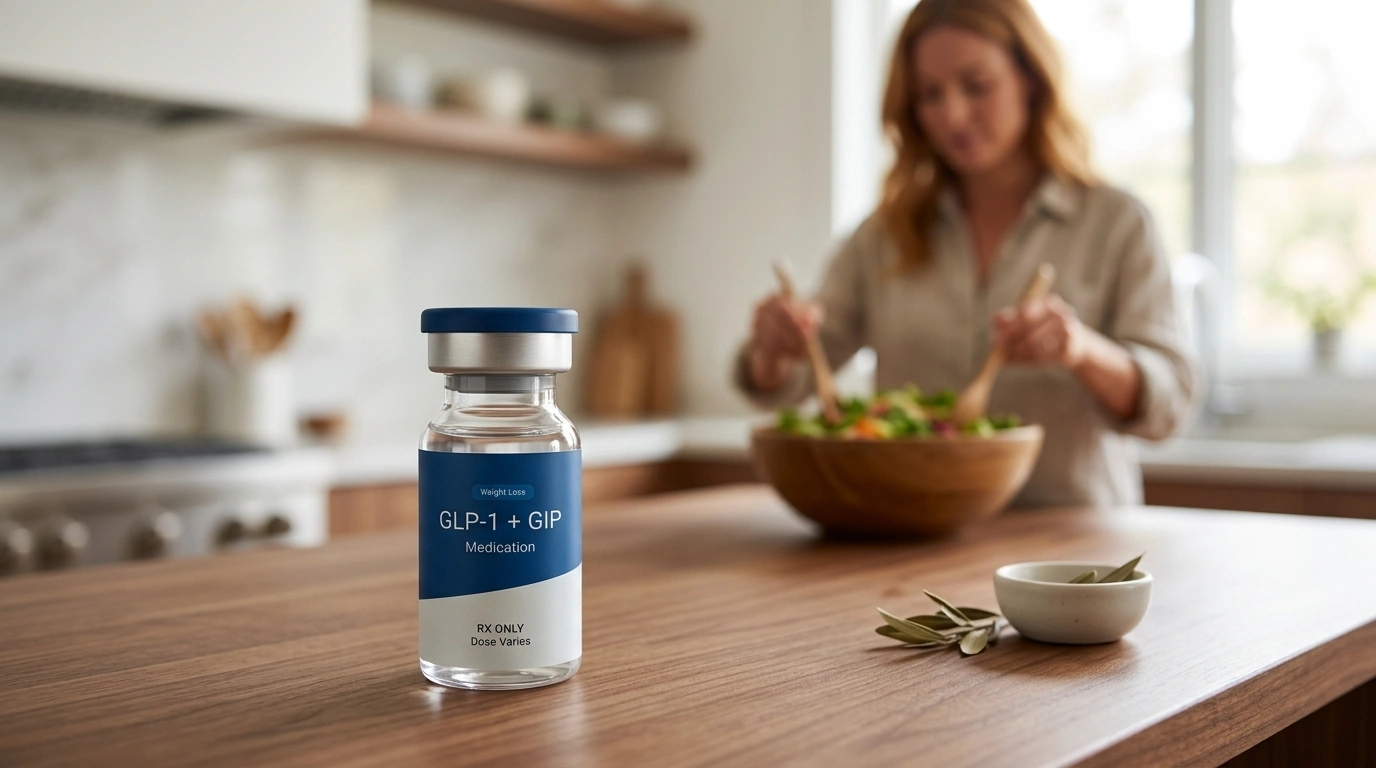
Table of Contents
- Introduction
- How Zepbound Interacts with Your Body
- Clinical Evidence: The SURMOUNT Trials
- The Connection Between Weight Loss and Blood Pressure
- Understanding Heart Rate vs. Blood Pressure
- Why You Might Experience a Temporary Blood Pressure Spike
- The Risk of Low Blood Pressure (Hypotension)
- Managing Your Heart Health on a Weight Loss Program
- How TrimRx Supports Your Cardiovascular Health
- Lifestyle Tips to Support Healthy Blood Pressure
- When to Contact a Healthcare Provider
- Comparing Zepbound to Other Weight Loss Options
- Starting Your Journey with Confidence
- Conclusion
- FAQ
Introduction
Starting a weight loss journey often brings a mix of hope and health-related questions. If you are considering or currently taking Zepbound® (tirzepatide), you might be closely watching your vital signs. A common question many individuals ask is: does Zepbound raise blood pressure? It is natural to feel cautious about how a new medication affects your heart. At TrimRx, we believe that understanding the science behind your treatment is the first step toward a safer, more successful health transformation. This article explores the relationship between tirzepatide and cardiovascular health. We will look at clinical trial data, the difference between blood pressure and heart rate, and what you can realistically expect during your program. The core takeaway is that clinical evidence generally shows Zepbound supports lower blood pressure, though individual experiences and heart rate changes require careful monitoring.
If you are considering prescription treatment, you can complete a free eligibility assessment to discuss your health history with a licensed provider.
How Zepbound Interacts with Your Body
To understand how Zepbound affects blood pressure, we must first look at what the medication actually does. Zepbound is a brand name for tirzepatide. It is part of a class of medications called dual receptor agonists. Specifically, it mimics two hormones in your body: glucagon-like peptide-1 (GLP-1) and glucose-dependent insulinotropic polypeptide (GIP).
These hormones are naturally produced in your gut. They tell your brain you are full and help your body manage blood sugar. When these pathways are activated, they slow down digestion. This helps you feel satisfied with smaller portions. Beyond the stomach, these receptors are also found in the heart and blood vessels. This is why researchers pay close attention to cardiovascular markers like blood pressure and heart rate during clinical trials.
For a broader explanation of how tirzepatide may affect blood pressure, review this guide to Zepbound and high blood pressure.
Quick Answer: Clinical studies indicate that Zepbound typically lowers blood pressure over time rather than raising it. Most patients experience a decrease in readings as they lose weight and improve their metabolic health.
Clinical Evidence: The SURMOUNT Trials
The most reliable information comes from the SURMOUNT clinical trial program. These large studies looked at thousands of adults who were struggling with weight management. Researchers tracked their blood pressure at every stage of the process.
The results were consistent across the board. Participants taking tirzepatide saw significant reductions in both systolic and diastolic blood pressure. Systolic is the “top” number that measures pressure when the heart beats. Diastolic is the “bottom” number that measures pressure when the heart rests.
Key Data Points from Clinical Studies
In the SURMOUNT-1 trial, researchers used 24-hour ambulatory monitoring to get the most accurate picture. They found that:
- Participants on the 5 mg dose saw an average systolic drop of about 7.4 mmHg.
- Those on the 10 mg dose saw a drop of about 10.6 mmHg.
- Those on the 15 mg dose saw a drop of about 8.0 mmHg.
These drops are considered clinically meaningful. For many people, this shift moved them from a “hypertensive” range into a “normal” range. This suggests that the medication does not cause high blood pressure. Instead, it appears to help resolve it.
The Connection Between Weight Loss and Blood Pressure
Why does a weight loss medication lead to lower blood pressure? The answer is largely tied to the physics of the body. When an individual carries excess weight, the heart has to work much harder. It must pump blood through more tissue. This increases the resistance in the blood vessels. Over time, this extra effort leads to higher blood pressure readings.
As you lose weight on a program, that resistance begins to fade. The heart does not have to push as hard to circulate blood. Research suggests that about 70% of the blood pressure reduction seen with Zepbound is directly caused by weight loss.
However, the remaining 30% seems to happen independently of the scale. This means the medication may have direct effects on the blood vessels or kidneys. It might improve how the body handles sodium or reduce overall inflammation. Both of these factors help keep blood pressure in a healthy range.
For more context, read about how tirzepatide blood pressure changes over time.
Key Takeaway: Zepbound is likely to lower blood pressure because it reduces the workload on your heart. This happens both through weight loss and through direct metabolic improvements.
Understanding Heart Rate vs. Blood Pressure
One reason people might think Zepbound raises blood pressure is a confusion between blood pressure and heart rate. These are two different measurements, but they both relate to the heart.
- Blood Pressure: The force of your blood against the walls of your arteries.
- Heart Rate: How many times your heart beats per minute.
Clinical data shows that while Zepbound lowers blood pressure, it can cause a small increase in resting heart rate. On average, patients see an increase of about 2 to 5 beats per minute. This is a known effect of the entire GLP-1 medication class.
For additional detail, explore this overview of Zepbound and heart rate.
If you feel your heart racing or notice a “thumping” in your chest, you might assume your blood pressure is high. In reality, your heart might just be beating slightly faster while your blood pressure is actually lower than usual. This sensation can be surprising, but it is rarely a sign of hypertension when caused by this medication.
Why You Might Experience a Temporary Blood Pressure Spike
While the long-term trend is downward, some individuals may notice a high reading shortly after starting treatment. This is usually not caused by the medication itself. Instead, it is often a reaction to the lifestyle changes or the process of starting a new routine.
The Impact of Dehydration
One of the most common side effects of GLP-1 medications is a reduced sense of thirst. If you are not drinking enough water, you can become dehydrated. Dehydration causes the blood volume to drop. This makes the heart work harder and can cause blood pressure to fluctuate. If you are also experiencing nausea or diarrhea, you may lose electrolytes. This imbalance can lead to temporary spikes or drops in your readings.
For practical hydration strategies, read this guide to hydration during a GLP-1 weight loss journey.
Stress and Anxiety
Injecting a new medication can cause “white coat” hypertension. This happens when the stress of a medical procedure or the anxiety of monitoring for side effects triggers a fight-or-flight response. This response releases adrenaline, which temporarily raises both heart rate and blood pressure. This is usually a short-lived spike and does not reflect your true baseline.
Pre-existing Conditions
If you already have high blood pressure, Zepbound does not fix it instantly. It takes time for weight loss to influence your cardiovascular system. If your levels remain high in the beginning, it is likely a continuation of your pre-existing state. This is why we emphasize working with a provider to monitor your health through the entire process.
The Risk of Low Blood Pressure (Hypotension)
Interestingly, the bigger concern for many patients is not high blood pressure, but blood pressure that drops too low. This is especially true for individuals who are already taking medication for hypertension.
As Zepbound helps you lose weight, your natural blood pressure will likely fall. If you continue to take the same dose of blood pressure pills you needed when you were at a higher weight, those pills may become “too strong.” This can lead to hypotension.
Symptoms of low blood pressure include:
- Dizziness when standing up too fast.
- Lightheadedness or feeling faint.
- Blurry vision or fatigue.
If you experience these symptoms, it is a sign that your cardiovascular system is changing. You should never adjust your own blood pressure medications. Instead, consult with a licensed healthcare provider to see if your dosage needs to be lowered as you get healthier.
Managing Your Heart Health on a Weight Loss Program
Monitoring your vitals is a vital part of any medical weight loss journey. Because Zepbound and other GLP-1 medications are so effective at changing your metabolism, your body’s needs can shift rapidly.
Step-by-Step Monitoring Guide
Step 1: Get a baseline. / Take several blood pressure readings before you start your first dose. This helps you know what is “normal” for you.
Step 2: Check consistently. / Use a home blood pressure cuff at the same time each day. Morning is usually best, before you have any caffeine.
Step 3: Track your heart rate. / Note any changes in your resting heart rate. Remember that a small increase of a few beats per minute is expected.
Step 4: Communicate with your team. / Share your logs with your healthcare provider. This is the best way to ensure your program remains safe and effective.
How TrimRx Supports Your Cardiovascular Health
At TrimRx, we do not just provide access to medication. We offer a comprehensive service model designed to keep you safe and informed. Our platform connects you with licensed providers who understand the nuances of GLP-1 and GIP treatments.
When you start our personalized program, your medical history is reviewed by a professional. This includes looking at your history of hypertension and any medications you currently take. We ensure that your weight loss plan is tailored to your specific health profile.
One of the benefits of our approach is the access to quality care. We ship medications from FDA-registered and inspected compounding pharmacies. This ensures you receive high-quality compounded tirzepatide or semaglutide. While compounded medications are not FDA-approved, they are prepared by licensed pharmacists in inspected facilities to meet your specific needs.
If you are ready to discuss whether prescription treatment may fit your health profile, you can see if you qualify for a personalized program.
Lifestyle Tips to Support Healthy Blood Pressure
Medication is a powerful tool, but it works best when supported by healthy habits. You can take proactive steps to ensure your blood pressure stays in the optimal range while taking Zepbound.
- Prioritize Hydration: Drink plenty of water throughout the day. If you struggle with thirst, try setting reminders on your phone.
- Watch Sodium Intake: Even as your appetite decreases, the quality of your food matters. Try to limit processed foods that are high in salt, as salt encourages the body to hold onto water and raises blood pressure.
- Focus on Potassium: Foods like spinach, beans, and bananas can help balance the effects of sodium and support healthy blood vessel function.
- Incorporate Gentle Movement: Regular walking or light exercise helps strengthen the heart and improves circulation.
For those who need extra nutritional support, we offer the GLP-1 Daily Support supplement. These are designed to help maintain nutrient levels while you are eating less.
When to Contact a Healthcare Provider
While serious heart-related side effects are rare, you should always listen to your body. Being proactive is the best way to ensure long-term success.
Contact a professional if you experience:
- A resting heart rate that stays consistently above 100 beats per minute.
- Severe chest pain, pressure, or palpitations that feel irregular.
- Persistent dizziness that makes you feel like you might fall.
- A sudden and sustained spike in your home blood pressure readings.
Most of the time, minor changes are just your body adjusting to a new metabolic state. However, your safety is the highest priority. Licensed specialists are available through our platform to help you navigate these moments.
Bottom line: Clinical data suggests Zepbound is highly effective at lowering blood pressure, not raising it. By staying hydrated and monitoring your vitals, you can manage the common heart rate changes safely.
Comparing Zepbound to Other Weight Loss Options
If you are concerned about your blood pressure, you might wonder how Zepbound compares to other medications. Both tirzepatide (Zepbound) and semaglutide (Wegovy® or Ozempic®) have been shown to improve cardiovascular health markers.
| Feature | Zepbound® (Tirzepatide) | Wegovy® (Semaglutide) |
|---|---|---|
| Blood Pressure Impact | Generally decreases with weight loss | Generally decreases with weight loss |
| Heart Rate Impact | Small increase (2–5 bpm) | Small increase (2–4 bpm) |
| Mechanism | Dual GIP/GLP-1 Agonist | GLP-1 Agonist |
| Clinical Weight Loss | Often reported as higher | Significant and sustained |
Both medications follow a similar pattern. They help the body reach a healthier weight, which naturally takes the pressure off the heart. The choice between them usually depends on your personal health history and the recommendation of your provider.
Starting Your Journey with Confidence
The mission of TrimRx is to help you embrace a healthier lifestyle through science, empathy, and transparency. We understand that the emotional weight of a weight loss journey is just as significant as the physical weight. That is why our personalized programs are designed to support you every step of the way.
Sustainable weight loss is about more than just a number on a scale. It is about improving your metabolic health, protecting your heart, and feeling better in your daily life. By choosing a medically supervised path, you ensure that concerns like blood pressure are handled with professional expertise.
If you are ready to see if a personalized weight loss program is right for you, the first step is simple. We provide a free assessment quiz that reviews your goals and health history. This information allows a licensed provider to determine the best course of action for your unique needs.
Conclusion
The question of whether Zepbound raises blood pressure has a clear answer from clinical science: for most people, it does the opposite. By facilitating significant weight loss and improving insulin sensitivity, Zepbound typically helps lower both systolic and diastolic blood pressure. While it is common to see a slight increase in resting heart rate, this is a separate measurement that usually does not pose a risk to your blood pressure goals.
At TrimRx, we are committed to providing you with the tools and support needed for a safe transformation. From high-quality medications to 24/7 access to specialists, we ensure your journey is backed by clinical expertise. By staying informed and working closely with your healthcare team, you can focus on what really matters—achieving a healthier, more vibrant version of yourself.
Key Takeaway: Your cardiovascular health is a priority. Start with a free assessment to find a personalized program that monitors your progress safely.
FAQ
Can Zepbound cause high blood pressure?
No, clinical trials show that Zepbound usually lowers blood pressure. Most patients see a decrease in their readings as they lose weight and their metabolic health improves. Any temporary spike is usually related to dehydration, stress, or the initial adjustment to a new medication.
Why is my heart racing on Zepbound?
Zepbound can cause a small increase in resting heart rate, typically about 2 to 5 beats per minute. This is a common effect of GLP-1 medications and is not the same as high blood pressure. If your heart rate feels consistently high or irregular, you should consult your healthcare provider.
Can I take Zepbound if I already have hypertension?
Yes, many people with high blood pressure are excellent candidates for this treatment. In fact, losing weight is one of the most effective ways to manage hypertension. However, you must be monitored closely by a provider, as your blood pressure medication dosage may need to be lowered as you lose weight.
Does Zepbound interact with blood pressure medications?
While Zepbound does not have a direct chemical interaction with most blood pressure drugs, it can make them more potent as your natural blood pressure falls. This increases the risk of your blood pressure dropping too low. Always work with a healthcare professional to adjust your prescriptions during your weight loss journey.
For more information about medication considerations, review this guide to Zepbound and blood pressure medication interactions.
Disclaimer: This content is for informational purposes only and does not constitute medical advice. It is not intended to diagnose, treat, cure, or prevent any disease or condition. Individual results may vary. Always consult a qualified healthcare professional before starting any weight loss program or medication.

Transforming Lives, One Step at a Time
Keep reading

Kids’ Birthday Party on Zepbound
If you have young children, birthday parties are a regular part of life: your own child’s, and the steady stream of classmates’ parties most…
Water Aerobics on Zepbound
For people with painful knees, hips, or backs, water aerobics and pool exercise are often the first kind of exercise that feels possible. The…

New Year’s Eve on Zepbound
New Year’s Eve is built around staying up late. There is usually a big dinner or a party spread, drinks through the evening, champagne…


