Donating Blood on Zepbound: Navigating Eligibility While Prioritizing Your Health Journey
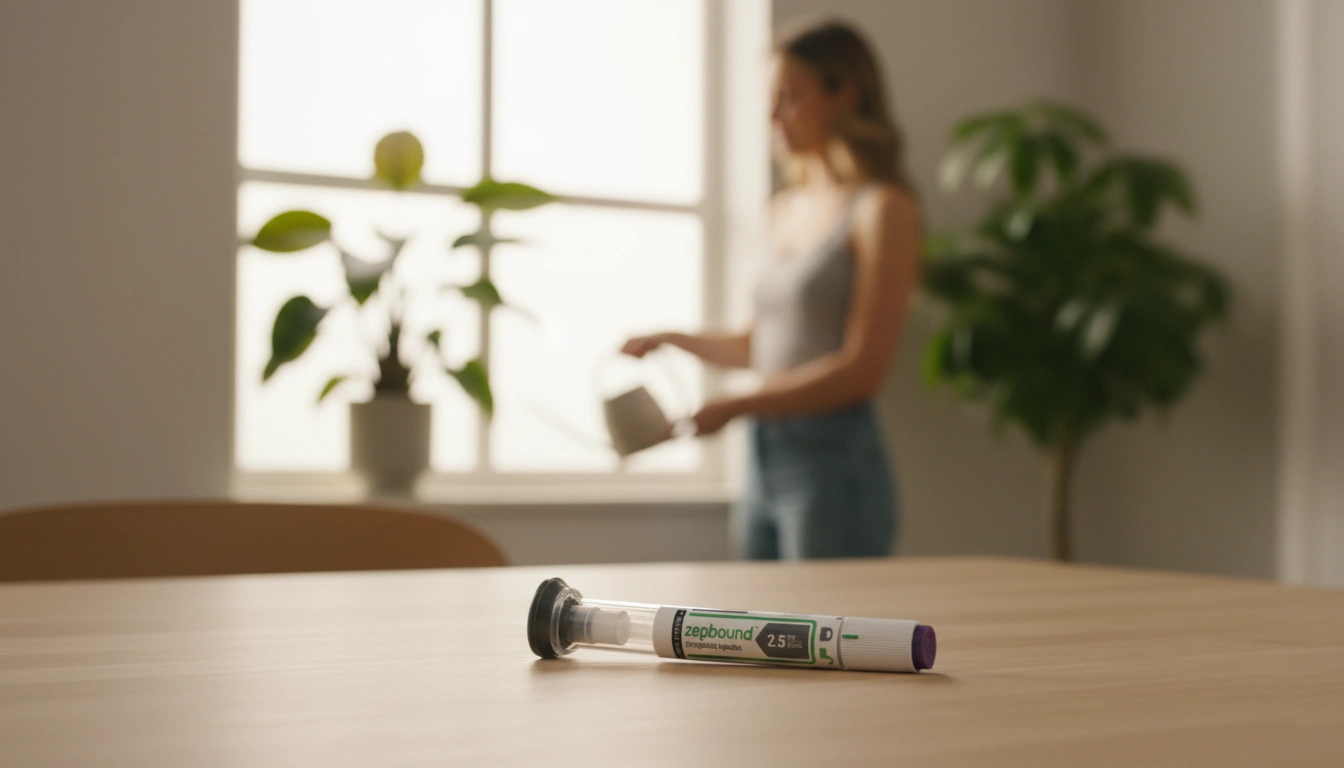
Introduction
Imagine the profound impact of a single act of kindness—an act that can save up to three lives. Blood donation is one such powerful contribution, a testament to community spirit and shared humanity. Yet, for many individuals actively managing their health, particularly those undergoing medical weight loss, questions often arise regarding eligibility. With the rise of innovative medications like Zepbound, a GLP-1 agonist increasingly prescribed for weight management, a common query emerges: can you donate blood if you take Zepbound? This question isn’t just about a specific medication; it reflects a broader commitment to health—both personal and communal.
At TrimRx, our journey began with a shared vision to help individuals embrace healthier lifestyles by merging cutting-edge telehealth innovations with effective weight loss solutions. We understand that your health journey is deeply personal, encompassing not just your weight but your overall well-being and your desire to contribute positively to the world. As you focus on sustainable health improvements, you may wonder how your current treatment plan, including medications like Zepbound, interfaces with opportunities like blood donation. It’s a valid and important consideration, underscoring the interconnectedness of individual health and public welfare.
This blog post aims to provide a comprehensive guide to understanding blood donation eligibility, with a specific focus on individuals taking Zepbound or other GLP-1 medications. We will delve into general donation criteria, explore how various medications can affect your eligibility, and specifically address the guidelines pertaining to Zepbound. Furthermore, we will illustrate how TrimRx’s personalized, medically supervised weight loss programs can empower you to achieve stable health, aligning with the criteria often necessary for blood donation. By the end of this article, you will have a clearer understanding of the facts, empowering you to make informed decisions about both your health and your potential to be a lifesaver. Together, we’ll explore the nuances of this vital topic, ensuring you have the knowledge to navigate your path effectively.
The Lifesaving Act of Blood Donation: A Vital Community Contribution
Blood donation is far more than a simple medical procedure; it is a profound act of altruism that underpins modern healthcare systems. Every day, countless individuals rely on donated blood for a myriad of reasons, from emergency trauma care and complex surgeries to long-term treatments for chronic illnesses like cancer and blood disorders. The need for blood is constant and universal, transcending geographical boundaries and social strata. A single donation can be separated into different components—red blood cells, plasma, and platelets—each serving unique and critical functions in patient care. This means one donation can truly save up to three lives, offering a tangible impact that few other actions can rival.
The process of donating blood is carefully regulated to ensure the safety of both the donor and the recipient. Organizations like the American Red Cross and other blood banks adhere to stringent guidelines established by regulatory bodies, including the Food and Drug Administration (FDA), to maintain the highest standards of safety and efficacy. These guidelines cover everything from donor health and lifestyle to medication use and recent travel history. The continuous demand for blood and blood products means that donation centers are always seeking eligible donors, highlighting the ongoing importance of individuals stepping forward to contribute.
Understanding these eligibility criteria is the first step for anyone considering becoming a donor. While the desire to give blood is commendable, ensuring that a donation is safe and beneficial requires a thorough assessment. This is particularly true for individuals managing chronic conditions or taking prescription medications, where the interaction between their health status and the donation process needs careful consideration. For us at TrimRx, we believe that empowering individuals to achieve their best health naturally extends to their ability to participate in such vital community efforts. A healthier you is a more capable you, ready to make a difference in the lives of others.
Understanding General Blood Donation Eligibility Criteria
Before delving into specific medications, it’s essential to understand the foundational eligibility requirements that apply to all potential blood donors. These criteria are designed to protect both the donor from potential adverse effects of donation and the recipient from any health risks associated with the donated blood. While specific requirements may vary slightly by donation center or country, the core principles remain consistent.
Basic Health Requirements
To ensure a safe donation experience for everyone involved, donors must meet several fundamental health and demographic criteria:
- Overall Health: You must generally be in good health and feeling well on the day of donation. This means no active colds, flu, sore throats, fevers, or other symptoms of illness. Your body needs to be in optimal condition to handle the donation process without compromising your recovery or well-being.
- Weight: Donors typically need to weigh at least 110 pounds (approximately 50 kg). This minimum weight helps ensure that you have sufficient blood volume to donate safely without experiencing adverse reactions like dizziness or fainting.
- Age: In most states, you must be at least 17 years old to donate whole blood. Some states allow 16-year-olds to donate with parental consent. There is generally no upper age limit, provided you meet all other health criteria.
- Time Between Donations: To allow your body sufficient time to replenish its blood components, there are required waiting periods between donations. For whole blood, this is usually 56 days (8 weeks). For other types of donations like plasma or platelets, the waiting periods can be shorter or longer, respectively.
Common Temporary Deferrals
Beyond these basic requirements, certain situations can lead to a temporary deferral, meaning you might need to wait a specific period before you can donate again. These are not permanent disqualifications but rather precautions:
- Recent Illness: If you have experienced a cold, flu, or other infections, you typically need to wait until you are fully recovered and symptom-free for a certain period, often 24 to 72 hours, depending on the specific illness and symptoms.
- Antibiotics: If you are currently taking antibiotics for an active infection, you will likely be deferred. A common guideline is to wait at least 24 hours after your last dose and after your infection has cleared before donating. This ensures that the infection is resolved and the medication is no longer active in your system in a way that could impact the recipient.
- Recent Vaccinations: Depending on the type of vaccine, there may be a waiting period. For instance, most non-live vaccines (like flu shots or COVID-19 vaccines) typically do not require a deferral, provided you are feeling well. Live attenuated vaccines, however, often require a waiting period, sometimes up to four weeks. Always check with your local blood donation center for their specific guidelines.
- Travel: Recent travel to certain countries or regions where infectious diseases (e.g., malaria, Zika virus) are prevalent may result in a temporary deferral. The length of deferral depends on the specific region and the incubation period of the disease.
- Blood Transfusions or Organ Transplants: If you have received a blood transfusion or an organ/tissue transplant, you are typically deferred from donating blood for a minimum of 3 months to 1 year, depending on the guidelines and potential risk of disease transmission.
Permanent Deferrals
In some rare instances, certain health conditions or lifestyle factors may result in a permanent deferral from blood donation. These typically involve serious diseases or risks that could pose a long-term threat to recipient safety. Examples include a history of certain types of cancer, HIV/AIDS, Hepatitis B or C, or Creutzfeldt-Jakob disease (mad cow disease) and its variant. These criteria are critical for safeguarding the integrity of the blood supply.
Understanding these broad categories provides a crucial context for individuals on specific medications. Our commitment at TrimRx is to support your holistic health journey, which includes empowering you with knowledge about how your health choices intersect with community opportunities like blood donation. By fostering a well-managed and healthy lifestyle, we aim to ensure you are in the best possible position to contribute to your own well-being and to others. If you’re looking to achieve stable health through a personalized approach, we encourage you to take our free assessment quiz to see if you qualify for our personalized prescription weight loss medications.
Medications and Blood Donation: Navigating the Guidelines
Medications are a significant factor in determining blood donation eligibility. This isn’t to say that all medications automatically disqualify you, but rather that certain drugs have properties that could impact the safety of the donated blood for a recipient or pose a risk to the donor during the collection process. Blood donation centers take these considerations very seriously, and understanding the “why” behind these rules can help clarify the guidelines.
Why Medications Matter for Donors
The primary reasons medications are evaluated for blood donation eligibility are twofold:
- Recipient Safety: Some medications, if present in donated blood, could pose a risk to the recipient, especially if the recipient is pregnant, very young, immunocompromised, or has certain health conditions. This is why deferral periods are often established for drugs known to be teratogenic (harmful to an unborn baby) or that could have other systemic effects on a vulnerable patient.
- Donor Safety: Certain medications can affect the donor’s blood clotting ability, blood pressure, or overall physical response to blood loss. Donating while on such medications could increase the risk of excessive bleeding, bruising, or other adverse reactions for the donor.
It is always imperative to provide a complete and accurate list of all medications you are taking—prescription, over-the-counter, and supplements—to the blood donation staff. Their comprehensive screening process is designed to ensure the safety of all involved.
Specific Medication Categories Leading to Deferral
Several classes of medications are commonly associated with temporary or, in rare cases, permanent deferrals. It’s important to note that these guidelines are subject to change and may vary slightly, so always consult with the donation center directly.
Antiplatelet Drugs
Antiplatelet medications are prescribed to reduce the risk of blood clots by preventing platelets from sticking together. They are commonly used to prevent strokes or heart attacks. If you take these drugs, you may still be eligible to donate whole blood, but you might be deferred from donating platelets for a specific period. This is because the effectiveness of the donated platelets would be compromised, making them less useful for a recipient who needs clotting support.
Common antiplatelet drugs and typical deferral periods for platelet donation include:
- Effient (prasugrel): Usually 7 days.
- Brilinta (ticagrelor): Typically 7 days.
- Plavix (clopidogrel): Often 14 days.
- Ticlid (ticlopidine): Generally 14 days.
- Zontivity (vorapaxar): Typically 14 days.
- Feldene (piroxicam): Often 2 days.
Anticoagulants (Blood Thinners)
Anticoagulants, commonly known as blood thinners, prevent blood from clotting too quickly or too extensively. Taking these medications and donating blood could pose a significant risk to the donor, as it increases the likelihood of excessive bleeding and bruising at the donation site. They are used to treat or prevent blood clots and prevent strokes.
Examples of anticoagulants and their typical deferral periods include:
- Xarelto (rivaroxaban), Fragmin (dalteparin), Lovenox (enoxaparin), Pradaxa (dabigatran), Eliquis (apixaban), Savaysa (edoxaban): Often 2 days.
- Coumadin, Jantoven, Warfilone (warfarin), Heparin, Arixtra (fondaparinux): Generally 7 days.
Medications Harmful to an Unborn Baby (Teratogenic Drugs)
A critical category of medications that lead to deferral are those that can harm an unborn baby if the donated blood were to be transfused into a pregnant recipient. Even trace amounts of these drugs can pose a severe risk. These medications belong to various classes and treat diverse health issues. The deferral periods for these drugs are often much longer to ensure complete clearance from the donor’s system.
Examples include:
- Isotretinoin products (e.g., Amnesteem, Absorica, Claravis, Myorisan, Zenatane) for acne: Typically 1 month.
- Finasteride products (e.g., Propecia, Proscar) for BPH or hair loss: Usually 1 month.
- Dutasteride (e.g., Avodart) or Jalyn (dutasteride and tamsulosin) for BPH: Often 6 months.
- Vismodegib (e.g., Erivedge) and Sonidegib (e.g., Odomzo) for basal cell skin cancer: Significant deferral periods, such as 2 years or 20-24 months respectively.
- Aubagio (teriflunomide) for relapsing multiple sclerosis: A long deferral of 2 years.
- Thalomid (thalidomide) for multiple myeloma: Typically 1 month.
- Cellcept (mycophenolate mofetil) to prevent organ rejection: Usually 6 weeks.
- Soriatane (acitretin) for psoriasis: A very long deferral of 3 years.
Experimental Medications and Clinical Trials
If you have taken experimental medications or vaccines as part of a clinical trial, you typically must wait a year before donating blood. This deferral ensures that any unknown effects of the experimental treatment on the blood or the donor are no longer a concern.
Navigating these medication guidelines can feel complex, but the underlying principle is always safety. We at TrimRx understand the importance of clear, transparent information when it comes to your health. Our medically supervised programs are designed to provide you with safe and effective pathways to weight loss, and part of that commitment involves empowering you with the knowledge to make informed decisions about all aspects of your well-being, including community contributions like blood donation.
Zepbound and Other GLP-1 Medications: Can You Donate Blood?
This brings us to the core question: can you donate blood if you take Zepbound? Zepbound, along with other GLP-1 receptor agonists like Ozempic, Mounjaro, Wegovy, and compounded versions of Semaglutide and Tirzepatide, are increasingly important tools in the management of obesity and type 2 diabetes. Their effectiveness in promoting significant weight loss and improving metabolic health has transformed care for many individuals.
The Core Question: Can You Donate Blood if You Take Zepbound?
For individuals taking Zepbound or other GLP-1 medications, the good news is generally positive: taking a GLP-1 medication like Zepbound is not typically a disqualifying factor for blood, plasma, or other blood product donation. This guidance is consistent across major blood donation organizations, including the American Red Cross, which currently does not list GLP-1 drugs as medications that defer donation.
This means that if your primary reason for taking Zepbound is for weight management or the control of type 2 diabetes, and you meet all other general eligibility criteria, you are very likely able to donate blood. This also extends to other GLP-1 medications we support in our personalized programs, such as Ozempic®, Mounjaro®, Wegovy®, Compounded Semaglutide, Oral Semaglutide, Compounded Tirzepatide, and Oral Tirzepatide. Our focus at TrimRx on providing clinically proven, personalized weight loss solutions helps individuals achieve a state of stable health, which is often a prerequisite for blood donation.
Key Conditions for GLP-1 Users to Donate
While GLP-1 medications themselves are generally not a deferral, there are critical considerations to ensure your safety and the safety of the recipient:
- Well-Managed Underlying Condition: The most important factor is that any underlying health condition for which you are taking the GLP-1 medication (e.g., type 2 diabetes, obesity) must be well-managed and under control. If your diabetes is unstable or poorly controlled, this could be a reason for deferral, regardless of the medication. Our personalized programs at TrimRx are designed to help you achieve and maintain this state of metabolic stability, optimizing your overall health.
- Feeling Well: As with any donor, you must feel well and be in good health on the day of donation. If you are experiencing significant side effects from your GLP-1 medication, such as severe nausea, vomiting, dizziness, or diarrhea, you should defer your donation until these symptoms have resolved. Donor safety is paramount, and feeling unwell during donation can increase the risk of adverse reactions.
- Importance of Disclosure: It is always essential to inform the blood donation center staff about all medications you are taking, including Zepbound or any other GLP-1. This allows them to conduct a complete and accurate screening and address any specific concerns based on their most current guidelines. Transparency is key to ensuring a safe donation for everyone.
For individuals seeking comprehensive support in managing their weight and overall health, our platform at TrimRx offers a user-friendly and supportive space. We provide personalized, medically supervised care, all designed to make sustainable weight loss attainable and tailored to the individual. Our approach helps you not only reach your weight loss goals but also achieve a level of health and well-being that can allow you to continue participating in life-affirming activities like blood donation. To explore how our programs can support your health journey, we invite you to take our free assessment quiz to see if you qualify for our prescription weight loss medications.
Diabetes Management and Blood Donation
For many individuals, GLP-1 medications like Zepbound are prescribed not only for weight loss but also for the management of type 2 diabetes. Understanding how diabetes itself, and its treatment, influences blood donation eligibility is a crucial part of this discussion.
Type 1 and Type 2 Diabetes: Eligibility Considerations
The good news for many individuals living with diabetes is that having diabetes does not automatically disqualify you from donating blood. Both people with well-managed type 1 and type 2 diabetes can often donate blood or plasma, provided their condition is under control and they meet all other eligibility criteria.
- Well-Managed Diabetes: This is the cornerstone of eligibility. If your diabetes is well-controlled through diet, exercise, insulin, or oral medications, and you are not experiencing significant complications, you are generally considered eligible. “Well-managed” typically means your blood glucose levels are stable and within the range recommended by your healthcare provider. The focus of our TrimRx programs is precisely this: to help individuals achieve well-managed health through our medically supervised approach.
- Medication for Diabetes: Taking insulin or oral medications to manage your diabetes is generally acceptable for blood donation, as long as these medications were prescribed by a medical professional. As mentioned, GLP-1 medications fall into this category. It’s vital to inform the donation staff about your diabetes diagnosis and all medications you are taking.
- Blood Glucose Levels on Donation Day: While generally safe, some blood banks may have specific recommendations regarding your blood glucose levels on the day of donation. Blood with very high glucose levels may not store as well, though this is often a concern for specific research or processing rather than routine donation. Always ensure your blood sugar is stable and within your target range before heading to the donation center.
Temporary Impacts of Donation on Diabetes Metrics
It’s also worth noting that blood donation can have some temporary, minor impacts on diabetes-related health metrics, which are generally not a cause for concern but are good to be aware of:
- HbA1c Levels: Donating blood can sometimes lead to a temporary, falsely lowered HbA1c level. This is likely due to changes in blood volume and a faster turnover of red blood cells. If you have an HbA1c test scheduled shortly after donating, it’s a good idea to inform your healthcare provider that you recently donated blood.
- Blood Glucose Levels: For some individuals, particularly those with type 1 diabetes, donating blood may temporarily raise blood glucose levels for three to five days afterward. This is not universally experienced but is something to monitor and discuss with your provider if you notice significant fluctuations.
Our TrimRx personalized weight loss solutions are built on the principles of science, empathy, and transparency. We work with you to not only achieve significant weight loss but also to improve underlying metabolic health, often leading to better diabetes management. By optimizing your health, we aim to empower you to participate in activities that matter to you, including the incredible act of blood donation. We believe that sustainable weight loss should be achieved through a comprehensive and supportive approach. To discover how our program can help you reach your health goals, we encourage you to take our free assessment quiz today.
The TrimRx Approach to Personalized Health and Well-being
At TrimRx, we believe that achieving and maintaining a healthy weight is a cornerstone of overall well-being. Our mission extends beyond simple weight loss; we are dedicated to empowering individuals to embrace healthier lifestyles through safe, effective, and personalized solutions. Our commitment to your health journey is reflected in every aspect of our program, from innovative telehealth services to compassionate medical supervision.
Our Vision for Sustainable Weight Loss
Our journey began with a shared vision to help individuals embrace healthier lifestyles by merging cutting-edge telehealth innovations with effective weight loss solutions. We recognized that the path to sustainable weight loss is rarely one-size-fits-all. Instead, it requires a deeply personalized approach that respects individual needs, health profiles, and life circumstances. Our platform is designed to be a user-friendly and supportive space where individuals receive personalized, medically supervised care—all crafted to make sustainable weight loss attainable and tailored to the individual.
We firmly believe that sustainable weight loss should be achieved through science, empathy, and a transparent approach. This means relying on evidence-based treatments, understanding the unique challenges each person faces, and maintaining clear communication throughout the process. Our brand is empathetic, innovative, trustworthy, supportive, results-oriented, and personalized, reflecting our core values.
How TrimRx Supports Your Health Goals
We offer compassionate care that respects every individual’s unique journey by combining advanced medical science with modern technology. This innovative blend allows us to deliver high-quality, convenient care directly to you. Our commitment to transparent service is unwavering; our approach remains consistent regardless of dosage changes, ensuring you always know what to expect from your treatment plan.
Safety is paramount in everything we do. We prioritize your well-being by working exclusively with FDA-registered and inspected pharmacies for the shipping of weight loss medications. This rigorous selection process ensures that the medications you receive are of the highest quality and safety standards. It must be clear that TrimRx partners with these pharmacies for the shipping of weight loss medications and does not provide actual medical supervision.
Our comprehensive service goes beyond just medication. When you engage with TrimRx, you receive a holistic support package designed for your success. This includes essential components such as doctor consultations, necessary lab work to inform your personalized plan, your prescribed medication, unlimited support from our dedicated team, and convenient shipping—all without any hidden fees. We aim to provide a seamless and supportive experience, allowing you to focus on your health goals with confidence.
Our Medically Supervised Programs
Our product offerings are thoughtfully divided to cater to different needs and stages of the weight loss journey, always emphasizing safety, personalization, and effectiveness.
Prescription Weight Loss Programs (Require Quiz)
For individuals seeking medically supervised weight loss with prescription medications, we offer a range of options, each tailored to specific needs identified through our assessment process. These medications, when appropriate, can be powerful tools in achieving significant and sustainable weight loss:
- Compounded Semaglutide: A GLP-1 agonist available through our partner pharmacies.
- Oral Semaglutide: An oral form of Semaglutide.
- Ozempic®: An FDA-approved branded medication containing Semaglutide.
- Compounded Tirzepatide: A dual GIP/GLP-1 agonist available through our partner pharmacies.
- Oral Tirzepatide: An oral form of Tirzepatide.
- Mounjaro®: An FDA-approved branded medication containing Tirzepatide.
- Zepbound®: An FDA-approved branded medication containing Tirzepatide, specifically indicated for weight management.
- Wegovy®: An FDA-approved branded medication containing Semaglutide, specifically indicated for weight management.
To determine your eligibility and receive a personalized treatment plan with one of these powerful prescription medications, we encourage you to take our free assessment quiz. This quiz is the first step toward a tailored approach that considers your unique health profile and goals.
Quick-Access Supplements (No Quiz Required)
For those looking for immediate support to complement their overall wellness journey or to support the effects of GLP-1s, we also offer quick-access supplements that do not require a consultation or quiz:
- GLP-1 Daily Support: This supplement is available for immediate purchase to support overall wellness, particularly beneficial for individuals engaged in a weight loss journey that may include GLP-1 medications.
- Weight Loss Boost: Designed for immediate purchase, this supplement offers additional support for those striving to achieve their weight loss goals.
Our holistic approach at TrimRx is designed to provide you with the tools and support needed to not only achieve your weight loss goals but also to foster a healthier, more vibrant life. By improving your overall health and well-being, we aim to empower you to participate fully in all aspects of your life, including acts of community service like blood donation. We believe that a healthier you is a happier, more impactful you.
Preparing for Your Blood Donation While on Zepbound
If you are currently taking Zepbound or any other GLP-1 medication and are considering donating blood, careful preparation and clear communication are key to a smooth and safe experience. By taking proactive steps, you can ensure you meet all eligibility requirements and contribute effectively.
Essential Steps Before Donating
- Consult Your Healthcare Provider: Before you head to the donation center, it is always a good practice to consult with your personal healthcare provider. Discuss your intention to donate blood and any medications you are taking, including Zepbound. Your doctor can offer insights based on your specific health history and current condition, confirming that donating blood is appropriate for you at this time.
- Contact the Blood Donation Center: Reach out to your local blood donation center well in advance of your desired donation date. Clearly state that you are taking Zepbound (or other GLP-1 medications) and any other prescription or over-the-counter drugs. Donation centers have up-to-date lists of eligible medications and any specific deferral periods. Their staff are trained to answer your questions and provide the most accurate information based on their current guidelines. This ensures there are no surprises on the day of your appointment.
- Ensure Stable Health Conditions: As discussed, while Zepbound itself generally doesn’t defer donation, your underlying health condition must be well-managed. If you are taking Zepbound for type 2 diabetes, ensure your blood sugar levels are stable and within your target range. If you are taking it primarily for weight management, confirm that you are feeling consistently well and not experiencing significant adverse side effects from the medication. Our personalized programs at TrimRx focus on achieving this stability, supporting you in reaching your best health.
- Hydrate and Eat Well: On the day of your donation, ensure you are well-hydrated by drinking plenty of fluids, and eat a healthy, iron-rich meal. Being adequately nourished and hydrated can significantly reduce the risk of feeling lightheaded or dizzy after donation. Avoid strenuous activity immediately before and after donating.
- Be Honest and Thorough: During the screening process at the donation center, be completely honest and thorough when answering all health questions and listing all medications. The screening questionnaire is designed to protect both you and the recipient. Withholding information, even unintentionally, could compromise safety.
By following these preparatory steps, you can approach your blood donation with confidence, knowing you have done your due diligence to ensure a safe and meaningful contribution. Your health journey with TrimRx is about empowering you to live your fullest life, and that includes participating in acts of profound generosity like blood donation when you are medically eligible.
The Broader Impact of Your Health Journey
Your personal health journey, whether it involves managing weight with Zepbound, stabilizing diabetes with other GLP-1s, or simply striving for overall wellness, has a ripple effect that extends far beyond your individual experience. When you commit to a healthier lifestyle, as supported by our personalized programs at TrimRx, you unlock a greater capacity to engage with the world and contribute to your community.
Consider the connection: a person who effectively manages their weight, optimizes their metabolic health, and maintains a stable physical condition is often in a better position to participate in various aspects of life, including volunteering, pursuing hobbies, and yes, donating blood. The ability to donate blood is a tangible reflection of good health. By focusing on your well-being through safe and effective methods, you are not only improving your own quality of life but also enhancing your potential to be a source of strength and support for others.
At TrimRx, our goal is to empower you with the tools and medical guidance necessary to achieve sustainable health outcomes. We believe that sustainable weight loss should be achieved through science, empathy, and a transparent approach. When you choose to partner with us, you’re not just signing up for a weight loss program; you’re embarking on a transformative journey towards a healthier, more capable self. This journey strengthens you, enabling you to pursue your passions and make a difference, whether that’s in your family, your workplace, or by contributing to the critical supply of life-saving blood. We are here to support every step of that journey, ensuring you have the resources for a vibrant future.
Conclusion
Understanding blood donation eligibility, particularly when navigating specific medications like Zepbound, is a vital step for anyone wishing to contribute to this life-saving cause. We’ve explored the general criteria, detailed how various medication categories can influence eligibility, and directly addressed the question: can you donate blood if you take Zepbound? The overarching message is clear: taking Zepbound or other GLP-1 medications typically does not inherently prevent you from donating blood, provided your underlying health conditions are well-managed and you are feeling well on the day of donation.
The journey toward sustainable weight loss and optimal health is a profound commitment, one that TrimRx is dedicated to supporting with empathy, innovation, and trustworthy care. Our personalized, medically supervised programs—including options like Compounded Semaglutide, Ozempic®, Compounded Tirzepatide, Zepbound®, and our quick-access supplements GLP-1 Daily Support and Weight Loss Boost—are designed to help you achieve stable, long-term health. By partnering with FDA-registered and inspected pharmacies and providing comprehensive services from doctor consultations to unlimited support, we empower you to live a healthier, more fulfilling life.
We encourage you to always communicate openly with both your healthcare provider and the blood donation center about all medications you are taking, ensuring that your desire to donate aligns with safety guidelines for both you and the recipient. Your health journey is a powerful testament to your commitment to well-being, and it often opens doors to incredible opportunities to positively impact your community.
Ready to take control of your health and unlock your full potential? Explore our personalized approach to weight loss by taking our free assessment quiz today. For immediate support to complement your wellness journey, you can also discover our quick-access GLP-1 Daily Support supplement or our Weight Loss Boost supplement.
Frequently Asked Questions (FAQ)
Q1: Can I donate blood if I’m taking GLP-1 medications like Zepbound for weight loss?
Generally, yes, you can donate blood if you are taking GLP-1 medications such as Zepbound, Ozempic®, or Mounjaro®. These medications are typically not considered a disqualifying factor for blood or plasma donation. The most important considerations are that any underlying health conditions (like diabetes) are well-managed and that you are feeling well and without significant side effects on the day of your donation. Always inform the blood donation staff about all medications you are taking.
Q2: What other conditions besides medications might prevent me from donating blood?
Several factors can lead to temporary or permanent deferral from blood donation. These include being unwell with a cold, flu, or fever; having an active infection; recent travel to areas with certain infectious diseases; receiving a blood transfusion or organ transplant within the last year; or a history of certain serious diseases like HIV/AIDS or Hepatitis B/C. Donors must also meet basic requirements for age (typically 17+), weight (at least 110 lbs), and general good health.
Q3: Does TrimRx offer personalized support to help me manage my health conditions for optimal well-being?
Absolutely. At TrimRx, our entire approach is centered on personalized, medically supervised care designed to help you achieve sustainable weight loss and improve your overall health. Our comprehensive programs include doctor consultations, lab work, personalized medication plans (such as Compounded Semaglutide, Ozempig®, Compounded Tirzepatide, Zepbound®, etc.), and unlimited support. We believe in science, empathy, and transparency to guide you to optimal well-being, which can also positively impact your ability to participate in community efforts like blood donation. To see how we can support your journey, we encourage you to take our free assessment quiz.
Q4: Where can I learn more about TrimRx’s prescription weight loss programs?
To learn more about our personalized prescription weight loss programs and determine if you qualify for medications like Compounded Semaglutide, Oral Semaglutide, Ozempic®, Compounded Tirzepatide, Oral Tirzepatide, Mounjaro®, Zepbound®, or Wegovy®, the best first step is to take our free assessment quiz. This quiz helps us understand your unique health profile and recommend a tailored plan. We also offer quick-access supplements like GLP-1 Daily Support and Weight Loss Boost available for immediate purchase to support your wellness journey.

Transforming Lives, One Step at a Time
Keep reading

How to Get Zepbound in Texas: Your Guide
Getting Zepbound in Texas is straightforward once you know your options. You can get a prescription through a telehealth provider from home, through your…

How to Get Zepbound in California: Where to Start
Zepbound (tirzepatide) is available to California residents through your primary care provider, a weight loss clinic, or a telehealth service that prescribes and delivers…
Stopping Zepbound: Managing the Transition
When you stop taking Zepbound, your appetite returns to pre-medication levels within a few weeks and most people regain a meaningful portion of their…


