Can You Donate Blood if You Take Mounjaro?
Introduction
Many individuals who begin a weight loss or metabolic health journey find themselves re-evaluating their daily habits and philanthropic activities. If you have recently started a medication like Mounjaro®, you may wonder if your desire to help others through blood donation is still an option. At TrimRx, we believe that health is holistic, and contributing to your community is a vital part of well-being.
The short answer is that taking Mounjaro® or similar medications generally does not disqualify you from donating blood. However, there are specific guidelines regarding your overall health, blood sugar stability, and current side effects that you must consider. This article explores the intersection of GLP-1 medications and blood donation eligibility to help you prepare for your next visit to a blood center. If you’re also thinking about your own treatment path, you can take the free assessment quiz to see what a personalized program may look like.
Understanding Mounjaro and How It Works
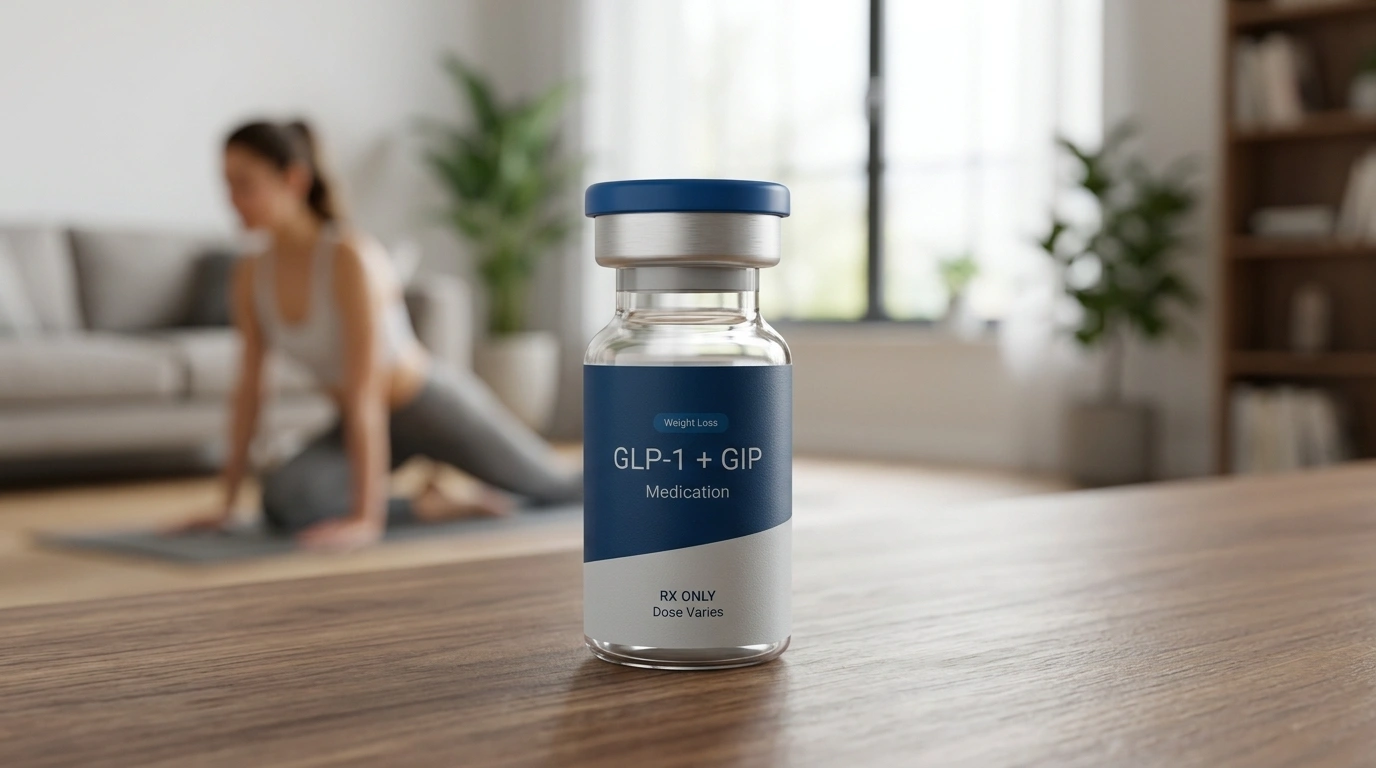
Mounjaro® is a branded prescription medication known generically as tirzepatide. It belongs to a class of drugs called dual GLP-1 (glucagon-like peptide-1) and GIP (glucose-dependent insulinotropic polypeptide) receptor agonists. These “receptor agonists” are substances that mimic natural hormones in your body to trigger specific biological responses.
Tirzepatide works by acting on two different hormone receptors to help regulate blood sugar and slow down digestion. By mimicking GLP-1, it helps the pancreas release the right amount of insulin when blood sugar levels are high. It also slows the rate at which the stomach empties, which helps individuals feel fuller for longer. The addition of the GIP component further aids in energy metabolism and fat breakdown. If you want a broader look at how these medications compare, our tirzepatide vs semaglutide side effects guide is a helpful next read.
Because this medication affects blood chemistry and metabolic processes, it is natural to question if it remains in the blood in a way that could affect a recipient. Current clinical guidelines suggest that the presence of tirzepatide in a donor’s bloodstream does not pose a known risk to those receiving a blood transfusion.
The American Red Cross Medication Deferral List
When you arrive at a blood donation center, you are asked to review a document called the Medication Deferral List. This list contains specific medications that require a waiting period before you can safely donate. The reasons for deferral usually fall into three categories:
- Teratogens: Medications that could cause birth defects if the blood is given to a pregnant woman.
- Anticoagulants: Blood thinners that might cause the donor to bleed excessively or make the blood product ineffective.
- Platelet Inhibitors: Drugs that prevent blood from clotting, which is critical for patients receiving platelet transfusions.
Currently, Mounjaro® is not on the American Red Cross Medication Deferral List. This means that the medication itself is not a reason to turn a donor away. The same applies to other similar medications, such as Wegovy®, Ozempic®, or Zepbound®. While these are different brands with slightly different mechanisms, they are all currently cleared for blood donors by major US blood banks.
Quick Answer: Yes, you can typically donate blood while taking Mounjaro®. It is not currently on the federal medication deferral list, though you must still meet all other health and eligibility requirements.
Eligibility Criteria for Donors with Diabetes
Many people take Mounjaro® specifically to manage Type 2 diabetes. If this is the case for you, your eligibility depends more on the management of your condition than the medication itself. Most blood centers allow individuals with diabetes to donate if their condition is well-controlled and they feel healthy on the day of donation.
Blood Sugar Stability Your blood glucose levels should be within a stable range. If your blood sugar is extremely high or fluctuates wildly, it can affect the quality of the blood and your safety as a donor. Donating blood causes a temporary change in blood volume, which can be stressful for a body that is already struggling with unregulated glucose.
Insulin Use In the past, there were restrictions on donors who used certain types of insulin, particularly those derived from animals. However, modern synthetic insulin and medications like tirzepatide do not carry these same restrictions. As long as you are not experiencing a hypoglycemic (low blood sugar) episode, you are usually cleared to donate.
HbA1c Levels It is important to note that donating blood can temporarily affect your HbA1c results. This test measures your average blood sugar over the past three months by looking at your red blood cells. Since donation removes red blood cells and prompts the body to create new ones, your next HbA1c test might show a falsely lower number. If you have a doctor’s appointment soon after donating, be sure to mention your recent donation to your healthcare provider.
Weight Management and Donation Requirements
If you are using Mounjaro® for weight management, there are other physical requirements you must meet to donate blood. These rules are in place to ensure that the donor does not become ill during or after the process.
Minimum Weight Requirements In the United States, most blood centers require donors to weigh at least 110 pounds. If your weight loss journey has brought you below this threshold, you will need to wait until your weight stabilizes above it. This requirement exists because blood volume is related to body weight. Removing a standard unit of blood (about one pint) from a smaller person represents a larger percentage of their total blood volume, increasing the risk of fainting or fatigue.
Iron Levels (Hemoglobin) Weight loss programs can sometimes lead to changes in diet that affect iron intake. Before you donate, a technician will perform a quick finger-prick test to check your hemoglobin levels. If your iron is too low, you will be deferred. For those on a personalized program through us, we often emphasize the importance of nutrient density to ensure that weight loss does not lead to deficiencies like anemia. If you want to understand how hydration fits into the bigger picture, our water and weight loss guide is a useful companion article.
Managing Side Effects Before You Donate
While the medication itself is not a barrier, the side effects of Mounjaro® can be. GLP-1 and GIP medications are known to cause gastrointestinal issues as the body adjusts to the dosage. You should avoid donating blood if you are experiencing any of the following:
- Nausea or Vomiting: These can lead to dehydration and electrolyte imbalances.
- Diarrhea: Like vomiting, this depletes your body of necessary fluids.
- Dizziness or Lightheadedness: Donating blood already carries a small risk of fainting; active dizziness makes this risk much higher.
- Fatigue: Your body needs energy to replenish the blood you give.
Key Takeaway: Never donate blood if you are feeling unwell or are currently experiencing active side effects from your medication. Your safety as a donor is the priority.
The Role of Hydration and Nutrition
Hydration is the most critical factor for a successful blood donation, especially when taking a medication that slows gastric emptying. Tirzepatide can sometimes mask thirst signals or make it harder to consume large amounts of water at once.
Pre-Donation Hydration Start increasing your water intake 48 hours before your appointment. Since Mounjaro® slows down how fast your stomach moves, drinking small amounts consistently throughout the day is more effective than trying to “chug” water right before you walk into the clinic.
The “Iron-Rich” Meal Eat a healthy, iron-rich meal a few hours before your donation. Focus on lean proteins like spinach, beans, or fortified cereals. Avoid fatty foods like fried chicken or burgers immediately before donating, as high levels of fat in the blood (lipemia) can interfere with the testing process required for every unit of blood.
Nutrient Support For those who find it difficult to maintain adequate nutrient levels while on a GLP-1 program, supplements can help bridge the gap. Our GLP-1 Daily Support supplement is designed to provide essential nutrients that may be lacking during a reduced-calorie phase. Maintaining these levels helps support your routine while you’re on treatment.
Compounded vs. Branded Medications
It is important to distinguish between branded Mounjaro® and compounded tirzepatide. Compounded medications are prepared by specialized pharmacies to meet specific patient needs, such as a different dosage or the removal of an allergen.
From the perspective of a blood donation center, the rules generally remain the same. Whether you are using a branded pen or a compounded version of the medication, the underlying active ingredient—tirzepatide—is what matters. You should always be transparent with the health historian at the donation center about exactly what you are taking, including any supplements or vitamins.
Step-by-Step: Preparing for Your Donation Appointment
If you have decided to donate, follow these steps to ensure a smooth experience while on your weight loss program:
Step 1: Check Your Health Assess how you feel. If you had your last injection recently and are feeling nauseated, reschedule your appointment for a few days later when you feel more stable.
Step 2: Hydrate Strategically Drink plenty of water and consider an electrolyte drink. Avoid caffeine and alcohol for 24 hours before your donation, as these can contribute to dehydration.
Step 3: Prepare Your Information Have the name of your medication and your dosage ready. If you are part of a program through us, you can easily find this information in your patient portal.
Step 4: Eat a Balanced Meal Do not fast before donating blood. A meal containing complex carbohydrates and protein will help keep your blood sugar stable during the process.
Step 5: Monitor Post-Donation After donating, sit in the refreshment area for at least 15 minutes. Drink the juice and eat the snack provided. This is especially important for those on GLP-1s, as your body may take a little longer to process the sugar and stabilize your volume. If you need extra support while managing reduced appetite, our Weight Loss Boost supplement is designed for added energy support during weight loss.
How TrimRx Supports Your Journey
At TrimRx, we understand that starting a medication like tirzepatide is about more than just numbers on a scale. It is about reclaiming your health so you can live an active, engaged life. Our telehealth-first platform connects you with licensed providers who create a personalized plan tailored to your health history and goals.
We provide a comprehensive service model that includes doctor consultations and lab work. This ensures that as you lose weight, your health is being monitored by professionals who understand the nuances of GLP-1 therapy. Our programs include medications shipped from FDA-registered compounding pharmacies, giving you access to the treatments you need without the stress of in-person waiting rooms.
By focusing on a personalized approach, we help you manage your weight while maintaining the vitality needed for activities like blood donation. Whether you are curious about compounded tirzepatide or need support with your current regimen, our team is available 24/7 to guide you.
Summary Table: Medication Comparison for Donors
| Medication Name | Active Ingredient | Deferral Status | Primary Consideration for Donors |
|---|---|---|---|
| Mounjaro® | Tirzepatide | No Deferral | Blood sugar stability and hydration |
| Zepbound® | Tirzepatide | No Deferral | BMI and minimum weight requirements |
| Ozempic® | Semaglutide | No Deferral | Management of Type 2 diabetes |
| Wegovy® | Semaglutide | No Deferral | Prevention of dizziness or fainting |
| Compounded Tirzepatide | Tirzepatide | No Deferral | Disclosure of medication at check-in |
Bottom line: Mounjaro® is not a barrier to blood donation, but you must ensure your body is well-hydrated, your weight is above 110 pounds, and you are not experiencing active side effects on the day of your appointment.
Myth vs. Fact: Blood Donation and GLP-1s
Myth: The medication in my blood will harm a child or a pregnant woman if they receive my donation. Fact: Tirzepatide is not classified as a teratogen on the medication deferral list. Blood centers have rigorous standards and have determined that this medication does not pose a risk to recipients.
Myth: I have to fast before donating blood if I am on a weight loss program. Fact: You should never fast before donating blood. In fact, a lack of food can lead to a drop in blood pressure or blood sugar, making you more likely to feel faint during the procedure.
Myth: I can’t donate if I’ve had a recent dosage increase. Fact: You can donate, but it may be wise to wait a few days. Dosage increases are when side effects are most likely to occur. Waiting until you know how your body reacts to the new dose is the safest approach.
Conclusion
Taking the step to donate blood is a commendable way to support your community. While navigating new medications like Mounjaro® can feel complex, it shouldn’t stop you from giving back. As long as you are healthy, hydrated, and your weight remains above the required minimum, you can likely continue your role as a donor.
At TrimRx, our mission is to help you navigate these transitions with confidence. We provide the tools, technology, and clinical expertise needed for sustainable weight loss and improved metabolic health. By focusing on a transparent, personalized approach, we ensure that your journey toward a healthier lifestyle is both safe and rewarding. If you are ready to take the next step in your health journey, our free assessment quiz is the perfect place to start.
FAQ
Is there a waiting period to donate blood after a Mounjaro injection?
There is no official federal waiting period required after an injection of Mounjaro®. However, many donors find it best to wait 48 to 72 hours after their weekly dose to ensure they are not experiencing any peak side effects like nausea or fatigue. If you want to compare side effect timing across medications, our tirzepatide vs semaglutide side effects guide is a helpful resource.
Can I donate blood if I am taking Mounjaro for weight loss instead of diabetes?
Yes, the reason for the prescription does not change the eligibility of the medication itself. As long as you meet the standard requirements—such as weighing at least 110 pounds and having adequate hemoglobin levels—you are generally eligible to donate. If you’re exploring treatment options, you can also take the free assessment quiz to see whether a personalized program fits your goals.
Should I tell the blood bank I am taking a compounded version of tirzepatide?
Yes, you should always disclose all medications and supplements you are currently taking during the health screening process. This ensures the blood bank has an accurate record and can provide the best care for both you and the potential recipient.
Will donating blood make my weight loss medication less effective?
No, donating blood does not reduce the effectiveness of Mounjaro®. The medication works through hormone receptors in your brain and gut, and while it is present in your bloodstream, removing one unit of blood will not significantly alter the therapeutic levels needed for weight management or blood sugar control. For a deeper look at hydration and treatment support, our hydration on tirzepatide article may be useful.
Disclaimer: This content is for informational purposes only and does not constitute medical advice. It is not intended to diagnose, treat, cure, or prevent any disease or condition. Individual results may vary. Always consult a qualified healthcare professional before starting any weight loss program or medication.

Transforming Lives, One Step at a Time
Keep reading

Mounjaro Alternatives: What Else to Consider
If Mounjaro isn’t the right fit, the closest alternatives are other GLP-1 medications, chiefly semaglutide (Ozempic for diabetes, Wegovy for weight), along with a…

Mounjaro vs Zepbound: Same Drug, Two Brands
Like their semaglutide counterparts, Mounjaro and Zepbound are the same medication (tirzepatide) sold under two names for two purposes: Mounjaro is approved for type…

Retatrutide vs Mounjaro: Triple Agonist vs Dual Agonist
The core difference between retatrutide and Mounjaro comes down to how many hormone targets each hits: retatrutide activates three receptors, while Mounjaro (tirzepatide) activates…


