Eating After Ozempic: A Guide to Optimizing Your Diet for Weight Loss and Well-being
Introduction
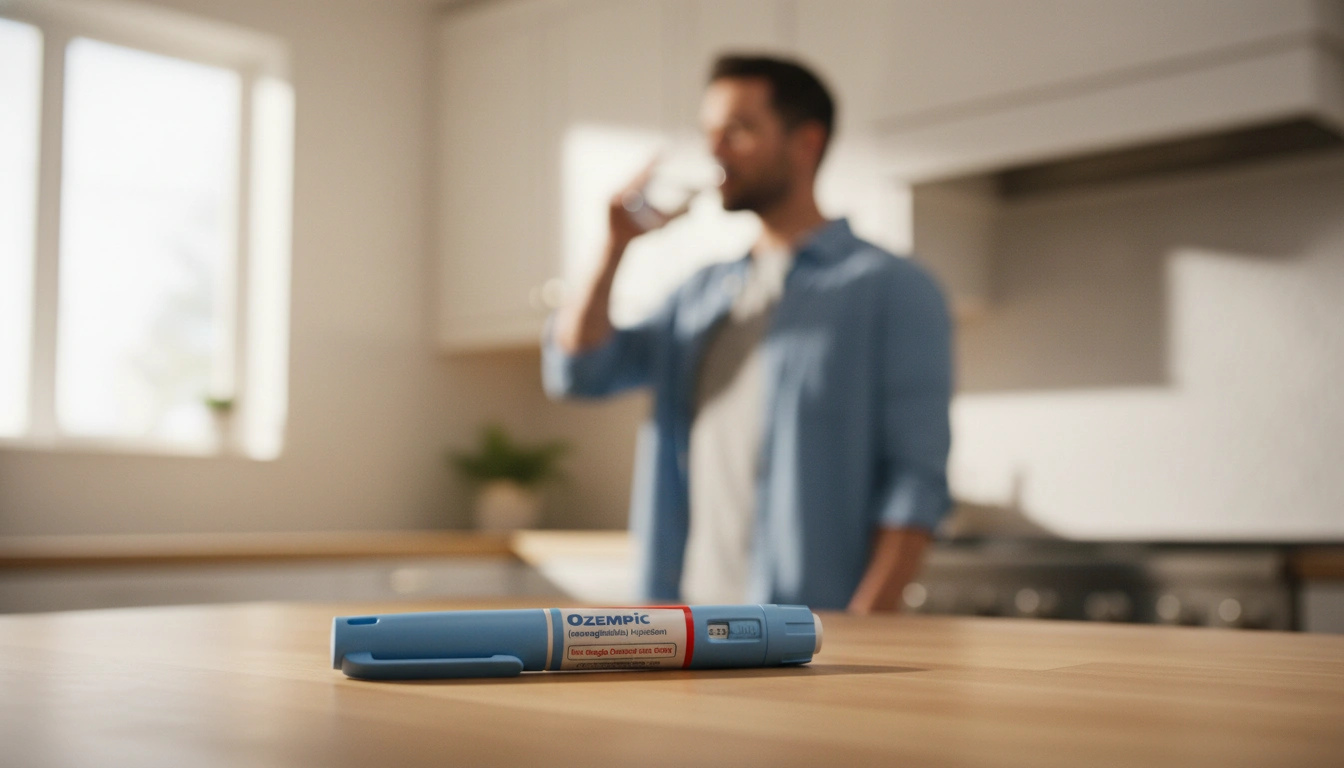
The journey toward weight loss and improved health is often filled with questions, especially when incorporating new tools and strategies. One common inquiry that arises for many individuals embracing a medically supervised weight loss path, particularly when considering medications like Ozempic, is how their dietary habits should evolve. It’s natural to wonder about the specifics: can you eat after taking Ozempic, and what kind of eating plan will best support your goals while minimizing potential discomfort? This question delves much deeper than simply when to eat; it touches upon the very synergy between advanced medical solutions and fundamental lifestyle choices.
At TrimRx, our journey began with a shared vision to help individuals embrace healthier lifestyles by merging cutting-edge telehealth innovations with effective weight loss solutions. We understand that sustainable weight loss should be achieved through science, empathy, and a transparent approach. Our commitment is to provide compassionate care that respects every individual’s unique journey, combining advanced medical science with modern technology. This article will serve as your trusted guide, offering comprehensive insights into how medications like Ozempic work, the crucial role diet plays in maximizing their benefits, and practical strategies for optimizing your nutrition and overall well-being throughout your weight loss journey.
We’ll explore the science behind these medications, delve into the types of foods that can enhance their efficacy and support your body, and discuss those that might be best limited to avoid discomfort. Furthermore, we’ll provide actionable advice on managing potential side effects through smart dietary choices and emphasize the importance of a personalized approach. By the end of this post, you’ll have a clearer understanding of how to align your eating habits with your weight loss goals, feeling empowered and supported every step of the way.
Understanding Medications That Reshape Your Approach to Eating
When you embark on a weight loss journey with a medically supervised program, especially one involving GLP-1 receptor agonists like Ozempic, understanding the science behind these medications is fundamental. They are not merely appetite suppressants; rather, they interact with your body’s natural physiological processes to help regulate appetite, blood sugar, and digestion. This deeper understanding provides a solid foundation for making informed dietary choices that complement the medication’s effects and support your overall health.
How GLP-1 Receptor Agonists Work
GLP-1 (Glucagon-Like Peptide-1) receptor agonists, such as semaglutide (the active ingredient in Ozempic and Wegovy®) and tirzepatide (found in Mounjaro® and Zepbound®), mimic the action of a natural hormone called GLP-1 that your body produces. This hormone plays several vital roles in metabolism and appetite regulation.
Regulating Blood Sugar Levels
One of the primary functions of GLP-1 is to stimulate the pancreas to release insulin in response to elevated blood sugar levels after a meal. This helps transport glucose from your bloodstream into your cells, where it can be used for energy. Additionally, GLP-1 agonists can suppress the release of glucagon, another hormone that raises blood sugar, and can also lessen the liver’s production of glucose. This combined action helps to stabilize blood sugar, which is a cornerstone of effective weight management and overall metabolic health.
Slowing Gastric Emptying
A key mechanism relevant to your diet is the slowing of gastric emptying. This means food moves more gradually from your stomach into your intestines. The practical result is that you feel fuller for a longer period after eating, reducing the urge to snack or overeat between meals. This extended satiety is a powerful ally in managing calorie intake, but it also means that the types of food you consume become even more important, as certain foods may linger longer and potentially cause discomfort.
Modulating Appetite and “Food Noise”
Beyond physical fullness, these medications also influence appetite centers in the brain. Many individuals report a significant reduction in what is often termed “food noise”—those intrusive thoughts and cravings about food that can make dietary adherence so challenging. By reducing these signals, GLP-1 agonists help you make more mindful and controlled food choices, supporting a sustainable calorie deficit. Research has shown that taking a GLP-1 or GIP/GLP-1 may reduce calorie intake by 16 to 39%, leading to weight loss. This comprehensive action means that while you can eat after taking Ozempic and similar medications, your body’s response to food will likely be different, making it easier to adopt healthier patterns.
At TrimRx, we embrace these scientific advancements, offering personalized programs that may include options like Compounded Semaglutide, Oral Semaglutide, Ozempic®, Compounded Tirzepatide, Oral Tirzepatide, Mounjaro®, Zepbound®, and Wegovy®. These prescription medications are provided through FDA-registered, inspected, and approved pharmacies, ensuring a commitment to safety and efficacy in your journey. To see if you qualify for one of these personalized treatment plans, we encourage you to take our free assessment quiz.
The Essential Role of Diet in Your Weight Loss Journey
While powerful, medications like Ozempic are most effective when integrated into a holistic approach that prioritizes healthy eating and regular physical activity. Our philosophy at TrimRx emphasizes that sustainable weight loss is not a quick fix but a journey of building lasting habits. The medication acts as a supportive tool, enhancing your body’s natural abilities to manage appetite and blood sugar, but the nutritional choices you make are the true drivers of long-term success.
Why Diet and Exercise are Essential Companions
Medications like semaglutide and tirzepatide are designed to supplement the effects of a healthy diet and regular exercise, not replace them. There is no evidence that the drug works when used on its own as a standalone treatment. Clinical trials often show efficacy when individuals combine the medication with a calorie-reduced diet (e.g., 500-600 calories less per day than burned) and consistent exercise.
By adopting a nutritious, reduced-calorie diet, you create the necessary caloric deficit for weight loss, while also providing your body with the essential nutrients it needs. Exercise further enhances insulin sensitivity, helps burn calories, and supports overall well-being. These habits also lay the groundwork for maintaining your weight loss even after you might transition off medication. Our comprehensive service at TrimRx includes doctor consultations, medication, lab work, unlimited support, and shipping with no hidden fees, all designed to guide you in establishing these foundational habits for lifelong health.
Optimizing Your Plate: Foods to Prioritize
When you are taking medications like Ozempic, your body’s signals about hunger and fullness are altered, offering a unique opportunity to reshape your relationship with food. This is the ideal time to focus on nutrient-dense foods that support satiety, maintain muscle mass, and manage potential side effects. There isn’t a single, rigid “Ozempic diet,” but rather a set of principles that emphasize balance, nutrition, and mindful eating.
Building Blocks of a Healthy Diet
To make the most of your medication and support your weight loss goals, focus on integrating specific food groups into your daily meals.
Prioritizing Lean Proteins
Protein is paramount when you’re on a weight loss journey, especially with GLP-1 agonists. It helps maintain crucial muscle mass, which is vital for metabolism and long-term health, as losing too much muscle can hinder sustained weight loss and even lead to weight regain. Protein also promotes prolonged satiety, naturally reducing your overall calorie intake. Aim for at least 60 grams of protein daily, with some recommendations encouraging 1.0 to 1.2 grams per kilogram of body weight.
Excellent sources include:
- Poultry: Skinless chicken and turkey breast.
- Fish and Seafood: Salmon, cod, tuna, shrimp, and other lean fish. Fatty fish like salmon and sardines also provide beneficial omega-3s.
- Lean Meats: Lean cuts of beef or pork in moderation.
- Plant-Based Proteins: Tofu, tempeh, edamame, lentils, beans, and chickpeas.
- Dairy/Eggs: Eggs, Greek yogurt, and kefir.
Filling Up on Fiber-Rich Foods
Fiber is another cornerstone of a healthy diet, particularly for individuals taking medications that slow digestion. It adds bulk to your meals, helping you feel fuller for longer, and plays a critical role in gut health and regulating blood sugar. Additionally, fiber is essential for preventing or alleviating constipation, a common side effect of GLP-1 agonists.
Incorporate a variety of fiber sources such as:
- Vegetables: Leafy greens (spinach, kale), broccoli, cauliflower, bell peppers, carrots, zucchini, asparagus. Aim for half of your plate to be non-starchy vegetables.
- Fruits: Berries, apples, pears, oranges, melons (fruits also provide natural sugars, vitamins, minerals, and antioxidants).
- Whole Grains: Brown rice, quinoa, oats, whole-grain bread and pasta, farro, bulgur. These complex carbohydrates offer sustained energy without sharp blood sugar spikes.
- Legumes: Beans, lentils, peas.
- Nuts and Seeds: Almonds, walnuts, pistachios, chia, flax, and hemp seeds offer a beneficial mix of fiber, protein, and healthy fats.
Incorporating Healthy Fats
While high-fat, greasy foods should be limited, healthy fats are crucial for overall health, satiety, and hormone production. Unsaturated fats, in particular, provide heart-healthy benefits and can help regulate blood sugar levels when consumed with carbohydrates.
Opt for sources like:
- Avocados: Rich in monounsaturated fats.
- Nuts and Seeds: Almonds, walnuts, chia, flax.
- Olive Oil: A staple of the Mediterranean diet.
- Fatty Fish: Salmon, mackerel, sardines.
Staying Adequately Hydrated
Hydration is always important but becomes especially critical when taking GLP-1 agonists. Adequate fluid intake can prevent dehydration, which can be exacerbated by side effects like vomiting or diarrhea. It also helps to prevent constipation.
Prioritize:
- Water: Plain water is best; sip throughout the day, especially if you experience nausea.
- Herbal Teas: Non-caffeinated options like ginger tea can be soothing.
- Infused Water: Add slices of fruit (lemon, cucumber) for flavor without added sugar.
- Water-Rich Foods: Incorporate fruits and vegetables with high water content, such as watermelon, oranges, strawberries, cucumbers, and lettuce.
The Mediterranean Diet Approach
Many healthcare professionals recommend an eating pattern similar to the Mediterranean diet for those taking GLP-1 medications. This approach is rich in fruits, vegetables, whole grains, legumes, nuts, and healthy fats, with moderate amounts of lean protein and dairy. This balanced and anti-inflammatory eating style aligns perfectly with the goals of a medically supervised weight loss program. Our supportive platform ensures that you have access to medically supervised care and personalized guidance to help you navigate these dietary changes effectively.
To begin building your own personalized weight loss program, we encourage you to take our free assessment quiz today.
Navigating Dietary Challenges: Foods to Limit or Avoid
While the focus should always be on what you can eat to nourish your body, understanding which foods might exacerbate side effects or hinder your progress is equally important when you can eat after taking Ozempic. Due to the slowed gastric emptying caused by GLP-1 medications, certain foods can remain in your stomach longer, leading to discomfort or working against your weight loss efforts.
Common Culprits for Discomfort and Reduced Efficacy
High-Fat and Greasy Foods
These are frequently cited as the top offenders for individuals on GLP-1 agonists. Foods high in fat, such as fried chicken, greasy burgers, pizza, French fries, high-fat red meats, and rich dairy products like cheese and butter, take significantly longer to digest. When gastric emptying is already slowed by medication, these foods can sit in the stomach for extended periods, leading to:
- Nausea and Vomiting: A common complaint as the stomach struggles to process heavy, fatty meals.
- Heartburn and Indigestion: Increased pressure on the stomach and slower movement can trigger these symptoms.
- Bloating and Gas: The prolonged presence of food can lead to fermentation and discomfort.
- Reduced Weight Loss: These foods are often calorie-dense and nutrient-poor, making it harder to maintain a calorie deficit.
Sugary Foods and Refined Carbohydrates
While Ozempic helps regulate blood sugar, an influx of high-glycemic index (GI) foods can still work against your goals. Refined carbohydrates (like white bread, pastries, sugary cereals) and foods with added sugars (soda, fruit juice, candy, cakes, cookies) cause rapid spikes in blood sugar. Your body then releases more insulin to manage this, and excess sugar, beyond immediate energy needs, can be stored as fat. This can counteract your weight loss efforts and potentially worsen blood sugar control. Opt instead for complex carbohydrates found in whole grains and natural sugars from fruits, which are digested slowly and provide sustained energy.
Ultra-Processed Foods
These foods—including many frozen dinners, fast foods, processed snacks (chips, pretzels), and condiments high in sugar and sodium—are often high in unhealthy fats, added sugars, and artificial ingredients while being low in beneficial nutrients. They offer little satiety and can contribute to inflammation and digestive upset, making them counterproductive to your health and weight loss journey.
Alcohol
Alcohol offers little to no nutritional value and contributes empty calories that can easily derail your calorie goals. Furthermore, it can dehydrate the body and may exacerbate gastrointestinal side effects like nausea or heartburn. Interestingly, some research suggests that semaglutide may be associated with reduced alcohol cravings, potentially making it easier to limit intake.
Large Portions
Even if you’re eating healthy foods, consuming large portions can lead to discomfort when on GLP-1 medications. The slowed gastric emptying means your stomach can feel uncomfortably full if overfilled. Smaller, more frequent meals can alleviate pressure on the stomach and help you feel satisfied without the unpleasant sensation of being overly stuffed or nauseous.
Spicy Foods and Caffeine
For some individuals, spicy foods and caffeinated beverages can worsen heartburn, a common side effect of GLP-1 agonists. It’s often helpful to observe how your body reacts to these and adjust your intake accordingly.
Our commitment at TrimRx is to offer transparent service and supportive care. While our programs provide a comprehensive service that includes doctor consultations and unlimited support, personal observation of your body’s reactions is key. We empower you with the knowledge to make informed decisions about your diet, always in consultation with your healthcare provider. For additional support, consider integrating our GLP-1 Daily Support or Weight Loss Boost into your routine for immediate support.
Managing Side Effects Through Strategic Dietary Choices
While medications like Ozempic are highly effective, they can come with common, typically mild to moderate gastrointestinal side effects as your body adjusts. These can include nausea, vomiting, diarrhea, constipation, and heartburn. The good news is that many of these side effects can be significantly managed or alleviated through thoughtful dietary strategies. Our brand personality is empathetic and supportive, and we want to ensure you feel equipped to handle these adjustments comfortably.
Dietary Adjustments for Common Side Effects
Nausea and Vomiting
Nausea is one of the most frequently reported side effects. To help mitigate it:
- Bland Foods: Opt for foods that are easy on the stomach, such as toast, crackers, plain rice, applesauce, bananas, or clear broths. These foods have a soft texture, are low in fiber, and are not spicy or overly rich.
- Smaller, More Frequent Meals: Instead of three large meals, try eating five or six smaller meals throughout the day. This keeps your stomach from becoming overly full and reduces the pressure on your digestive system.
- Slow Eating: Eating slowly and chewing your food thoroughly can aid digestion and give your brain time to register fullness, preventing overeating which can trigger nausea.
- Ginger: Foods or beverages containing ginger, such as ginger tea or ginger chews, are known to help relieve nausea and stomach pain for some individuals.
- Avoid Triggers: As discussed, high-fat, greasy, very sweet, or spicy foods can worsen nausea. Pay attention to what specific foods seem to trigger your symptoms and try to limit or avoid them.
- Cold Beverages: Sipping cold, clear, sugar-free fluids (like water or iced ginger tea) can sometimes be more tolerable than warm drinks.
Constipation
Constipation is another common challenge due to slowed digestion.
- Increase Fiber Gradually: While fiber is crucial, increasing it too quickly can sometimes worsen constipation or lead to bloating. Gradually incorporate more fiber-rich fruits, vegetables, whole grains, and legumes into your diet.
- Hydration is Key: Drink plenty of water throughout the day. Dehydration is a major contributor to constipation. Herbal teas and infused water also count towards your fluid intake.
- Probiotic-Rich Foods: Foods like kefir, yogurt, kimchi, and sauerkraut may support a healthy gut microbiome, which can aid in digestion and regularity.
- Cooked Vegetables: If raw, fibrous vegetables cause discomfort, try cooking them to make them easier to digest.
Diarrhea
While less common than constipation, diarrhea can occur.
- Lower Fiber Foods (Temporarily): If experiencing diarrhea, temporarily reduce your intake of very high-fiber foods and opt for more binding, lower-fiber options like white rice, white toast, and bananas until symptoms subside.
- Hydration: Replenish fluids and electrolytes lost through diarrhea by drinking water, clear broths, and electrolyte solutions.
- Bland Diet: Stick to bland, easily digestible foods.
Heartburn
Heartburn can be exacerbated by the slowed gastric emptying and certain foods.
- Avoid Trigger Foods: Limit high-fat, greasy foods, spicy foods, acidic foods (like citrus and tomatoes for some), chocolate, peppermint, and caffeine.
- Smaller Meals: Eating smaller meals can reduce pressure on the lower esophageal sphincter, preventing acid reflux.
- Don’t Lie Down After Eating: Try to remain upright for at least 2-3 hours after meals to allow gravity to assist digestion and prevent acid reflux.
- Elevate Your Head While Sleeping: If nighttime heartburn is an issue, raising the head of your bed can help.
The Power of Listening to Your Body
It’s crucial to remember that everyone’s body reacts differently. There’s no universal “Ozempic diet” that fits all. Keeping a food diary can be incredibly helpful in identifying which foods alleviate or worsen your symptoms. This personalized approach aligns with TrimRx’s core values—we believe in compassionate care that respects every individual’s unique journey. We provide a supportive space where individuals receive personalized, medically supervised care, ensuring your journey is tailored to you.
Beyond dietary modifications, incorporating light physical activity, such as a 10-minute walk after meals, can also aid digestion and alleviate some GI symptoms. Always ensure you take your medication as directed by your healthcare provider. If side effects become severe or unmanageable, it’s important to reach out to your TrimRx healthcare provider, who can offer guidance or adjust your treatment plan.
We are dedicated to your success and offer comprehensive support throughout your program. To discover how our personalized plans can help you navigate these changes, take our free assessment quiz today. Additionally, our GLP-1 Daily Support and Weight Loss Boost supplements are available to provide immediate assistance for your overall wellness during this transformative period.
Embracing Long-Term Habits and Personalized Care with TrimRx
The journey of weight loss with medications like Ozempic is a profound opportunity to cultivate sustainable, healthy habits that will serve you long after your initial treatment phase. At TrimRx, we stand by our belief that true, lasting change comes from a personalized, empathetic, and science-driven approach. Our goal is not just to help you lose weight, but to empower you with the knowledge and tools to maintain a healthier lifestyle for years to come.
The Foundation of Sustainable Success
Working towards your health goals is not a race; it’s a marathon that requires patience, consistency, and a commitment to building lasting habits around your diet and overall lifestyle. These habits become your ultimate prize, enabling you to sustain your achievements and embrace a healthier self.
Personalized Guidance for Your Unique Journey
There’s no one-size-fits-all solution for weight loss or for optimizing your diet while on medications like Ozempic. What works best for one individual might differ for another, based on their unique metabolism, lifestyle, preferences, and how their body responds to medication. This is precisely why a personalized approach is central to TrimRx’s philosophy. Our platform provides a user-friendly and supportive space where individuals receive personalized, medically supervised care, all designed to make sustainable weight loss attainable and tailored to the individual.
Our programs are designed to offer comprehensive support, moving beyond just medication. When you enroll with TrimRx for prescription medications such as Compounded Semaglutide, Oral Semaglutide, Ozempic®, Compounded Tirzepatide, Oral Tirzepatide, Mounjaro®, Zepbound®, and Wegovy®, our comprehensive service includes doctor consultations, necessary lab work, unlimited support, and convenient shipping. We partner with FDA-registered and inspected pharmacies for the shipping of weight loss medications, ensuring your safety and peace of mind. Our approach remains consistent regardless of dosage changes, emphasizing our commitment to transparent service and patient well-being.
Empowering Your Choices
We want you to feel empowered in your journey. Understanding that you can eat after taking Ozempic and similar medications, and knowing what to eat to support your body, is a powerful step. By focusing on lean proteins, fiber-rich foods, healthy fats, and adequate hydration, and by limiting ultra-processed items, sugary drinks, and excessive fats, you are actively working in synergy with your medication.
Remember, if you ever feel overwhelmed or unsure about your dietary choices, our team is here to provide the compassionate care and support you need. We are results-oriented, but equally focused on your overall well-being and the creation of healthy, sustainable habits.
Start Your Personalized Journey Today
The first step in making a significant change can often feel like the hardest. But with TrimRx, you don’t have to navigate this path alone. Our innovative and trustworthy platform is designed to make your weight loss journey as smooth, effective, and sustainable as possible. We’ll be with you every step of the way, cheering you on and sharing in your successes.
To discover if our personalized prescription weight loss programs are right for you and to receive a tailored treatment plan, we encourage you to take our free assessment quiz. It’s a quick and simple way to begin your transformation.
For immediate support on your wellness journey, explore our quick-access supplements, designed to complement your efforts:
- Enhance your metabolic support with GLP-1 Daily Support.
- Boost your weight loss efforts with Weight Loss Boost.
Together, we can achieve your health goals and help you embrace a healthier, more vibrant life. Your journey to sustainable weight loss begins here, supported by science, empathy, and a partner you can trust.
Conclusion
Navigating your diet while taking medications like Ozempic is a transformative aspect of your weight loss journey, requiring both an understanding of how these powerful tools work and a commitment to nourishing your body wisely. We’ve explored how GLP-1 receptor agonists, such as semaglutide and tirzepatide, profoundly impact your appetite and digestion, creating a unique opportunity to reshape your eating habits. The key takeaway is clear: while you can eat after taking Ozempic, mindful and strategic food choices are paramount to maximizing the medication’s efficacy, managing potential side effects, and fostering sustainable results.
By prioritizing lean proteins, fiber-rich foods, and healthy fats, while thoughtfully limiting high-fat, sugary, and ultra-processed items, you create a harmonious environment for weight loss and improved metabolic health. Furthermore, proactive dietary adjustments, such as consuming smaller, more frequent meals, staying hydrated, and listening closely to your body’s signals, are invaluable for mitigating common gastrointestinal discomforts.
At TrimRx, our entire platform is built on the belief that sustainable weight loss should be achieved through science, empathy, and a transparent approach. We provide a user-friendly and supportive space where personalized, medically supervised care is not just a promise, but a reality. Our comprehensive programs offer the full spectrum of support—from expert doctor consultations and lab work to medically approved medications and unlimited guidance—all delivered with utmost transparency and a focus on safety through FDA-registered and inspected pharmacies.
Your weight loss journey is deeply personal, and we are here to support every step of it. By blending advanced medical science with modern technology and a compassionate approach, we aim to make your path to a healthier lifestyle both attainable and enduring.
Ready to embark on a personalized weight loss journey designed specifically for you? Take our free assessment quiz today to see if you qualify for our prescription programs. For immediate support and to complement your health regimen, explore our GLP-1 Daily Support and Weight Loss Boost supplements. Together, let’s build a foundation for lasting health and well-being.
Frequently Asked Questions
FAQ 1: Is there a specific “Ozempic diet” I must follow?
No, there isn’t a single, universally mandated “Ozempic diet.” Instead, it’s recommended to follow a healthy, balanced diet rich in lean proteins, fiber-filled fruits and vegetables, whole grains, and healthy fats. The medication works best when paired with a calorie-reduced and nutritionally sound eating plan. The most effective approach is a personalized one, taking into account your body’s unique responses and any side effects you might experience. Our TrimRx programs emphasize creating a tailored plan with medically supervised guidance.
FAQ 2: How quickly should I expect to see changes in my appetite or weight?
Many individuals report a noticeable change in appetite and satiety within the first few weeks of starting medications like Ozempic, often as the dosage is gradually increased. Weight loss is a gradual process, and while initial results can be encouraging, significant and sustainable weight loss typically unfolds over several months. Clinical studies often show an average of 6% body weight loss within 12 weeks when combined with diet and exercise. Consistency with your medication and dietary changes is key to achieving and maintaining results.
FAQ 3: Can I still enjoy my favorite foods occasionally while taking Ozempic?
Yes, moderation is key. Strict elimination of all “unhealthy” foods can be unsustainable and lead to unhealthy attitudes around eating. Medications like Ozempic help reduce cravings and appetite, making it easier to enjoy smaller portions of less-nutritious foods without overindulging. The goal is to build sustainable habits, which often includes occasionally enjoying your favorite foods in controlled amounts. Pay attention to how certain foods make you feel, especially those high in fat or sugar, as they might trigger discomfort due to slowed digestion.
FAQ 4: What should I do if I experience severe or persistent side effects from certain foods?
If you experience severe or persistent side effects such as intense nausea, vomiting, or abdominal pain after eating certain foods, it’s crucial to consult your healthcare provider. Your TrimRx medical team is available for unlimited support to discuss your symptoms and help you adjust your dietary approach or medication plan if necessary. They can offer personalized advice to ensure your comfort and continued progress on your weight loss journey.

Transforming Lives, One Step at a Time
Keep reading

Ozempic and Colorectal Cancer: What the New Research Shows
Colorectal cancer is the third most commonly diagnosed cancer in the United States and one of the cancers most strongly linked to obesity, metabolic…

Does Ozempic Reduce Cancer Risk: What the Research Shows
The connection between obesity and cancer has been established for decades. What’s newer, and genuinely interesting, is emerging evidence that GLP-1 medications like Ozempic…

When to Stop Ozempic Before Surgery: Aspiration Risk Explained
If you’re scheduled for surgery and you’re currently taking Ozempic or another GLP-1 medication, there’s a specific conversation you need to have with your…


