Eating After Your Ozempic® Shot: Optimizing Your Diet for Success with TrimRx
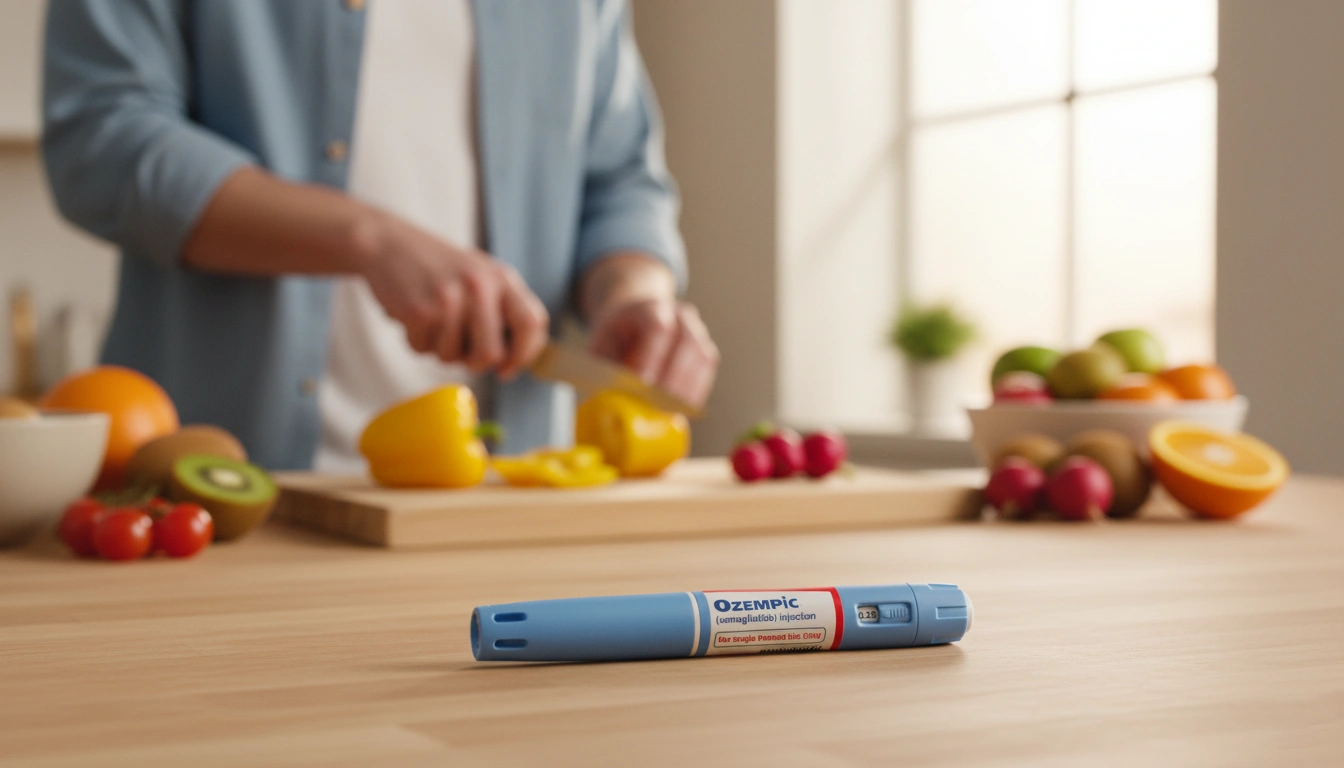
Embarking on a new weight loss journey with a medication like Ozempic® can bring a mix of excitement and questions. Many individuals stepping onto this path find themselves wondering about the nuances of their daily routines, especially regarding dietary choices. The question, “can I eat after Ozempic® shot,” isn’t just about hunger; it’s about optimizing your experience, managing potential side effects, and ensuring your efforts lead to sustainable, healthy outcomes.
At TrimRx, we understand that effective weight loss is a holistic endeavor, integrating advanced medical science with personalized lifestyle adjustments. Our journey began with a shared vision to help individuals embrace healthier lifestyles by merging cutting-edge telehealth innovations with effective weight loss solutions. We believe that sustainable weight loss should be achieved through science, empathy, and a transparent approach, providing a user-friendly and supportive space where individuals receive personalized, medically supervised care—all designed to make sustainable weight loss attainable and tailored to the individual.
This post will demystify the relationship between your diet and medication like Ozempic®, providing a comprehensive guide to what, when, and how to eat to complement your treatment. We will delve into how these medications work, explore recommended food choices, identify foods to approach with caution, and offer strategies for managing common side effects through diet. By the end, you will have a clearer understanding of how to align your eating habits with your weight loss goals, supported by the insights and personalized care that TrimRx provides. Let’s explore how strategic dietary choices can enhance your journey toward a healthier, more vibrant you.
Understanding How Ozempic® Works and Its Dietary Implications
To truly understand how to optimize your diet after an Ozempic® shot, it’s essential to grasp the medication’s fundamental mechanism of action. Ozempic®, with its active ingredient semaglutide, belongs to a class of medications known as GLP-1 (glucagon-like peptide-1) receptor agonists. These medications work in harmony with your body’s natural systems to influence appetite, satiety, and blood sugar regulation, laying the groundwork for effective weight management.
The Science Behind Satiety and Slowed Digestion
Semaglutide mimics the effects of a natural hormone called GLP-1, which is typically released in your gut after you eat. When you take Ozempic®, this mimicry triggers several profound physiological changes:
- Enhanced Satiety: GLP-1 signals to your brain that you are full, significantly reducing your appetite and curbing cravings. This means you naturally feel satisfied with smaller portions, leading to a reduced caloric intake without feeling deprived.
- Regulated Blood Sugar: The medication stimulates the release of insulin in response to food, helping your body convert the nutrients you consume into energy more efficiently. This also helps to stabilize blood glucose levels, preventing the rapid spikes and crashes that can trigger hunger and lead to fat storage.
- Slowed Gastric Emptying: One of the most impactful effects for dietary considerations is the slowing of food movement from your stomach to your intestines. This means food remains in your stomach for a longer period, prolonging the feeling of fullness. While beneficial for appetite control, this effect is also why certain foods can lead to discomfort if not chosen wisely.
The collective impact of these mechanisms is a powerful aid in weight loss. It’s not just about eating less; it’s about eating more mindfully and letting your body signal when it has had enough, often resulting in a significant reduction in overall food consumption.
The Symbiotic Relationship with Diet
It’s critical to understand that medications like Ozempic® are powerful tools designed to supplement a healthy lifestyle, not replace it. The clinical evidence overwhelmingly shows that semaglutide drugs achieve their best results when paired with beneficial changes in diet and regular physical activity. There is no evidence that the drug works effectively as a standalone treatment without these foundational lifestyle shifts.
Therefore, the question “can I eat after Ozempic® shot” isn’t a simple yes or no; it’s an invitation to cultivate a more thoughtful and strategic approach to your nutrition. The feelings of increased fullness and reduced appetite provide an unprecedented opportunity to redefine your relationship with food, making choices that nourish your body, support the medication’s effects, and establish sustainable habits for long-term well-being. At TrimRx, we emphasize this synergistic approach, guiding you through dietary adjustments that maximize the benefits of your medication and foster lasting health. Our commitment is to offer comprehensive service that includes doctor consultations, medication, lab work, unlimited support, and shipping with no hidden fees, ensuring you have the resources needed every step of the way. If you’re ready to explore how a personalized plan can support your goals, we encourage you to take our free assessment quiz to see if you qualify for our prescription weight loss medications.
The Goal: Sustainable Weight Loss and Health
The ultimate aim of combining medication with dietary changes extends far beyond just the number on the scale. It’s about achieving sustainable weight loss that translates into improved overall health, increased energy, and a better quality of life. This includes managing conditions often associated with weight, such as type 2 diabetes, high blood pressure, and high cholesterol. By adopting a nutritious, reduced-calorie diet, as recommended by healthcare professionals (often a 500-600 calorie deficit per day, combined with regular exercise), you not only enhance the medication’s effectiveness but also build resilient habits that will serve you well long after your treatment concludes.
This journey is about building lasting habits and a healthier lifestyle, and we are dedicated to being your partner in achieving those goals through our empathetic, innovative, trustworthy, supportive, and results-oriented approach.
Eating for Success: Foods to Embrace After Your Ozempic® Shot
With Ozempic® working to reduce your appetite and slow digestion, the types of foods you choose become even more critical. The goal is to select nutrient-dense options that provide sustained energy, support your body’s functions, and minimize the potential for uncomfortable side effects. While there are no strict “off-limits” foods, a focus on a balanced, wholesome diet will yield the best results.
Prioritizing Lean Proteins
Protein is paramount when you’re aiming for weight loss, especially with medications like Ozempic®. It helps you feel fuller for longer, supports muscle preservation (which is crucial during weight loss to maintain a healthy metabolism), and is less likely to cause digestive distress compared to high-fat foods. We generally recommend aiming for 1.2–1.5 grams of protein per kilogram of body weight, although this can be adjusted based on individual needs and conditions.
Excellent choices include:
- Skinless Poultry: Chicken breast, turkey.
- Fish: Salmon, cod, tuna (canned in water), tilapia. These also provide beneficial omega-3 fatty acids.
- Lean Cuts of Meat: Lean beef, pork tenderloin (in moderation).
- Plant-Based Proteins: Tofu, tempeh, lentils, beans, chickpeas, quinoa, edamame.
- Eggs: A versatile protein source, but monitor how your body tolerates them, especially if cooked with excess fats.
- Low-Fat Dairy: Greek yogurt, cottage cheese, skim milk. These are often lower in calories and still packed with nutrients.
Try to include a source of lean protein with every meal and snack to ensure adequate intake and sustained satiety.
The Power of Non-Starchy Vegetables
Non-starchy vegetables are your allies in a weight loss journey. They are rich in fiber, vitamins, and minerals, yet low in calories and carbohydrates. Their high water content also contributes to hydration and aids digestion, making them gentle on a digestive system that’s working more slowly.
Incorporate a variety of:
- Leafy Greens: Spinach, kale, lettuce, Swiss chard.
- Cruciferous Vegetables: Broccoli, cauliflower, Brussels sprouts (cooked well to reduce gas).
- Other Nutrient-Dense Options: Asparagus, bell peppers, zucchini, cucumber, mushrooms, green beans, carrots, artichokes.
These vegetables can be enjoyed in generous portions, adding volume and essential nutrients to your meals without excess calories.
Smart Carbohydrates and Whole Grains
While some carbohydrates can spike blood sugar, smart choices provide sustained energy and vital fiber. Focus on low glycemic index (GI) carbohydrates that are digested slowly, preventing rapid blood sugar fluctuations that can counteract the effects of your medication.
Opt for:
- Whole Grains: Brown rice, quinoa, oats (especially overnight oats or steel-cut), whole-wheat bread and pasta (in moderation).
- Legumes: (As mentioned under proteins) Beans, lentils.
- Fruits: Berries, apples, pears, peaches, oranges, melons. These provide natural sugars along with fiber, vitamins, and antioxidants. Limit dried fruits or canned fruits in syrup, which can be concentrated in sugar. Unripe bananas may also be a good option.
These choices support blood sugar stability, keep you feeling full, and contribute to overall digestive health.
Healthy Fats in Moderation
Healthy fats are essential for nutrient absorption, hormone production, and contributing to satiety, but they should be consumed in moderation due to their high caloric density. When Ozempic® slows gastric emptying, excessive fat intake can exacerbate feelings of fullness and potentially lead to nausea or discomfort.
Good sources include:
- Avocado: Rich in monounsaturated fats.
- Nuts and Seeds: Almonds, walnuts, chia seeds, flax seeds, pumpkin seeds. These are excellent for snacking but be mindful of portion sizes. Peanut butter in small amounts can be beneficial.
- Olive Oil: For cooking and dressing salads.
Remember, even healthy fats should be enjoyed in controlled portions to support your weight loss goals effectively.
Hydration is Key
Maintaining adequate hydration is always important for health, but it becomes especially crucial when taking Ozempic®. Side effects like vomiting or diarrhea can lead to dehydration, and proper fluid intake can also help manage constipation and general well-being.
Focus on:
- Water: The best choice, drink throughout the day.
- Clear Broths: Soothing and hydrating, especially if experiencing nausea.
- Herbal Teas: Unsweetened.
- Infused Water: With cucumber, mint, or fruit slices for variety.
Avoid sugary drinks, excessive caffeine, and alcohol, as these can interfere with hydration and exacerbate side effects.
Integrating these food groups into your daily diet provides a strong foundation for success with Ozempic®. Our approach at TrimRx emphasizes making these changes manageable and enjoyable. If you’re looking to enhance your weight loss journey with additional support, consider our GLP-1 Daily Support or Weight Loss Boost supplements, designed to complement your efforts.
Foods to Approach with Caution and Why
While the primary message is to focus on nutrient-rich foods, understanding which types of foods might hinder your progress or worsen potential side effects is equally important. This isn’t about rigid restrictions, but rather about informed choices that align with how Ozempic® influences your digestion and metabolism.
High-Fat, Greasy, and Fried Foods
Due to the slowed gastric emptying caused by Ozempic®, foods that are already difficult to digest can become particularly problematic. High-fat, greasy, and fried foods fall squarely into this category. They take a longer time to process, leading to a prolonged feeling of fullness that can quickly turn into uncomfortable bloating, nausea, stomach pain, or even vomiting.
Examples to limit or avoid include:
- Fast Foods: Burgers, pizza, fried chicken, French fries.
- Rich Sauces: Cream-based sauces, gravies.
- Processed Snacks: Potato chips, crisps, many packaged desserts.
- Fatty Cuts of Meat: High-fat bacon, sausages, or very marbled steaks.
These foods are not only high in calories (which can work against weight loss) but can also significantly intensify gastrointestinal side effects, making your journey less comfortable.
Sugary Foods and Refined Carbohydrates
Ozempic® helps regulate blood sugar, but consuming foods that rapidly elevate blood glucose levels can challenge this regulatory effect. Sugary foods and refined carbohydrates are quickly broken down into glucose, causing swift spikes in blood sugar. This can counteract the medication’s benefits and potentially lead to further insulin release, signaling the body to store excess sugar as fat, hindering weight loss efforts.
Be mindful of:
- Sugary Beverages: Regular soda, fruit juices with added sugar, sweetened coffee drinks, energy drinks.
- Baked Goods and Desserts: Cakes, cookies, pastries, candy, ice cream.
- Refined Grains: White bread, white pasta, bagels, many breakfast cereals.
- Jams and Jellies: Often high in added sugars.
Opting for natural sugars found in whole fruits and focusing on whole grains can help maintain stable blood sugar levels and support your weight loss goals more effectively.
Large Portions
One of the key benefits of Ozempic® is its ability to make you feel satisfied with smaller amounts of food. Overeating, even healthy foods, can put undue stress on your digestive system, which is already working at a slower pace. Consuming large portions can lead to feelings of being uncomfortably full, bloated, gassy, or nauseated.
Strategy:
- Start Small: Serve yourself half of what you typically would.
- Eat Slowly: Savor your food, chew thoroughly, and allow your body time to register satiety.
- Listen to Your Body: Wait 15-20 minutes after your initial serving to assess if you are truly still hungry before considering more.
Mindful eating and smaller, more frequent meals can significantly alleviate discomfort and enhance your body’s response to the medication.
Spicy and Acidic Foods
For some individuals, spicy and highly acidic foods can irritate the stomach lining, potentially exacerbating symptoms like heartburn, indigestion, or nausea, especially when gastric emptying is slowed.
Consider limiting:
- Very Spicy Dishes: Those with high amounts of chili, cayenne, or other hot spices.
- High-Acid Foods: Tomatoes, citrus fruits, vinegar-based sauces.
Individual tolerance varies greatly. If these foods cause issues for you, it’s wise to reduce their consumption, at least initially, as your body adjusts to the medication.
Alcohol and Caffeinated Beverages
Both alcohol and excessive caffeine can irritate the stomach, lead to dehydration, and interfere with blood sugar regulation. Alcohol, in particular, can further slow digestion and may interact with the medication, while caffeine can exacerbate gastrointestinal side effects like nausea or diarrhea for some individuals.
Recommendations:
- Limit Alcohol: If you choose to drink, do so in very small moderation and observe its effects.
- Moderate Caffeine: If you typically consume coffee, be aware that it might worsen GI symptoms. If you experience discomfort, consider cutting back or switching to decaffeinated options.
Remember, everyone’s body reacts differently. The best approach is to keep a food log and pay close attention to how various foods affect you while on Ozempic®. This trial-and-error process, guided by your healthcare provider, will help you discover what works best for your unique system. TrimRx is committed to transparent service, and our approach remains consistent regardless of dosage changes, ensuring you always have clear guidance. We work exclusively with FDA-registered and inspected pharmacies for the shipping of weight loss medications, prioritizing your safety. If you’re looking for personalized guidance tailored to your specific needs, we invite you to take our free assessment quiz to explore your options.
Managing Side Effects Through Strategic Eating
While medications like Ozempic® are highly effective for weight loss, some individuals may experience gastrointestinal side effects. These are typically mild to moderate and often resolve on their own, but strategic dietary choices can significantly alleviate discomfort and help you stay on track with your goals.
Nausea
Nausea is one of the most common side effects reported with GLP-1 medications. Managing it through diet involves favoring foods that are gentle on your stomach.
- Bland, Low-Fat Foods: Opt for easily digestible options such as crackers, toast, rice, plain pasta, and boiled potatoes. These are less likely to upset your stomach.
- Small, Frequent Meals: Instead of three large meals, try eating smaller portions more frequently throughout the day. This reduces the burden on your digestive system and can prevent feelings of overwhelming fullness.
- Hydration with Care: Sip on clear fluids like water, unsweetened herbal tea, or clear broth. Avoid very cold or hot drinks, as well as highly acidic or carbonated beverages.
- Ginger: Foods or drinks containing ginger (like ginger tea or ginger chews) are traditionally known to help soothe nausea.
- Avoid Strong Odors: Cooking certain foods can produce strong odors that exacerbate nausea. Try to have well-ventilated cooking areas or opt for pre-prepared, bland options if strong smells are a trigger.
Diarrhea
If you experience diarrhea, the focus shifts to binding foods and maintaining hydration to prevent fluid and electrolyte imbalances.
- Lower-Fiber Foods (Temporarily): While fiber is generally good, temporarily reducing intake of very high-fiber foods might help solidify stools. Examples include white bread, white rice, and well-cooked vegetables without skins.
- Adequate Fluid Intake: Replace lost fluids with water, clear broths, and electrolyte-rich drinks if recommended by your healthcare provider.
- Avoid Trigger Foods: Steer clear of greasy, spicy, high-fat, and very sugary foods, which can worsen diarrhea.
Once diarrhea subsides, gradually reintroduce fiber-rich foods to support long-term gut health.
Constipation
Paradoxically, some individuals experience constipation due to the slowed digestion. Addressing this involves increasing fluid and fiber, along with promoting gut motility.
- Increase Fluid Intake: This is paramount. Ensure you’re drinking plenty of water throughout the day.
- Fiber-Rich Foods: Gradually increase your intake of fruits, vegetables, and whole grains. Prunes or prune juice can also be helpful.
- Prebiotic Fibers and Resistant Starches: These foods nourish beneficial gut bacteria and can improve digestive function. Examples include lentils, beans, cooked and cooled whole grains (like oats or potatoes), and slightly unripe bananas. These also help naturally stimulate GLP-1 production, aiding long-term gut health.
- Physical Activity: Regular, gentle movement, even a short walk after meals, can stimulate bowel movements.
Heartburn/Acid Reflux
The slowed gastric emptying can sometimes lead to food sitting in the stomach longer, potentially causing heartburn or acid reflux.
- Avoid Trigger Foods: Foods high in fat, spicy foods, acidic foods (like tomatoes and citrus), garlic, onions, and mint can worsen symptoms.
- Eat Smaller Meals: Reduce the volume of food in your stomach at any one time.
- Don’t Lie Down After Eating: Remain upright for at least 2-3 hours after meals to allow gravity to aid digestion.
- Elevate Your Head While Sleeping: If nighttime reflux is an issue, raising the head of your bed can help.
Managing side effects is an integral part of your weight loss journey, and you don’t have to navigate it alone. Our compassionate care respects every individual’s unique journey, combining advanced medical science with modern technology. At TrimRx, we offer unlimited support as part of our comprehensive service, ensuring you have access to guidance and resources whenever you need them. We are here to help you identify dietary strategies that work best for you. If you are exploring options for comprehensive support during your weight loss journey, consider taking our free assessment quiz to see if you qualify for our personalized prescription programs.
Beyond the Plate: Lifestyle Habits for Enhanced Results
While focusing on what you eat is crucial, a truly successful and sustainable weight loss journey encompasses broader lifestyle habits that work in tandem with your medication and dietary choices. These habits not only enhance the effectiveness of Ozempic® but also contribute significantly to your overall well-being and long-term health.
Mindful Eating
The reduced appetite and increased satiety provided by Ozempic® create an ideal environment for cultivating mindful eating practices. This involves paying attention to your body’s hunger and fullness cues, eating slowly, and savoring your food.
- Slow Down: Chew your food thoroughly and put your fork down between bites. This gives your brain time to register fullness, which can take around 20 minutes.
- Listen to Your Body: Distinguish between true hunger and emotional or habitual eating. Stop eating when you feel comfortably satisfied, not uncomfortably full.
- Eliminate Distractions: Eat without the distraction of screens, books, or work to truly focus on your meal.
Mindful eating can transform your relationship with food, making it a more conscious and enjoyable experience.
Regular Physical Activity
Exercise is a non-negotiable component of a holistic weight loss strategy. While diet addresses calorie intake, physical activity burns calories, improves metabolism, and, critically, helps preserve lean muscle mass during weight loss. Losing muscle mass can slow your metabolism, making weight maintenance harder in the long run.
- Incorporate Strength Training: Activities like lifting weights, resistance bands, or bodyweight exercises (squats, lunges, push-ups) are vital for building and maintaining muscle.
- Cardiovascular Exercise: Aim for at least 150 minutes of moderate-intensity aerobic activity per week, such as brisk walking, jogging, cycling, or swimming.
- Movement Throughout the Day: Even short walks, especially after meals, can aid digestion and blood sugar control.
Remember, physical activity doesn’t have to be strenuous from day one; consistency is key.
Adequate Hydration
We’ve touched on this already, but it bears repeating: consistent and adequate hydration is fundamental. Water supports every bodily function, aids digestion, helps with nutrient transport, and can even help manage hunger pangs that might be mistaken for thirst.
- Carry a Water Bottle: Keep water accessible throughout the day.
- Set Reminders: Use apps or alarms to prompt regular sips.
- Infuse for Flavor: If plain water is unappealing, add slices of fruit, cucumber, or herbs.
Sufficient Sleep
The quality and quantity of your sleep profoundly impact your weight and overall health. Poor sleep can disrupt hormones that regulate appetite (ghrelin and leptin), leading to increased hunger and cravings for unhealthy foods. It also affects energy levels, making it harder to stay active.
- Aim for 7-9 Hours: Prioritize consistent sleep duration.
- Establish a Routine: Go to bed and wake up at similar times, even on weekends.
- Create a Relaxing Environment: Optimize your bedroom for sleep by keeping it dark, quiet, and cool.
Stress Management
Chronic stress can sabotage weight loss efforts by influencing hormone levels (like cortisol) that promote fat storage and increase cravings for comfort foods. Finding healthy ways to manage stress is crucial.
- Mindfulness and Meditation: Practice techniques to calm your mind.
- Hobbies and Relaxation: Engage in activities you enjoy to unwind.
- Social Connection: Spend time with supportive friends and family.
The TrimRx Difference: A Personalized Journey
At TrimRx, we understand that every individual’s journey is unique. Our platform provides a user-friendly and supportive space where individuals receive personalized, medically supervised care, all designed to make sustainable weight loss attainable and tailored to the individual. Our brand is empathetic, innovative, trustworthy, supportive, results-oriented, and personalized. We offer compassionate care that respects every individual’s unique path by combining advanced medical science with modern technology.
Our comprehensive service includes doctor consultations, any necessary lab work, your prescribed medication, unlimited support, and convenient shipping—all with no hidden fees. We work exclusively with FDA-registered and inspected pharmacies for the shipping of weight loss medications, ensuring the highest standards of safety and quality. For branded medications like Ozemp®, Zepbound®, Wegovy® or Mounjaro® you may rest assured about their FDA approval. For compounded medications, while the compounds themselves are not FDA-approved, the pharmacies that provide them are FDA-registered and inspected, adhering to rigorous safety standards.
To begin your personalized weight loss program, we invite you to take our free assessment quiz to see if you qualify for our prescription weight loss medications. This quiz helps us understand your health profile and recommend a tailored plan that could include Compounded Semaglutide, Oral Semaglutide, Ozempic®, Compounded Tirzepatide, Oral Tirzepatide, Mounjaro®, Zepbound®, or Wegovy®.
For those looking for immediate support to complement their weight loss journey, our GLP-1 Daily Support and Weight Loss Boost quick-access supplements are available for purchase without requiring a quiz. These products are designed to support overall wellness and enhance your efforts as you pursue your health goals.
Conclusion
Navigating your dietary choices after an Ozempic® shot is a journey of discovery and adjustment, one that holds the key to maximizing your weight loss results and fostering long-term health. We’ve explored how medications like Ozempic® work by enhancing satiety and slowing digestion, underscoring the vital role that thoughtful eating plays in this process. By prioritizing lean proteins, non-starchy vegetables, smart carbohydrates, healthy fats, and consistent hydration, you can create a diet that not only supports weight loss but also minimizes potential side effects. Approaching high-fat, sugary, large portions, and irritating foods with caution can further enhance your comfort and progress.
Beyond specific food choices, integrating mindful eating, regular physical activity, adequate sleep, and stress management into your daily life creates a powerful synergy, propelling you towards comprehensive well-being. This holistic approach ensures that your weight loss is not just temporary, but a sustainable transformation of your lifestyle.
At TrimRx, our commitment is to provide you with the tools, support, and personalized care necessary to succeed. We believe in empowering you with knowledge and tailored plans, making your journey safe, effective, and uniquely yours. Your path to a healthier, more vibrant life is a partnership, and we are here to support you every step of the way.
Ready to embark on a personalized weight loss journey designed for your success? Take our free assessment quiz today to explore your personalized treatment plan with TrimRx. For immediate support, explore our GLP-1 Daily Support and Weight Loss Boost supplements.
Frequently Asked Questions
1. Can I eat anything I want after an Ozempic® shot, or are there restrictions?
While there are no specific foods that are strictly “off-limits” on Ozempic®, it’s highly recommended to make healthy changes to your eating habits. The medication works best when paired with a nutritious, reduced-calorie diet. Certain foods, particularly those high in fat, sugar, or consumed in large portions, can worsen common side effects like nausea, bloating, and discomfort, and may also hinder your weight loss progress. Focusing on lean proteins, non-starchy vegetables, and whole grains is generally advised to maximize benefits and minimize side effects.
2. What foods are generally recommended to help manage potential side effects like nausea or constipation?
To manage nausea, bland, low-fat foods like crackers, toast, rice, and clear broths are often helpful. Ginger can also offer relief. For constipation, increasing your intake of fluids and gradually incorporating fiber-rich foods like fruits, vegetables, and whole grains is key. Prebiotic fibers and resistant starches (found in foods like lentils and cooked, cooled potatoes) can also support gut health. For heartburn, avoiding fatty, spicy, and acidic foods and not lying down immediately after eating can provide relief.
3. How does TrimRx support individuals in making healthy dietary choices while on a GLP-1 medication?
At TrimRx, we believe in a personalized and supportive approach. Our programs include medically supervised care, where healthcare providers can offer guidance on dietary choices that complement your medication. While we do not provide dieticians, our comprehensive service includes doctor consultations and unlimited support, ensuring you have the resources to make informed food decisions. We emphasize building sustainable eating habits that align with your unique health profile and weight loss goals. To discover your personalized path, we encourage you to take our free assessment quiz.
4. Are there any quick-access supplements that can support my diet alongside Ozempic®?
Yes, for those seeking immediate support to complement their dietary efforts and overall wellness during their weight loss journey, TrimRx offers quick-access supplements. Our GLP-1 Daily Support is designed to assist daily well-being, and our Weight Loss Boost is available to provide additional assistance. These supplements can be purchased directly without requiring a personalized assessment quiz.

Transforming Lives, One Step at a Time
Keep reading

Ozempic and Colorectal Cancer: What the New Research Shows
Colorectal cancer is the third most commonly diagnosed cancer in the United States and one of the cancers most strongly linked to obesity, metabolic…

Does Ozempic Reduce Cancer Risk: What the Research Shows
The connection between obesity and cancer has been established for decades. What’s newer, and genuinely interesting, is emerging evidence that GLP-1 medications like Ozempic…

When to Stop Ozempic Before Surgery: Aspiration Risk Explained
If you’re scheduled for surgery and you’re currently taking Ozempic or another GLP-1 medication, there’s a specific conversation you need to have with your…


