Eating Apples on Ozempic: Your Guide to Fruit, Nutrition, and Managing Side Effects
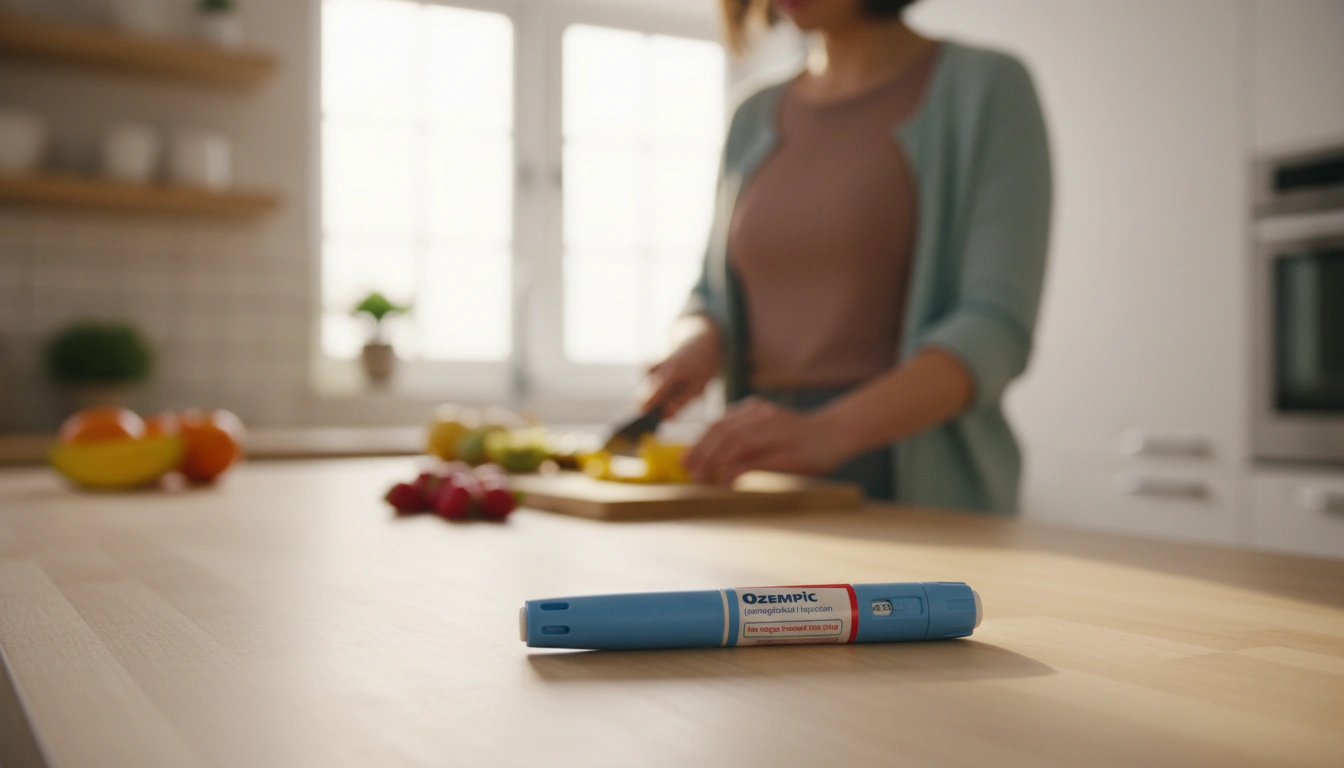
Embarking on a weight loss journey, especially with the support of modern medications like Ozempic, often brings a wave of questions about diet. Suddenly, every food choice feels under scrutiny. Are the foods you’ve always enjoyed still suitable? A common query we hear is about the role of fruit, particularly the humble apple. Crisp, sweet, and packed with nutrients, the apple is a dietary staple for many. But can I eat apples on Ozempic? Navigating these dietary nuances while on a GLP-1 medication can feel overwhelming, but it doesn’t have to be.
At TrimRx, our journey began with a shared vision to help individuals embrace healthier lifestyles by merging cutting-edge telehealth innovations with effective weight loss solutions. We understand that sustainable weight loss should be achieved through science, empathy, and a transparent approach. This commitment extends to providing you with clear, trustworthy information to support your health goals. In this comprehensive guide, we’ll delve into the specifics of integrating fruits like apples into your diet while using Ozempic, exploring how different foods impact medication effectiveness and side effects, and emphasizing the importance of a personalized approach.
We’ll uncover general dietary principles for those on GLP-1 medications, highlight foods that optimize your journey, and discuss strategies for managing potential gastrointestinal side effects. By the end, you’ll have a clearer understanding of how to make informed dietary choices that support your well-being, maximize the benefits of your medication, and ensure that nutritious foods like apples can indeed remain a part of your balanced eating plan. Join us as we explore the science behind these choices, empowering you to navigate your path to a healthier you with confidence and clarity.
Understanding Ozempic and GLP-1 Medications
The landscape of weight management has been significantly reshaped by GLP-1 receptor agonists, a class of medications that includes Ozempic. Initially approved for managing type 2 diabetes, Ozempic (semaglutide) has also gained recognition for its efficacy in supporting weight loss, often prescribed off-label for this purpose. Understanding how this medication works is foundational to making informed dietary choices and optimizing your health outcomes.
How GLP-1 Medications Work in Your Body
Ozempic mimics the action of glucagon-like peptide-1 (GLP-1), a natural hormone produced in your gut. This hormone plays several crucial roles in your body, particularly after you eat:
- Blood Sugar Regulation: GLP-1 stimulates the pancreas to release more insulin when blood sugar levels are high, helping to move glucose from the bloodstream into your cells for energy. It also reduces the amount of glucagon your liver produces, which in turn prevents the liver from releasing too much stored glucose. This dual action helps stabilize blood sugar.
- Slowed Digestion: One of the most significant effects of GLP-1 is slowing gastric emptying, meaning food stays in your stomach for a longer period. This contributes to a prolonged feeling of fullness, which is a key factor in reducing overall food intake and supporting weight loss.
- Appetite Suppression: By influencing appetite centers in the brain, GLP-1 medications can reduce hunger and cravings. Many individuals on these medications report a noticeable decrease in what is often described as “food noise”—the constant intrusive thoughts about food—making it easier to adhere to healthier eating patterns.
For individuals seeking meaningful weight loss, these mechanisms combine to create a powerful tool. However, it’s crucial to remember that Ozempic and similar medications are most effective when used as part of a comprehensive plan that includes regular physical activity and a balanced, nutrient-rich diet. This integrated approach is at the core of our philosophy at TrimRx, where we emphasize that sustainable weight loss comes from supporting your body with both advanced medical science and thoughtful lifestyle choices.
The Broader Picture: Beyond Weight Loss
While weight loss is a significant benefit, Ozempic’s FDA approval also extends to reducing the risk of major cardiovascular events in adults with type 2 diabetes and managing chronic kidney disease in the same population. This highlights the systemic benefits of semaglutide, extending its impact beyond just glucose control and body weight. Our innovative approach at TrimRx aims to leverage these benefits, ensuring that your journey towards a healthier lifestyle is supported by robust, evidence-based solutions.
We believe in offering compassionate care that respects every individual’s unique journey. That’s why we connect you with personalized, medically supervised care through a user-friendly and supportive platform. If you’re wondering whether a GLP-1 medication like Ozempic is suitable for your health goals, we encourage you to take our free assessment quiz. This assessment helps determine your eligibility and guides you toward a personalized treatment plan tailored to your specific needs. Our commitment to transparent service means our approach remains consistent, focusing on your safety by working exclusively with FDA-registered and inspected pharmacies for medication shipping.
General Dietary Guidelines for GLP-1 Users
When you’re taking a GLP-1 medication like Ozempic, your diet becomes an even more critical component of your overall health and weight management strategy. While there are no absolute “forbidden” foods, making thoughtful choices can significantly enhance the medication’s effectiveness, help you avoid uncomfortable side effects, and ensure you’re nourishing your body appropriately. Our goal at TrimRx is to empower you with the knowledge to make these choices with confidence.
Prioritizing Nutrient-Dense, Whole Foods
The foundation of any healthy diet, particularly when on a GLP-1 medication, is to focus on nutrient-dense, minimally processed whole foods. These foods provide essential vitamins, minerals, and fiber without excessive calories, added sugars, or unhealthy fats. They support satiety, help stabilize blood sugar, and contribute to overall well-being.
The Power of Protein
Protein is paramount when on a weight loss journey with GLP-1s. As you lose weight, there’s a natural tendency to lose both fat and muscle mass. Prioritizing protein intake helps preserve crucial muscle mass, which is vital for maintaining a healthy metabolism and long-term weight management. Protein also keeps you feeling fuller for longer, which can naturally reduce your overall calorie intake without feeling deprived. Aim for 20-30 grams of protein per meal.
Excellent protein sources include:
- Lean Meats and Poultry: Chicken breast, turkey, lean cuts of beef and pork.
- Fish and Seafood: Salmon, tuna, cod, shrimp, scallops.
- Eggs: A versatile and complete protein source.
- Dairy: Greek yogurt, cottage cheese, low-fat milk (opt for plain, unsweetened varieties).
- Plant-Based Proteins: Tofu, tempeh, lentils, beans, edamame, nuts, and seeds.
Fiber for Fullness and Gut Health
Fiber is another non-negotiable component of a GLP-1 friendly diet. It aids in digestion, promotes healthy bowel movements (which can combat common GLP-1-related constipation), and contributes to feelings of fullness. Incorporating both soluble and insoluble fiber is beneficial.
Good fiber sources include:
- Vegetables: All non-starchy vegetables like leafy greens (spinach, kale), broccoli, cauliflower, bell peppers, carrots, asparagus, celery.
- Fruits: Berries, apples (with skin), pears, citrus fruits.
- Whole Grains: Oats, quinoa, brown rice, whole-grain bread and pasta (in moderation).
- Legumes: Beans, lentils, chickpeas.
- Nuts and Seeds: Almonds, chia seeds, flax seeds.
Healthy Fats for Balance
Don’t shy away from healthy fats. They play a role in hormone production, nutrient absorption, and satiety, helping to keep blood sugar stable. Focus on unsaturated fats.
Sources of healthy fats:
- Avocados
- Olive oil
- Nuts and seeds
- Fatty fish (salmon, sardines)
Hydration is Key
Dehydration can exacerbate several GLP-1 side effects, including constipation and fatigue. Staying adequately hydrated is fundamental. Water is your best friend, but unsweetened herbal teas and infused water can also contribute to your daily fluid intake. Aim for at least 8-12 cups of water daily. Water-rich foods like watermelon, cucumbers, and lettuce also contribute to hydration.
Smaller, More Frequent Meals
GLP-1 medications slow gastric emptying, meaning large meals can sit in your stomach for longer, potentially leading to discomfort, nausea, and bloating. Eating smaller portions more frequently throughout the day can help manage these symptoms and maintain steady energy levels. Consider 5-6 small, balanced meals rather than three large ones, allowing 4-5 hours between eating sessions.
Mindful Eating Practices
Since GLP-1s often reduce appetite and “food noise,” this can be a prime opportunity to cultivate mindful eating habits. Pay attention to your body’s hunger and fullness cues. Eat slowly, savor your food, and stop when you feel comfortably full, rather than stuffed. This practice helps reinforce healthy eating behaviors that can last long after you achieve your weight loss goals.
At TrimRx, we believe in empowering you with the knowledge and tools for a truly personalized weight loss journey. Our programs offer the guidance of healthcare professionals who can help you tailor these general guidelines to your unique needs and preferences. Whether you’re considering Compounded Semaglutide, Oral Semaglutide, Ozempic®, Compounded Tirzepatide, Oral Tirzepatide, Mounjaro®, Zepbound®, or Wegovy®, our free assessment quiz is your first step toward a customized plan. For immediate support, consider our GLP-1 Daily Support or Weight Loss Boost supplements.
The Apple Dilemma: Fruit, Fiber, and GLP-1s
Now, let’s address the core question: can I eat apples on Ozempic? The short answer is generally, yes! Apples, along with many other fruits, can be a valuable part of a balanced diet while on GLP-1 medications. However, like all dietary choices when managing a health condition, context, individual tolerance, and moderation are key.
Apples: A Nutritional Powerhouse
Apples are celebrated for a reason. They are packed with essential nutrients, including:
- Fiber: Both soluble and insoluble fiber, which is excellent for digestive health and promoting satiety. The pectin (a soluble fiber) in apples can be particularly helpful.
- Vitamins: Rich in Vitamin C, an antioxidant that supports immune function.
- Antioxidants: Various phytochemicals that help protect your cells from damage.
- Water Content: Contributing to hydration, which is vital when on GLP-1 medications.
For many individuals, including those on Ozempic, these benefits make apples an excellent snack or addition to meals. Their fiber content helps slow down glucose absorption, which supports steady blood sugar levels—a goal that aligns perfectly with the action of GLP-1 medications.
Considerations for Apples on Ozempic
While apples are generally beneficial, there are a few nuances to consider:
Glycemic Index and Sugar Content
Apples have a relatively low glycemic index compared to many other fruits and processed snacks, meaning they cause a slower, more gradual rise in blood sugar. However, they do contain natural sugars (fructose). The fiber in apples helps to mitigate the impact of this sugar on blood glucose, but portion control is still important. Eating a whole apple is generally preferable to apple juice, which lacks fiber and can cause a more rapid sugar spike.
Skin or No Skin?
The skin of an apple contains a significant amount of its fiber and antioxidants. Unless you have a specific sensitivity or are advised otherwise by a healthcare professional (for instance, if you are temporarily following a low-FODMAP diet to address severe GI upset), consuming apples with their skin is generally recommended to maximize nutritional benefits.
Individual Tolerance and Side Effects
This is where personalization truly comes into play. While apples are generally well-tolerated, some individuals on GLP-1 medications might experience increased gas or bloating from certain high-fiber or higher-FODMAP foods. Apples, particularly raw and with the skin, do contain FODMAPs (Fermentable Oligosaccharides, Disaccharides, Monosaccharides, and Polyols). If you find that eating apples or other high-FODMAP foods exacerbates symptoms like bloating, gas, or diarrhea, you might consider:
- Portion Control: Start with smaller portions to assess your tolerance.
- Cooking Apples: Cooking apples can break down some of the fibers, making them easier to digest for some people (e.g., applesauce, baked apples without added sugar).
- Monitoring Symptoms: Keep a food diary to identify patterns between what you eat and any digestive discomfort.
It’s important to note that apples are also sometimes recommended as a bland food that can help alleviate nausea, a common side effect of GLP-1s. Foods like applesauce or cold, sliced apples can be soothing for an upset stomach. This highlights that individual responses can vary greatly, and what helps one person might be a minor trigger for another.
Apples vs. Other Fruits
Compared to fruits high in natural sugars and low in fiber (like mangoes, ripe bananas, or pineapple), apples generally present a more balanced nutritional profile for those on GLP-1 medications. Focus on whole, fresh fruits as part of your overall balanced diet.
At TrimRx, our empathetic and supportive approach means we understand that your body’s response to medication and food is unique. We offer comprehensive services that include doctor consultations and unlimited support to help you navigate these dietary considerations. If you’re experiencing uncomfortable side effects or simply want expert guidance on optimizing your diet, our team is here for you. We encourage you to take our free assessment quiz to connect with a personalized plan that supports your journey, whether that includes Ozempic®, Wegovy®, or another prescribed GLP-1 medication from our network of FDA-registered and inspected pharmacies.
Foods to Prioritize for Optimal Results and Side Effect Management
Maximizing the effectiveness of your GLP-1 medication and minimizing potential side effects involves strategic dietary choices. Beyond understanding if you can eat apples on Ozempic, it’s about building a sustainable eating pattern that truly supports your body. Our approach at TrimRx emphasizes a results-oriented and personalized strategy, guiding you toward foods that nourish and empower your weight loss journey.
Lean Proteins: The Foundation of Satiety and Muscle Preservation
As previously mentioned, lean protein is non-negotiable. It’s crucial for maintaining muscle mass during weight loss and promoting a feeling of fullness, which is amplified by GLP-1 medications.
Building Blocks for Your Meals:
- Chicken and Turkey: White meat poultry, baked, grilled, or roasted.
- Fish and Seafood: Rich in omega-3 fatty acids, promoting heart health and satiety. Salmon, cod, shrimp, and tuna are excellent choices.
- Eggs: A highly bioavailable protein source, versatile for any meal.
- Dairy (Low-Fat/Non-Fat): Greek yogurt, cottage cheese, and milk provide protein and calcium. Opt for plain, unsweetened varieties to avoid added sugars.
- Plant-Based Options: Tofu, tempeh, lentils, beans, and edamame are fantastic sources of protein and fiber.
Non-Starchy Vegetables: Volume, Nutrients, and Minimal Impact
Load your plate with non-starchy vegetables. They are low in calories, high in fiber, and packed with vitamins and minerals, helping you feel full without significant blood sugar spikes.
Colorful and Nutrient-Rich Choices:
- Leafy Greens: Spinach, kale, romaine lettuce.
- Cruciferous Vegetables: Broccoli, cauliflower, Brussels sprouts (monitor for gas/bloating if sensitive).
- Other Vegetables: Bell peppers, carrots, asparagus, zucchini, mushrooms, green beans.
Healthy Fats: Essential for Well-being and Sustained Energy
Healthy fats are vital for hormone production, nutrient absorption, and maintaining satiety. They help prevent blood sugar crashes and keep you feeling satisfied.
Smart Fat Choices:
- Avocado: Creamy, satisfying, and full of monounsaturated fats.
- Olive Oil: Ideal for cooking and salad dressings.
- Nuts and Seeds: Almonds, walnuts, chia seeds, flax seeds – excellent for snacks in moderation.
- Fatty Fish: Salmon, mackerel, sardines provide essential omega-3s.
Whole Grains (in Moderation): Sustained Energy
While GLP-1 medications slow digestion, controlled portions of whole grains can provide sustained energy and additional fiber.
Mindful Grain Selection:
- Oats: Great for breakfast, especially steel-cut or rolled oats.
- Quinoa: A complete protein and excellent source of fiber.
- Brown Rice: A healthier alternative to white rice.
- Whole-Grain Bread and Pasta: Choose sparingly and in small portions to manage carbohydrate intake.
Low Glycemic Fruits: Sweetness and Fiber
Fruits, including apples, fit perfectly into this category when chosen wisely and consumed in moderation. They offer natural sweetness, vitamins, and crucial fiber.
Smart Fruit Choices:
- Berries: Blueberries, strawberries, raspberries (high in antioxidants and fiber, lower in sugar).
- Citrus Fruits: Oranges, grapefruits (Vitamin C powerhouses).
- Apples and Pears: Excellent sources of fiber and can be soothing for some digestive issues.
Incorporating these foods into your daily routine supports both the metabolic effects of Ozempic and your overall health. Our personalized approach at TrimRx means we don’t just recommend medications; we provide a holistic framework for success, including guidance on nutrition. Our medically supervised care is designed to ensure you get the right balance of nutrients, helping you transform your relationship with food.
Remember, our prescription medication offerings, including Ozempic®, require you to take our free assessment quiz to determine eligibility. For quick access to additional support, explore our GLP-1 Daily Support and Weight Loss Boost supplements, designed to complement your wellness journey.
Foods to Limit or Avoid to Reduce Side Effects and Maximize Weight Loss
While embracing nutrient-dense foods is crucial, equally important is understanding which foods might hinder your progress or exacerbate the common gastrointestinal side effects associated with GLP-1 medications like Ozempic. Our commitment to safety and effective weight loss solutions means providing clear guidance on these dietary considerations.
High-Fat and Greasy Foods
These are often the primary culprits for discomfort when taking GLP-1 medications. Because Ozempic slows gastric emptying, high-fat foods remain in the stomach for significantly longer, leading to:
- Exacerbated Nausea and Vomiting: The prolonged presence of fatty foods can trigger or worsen feelings of queasiness.
- Indigestion and Abdominal Pain: The digestive system struggles more with breaking down fats, leading to discomfort.
- Delayed Weight Loss: High-fat foods are calorie-dense and offer less nutritional value, potentially undermining your weight loss efforts.
Examples to limit: Fried foods (e.g., French fries, fried chicken), fatty cuts of red meat, processed meats (bacon, sausage), full-fat dairy products, heavy cream sauces, and foods cooked with excessive butter or lard.
High-Sugar Foods and Refined Carbohydrates
These foods can cause rapid spikes and subsequent crashes in blood sugar, which contradicts the stabilizing effect of GLP-1 medications. They also offer minimal nutritional benefits and contribute to excess calorie intake.
- Blood Sugar Imbalance: Can counteract Ozempic’s efforts to control blood glucose.
- Increased Cravings: Sugar can perpetuate a cycle of cravings and overeating.
- GI Upset: Can contribute to diarrhea by drawing excess fluid into the intestines, or bloating.
Examples to limit: Sugary drinks (soda, sweetened juices, sweet tea), candies, cakes, cookies, pastries, white bread, white pasta, sugary breakfast cereals, and processed snacks.
Ultra-Processed Foods
These items often contain a hidden combination of unhealthy fats, added sugars, high sodium, and artificial additives. They are typically low in fiber and essential nutrients, making them counterproductive to a healthy diet and effective weight loss.
Examples to limit: Fast food, frozen meals, chips, pretzels, packaged baked goods, and many condiments.
Spicy Foods
For individuals prone to acid reflux or general stomach sensitivity, spicy foods can irritate the stomach lining and exacerbate symptoms like heartburn, indigestion, and nausea, especially when gastric emptying is slowed. If you don’t typically experience these issues, moderate spice might be fine, but pay attention to your body’s signals.
Alcohol
While the desire for alcohol may decrease for some individuals on GLP-1 medications, it’s generally advisable to limit or avoid consumption.
- Empty Calories: Alcohol provides calories without nutritional value, hindering weight loss.
- Dehydration: Alcohol is a diuretic, which can contribute to dehydration—a common concern for GLP-1 users.
- GI Irritation: Can exacerbate nausea and other digestive discomforts.
- Liver Impact: Both GLP-1s and alcohol are processed by the liver, so excessive alcohol intake may be problematic.
Caffeine (in Excess)
While there’s no known direct interaction between Ozempic and coffee, excessive caffeine intake can cause stomach upset, nausea, and potentially dehydration for some individuals. If you experience GI symptoms, reducing caffeine might be helpful.
By being mindful of these food categories, you can significantly enhance your comfort and progress while on a GLP-1 medication. Our brand is built on being trustworthy and supportive, ensuring that you have all the information needed to make choices that align with your health goals. Remember, our medically supervised programs, featuring medications like Compounded Tirzepatide and Mounjaro®, are designed to provide personalized dietary guidance alongside your treatment. If you’re ready to explore how our tailored solutions can support you, take our free assessment quiz today. And for general wellness support, consider our GLP-1 Daily Support and Weight Loss Boost supplements.
Managing Common GLP-1 Side Effects Through Diet
The most common side effects of GLP-1 medications like Ozempic are gastrointestinal in nature, including nausea, vomiting, diarrhea, constipation, and abdominal pain. While these are often temporary and tend to decrease over time or with dosage adjustments, they can be uncomfortable. Fortunately, many of these side effects can be effectively managed through strategic dietary modifications. Our empathetic care at TrimRx ensures we provide practical, actionable advice to help you navigate these challenges.
Combatting Nausea
Nausea is one of the most frequently reported side effects, especially during the initial weeks of treatment or after a dose increase.
- Small, Frequent Meals: Avoid large meals that can overwhelm a slower-emptying stomach. Opt for 5-6 smaller meals spread throughout the day.
- Bland, Low-Fat Foods: These are easier to digest. Think toast, crackers, plain rice, broth, or poached chicken breast.
- Cold Foods: Sometimes, cold foods like non-fat yogurt, gelatin, or sherbet are better tolerated than hot, strong-smelling foods.
- Ginger and Peppermint: Ginger ale (sugar-free), ginger tea, or peppermint tea can naturally help soothe an upset stomach.
- Avoid Strong Smells: Cooking aromas can sometimes trigger nausea. Opt for simpler, less fragrant foods.
- Hydration: Sip on water throughout the day. Dehydration can worsen nausea.
- Applesauce or Sliced Apples: As discussed, apples in easily digestible forms can sometimes provide relief.
Addressing Constipation
Constipation is another common concern due to slowed digestion and reduced food intake.
- Increase Fiber Gradually: Slowly introduce more fiber-rich foods into your diet. Too much fiber too quickly can lead to bloating and gas. Focus on whole fruits (like apples with skin), vegetables, legumes, and whole grains.
- Hydration: This is paramount. Water softens stool and aids in its passage. Aim for ample fluid intake throughout the day.
- Physical Activity: Even a short walk after meals can stimulate bowel movements.
- Probiotics: Foods like yogurt, kefir, and fermented vegetables contain beneficial bacteria that can support gut health. A probiotic supplement may also be considered in consultation with your healthcare provider.
- Prunes or Prune Juice: Known natural laxatives.
Handling Diarrhea or Abdominal Pain
While less common than constipation, some individuals may experience diarrhea or abdominal pain.
- Hydration: Crucial to replace lost fluids and electrolytes. Water, broths, and oral rehydration solutions are important.
- Low-FODMAP Diet (Temporary): If experiencing persistent diarrhea or significant bloating, a temporary low-FODMAP approach might help. This involves limiting certain gut-irritating fibers found in foods like some cruciferous vegetables, legumes, wheat products, and some fruits. (If considering this, always consult with a healthcare professional, as apples with skin can be high-FODMAP, but often tolerated by many.)
- Easily Digestible Foods: Focus on bland, cooked vegetables and lean proteins.
- Avoid Irritants: Steer clear of very spicy, greasy, or overly sweet foods and drinks, which can aggravate the digestive system.
Preventing Dehydration
Feeling less hungry can sometimes lead to reduced fluid intake.
- Consistent Water Intake: Keep a water bottle handy and sip throughout the day.
- Water-Rich Foods: Incorporate fruits and vegetables with high water content, such as watermelon, cucumber, and berries.
- Limit Diuretics: Excessive caffeine and alcohol can contribute to dehydration.
Our supportive framework at TrimRx means we don’t leave you to manage these challenges alone. We provide unlimited support, allowing you to discuss any concerns or side effects with your dedicated care team. Our licensed healthcare providers offer personalized advice to help you adjust your diet and lifestyle, ensuring your comfort and progress. We are committed to a transparent service that ensures your well-being throughout your weight loss journey.
To find out how a personalized plan, including doctor consultations, prescribed medication from FDA-registered and inspected pharmacies, lab work, and continuous support, can make a difference for you, we invite you to take our free assessment quiz. For additional dietary support, explore our GLP-1 Daily Support and Weight Loss Boost supplements.
The Role of Personalized Care in Your Weight Loss Journey
As we’ve explored the nuances of dietary choices while on GLP-1 medications, it becomes abundantly clear that there is no one-size-fits-all approach. Your body is unique, and its response to medication, food, and lifestyle changes will be equally individual. This understanding is at the very heart of TrimRx’s philosophy: a dedication to safe, effective weight loss through truly individualized care.
Why Individualized Guidance Matters
Several factors contribute to your unique dietary needs and how you experience GLP-1 medications:
- Age and Metabolism: Nutritional requirements can shift significantly with age. For example, maintaining muscle mass in your 30s and beyond becomes even more critical, influencing protein needs.
- Overall Health and Coexisting Conditions: Pre-existing conditions like diabetes, irritable bowel syndrome, or other digestive sensitivities will impact which foods are best for you.
- Activity Level: Your physical activity dictates your energy and macronutrient requirements.
- Food Preferences and Cultural Traditions: A sustainable diet is one that you can adhere to long-term. This means incorporating foods you enjoy and that fit your cultural background, rather than adopting a restrictive, temporary plan.
- Response to Medication: Some individuals experience more pronounced side effects than others, necessitating more specific dietary adjustments.
- Personal Goals: Whether your primary focus is blood sugar management, significant weight loss, or reducing cardiovascular risk, your dietary strategy may be nuanced.
Attempting to navigate these complexities alone can be daunting and may lead to frustration or suboptimal results. This is where the value of personalized, medically supervised care becomes indispensable.
How TrimRx Supports Your Unique Path
At TrimRx, we pride ourselves on being an innovative, trustworthy, and results-oriented partner in your health journey. Our platform is designed to provide comprehensive support every step of the way:
- Expert Doctor Consultations: Our licensed healthcare providers take the time to understand your complete health profile, medical history, and specific goals. This in-depth assessment is crucial for determining the most appropriate treatment plan for you.
- Personalized Treatment Plans: Based on your assessment, we develop a tailored plan that may include prescription weight loss medications like Compounded Semaglutide, Oral Semaglutide, Ozempic®, Compounded Tirzepatide, Oral Tirzepatide, Mounjaro®, Zepbound®, or Wegovy®. Please note that for these prescription medications, users must complete our free assessment quiz to determine eligibility.
- Medication Sourced from FDA-Registered Pharmacies: We prioritize your safety by partnering exclusively with FDA-registered and inspected pharmacies for the shipping of your weight loss medications. It’s important to understand that while branded medications like Ozempic® and Zepbound® are FDA-approved, compounded medications are not FDA-approved, though they are sourced from these compliant pharmacies.
- Lab Work and Ongoing Monitoring: We include necessary lab work to ensure your treatment is safe and effective, and our team continually monitors your progress.
- Unlimited Support: Our supportive platform offers continuous access to your care team, allowing you to ask questions, discuss side effects, and receive ongoing dietary and lifestyle guidance. This transparent service ensures you always feel heard and supported.
- Quick-Access Supplements: To complement your personalized plan or to support overall wellness, we also offer convenient supplements that do not require a quiz. You can immediately purchase GLP-1 Daily Support and Weight Loss Boost to aid your journey.
We believe that by merging cutting-edge telehealth innovations with effective weight loss solutions, we create a user-friendly and supportive space where individuals receive personalized, medically supervised care. Our dedication to science, empathy, and transparency empowers you to make sustainable weight loss attainable and tailored to you.
Your weight loss journey is just that—yours. With TrimRx, you gain a partner committed to your success, helping you navigate every dietary question, from “can I eat apples on Ozempic?” to crafting a fully optimized meal plan that works for you. Take the first step towards a healthier, happier you by exploring our personalized solutions through our free assessment quiz.
Conclusion
The journey toward sustainable weight loss is a dynamic one, filled with learning, adjustments, and triumphs. As we’ve thoroughly explored, understanding how diet interacts with GLP-1 medications like Ozempic is a cornerstone of success. The question of “can I eat apples on Ozempic?” opens the door to a broader conversation about informed food choices, managing side effects, and optimizing nutrition. The resounding answer is yes, apples can certainly be a beneficial part of your diet, offering valuable fiber and nutrients that support your health goals. However, this is just one piece of a much larger, personalized puzzle.
We’ve highlighted the importance of prioritizing lean proteins, nutrient-dense vegetables, healthy fats, and appropriate whole grains to support satiety, preserve muscle mass, and stabilize blood sugar. Equally critical is the awareness of foods that can exacerbate common GLP-1 side effects—such as high-fat, high-sugar, and ultra-processed items—and strategies to mitigate discomfort through mindful eating and specific dietary adjustments. From combating nausea with bland foods to managing constipation with gradual fiber increases and ample hydration, strategic dietary choices empower you to take control of your well-being while on medication.
At TrimRx, our entire platform is built upon the conviction that effective weight loss is deeply personal. Our journey began with a vision to merge cutting-edge telehealth with truly individualized care, creating a supportive and transparent space for you. We understand that your unique physiology, lifestyle, and preferences demand a tailored approach. That’s why we offer personalized, medically supervised care, including doctor consultations, prescribed medications sourced from FDA-registered and inspected pharmacies, lab work, and unlimited support—all designed to make sustainable weight loss attainable and perfectly suited to you.
We encourage you to leverage the powerful synergy of modern medicine and informed nutrition. If you’re ready to discover how a personalized plan can transform your weight loss journey, we invite you to take our free assessment quiz. For immediate support that complements any healthy lifestyle, don’t forget to explore our GLP-1 Daily Support and Weight Loss Boost supplements. Let us be your trusted partner in achieving a healthier, more vibrant life.
Frequently Asked Questions
FAQ 1: Are there any fruits I should specifically limit or avoid while on Ozempic?
While most fruits are beneficial, it’s generally advisable to limit fruits that are very high in natural sugars and lower in fiber, such as mangoes, ripe bananas, pineapple, and grapes, especially in large quantities. Focus on lower glycemic index fruits like berries, apples, pears, and citrus fruits. Ultimately, individual tolerance varies, so monitor your body’s response and discuss any concerns with your healthcare provider.
FAQ 2: What are the most common dietary changes people make when starting Ozempic?
Individuals typically focus on increasing lean protein intake to preserve muscle mass and promote satiety, enhancing fiber consumption to aid digestion and manage constipation, and prioritizing hydration. They also commonly reduce consumption of high-fat, greasy, sugary, and ultra-processed foods to minimize gastrointestinal side effects like nausea and bloating, and to maximize weight loss efforts.
FAQ 3: How can TrimRx help me create a personalized diet plan while on Ozempic?
TrimRx offers personalized, medically supervised care that includes doctor consultations where your healthcare provider will assess your health profile and discuss dietary recommendations tailored to your needs while on Ozempic. Our platform also provides unlimited support, allowing you to discuss food choices, side effects, and receive ongoing guidance to optimize your eating plan for sustainable weight loss and overall well-being. To get started, you can take our free assessment quiz.
FAQ 4: Is it true that some foods can worsen Ozempic side effects?
Yes, certain foods can exacerbate the common gastrointestinal side effects of Ozempic. High-fat and greasy foods tend to sit in the stomach longer due to slowed digestion, often leading to increased nausea, vomiting, and indigestion. High-sugar foods and refined carbohydrates can cause blood sugar spikes and may contribute to diarrhea or discomfort. Spicy foods can also irritate the stomach lining for some individuals. Monitoring your intake of these foods can significantly help manage side effects.

Transforming Lives, One Step at a Time
Keep reading

Ozempic and Colorectal Cancer: What the New Research Shows
Colorectal cancer is the third most commonly diagnosed cancer in the United States and one of the cancers most strongly linked to obesity, metabolic…

Does Ozempic Reduce Cancer Risk: What the Research Shows
The connection between obesity and cancer has been established for decades. What’s newer, and genuinely interesting, is emerging evidence that GLP-1 medications like Ozempic…

When to Stop Ozempic Before Surgery: Aspiration Risk Explained
If you’re scheduled for surgery and you’re currently taking Ozempic or another GLP-1 medication, there’s a specific conversation you need to have with your…


