Eating Bread on Mounjaro: A Balanced Approach to Your Weight Loss Journey
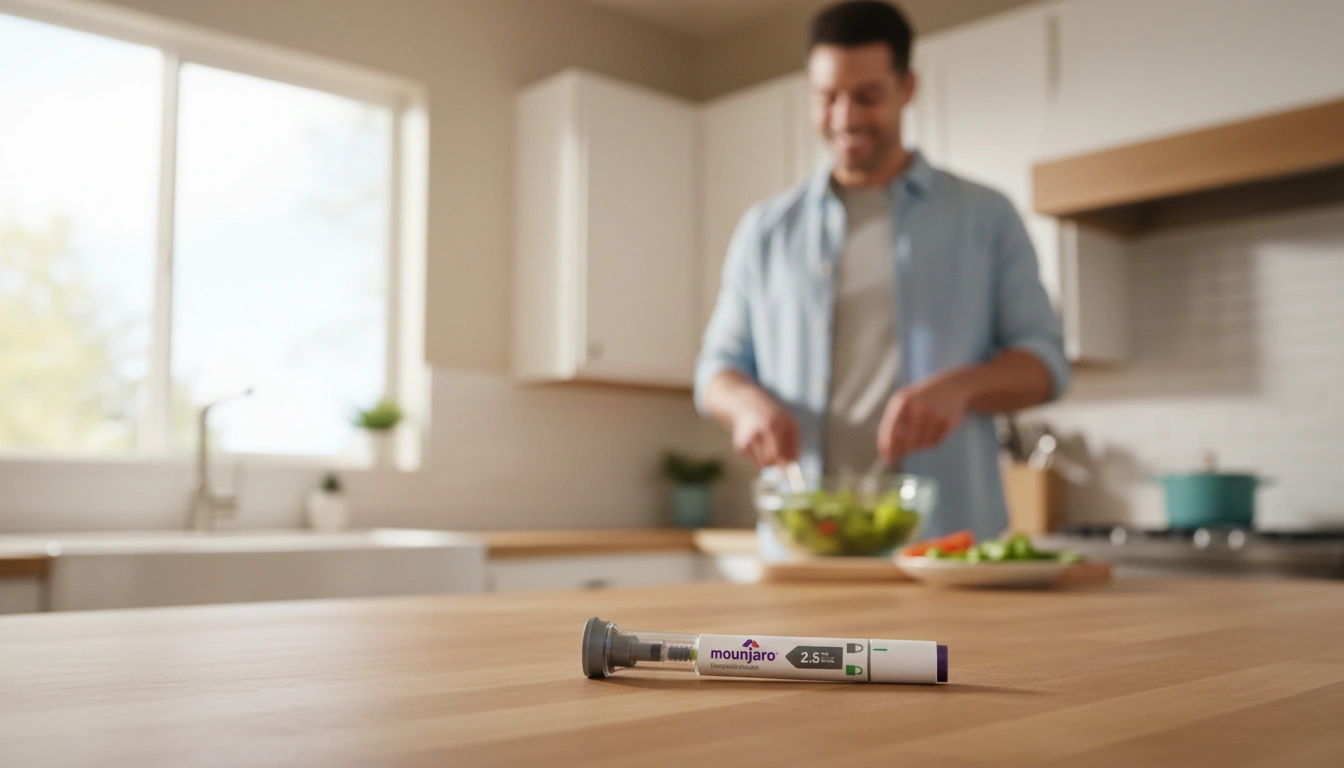
Introduction
Embarking on a weight loss journey, especially with the support of a medication like Mounjaro, often brings a wave of questions about daily dietary choices. Among the most common and often pondered queries is, “Can I eat bread on Mounjaro?” For many, bread is a staple, a comfort food, or simply an integral part of their meals. The thought of giving it up entirely can feel daunting, potentially overshadowing the excitement of starting a new path toward better health. This isn’t just about food; it’s about navigating habits, understanding how your body responds to new treatments, and building a sustainable lifestyle that genuinely works for you.
At TrimRx, our journey began with a shared vision to help individuals embrace healthier lifestyles. We recognized the need to merge cutting-edge telehealth innovations with effective weight loss solutions, creating a user-friendly and supportive platform where individuals receive personalized, medically supervised care. We believe that sustainable weight loss should be achieved through science, empathy, and a transparent approach, which is why we’re dedicated to empowering you with clear, trustworthy information.
This post will dive deep into the relationship between Mounjaro, a dual GIP and GLP-1 receptor agonist, and carbohydrate consumption, specifically focusing on bread. We’ll explore how Mounjaro affects your digestion and appetite, guide you through making informed bread choices, discuss the importance of portion control and meal composition, and offer strategies for managing potential side effects. By the end, you’ll have a comprehensive understanding of how to integrate bread sensibly into your Mounjaro diet plan, supported by the empathetic, innovative, and results-oriented insights that define our approach at TrimRx. Our aim is to provide not just answers, but practical, actionable advice that resonates with your unique journey, highlighting how our personalized programs can truly transform lives.
Understanding Mounjaro’s Impact on Digestion and Appetite
To address whether you can eat bread on Mounjaro, it’s essential to first understand how this medication works within your body. Mounjaro, known generically as tirzepatide, is a groundbreaking medication that functions as a dual agonist for both the glucose-dependent insulinotropic polypeptide (GIP) and glucagon-like peptide-1 (GLP-1) receptors. This dual action is what makes it particularly effective for managing blood sugar and promoting weight loss.
The Mechanisms Behind Mounjaro’s Efficacy
The GLP-1 component of Mounjaro plays a significant role in several physiological processes. It stimulates insulin secretion from the pancreas in a glucose-dependent manner, meaning insulin is released when blood sugar levels are high, helping to lower them. Concurrently, it suppresses the release of glucagon, a hormone that raises blood sugar, preventing the liver from releasing excessive glucose. Perhaps most relevant to dietary considerations, GLP-1 also slows gastric emptying – the rate at which food leaves your stomach. This extended digestion time is crucial for understanding how certain foods, like bread, might affect you.
The GIP component complements these actions, further enhancing insulin release and contributing to better glucose control. While the precise mechanisms are still being fully elucidated, this dual agonism creates a powerful synergy that not only helps regulate blood sugar but also significantly impacts appetite and satiety.
Consequences for Your Diet
The slowed gastric emptying and enhanced satiety cues are paramount when considering your diet on Mounjaro. Many individuals report feeling fuller for longer, even after consuming smaller portions of food. This reduction in appetite and cravings is a key driver of weight loss with Mounjaro. However, it also means that foods that are typically heavy or dense might sit in your stomach for an extended period, potentially leading to discomfort, bloating, or nausea.
For instance, highly processed carbohydrates, which often lack fiber, can sometimes cause a quicker, albeit modulated, rise in blood sugar compared to whole grains. While Mounjaro helps manage these spikes, the digestive slowdown means that a large portion of quick-digesting, refined bread might feel heavy or cause discomfort. Our focus at TrimRx is to help you navigate these physiological changes with personalized care. Our programs are designed to consider how these mechanisms influence your eating habits, enabling you to make choices that support comfort and effective weight management. We believe in providing solutions that are not only clinically proven but also tailored to your individual experience, helping you understand your body’s evolving responses.
Navigating Bread Choices on Mounjaro
The direct answer to “can I eat bread on Mounjaro?” is generally yes, but with a significant emphasis on how you choose your bread and how you consume it. Mounjaro does not impose a blanket ban on any food group; instead, it encourages mindful eating and smarter choices that align with your body’s new metabolic and digestive rhythm.
The Nuance of “Can I Eat Bread”: It’s About Quality and Quantity
With Mounjaro, the relationship you have with food changes. You’ll likely find that your body responds differently to certain types of carbohydrates. The key is to move away from the idea of “good” or “bad” foods and instead focus on nutrient density, fiber content, and how specific foods make you feel. This is where the true personalization of your weight loss journey comes into play, a core value we uphold at TrimRx. We empower you to listen to your body and make informed choices, rather than adhering to rigid, unsustainable restrictions.
Prioritizing Whole Grains for Optimal Benefits
When considering bread, whole grains are overwhelmingly the superior choice while on Mounjaro. Here’s why:
- Fiber Content: Whole grains are rich in dietary fiber. Fiber slows down the absorption of glucose into the bloodstream, leading to a more gradual and sustained rise in blood sugar. This complements Mounjaro’s glucose-regulating effects, helping to prevent sharp spikes and crashes.
- Enhanced Satiety: The fiber in whole grains also contributes to increased fullness. Combined with Mounjaro’s appetite-suppressing effects, this means you can feel satisfied with smaller portions, naturally reducing your overall calorie intake.
- Nutrient Density: Unlike refined grains, whole grains retain their bran, germ, and endosperm, packing in essential vitamins, minerals, and antioxidants that support overall health during your weight loss journey.
Examples of better bread choices:
- Whole Wheat Bread: Ensure it’s 100% whole wheat, not just “wheat bread,” which can still be refined.
- Rye Bread: Known for its dense texture and high fiber content, it can be a very satisfying option.
- Sourdough Bread: The fermentation process in sourdough can sometimes make it easier to digest for some individuals and may have a slightly lower glycemic impact compared to conventional white bread.
- Seeded Breads: Breads containing seeds like flax, chia, pumpkin, or sunflower seeds add extra fiber, healthy fats, and protein, further slowing digestion and increasing satiety.
- Crispbreads: Scandinavian-style crispbreads, often made from whole rye, can be a lighter option that still delivers fiber without the heaviness.
Steering Clear of Refined Carbohydrates
While Mounjaro doesn’t forbid any food, refined carbohydrates, including white bread, sugary pastries, and many commercially produced baked goods, warrant careful consideration. These items are typically low in fiber and high in simple sugars or rapidly digestible starches.
- Rapid Digestion: They break down quickly, leading to a faster surge in blood glucose, which, even with Mounjaro’s help, can be less ideal for stable blood sugar management.
- Potential for Discomfort: The rapid digestion followed by Mounjaro’s slowed gastric emptying can sometimes create a feeling of uncomfortableness or contribute to symptoms like nausea in some individuals.
- Nutrient Deficiency: They often offer “empty calories,” lacking the vital nutrients found in whole grains, which can be counterproductive to a healthy weight loss plan.
Our approach at TrimRx emphasizes making sustainable choices that support your well-being. This often means opting for nutrient-rich foods that work synergistically with your medication. To discover how you can integrate these principles into a personalized plan tailored for you, we encourage you to take our free assessment quiz. This quiz helps us understand your unique needs and determine your eligibility for our prescription weight loss medications and comprehensive support.
Mastering Portion Control and Meal Composition
Beyond selecting the right type of bread, how much you eat and what you eat it with are equally crucial when taking Mounjaro. The medication’s effects on satiety and gastric emptying mean that your usual portion sizes may no longer be appropriate, and the context of your meal significantly influences comfort and metabolic response.
The New Reality of Portion Sizes
One of the most profound effects of Mounjaro is the natural reduction in appetite and the earlier onset of satiety. This means that your body will likely tell you it’s full much sooner than before. For bread, this translates to smaller portions. Instead of two slices, one might be perfectly satisfying. For a roll, perhaps half is sufficient.
- Listen to Your Body: This is perhaps the most important guidance. Pay close attention to your hunger and fullness cues. Drink a glass of water before meals. Eat slowly and mindfully, allowing time for your body to signal satiety. Distinguish between actual hunger and cravings. This intuitive eating approach, a cornerstone of sustainable weight management, is something our supportive team at TrimRx advocates for, helping you tune into your body’s signals for long-term success.
- Start Small, Adjust as Needed: When incorporating bread, begin with a small portion—perhaps half a slice or a small piece—and observe how you feel. If you experience discomfort, bloating, or excessive fullness, reduce the portion next time. If you feel fine and are still genuinely hungry, you can incrementally increase it.
- Visual Cues: A helpful visual guide is to consider that carbohydrates like bread should make up roughly a quarter of your plate, with another quarter dedicated to lean protein and half of your plate filled with non-starchy vegetables. This balanced approach helps ensure you’re getting essential nutrients while managing portion sizes effectively.
The Power of Balanced Meal Composition
Eating bread in isolation, especially refined bread, can lead to a quicker blood sugar response. However, when bread is consumed as part of a well-balanced meal, its impact can be significantly modulated.
- Pair with Protein: Protein is known for its ability to increase satiety and slow digestion. Pairing your bread with a lean protein source (e.g., grilled chicken, turkey, fish, eggs, cottage cheese, or a plant-based alternative like hummus or tofu) will help you feel fuller for longer and reduce the likelihood of overeating. For example, an open-faced sandwich with a thin slice of whole-grain bread topped with avocado and scrambled eggs offers a fantastic balance.
- Incorporate Healthy Fats: Healthy fats, found in foods like avocado, nuts, seeds, and olive oil, also contribute to satiety and slow gastric emptying, further stabilizing blood sugar levels. A small amount of healthy fat alongside your bread can make a substantial difference in how satisfied you feel.
- Load Up on Fiber-Rich Vegetables: Non-starchy vegetables are your allies. They are low in calories, high in fiber, and packed with vitamins and minerals. Including a generous serving of vegetables with your bread-containing meal will add volume and fiber, aiding digestion and promoting fullness without excessive calories. Imagine a whole-grain wrap filled with lean grilled chicken and a vibrant mix of bell peppers, spinach, and cucumber.
Strategic Timing for Optimal Comfort
While there’s no strict rule, some individuals find that timing their bread consumption strategically can improve comfort. Eating heavier, more dense foods earlier in the day might allow more time for digestion before bedtime, potentially reducing the incidence of reflux or discomfort overnight. However, this is highly individual. The most important factor is consistency in listening to your body. Our comprehensive services at TrimRx, including doctor consultations and unlimited support, mean you have a dedicated team to help you explore and refine these strategies, ensuring your dietary choices support your comfort and progress. Take a moment to take our free assessment quiz and see how our personalized care can guide your journey.
Managing Potential Digestive Side Effects with Dietary Adjustments
While Mounjaro is a highly effective medication, like any treatment, it can come with potential side effects, particularly affecting the digestive system. Understanding these and knowing how to adjust your diet can significantly enhance your comfort and adherence to your personalized weight loss plan.
Common Gastrointestinal Side Effects
The most frequently reported side effects of Mounjaro include nausea, vomiting, indigestion (upset stomach), diarrhea, and constipation. These symptoms are often most pronounced during the initial phase of treatment or when the dosage is increased, and they typically improve as your body adjusts to the medication. Our compassionate care at TrimRx recognizes that every individual’s journey is unique, and we are here to support you in navigating these challenges.
Foods to Approach Cautiously
Because Mounjaro slows gastric emptying, certain foods can exacerbate these side effects by prolonging their stay in the stomach or by being inherently difficult to digest. While no food is strictly forbidden, we recommend approaching the following categories with caution, especially if you are experiencing discomfort:
- High-Fat and Fried Foods: Greasy, fried foods (like French fries, fried chicken, or rich, fatty cuts of meat) are notoriously difficult to digest. They can linger in the stomach for a long time, increasing the likelihood of nausea, indigestion, and bloating when combined with Mounjaro’s effects.
- Very Sweet Foods and Drinks: Items high in added sugars, such as regular sodas, sugary desserts, and candies, can sometimes trigger nausea or upset stomach. Moreover, they offer minimal nutritional value and can hinder your weight loss progress.
- Spicy Foods: Heavily seasoned or spicy meals can irritate the digestive tract, potentially worsening symptoms like gastric distress or diarrhea in sensitive individuals. Opting for blander foods, especially when you’re first starting Mounjaro or increasing your dose, can be beneficial.
- Excessive Raw or Fibrous Vegetables (for some): While vegetables are generally excellent, some individuals might find that very high amounts of raw, fibrous vegetables (like large salads with tough greens, broccoli, or celery) can cause bloating or gas, particularly during the initial adjustment period. Cooking vegetables can make them easier to digest.
- Red Meats (for some): Some individuals report increased nausea or digestive upset after consuming red meats, especially tougher cuts or larger portions. Leaner proteins like poultry, fish, or plant-based alternatives might be better tolerated initially.
- Alcohol and Carbonated Beverages: Alcohol can interact with Mounjaro, potentially increasing the risk of adverse effects and minimizing the medication’s weight loss benefits. Carbonated drinks can lead to bloating and discomfort due to gas. Hydration with clear, still water is always the best option.
- Certain Nuts and Seeds: While generally healthy, some individuals have reported abdominal discomfort from certain nuts and seeds, especially if consumed in large quantities or if they are difficult to chew adequately. Similarly, dried fruits, while a source of natural sugar and fiber, can be very concentrated and cause digestive upset for some.
Focusing on Bland, Easily Digestible Foods
When you’re experiencing digestive side effects, focusing on easily digestible, bland foods can provide significant relief:
- Lean Proteins: Poultry (skinless chicken or turkey), fish, eggs, and plain yogurt are excellent sources of protein that are generally well-tolerated.
- Cooked Vegetables: Opt for cooked, non-fibrous vegetables like peas, green beans, asparagus, carrots, and spinach. Steaming or boiling can make them gentler on your stomach.
- Clear Liquids and Hydration: Staying well-hydrated is paramount. Water, clear broths, and decaffeinated teas can help prevent dehydration, especially if you experience vomiting or diarrhea.
- Small, Frequent Meals: Instead of three large meals, consider eating smaller portions more frequently throughout the day to avoid overwhelming your digestive system.
Our commitment to transparent service means that our approach remains consistent regardless of dosage changes. We work exclusively with FDA-registered and inspected pharmacies for the shipping of your weight loss medications, ensuring your safety and peace of mind. Remember, managing side effects is part of a personalized plan, and our team is always here to provide unlimited support and guidance. To start your journey with this level of comprehensive care, consider taking our free assessment quiz today.
Beyond Bread: Holistic Dietary Principles for Mounjaro Users
While navigating bread choices is a specific concern, optimizing your diet on Mounjaro extends far beyond a single food item. At TrimRx, we advocate for a holistic approach to weight loss, understanding that sustainable success stems from comprehensive lifestyle changes, not just medication. This aligns with our core belief that true wellness is achieved through science, empathy, and a transparent, supportive framework.
The Foundation: Nutrient-Dense Whole Foods
The most effective dietary strategy while on Mounjaro, and for overall health, centers on nutrient-dense whole foods. These foods provide essential vitamins, minerals, fiber, and macronutrients needed for energy, satiety, and proper bodily function.
- Fruits and Vegetables: Make them the cornerstone of your diet. Aim for a diverse range of colors to ensure a broad spectrum of nutrients. Fresh, frozen, or canned (without added sugars or sodium) are all viable options. For those on Mounjaro for diabetes, prioritize non-starchy vegetables like leafy greens, broccoli, and bell peppers, which have a lower carbohydrate content.
- Lean Proteins: Critical for preserving muscle mass during weight loss and promoting satiety. Include lean cuts of poultry, fish, eggs, legumes (beans, lentils, chickpeas), tofu, and low-fat dairy. Our programs emphasize ensuring adequate protein intake, which is essential for healthy metabolism.
- Healthy Fats: Essential for hormone production, nutrient absorption, and satiety. Incorporate sources like avocados, nuts, seeds, and olive oil in moderation.
- Whole Grains: As discussed, when you do choose to eat bread or other grains, prioritize whole grains like oats, quinoa, brown rice, and 100% whole wheat products.
The Lifeline: Hydration
Often underestimated, adequate hydration is absolutely vital. Drinking enough water throughout the day can aid digestion, help you feel fuller, and is a healthy, calorie-free alternative to sugary beverages. Staying hydrated is also crucial for managing certain side effects like constipation that can sometimes accompany medications like Mounjaro. Make it a habit to sip water consistently, not just when you feel thirsty.
The Power of Mindful Eating
Mounjaro’s effects on appetite provide a unique opportunity to cultivate mindful eating habits. This involves:
- Tuning into Hunger and Fullness: Learn to recognize genuine physical hunger versus emotional hunger or cravings.
- Eating Slowly: Savor your food. This allows your digestive system and brain more time to register fullness, preventing overeating.
- Minimizing Distractions: Eating away from screens and other distractions helps you focus on your meal and your body’s signals.
These practices, central to our supportive and personalized approach at TrimRx, empower you to build a healthier relationship with food that extends far beyond the duration of your medication.
Complementing Medication with Physical Activity
Mounjaro is not a substitute for diet and exercise. Combining medication with regular physical activity significantly enhances weight loss outcomes and improves overall health. Exercise can boost metabolism, build muscle, improve mood, and help manage blood sugar levels. Even incorporating simple daily movements, like taking the stairs, walking more, or using a standing desk, can make a meaningful difference.
The Role of Thoughtful Supplementation
To support your body during this transformative journey, thoughtful supplementation can play a role. We offer quick-access supplements designed to complement your weight loss efforts and support overall wellness, available without requiring a quiz.
- GLP-1 Daily Support: This supplement is formulated to provide daily support for your metabolic health and digestive comfort, working in harmony with your body’s natural processes.
- Weight Loss Boost: Designed to give you an extra edge, this supplement helps optimize your body’s ability to manage weight, supporting your energy levels and metabolic function.
These supplements reflect our commitment to innovative and results-oriented solutions, offering additional layers of support on your path to a healthier lifestyle.
Personalized Support: Your Partner in Weight Loss
The journey with Mounjaro, and indeed any significant health transformation, is deeply personal. There is no one-size-fits-all diet plan, and individual responses to medication and food can vary significantly. This is precisely why personalized, medically supervised care is so crucial. At TrimRx, we are founded on the principle that effective weight loss is about more than just medication; it’s about a comprehensive, empathetic, and evidence-based approach tailored to your unique needs.
The TrimRx Difference: A Comprehensive Service
Our platform is a user-friendly and supportive space designed to make sustainable weight loss attainable. We combine advanced medical science with modern technology to offer compassionate care that respects every individual’s unique journey. When you choose TrimRx, you’re not just getting medication; you’re gaining a dedicated partner in your health. Our comprehensive service includes:
- Doctor Consultations: You’ll have access to licensed healthcare professionals who can assess your eligibility, monitor your progress, and adjust your treatment plan as needed. They provide the medical supervision vital for safe and effective weight loss.
- Personalized Medication Access: For those eligible, our programs offer access to leading weight loss medications like Mounjaro® (tirzepatide), Zepbound® (tirzepatide), Ozempic® (semaglutide), Wegovy® (semaglutide), and compounded forms of Semaglutide and Tirzepatide, including oral options. It is important to remember that branded medications like Ozempic®, Zepbound®, Mounjaro®, and Wegovy® are FDA-approved. When we refer to compounded medications, we clarify that they are provided through FDA-registered, inspected, and approved pharmacies, ensuring the highest standards of safety and quality.
- Lab Work: Essential for establishing a baseline, identifying potential underlying conditions, and safely monitoring your health throughout your treatment.
- Unlimited Support: Our team is here for you every step of the way. Whether you have questions about diet, managing side effects, or simply need encouragement, our unwavering support ensures you never feel alone.
- Seamless Shipping: We partner with FDA-registered and inspected pharmacies to ensure your medication is safely and discreetly shipped directly to your door, with no hidden fees. Our commitment to transparent service means you always know what to expect.
Embracing Our Brand Values
TrimRx stands for empathy, innovation, trustworthiness, support, results, and personalization. We understand the complexities of weight loss and the emotional journey involved. Our goal is to empower you with the tools, knowledge, and support necessary to achieve your health goals safely and effectively. We believe in providing solutions that are not only clinically proven but also tailored to your individual experience, helping you build healthy habits that last a lifetime.
Take the Next Step Towards a Healthier You
Your question, “can I eat bread on Mounjaro,” highlights a natural curiosity about how to integrate a treatment plan into your everyday life. At TrimRx, we provide the answers and the comprehensive support to make that integration successful and sustainable. We invite you to explore the possibilities of a personalized weight loss solution designed with your well-being in mind.
To see if you qualify for our prescription weight loss medications and to embark on a truly individualized journey towards better health, we encourage you to take our free assessment quiz. This quick, confidential assessment is your first step towards understanding how TrimRx can support you.
For immediate support for your overall wellness during your weight loss journey, explore our quick-access supplements:
- Enhance your metabolic health with GLP-1 Daily Support.
- Boost your efforts with our targeted Weight Loss Boost.
Conclusion
The question of whether you can eat bread on Mounjaro is a perfect microcosm of the broader dietary considerations involved in a medically supervised weight loss journey. The answer is a resounding “yes,” but with the crucial caveat that thoughtful choices in type, portion, and meal composition are paramount. By prioritizing whole-grain, fiber-rich options, practicing mindful portion control, and integrating bread into balanced meals rich in protein and vegetables, you can enjoy bread without compromising your progress or comfort. Moreover, understanding how Mounjaro affects your digestion and appetite empowers you to make proactive dietary adjustments, mitigating potential side effects and fostering a more harmonious relationship with food.
At TrimRx, our entire mission revolves around empowering you with this kind of nuanced, personalized guidance. We believe that sustainable weight loss is not about deprivation, but about informed choices, unwavering support, and a deep understanding of your unique body and needs. Our journey began with the vision to blend cutting-edge telehealth with effective weight loss solutions, creating a platform where science, empathy, and transparency lead the way.
As you navigate your path to a healthier lifestyle, remember that you don’t have to do it alone. Our empathetic, innovative, and trustworthy team is here to provide the comprehensive care—from doctor consultations and medication to lab work and unlimited support—that makes a real difference. We are dedicated to helping you achieve lasting results, safely and effectively. To explore how our personalized, medically supervised programs can support your specific goals, we encourage you to take our free assessment quiz today. And for daily wellness support, consider our GLP-1 Daily Support and Weight Loss Boost supplements. Your healthiest self is within reach, and we’re here to help you get there.
Frequently Asked Questions
What kind of bread is best to eat when taking Mounjaro?
The best kind of bread to eat on Mounjaro is typically whole-grain and fiber-rich varieties. Options like 100% whole wheat, rye bread, sourdough, and seeded breads are preferable. These choices have a lower glycemic index, meaning they cause a more gradual rise in blood sugar, and their higher fiber content aids digestion and promotes a feeling of fullness, complementing Mounjaro’s effects.
How does Mounjaro affect my body’s ability to tolerate carbohydrates like bread?
Mounjaro, as a dual GIP and GLP-1 receptor agonist, significantly slows gastric emptying and enhances insulin secretion. This means carbohydrates like bread are digested and absorbed more slowly, leading to more stable blood sugar levels. However, the slowed digestion can also make large portions of dense or refined carbohydrates feel heavy or cause discomfort, emphasizing the importance of mindful portion control and quality choices.
Are there any breads I should definitely avoid while on Mounjaro?
While no food is strictly forbidden, it’s generally advisable to limit or approach with caution highly refined breads, such as white bread, sugary pastries, and commercial baked goods. These are typically low in fiber and high in simple sugars, which can lead to quicker blood sugar spikes and may exacerbate digestive discomfort due to Mounjaro’s slowed gastric emptying.
What are some general dietary tips for eating bread on Mounjaro to minimize side effects?
To minimize potential side effects and maximize benefits when eating bread on Mounjaro, focus on small portions of whole-grain bread paired with lean protein and plenty of non-starchy vegetables. Eating slowly and mindfully, staying well-hydrated, and listening to your body’s fullness cues are also crucial. Avoiding heavy, fried, very sweet, or excessively spicy foods alongside bread can further improve comfort, especially during the initial phases of treatment.

Transforming Lives, One Step at a Time
Keep reading

How to Choose Between Ozempic and Mounjaro
If you’ve spent any time researching GLP-1 medications for weight loss, you’ve probably landed on this question eventually. Ozempic and Mounjaro are the two…

Mounjaro Savings Card: Eli Lilly Programs Explained
Mounjaro carries a list price of over $1,000 per month without insurance. For people managing type 2 diabetes or pursuing weight loss with tirzepatide,…

Effective Strategies for Managing Your Journey: What Helps Nausea From Mounjaro and How to Stay on Track
Discover what helps nausea from Mounjaro with our expert guide. Explore dietary tips, hydration strategies, and natural remedies to manage side effects effectively.


