Eating Enough Protein on Tirzepatide: A Practical Daily Guide
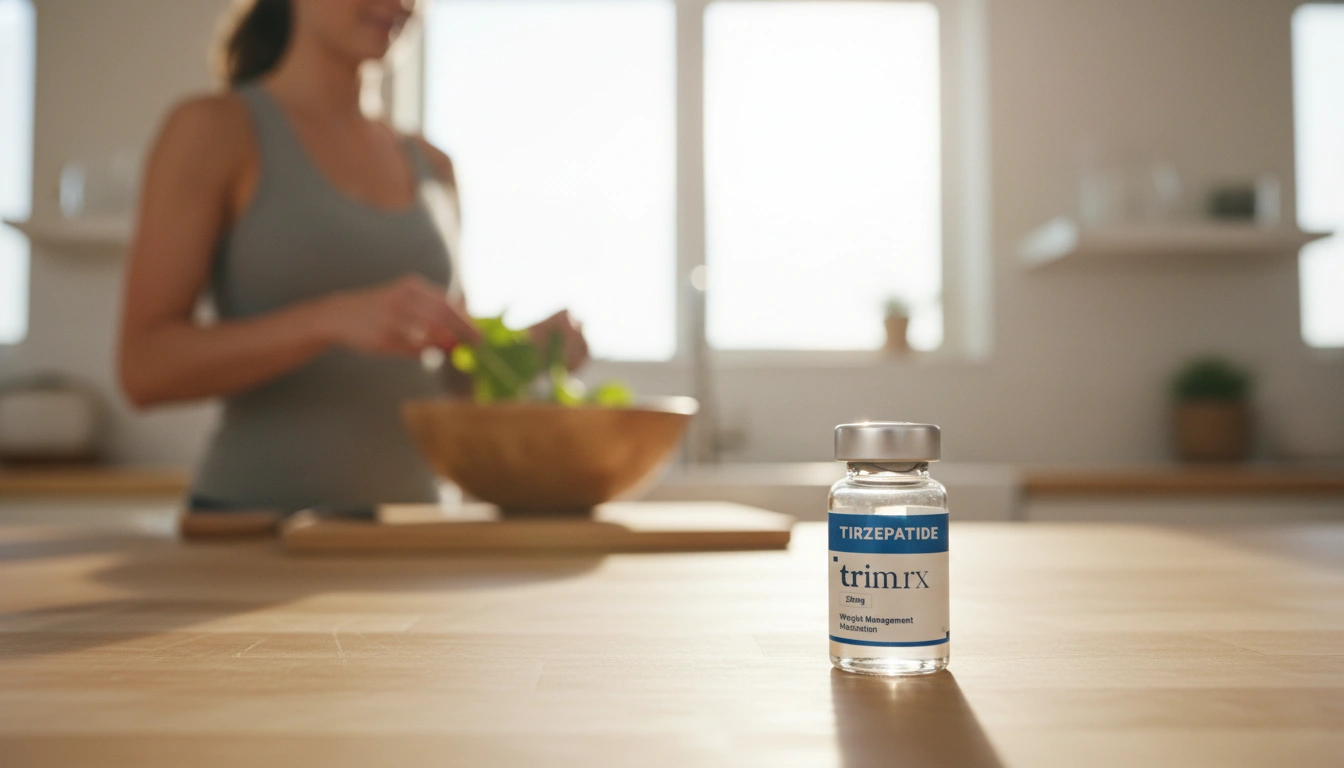
Tirzepatide is one of the most effective appetite suppressants available. That’s the point. But the same mechanism that makes it work so well for weight loss also makes it genuinely difficult to eat enough protein every day. When 4 ounces of chicken feels like a full meal and a second helping is out of the question, reaching 100 grams of protein before dinner requires a level of intentionality that most patients aren’t prepared for when they start.
This isn’t a minor detail. Protein intake during active weight loss on tirzepatide directly affects how much of what you lose comes from fat versus muscle. Getting it right is one of the most impactful things you can do to shape your results.
Why Protein Matters More on Tirzepatide Than on a Standard Diet
During any caloric deficit, the body draws on both fat stores and lean mass for energy. The ratio of fat to muscle lost depends heavily on two factors: resistance exercise and protein intake. Tirzepatide creates a significant caloric deficit through appetite suppression, which accelerates fat loss. But without adequate protein, muscle loss accelerates alongside it.
This matters beyond aesthetics. Muscle tissue drives resting metabolic rate. Losing a meaningful amount of muscle during weight loss means your metabolism operates at a lower baseline when treatment ends, which makes long-term weight maintenance harder. Protecting muscle during the active loss phase is an investment in where you end up, not just how fast you get there.
Protein also has the highest thermic effect of any macronutrient, meaning your body burns more calories digesting it than it does digesting fat or carbohydrates. On a reduced-calorie diet, that metabolic advantage adds up. And protein keeps you fuller longer, which complements tirzepatide’s appetite suppression rather than working against it.
The practical challenge is that tirzepatide’s dual GIP and GLP-1 receptor agonism produces stronger appetite suppression than semaglutide alone for many patients. The result is that meals feel complete much sooner, and the idea of eating more, even strategically, can feel genuinely unappealing.
How Much Protein Do You Actually Need on Tirzepatide
General dietary guidelines suggest 0.8 grams of protein per kilogram of body weight for sedentary adults. For patients actively losing weight on tirzepatide, that number is almost certainly too low.
Most clinical recommendations for patients in a caloric deficit who are trying to preserve lean mass fall in the range of 1.2 to 1.6 grams per kilogram of body weight, with some sports medicine guidelines suggesting up to 2.0 grams per kilogram for patients doing regular resistance training. For a practical starting point, many providers working with GLP-1 patients recommend a target of 100 to 130 grams of protein daily for most adults, adjusted up or down based on body size and activity level.
Let’s say a patient weighs 200 pounds (about 91 kg) and is doing moderate exercise three times a week. A target of 1.4 grams per kilogram puts their daily protein goal at around 127 grams. On a day where tirzepatide makes eating feel effortful, hitting 127 grams from food alone requires a deliberate plan from the first meal forward.
Building Your Day Around Protein Targets
The most reliable approach on tirzepatide is to treat protein as the non-negotiable anchor of every meal and snack, then build everything else around it. Carbohydrates and fats fill in what space remains after protein is accounted for.
Morning: Set the Tone Early
Mornings are often the easiest time to eat on tirzepatide because appetite suppression tends to be less intense earlier in the day. Taking advantage of this by front-loading protein gives you a significant head start.
Eggs are a practical morning staple: three whole eggs provide about 18 grams of protein in a format that’s easy to prepare and easy to eat in small amounts. Adding two egg whites brings that closer to 24 grams without substantially increasing volume. Greek yogurt (plain, 2% or full-fat) alongside eggs adds another 15 to 17 grams per three-quarter cup serving. A morning that combines eggs and Greek yogurt can deliver 35 to 40 grams of protein before 9am, which represents roughly a third of a daily target.
For patients who can’t face solid food in the morning, a protein shake made with whey or casein protein powder in water or unsweetened almond milk can deliver 25 to 30 grams in liquid form that’s easier to tolerate when appetite is suppressed.
Midday: The Protein Anchor Meal
Lunch on tirzepatide tends to be smaller than patients expect. What used to be a standard portion now feels excessive. Working with that rather than against it means choosing protein sources that are dense enough to deliver significant grams in a small volume.
Canned tuna or salmon in a small portion (3 to 4 ounces) provides 20 to 25 grams of protein and takes minutes to prepare. Chicken breast, grilled or baked, delivers about 26 grams per 3.5 ounce portion. Cottage cheese has become a go-to for many tirzepatide patients because a half cup provides 14 grams of protein in a soft, easy-to-eat format that doesn’t require a large appetite. Pairing any of these with a small amount of vegetables rather than a starch keeps the meal volume manageable while maximizing protein density.
A realistic midday target is 30 to 40 grams of protein. Combined with a strong morning, that puts most patients at 65 to 80 grams by early afternoon.
Afternoon: The Strategic Snack
The gap between lunch and dinner is where many tirzepatide patients lose ground on their protein targets. Appetite is often most suppressed in the mid-afternoon, and the impulse to snack disappears. This is exactly when an intentional protein snack matters most, not because you’re hungry, but because the math requires it.
A hard-boiled egg (6 grams), a string cheese (7 grams), a quarter cup of edamame (8 grams), or a small serving of roasted chickpeas (6 to 8 grams) are all low-volume options that add meaningful protein without requiring a real appetite to execute. The goal here isn’t a full snack experience. It’s a deliberate 6 to 10 gram addition that bridges the gap between midday and dinner.
Evening: Closing the Gap
Dinner is often the meal where tirzepatide patients feel most capable of eating a complete portion, particularly if they’ve eaten lightly through the day. This is the time to make up any remaining protein deficit from earlier meals.
A 4 to 5 ounce serving of salmon provides 28 to 35 grams of protein. Lean beef in the same portion range delivers a similar amount alongside iron and zinc, which are nutrients that tend to fall short on reduced-calorie GLP-1 diets. Shrimp is a useful option for patients who want high protein in very low volume: 4 ounces of shrimp delivers about 24 grams of protein at under 120 calories.
For plant-based patients, dinner is the most practical time to include higher-volume legume dishes. A cup of cooked lentils provides 18 grams of protein, and tempeh delivers about 20 grams per 3.5 ounce serving. These require more volume than animal proteins to hit the same numbers, which is worth planning for on a day when appetite is unpredictable.
When Food Isn’t Enough
Some patients on tirzepatide, particularly those with strong appetite suppression in the early dose escalation phase, genuinely cannot eat enough food to hit protein targets consistently. In those cases, protein supplementation fills a real gap rather than just adding convenience.
Whey protein is the most researched option for muscle preservation during weight loss, with a complete amino acid profile and rapid absorption. Casein protein digests more slowly and may be better suited to a pre-bed supplement if that fits your routine. For dairy-free patients, pea protein isolate is a well-absorbed plant-based option that mixes easily and has a protein content comparable to whey per serving.
The article on protein shakes on semaglutide covers what to look for when choosing a protein powder during GLP-1 treatment, and most of that guidance applies equally to tirzepatide. For context on how strength training fits into the picture, weight lifting on tirzepatide explains how resistance exercise and protein work together to protect lean mass during active weight loss.
If you’re considering tirzepatide and want a treatment plan that includes clinical support and nutrition guidance, the TrimRx intake quiz is where to start.
This information is for educational purposes and is not medical advice. Consult with a healthcare provider before starting any medication. Individual results may vary.

Transforming Lives, One Step at a Time
Keep reading

Can You Reduce a Tirzepatide Maintenance Dose Without Regaining?
Possibly, and the honest position is that nobody can tell you in advance. There is no established minimum effective maintenance dose, because the trials…

Should You Taper Off Tirzepatide or Just Stop? What the Evidence Says
There is very little direct evidence either way, and anyone who tells you otherwise is filling a gap with confidence. The withdrawal trials that…

Stalled on Tirzepatide Even After a Dose Increase: Your Options
The first thing to check is how long it has been since the increase, because most people ask this question too early. A dose…


