Eating Smart on Ozempic: Maximizing Your Journey with Personalized Nutrition
Introduction
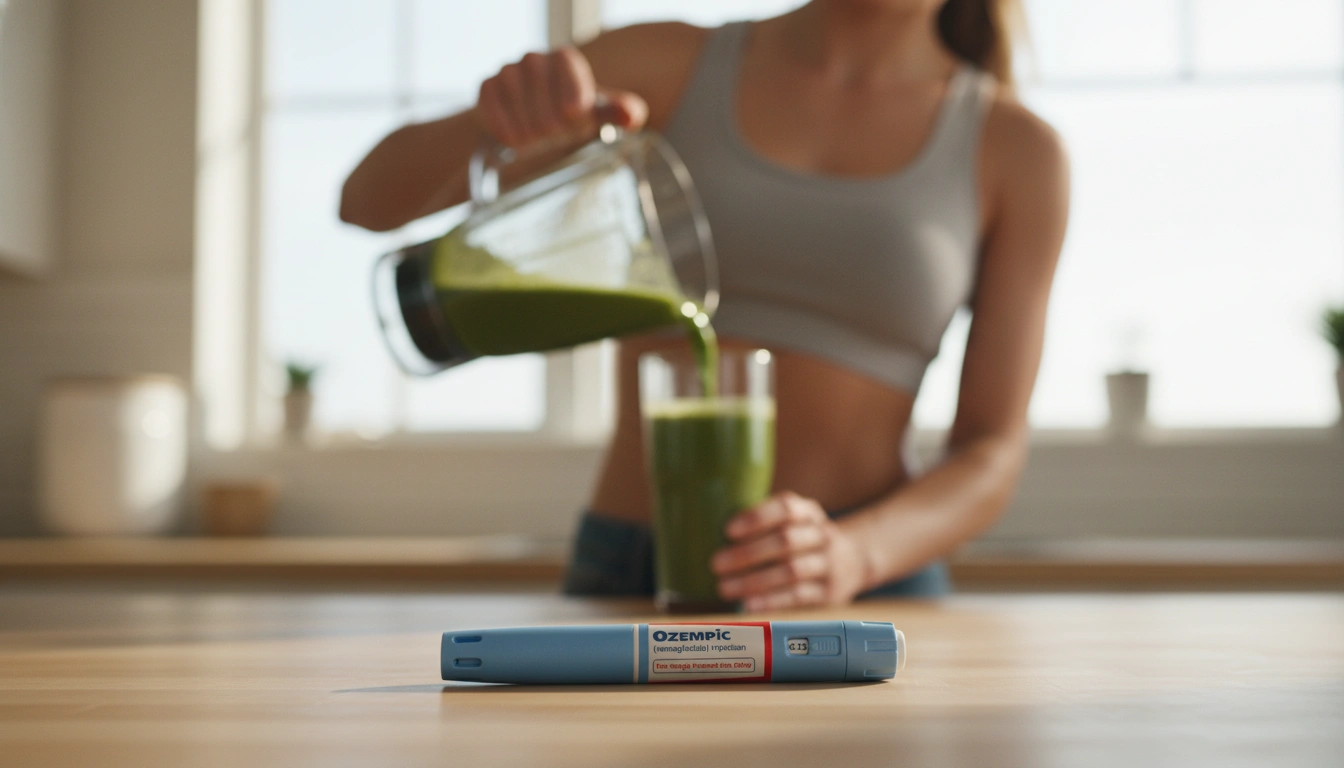
Embarking on a weight loss journey, especially with the support of medications like Ozempic, can bring a wave of hope and transformation. Many individuals find that these medications effectively quiet the constant “food noise” and reduce appetite, paving the way for significant progress. Yet, as the initial excitement settles, a common question often emerges: “what can I eat with Ozempic” to truly optimize results, manage potential side effects, and foster lasting well-being? The sheer volume of dietary advice available can be overwhelming, leaving many wondering how to navigate their daily meals in a way that truly complements their medication.
This isn’t merely about restricting calories; it’s about making informed, strategic food choices that nourish your body, mitigate common gastrointestinal discomforts, and build a foundation for sustainable health beyond just weight loss. The way we fuel our bodies plays a profoundly interconnected role with how these powerful medications work, influencing everything from blood sugar regulation to overall energy levels. Understanding this synergy is crucial for transforming a temporary treatment into a lifelong commitment to health.
At TrimRx, our journey began with a shared vision to help individuals embrace healthier lifestyles by merging cutting-edge telehealth innovations with effective weight loss solutions. We understand that each person’s path is unique, and our platform is designed to be a user-friendly and supportive space where individuals receive personalized, medically supervised care. We believe that sustainable weight loss should be achieved through science, empathy, and a transparent approach, extending beyond just medication to encompass a holistic understanding of nutrition and lifestyle.
This comprehensive guide will demystify the dietary landscape while taking Ozempic and similar GLP-1 receptor agonists. We will delve into how these medications interact with your body, identify the foods that empower your progress and alleviate discomfort, and highlight those that may hinder your success or exacerbate side effects. Furthermore, we will explore the pivotal role of personalized support in crafting an eating plan tailored to your unique needs and preferences. By the end, you’ll gain practical, actionable insights to confidently navigate your diet, ensuring you not only achieve your weight loss goals but also cultivate a healthier, more vibrant life. We’ll explore the underlying science, practical strategies, and how to access the individualized care that truly makes a difference.
Understanding Ozempic and the GLP-1 Mechanism
The landscape of weight management has been significantly shaped by advancements in GLP-1 receptor agonists, with Ozempic® (semaglutide) being a prominent example. These medications work in sophisticated ways to support both blood sugar control and weight loss, fundamentally altering how your body processes food and signals satiety. Understanding these mechanisms is the first step toward optimizing your diet and overall experience.
How GLP-1 Receptor Agonists Impact Your Body
GLP-1s, or glucagon-like peptide-1s, are a class of medications that mimic a natural hormone produced in your gut. This hormone plays several critical roles:
- Insulin Secretion: When you eat, GLP-1 signals your pancreas to release more insulin. This is crucial for people with type 2 diabetes, as insulin helps transport glucose from your bloodstream into cells for energy, thereby lowering blood sugar levels.
- Glucagon Suppression: Simultaneously, GLP-1 helps to reduce the liver’s production and release of glucagon, another hormone that raises blood sugar. By inhibiting glucagon, GLP-1s further contribute to stable blood glucose.
- Slowed Gastric Emptying: One of the most impactful effects for weight loss is the slowing of digestion. Food remains in your stomach for a longer period, contributing to a prolonged feeling of fullness. This extended satiety naturally leads to reduced calorie intake.
- Appetite Regulation and “Food Noise” Reduction: GLP-1s also act on appetite centers in the brain, decreasing hunger signals and reducing what many describe as “food noise”—the intrusive thoughts and cravings about food that can undermine dietary efforts. This neurobiological effect makes it easier to make mindful food choices.
The combination of these actions can lead to a significant reduction in calorie intake, often ranging from 16% to 39%, which is a primary driver of weight loss. While Ozempic® is FDA-approved for improving blood sugar in adults with type 2 diabetes and reducing the risk of major cardiovascular events, its active ingredient, semaglutide, is also found in Wegovy®, which is FDA-approved for chronic weight management. Similarly, Tirzepatide, another dual GIP/GLP-1 receptor agonist, is found in Mounjaro® (for type 2 diabetes) and Zepbound® (for chronic weight management), offering a similar spectrum of benefits.
The Essential Role of Diet and Lifestyle
While GLP-1 medications are powerful tools, they are most effective when integrated into a comprehensive approach that includes healthy eating and regular physical activity. We believe that sustainable weight loss is a holistic journey. Medications can provide a significant advantage by reshaping your physiological responses to food, but the long-term success and maintenance of your health goals hinge on the sustainable habits you cultivate.
A balanced diet complements the medication by providing essential nutrients, stabilizing blood sugar, and mitigating potential side effects. Exercise further enhances insulin sensitivity and helps preserve lean muscle mass during weight loss, which is critical for maintaining a healthy metabolism. Ignoring dietary and exercise principles while on medication can slow progress and diminish the overall health benefits, underscoring that these medications are part of a larger, integrated strategy.
At TrimRx, our personalized weight loss programs recognize this synergy. We understand that every individual’s body responds differently, and we are committed to providing care that respects your unique journey. Our approach combines advanced medical science with modern technology, offering compassionate support designed to make sustainable weight loss attainable and tailored to the individual. To explore how our personalized, medically supervised care can support your unique goals, we invite you to take our free assessment quiz.
General Nutritional Guidelines While on Ozempic
When taking Ozempic or similar GLP-1 medications, your appetite and digestion may change significantly. This necessitates a thoughtful adjustment to your eating habits to ensure you’re getting adequate nutrition, managing side effects, and maximizing your weight loss efforts. There is no rigid “Ozempic diet plan” that applies universally; instead, a personalized approach focusing on nutrient density and mindful eating is key.
Prioritizing Nutrient-Dense Foods
With reduced appetite and slower digestion, every bite counts. Focusing on nutrient-dense foods ensures your body receives the vitamins, minerals, and macronutrients it needs, even if you’re eating smaller portions.
Lean Proteins: Your Foundation for Fullness and Muscle Preservation
Protein is arguably the most critical macronutrient when you’re on a GLP-1 medication. It promotes satiety, helping you feel fuller for longer, which naturally reduces overall calorie intake. Furthermore, when losing weight, it’s essential to preserve lean muscle mass. Adequate protein intake helps prevent muscle breakdown, ensuring that the weight you lose is primarily fat. Aim to incorporate a source of lean protein into every meal and snack.
- Examples of lean proteins: Chicken breast, turkey, fish (salmon, cod, tuna, sardines), eggs, Greek yogurt, cottage cheese, tofu, tempeh, edamame, lentils, and beans.
- Practical Tips: Start your meals with protein. If you find yourself getting full quickly, prioritize your protein intake first to ensure you meet your daily needs. Many experts recommend at least 60 grams of protein daily, with some suggesting 1.0 to 1.2 grams per kilogram of body weight, depending on individual needs and activity levels.
Fiber-Rich Foods: Supporting Digestion and Regularity
Slowing gastric emptying can sometimes lead to gastrointestinal side effects like constipation. Fiber is your ally in maintaining digestive health. It adds bulk to your stool, promotes regular bowel movements, and contributes to satiety by slowing down nutrient absorption, which helps stabilize blood sugar.
- Examples of fiber-rich foods:
- Vegetables: Leafy greens (spinach, kale), broccoli, cauliflower, Brussels sprouts, bell peppers, carrots, cucumbers, zucchini, asparagus.
- Fruits: Berries (strawberries, raspberries, blueberries), apples, pears, oranges, melon.
- Whole Grains: Oats, quinoa, brown rice, whole-wheat bread and pasta, farro, bulgur.
- Legumes: Lentils, black beans, chickpeas.
- Nuts and Seeds: Almonds, walnuts, chia seeds, flaxseeds, hemp seeds.
- Practical Tips: Gradually increase your fiber intake to avoid gas and bloating. Choose whole fruits over juice, and opt for whole grains instead of refined carbohydrates.
Healthy Fats: Sustained Energy and Nutrient Absorption
While “fat” sometimes gets a bad rap, healthy fats are essential for overall health, hormone production, and the absorption of fat-soluble vitamins. They also contribute to satiety, making your meals more satisfying and helping to balance blood sugar when consumed with carbohydrates.
- Examples of healthy fats: Avocados, olive oil, nuts (almonds, walnuts), seeds (chia, flax, pumpkin), fatty fish like salmon.
- Practical Tips: Incorporate small portions of healthy fats into your meals. For instance, a slice of avocado with your chicken salad, a handful of nuts as a snack, or a drizzle of olive oil on your vegetables. Be mindful of portion sizes, as fats are calorie-dense.
Hydration: Your Body’s Essential Need
Dehydration can worsen common side effects like nausea and constipation. Staying adequately hydrated is crucial for every bodily function, especially when your appetite for food might be diminished.
- Examples of hydrating fluids: Plain water, sparkling water, herbal teas, infused water (with lemon, cucumber, or mint), and water-rich foods like watermelon, strawberries, and lettuce.
- Practical Tips: Drink water consistently throughout the day, rather than waiting until you feel thirsty. Keep a water bottle handy and aim for small, frequent sips, especially between meals.
Mindful Eating Practices
Beyond what you eat, how and when you eat are equally important.
- Smaller, More Frequent Meals: With digestion slowed, larger meals can sit uncomfortably in your stomach, increasing the risk of nausea, bloating, and heartburn. Opting for smaller, more frequent meals throughout the day can be gentler on your digestive system.
- Eat Slowly and Chew Thoroughly: Give your body time to register fullness. Eating slowly and chewing your food well aids digestion and helps prevent overeating, which can trigger discomfort on GLP-1s.
- Listen to Your Body: Pay attention to your hunger and fullness cues. Ozempic can significantly alter these signals, so learning to identify true hunger versus habit or emotional eating becomes even more critical. Stop eating when you feel satisfied, not stuffed.
- Post-Meal Activity: A short, gentle walk after meals can aid digestion and help manage blood sugar levels. Avoid lying down immediately after eating.
Our commitment at TrimRx is to offer compassionate care that respects every individual’s unique journey. We combine advanced medical science with modern technology to deliver results-oriented, personalized solutions. This involves not just providing access to effective medications like compounded Semaglutide, Oral Semaglutide, Ozempic®, Compounded Tirzepatide, Oral Tirzepatide, Mounjaro®, Zepbound®, and Wegovy® (all available after a free assessment quiz), but also guiding you in integrating essential lifestyle changes.
Foods to Embrace: Building a Supportive Diet
Building a supportive diet while on Ozempic means consciously choosing foods that align with its mechanisms and help you feel your best. Think of your plate as an opportunity to fuel your body efficiently and deliciously.
The Mediterranean Approach: A Gold Standard
Many healthcare professionals advocate for an eating plan similar to the Mediterranean diet as a blueprint for those on GLP-1 medications. This style of eating is inherently rich in the very nutrients that support overall health and weight management, emphasizing whole, unprocessed foods.
Lean Proteins for Sustained Energy
As discussed, protein is paramount. Focus on diverse sources:
- Poultry: Chicken and turkey are versatile and lean. Opt for skinless breasts and lean ground options.
- Fish and Seafood: Rich in healthy fats (especially omega-3s), fish like salmon, cod, tuna, and sardines offer excellent protein.
- Eggs: A complete protein, easy to prepare, and highly nutritious.
- Plant-Based Options: Tofu, tempeh, edamame, lentils, and a variety of beans are fantastic sources of protein and fiber, offering diverse meal possibilities.
- Dairy (in moderation): Greek yogurt and kefir provide protein and probiotics, which can be beneficial for gut health.
An Abundance of Vegetables
Aim to fill at least half your plate with non-starchy vegetables. They are low in calories, high in fiber, and packed with vitamins, minerals, and disease-fighting antioxidants.
- Leafy Greens: Spinach, kale, romaine, mixed greens.
- Cruciferous Vegetables: Broccoli, cauliflower, Brussels sprouts (cooked varieties often easier to digest).
- Colorful Options: Bell peppers, carrots, zucchini, asparagus, eggplant, mushrooms, tomatoes, onions. The more colors, the wider the spectrum of phytonutrients you consume.
Smart Fruit Choices
Fruits provide natural sweetness, fiber, and essential nutrients. While some fruits are higher in natural sugars, the fiber content helps mitigate rapid blood sugar spikes.
- Berries: Blueberries, raspberries, strawberries, blackberries are excellent choices, lower in sugar and high in antioxidants.
- Citrus Fruits: Oranges, grapefruits, clementines.
- Other Good Options: Apples, pears, peaches, plums, kiwi, cantaloupe.
- Practical Tip: Stick to 1-2 servings of fruit per day, viewing them as a nutritious snack or a light dessert, particularly those lower in sugar.
Wholesome Whole Grains
Swap refined grains for their whole-grain counterparts. These provide sustained energy and a crucial source of fiber.
- Examples: Brown rice, quinoa, whole-grain bread, whole-wheat pasta, oats, farro, bulgur, barley.
- Portion Control: Whole grains should make up about a quarter of your plate to ensure balanced macronutrient intake.
Gut-Friendly Fermented Foods
Certain fermented foods can introduce beneficial bacteria to your gut, potentially easing some digestive side effects and supporting overall gut health.
- Examples: Plain yogurt with live cultures, kefir, sauerkraut, kimchi.
- Practical Tip: Introduce these gradually if you’re not used to them.
These food choices, coupled with our clinically proven, personalized weight loss solutions at TrimRx, create a powerful synergy. Our comprehensive service includes doctor consultations, medication, lab work, unlimited support, and shipping with no hidden fees, all designed to guide you toward a healthier you. To learn more about how we can support your journey, consider taking our free assessment quiz. For immediate support, explore our GLP-1 Daily Support or Weight Loss Boost supplements.
Foods to Limit or Avoid: Minimizing Side Effects and Maximizing Progress
Just as important as knowing what to eat is understanding which foods might hinder your progress or exacerbate the common side effects associated with GLP-1 medications. The goal isn’t necessarily to eliminate these foods entirely but to be mindful of their impact and limit their consumption.
High-Fat and Greasy Foods
Ozempic already slows down digestion. When you introduce foods that are naturally difficult and slow to digest, such as those high in fat, you intensify this effect. This can lead to food sitting in your stomach for even longer, significantly increasing the likelihood and severity of nausea, vomiting, bloating, and heartburn.
- Examples to limit: Fried foods (fried chicken, french fries, donuts), fast food, greasy burgers, high-fat processed meats (sausages, bacon), rich creamy sauces, excessive amounts of butter or oil, and high-fat cheese.
- Why they’re problematic: They can cause prolonged discomfort, contribute to acid reflux, and often pack a high caloric punch with minimal nutritional value, counteracting weight loss efforts.
Refined Carbohydrates and Sugary Foods/Drinks
These types of foods offer quick energy but often lack fiber, leading to rapid blood sugar spikes followed by crashes. While Ozempic helps regulate blood sugar, consistently consuming these foods can challenge its effectiveness and contribute to cravings. Furthermore, sugary drinks and highly refined carbohydrates offer “empty calories” that don’t contribute to satiety.
- Examples to limit: White bread, white pasta, sugary cereals, cakes, cookies, pastries, candy, regular sodas, sweetened fruit juices, energy drinks, and excessively sweet desserts.
- Why they’re problematic: They provide minimal nutritional benefit, can lead to energy fluctuations, and contribute to weight gain rather than loss. Sugary beverages, in particular, can spike blood sugar and cause gastrointestinal upset without providing any fullness.
Ultra-Processed Foods
Ultra-processed foods undergo significant industrial processing and often contain high levels of unhealthy fats, added sugars, sodium, and artificial ingredients. They are typically low in fiber and essential nutrients.
- Examples to limit: Packaged snacks (chips, pretzels), many frozen ready meals, processed meats, instant noodles, and some condiments high in sugar and unhealthy fats.
- Why they’re problematic: They are designed to be hyper-palatable, encouraging overconsumption, and can derail weight loss goals while offering little in the way of beneficial nutrition. Their complex ingredient lists can also be harder for a slowed digestive system to handle.
Alcohol
Alcohol not only adds empty calories but can also exacerbate the gastrointestinal side effects of GLP-1 medications, such as nausea and vomiting. It can also potentially lower blood sugar, especially if consumed on an empty stomach, which can be a concern for individuals managing diabetes.
- Why it’s problematic: Nutritional void, increased risk of side effects, potential blood sugar fluctuations. Interestingly, some research suggests that GLP-1s like semaglutide may reduce alcohol cravings, making it potentially easier to limit intake.
- Practical Tip: If you choose to drink, do so in moderation (as per general health guidelines: one drink or less per day for women, two or less for men), and ensure you’re well-hydrated.
Spicy Foods and Caffeine
For some individuals, spicy foods can irritate the stomach lining, potentially worsening heartburn or nausea. Similarly, while coffee itself may not be problematic, sugary coffee drinks with high-fat creams can mimic the issues of high-fat and high-sugar foods.
- Why they might be problematic: Can increase stomach irritation and heartburn for sensitive individuals.
- Practical Tip: Observe how your body reacts. If spicy foods or too much caffeine cause discomfort, consider reducing your intake or opting for bland alternatives when experiencing side effects.
Recognizing these problematic foods and adjusting your intake is a crucial aspect of effectively managing your weight loss journey with Ozempic. Our transparent service at TrimRx ensures that our approach remains consistent, regardless of dosage changes, always prioritizing your safety and well-being. We partner exclusively with FDA-registered and inspected pharmacies for the shipping of weight loss medications to ensure you receive safe, high-quality products. We encourage you to reflect on your current eating habits: are there any foods on this list that you regularly consume that might be contributing to discomfort or slowing your progress? If you’re looking for more structured guidance, remember to take our free assessment quiz to explore a personalized treatment plan with professional oversight.
Optimizing Your Ozempic Journey: Beyond Food Choices
While dietary adjustments are foundational, maximizing your experience with Ozempic involves a holistic approach that integrates lifestyle factors, careful monitoring, and professional guidance. This comprehensive strategy ensures you’re not just losing weight but fostering overall metabolic health and sustainable habits.
Managing Side Effects Proactively
Even with diligent food choices, some individuals may experience gastrointestinal side effects like nausea, vomiting, constipation, or diarrhea, especially when starting the medication or increasing dosage.
- Go Bland When Needed: If nausea or stomach upset occurs, revert to bland, easily digestible foods. Think crackers, toast, rice, chicken broth, and plain baked chicken or fish. Avoid anything spicy, highly acidic, or overly rich.
- Stay Hydrated Consistently: Dehydration can worsen nausea and constipation. Sip on plain water, clear broths, or sugar-free electrolyte beverages throughout the day. Iced ginger tea can also be soothing.
- Movement Helps: Gentle physical activity, like a short walk after meals, can aid gastric motility and alleviate discomfort.
- Medication Adherence: Follow your prescribing physician’s instructions precisely regarding dosage and administration. For oral forms like Rybelsus®, taking it on an empty stomach with minimal water at least 30 minutes before eating is crucial for absorption. Injectable forms like Ozempic® and Wegovy® can be taken with or without food.
- Consider Over-the-Counter Aids: Discuss with your doctor whether mild over-the-counter remedies for indigestion (like antacids or gas relievers) might be appropriate for occasional discomfort.
The Importance of Personalized, Medically Supervised Care
The phrase “no one-size-fits-all diet” is particularly true when taking a powerful medication like Ozempic. Your individual response, existing health conditions, dietary preferences, and the specific side effects you experience all necessitate a tailored approach. This is where personalized, medically supervised care becomes indispensable.
- Expert Guidance: A healthcare professional specializing in obesity medicine or a registered dietitian can help you:
- Determine Nutritional Needs: Calculate appropriate protein, fiber, and calorie targets based on your unique body composition and weight loss goals.
- Craft a Meal Plan: Develop a personalized eating plan that accommodates your cultural preferences, dietary restrictions, and addresses specific side effect concerns.
- Monitor Progress and Adjust: Regularly assess your weight loss trajectory, nutrient intake, and side effect profile, making necessary adjustments to your diet and potentially even medication dosage with your doctor.
- Build Sustainable Habits: Provide education and strategies for long-term behavior change, ensuring that you develop habits that will serve you well beyond the medication phase.
- Addressing Age-Related Changes: As we age, typically starting in our 30s, we begin to lose muscle mass (sarcopenia). For individuals taking GLP-1s, preserving muscle mass is paramount to prevent weight regain and maintain metabolic health. A personalized plan emphasizes sufficient protein intake and incorporates resistance exercise to counteract this natural decline. This becomes increasingly important through your 40s, 50s, and 60s, where nutrient density needs to be a primary focus to combat potential deficiencies in vitamins like D, iron, calcium, and potassium, which can be challenging on a reduced calorie intake.
Our brand at TrimRx is empathetic, innovative, trustworthy, supportive, results-oriented, and personalized. We offer comprehensive service that includes doctor consultations, medication provided through FDA-registered, inspected, and approved pharmacies (such as Ozempic®, Mounjaro®, Zepbound®, Wegovy® for branded options, and compounded Semaglutide/Tirzepatide, Oral Semaglutide/Tirzepatide for other options), lab work, unlimited support, and shipping with no hidden fees. Our goal is to empower you with the tools and knowledge to succeed safely and effectively. We do not claim that compounded medications are FDA approved; however, branded medications like Ozempic® and Zepbound® have received FDA approval.
We strongly encourage you to seek professional medical advice to ensure your treatment plan is safe, effective, and tailored to your needs. If you’re ready to explore a personalized pathway to weight loss, we invite you to take our free assessment quiz. For ongoing daily support, you can also explore our quick-access supplements like GLP-1 Daily Support and Weight Loss Boost, available without a quiz.
Cultivating Long-Term Success and Sustainable Habits
The true measure of a successful weight loss journey isn’t just the numbers on the scale, but the sustainable habits you cultivate that contribute to lifelong health. Ozempic and similar medications serve as powerful catalysts, creating an opportune window to reset your relationship with food and establish practices that will benefit you for years to come.
Building a New Relationship with Food
The reduction in “food noise” offered by GLP-1s can be revolutionary. For many, it’s the first time they’ve experienced eating without constant intrusive thoughts about food. This newfound mental space allows for a more conscious and mindful approach to eating.
- Focus on Satisfaction, Not Deprivation: Instead of thinking about what you “can’t” have, shift your focus to the vast array of delicious, nutritious foods that make you feel good.
- Experiment with New Recipes: Use this time to explore wholesome recipes rich in lean protein, fiber, and healthy fats. Discover new flavors and cooking methods that support your health goals.
- Mindful Indulgences: When you do choose to enjoy a less-than-optimal food, do so mindfully. Savor small portions, truly taste it, and observe how your body reacts. This conscious approach helps prevent the feeling of being “off-track.”
Incorporating Regular Physical Activity
Complementing your diet with regular exercise is critical. It aids in weight loss, improves insulin sensitivity, boosts mood, and crucially, helps preserve muscle mass.
- Variety is Key: Combine cardiovascular exercises (walking, jogging, cycling) with strength training. Strength training is particularly important for muscle preservation, especially as you age.
- Find What You Enjoy: Consistency is more important than intensity. Choose activities you genuinely enjoy to make them a sustainable part of your routine.
- Listen to Your Body: Start slowly and gradually increase intensity and duration.
The Role of Consistent Support
Long-term success is rarely achieved in isolation. Continuous support, whether from healthcare professionals, a supportive community, or a platform like TrimRx, is invaluable.
- Regular Check-ins: Periodic consultations with your medical provider ensure your medication regimen is appropriate and any emerging concerns are addressed.
- Nutritional Counseling: Working with a registered dietitian offers ongoing guidance, helping you adapt your diet as your needs change and overcome challenges.
- Embrace Our Ecosystem of Care: At TrimRx, we pride ourselves on providing a comprehensive ecosystem of support. From your initial doctor consultation to lab work, medication management (shipped directly from FDA-registered, inspected pharmacies), and unlimited ongoing support, we are with you every step of the way. Our brand is built on being a trustworthy and supportive partner in your health journey. We ensure that our compassionate care and transparent service are consistent, empowering you to achieve lasting results.
Our vision at TrimRx is to provide medically supervised care that is tailored to you, making sustainable weight loss attainable. We empower you through personalized treatment plans, combining the power of prescription weight loss medications like Compounded Semaglutide, Oral Semaglutide, Ozempic®, Compounded Tirzepatide, Oral Tirzepatide, Mounjaro®, Zepbound®, and Wegovy® (available after a free assessment quiz), with the essential tools for dietary and lifestyle transformation. Additionally, our quick-access supplements such as GLP-1 Daily Support and Weight Loss Boost offer immediate ways to support your overall wellness. What steps can you take today to integrate these long-term habits into your routine?
Conclusion
Navigating your diet while on Ozempic and similar GLP-1 medications is a pivotal component of a successful, sustainable weight loss journey. It’s an opportunity to reframe your relationship with food, moving towards choices that not only support the medication’s effects but also foster profound improvements in your overall health and well-being. We’ve explored how these powerful medications work to regulate appetite and blood sugar, emphasizing that their effectiveness is significantly amplified when paired with mindful, nutrient-dense eating.
By prioritizing lean proteins, abundant fiber, and healthy fats, while limiting ultra-processed, sugary, and high-fat foods, you can optimize your results, minimize uncomfortable side effects, and ensure your body receives the essential nourishment it needs. The shift to smaller, more frequent meals, diligent hydration, and listening to your body’s new signals are all crucial practices that contribute to a smoother experience. Remember, this journey extends beyond the medication itself, laying the groundwork for enduring healthy habits that will serve you throughout your life, adapting to your evolving needs, especially as you navigate different life stages.
At TrimRx, we are dedicated to providing clinically proven, personalized weight loss solutions that prioritize your safety and effective progress. Our brand is built on trust, empathy, and innovation, offering comprehensive, medically supervised care designed to make your weight loss goals attainable and sustainable. We understand that this journey is deeply personal, and our platform is engineered to be a supportive space where you receive tailored guidance every step of the way. From doctor consultations to medication delivered from FDA-registered and inspected pharmacies, laboratory support, and unlimited ongoing assistance, our transparent service is designed with your success in mind.
If you’re ready to embark on a transformative weight loss journey with personalized, expert support, we encourage you to discover if you qualify for our prescription weight loss medications by taking our free assessment quiz. For immediate support to complement your wellness goals, explore our GLP-1 Daily Support and Weight Loss Boost supplements. Your path to a healthier, more vibrant you begins with informed choices and dedicated support, and we are here to walk it with you.
Frequently Asked Questions
FAQ 1: Can I eat anything I want, just less of it, since Ozempic reduces my appetite?
While Ozempic effectively reduces your appetite and “food noise,” it’s crucial to focus on what you eat, not just how much. Because the medication slows digestion, high-fat, high-sugar, and ultra-processed foods can still cause significant gastrointestinal discomfort like nausea, bloating, and heartburn. Additionally, these foods offer minimal nutritional value, potentially leading to nutrient deficiencies and hindering sustainable weight loss. Prioritizing lean proteins, fiber-rich vegetables, fruits, and whole grains ensures your body receives essential nutrients, manages side effects, and promotes overall health.
FAQ 2: What are the most common foods that cause side effects like nausea while on Ozempic?
Many individuals report that high-fat, greasy, or fried foods, as well as sugary drinks and highly processed snacks, are the most common culprits for exacerbating side effects such as nausea, vomiting, and heartburn. These foods are harder and slower for your body to digest, making the slowed gastric emptying caused by Ozempic more pronounced and potentially leading to discomfort. Spicy foods and excessive alcohol consumption can also irritate the stomach for some people.
FAQ 3: How important is protein intake when taking Ozempic for weight loss?
Protein intake is extremely important. When losing weight, it’s essential to preserve lean muscle mass. Adequate protein helps prevent muscle breakdown, ensuring that the weight you lose is primarily fat. Protein also contributes significantly to satiety, helping you feel fuller for longer, which naturally aids in reducing overall calorie intake. Aim to include a lean protein source in every meal and snack, such as chicken, fish, eggs, Greek yogurt, tofu, or lentils. Our personalized plans at TrimRx emphasize balanced nutrition, including optimal protein levels, to support healthy weight loss.
FAQ 4: How can TrimRx help me create a personalized eating plan while on Ozempic?
At TrimRx, we offer comprehensive, medically supervised weight loss programs tailored to your unique needs. After completing our free assessment quiz, you’ll receive a personalized treatment plan developed in consultation with our medical professionals. This plan includes guidance on dietary strategies, medication (such as Ozempic® or other suitable options provided through FDA-registered, inspected pharmacies), lab work, and unlimited ongoing support. Our approach focuses on building sustainable habits and ensuring you receive the right nutritional advice to complement your medication and achieve your health goals safely and effectively.

Transforming Lives, One Step at a Time
Keep reading

What to Do If Your Ozempic Pen Malfunctions
You’ve set aside time for your weekly injection, you pick up the pen, and something isn’t right. Maybe the dose button won’t push down,…

Ozempic and Water Retention: What Patients Notice
Water retention on Ozempic sits in a confusing middle ground. Some patients notice puffiness or swelling, particularly in the hands, feet, or ankles, while…

Ozempic and Heartburn: Managing Acid Reflux on GLP-1
Heartburn on Ozempic tends to surprise people. You’re eating less, your meals are smaller, and yet you’re experiencing more acid reflux than before. It…


