Eating Sweets on Ozempic: A Balanced Approach to Your Weight Loss Journey
Introduction
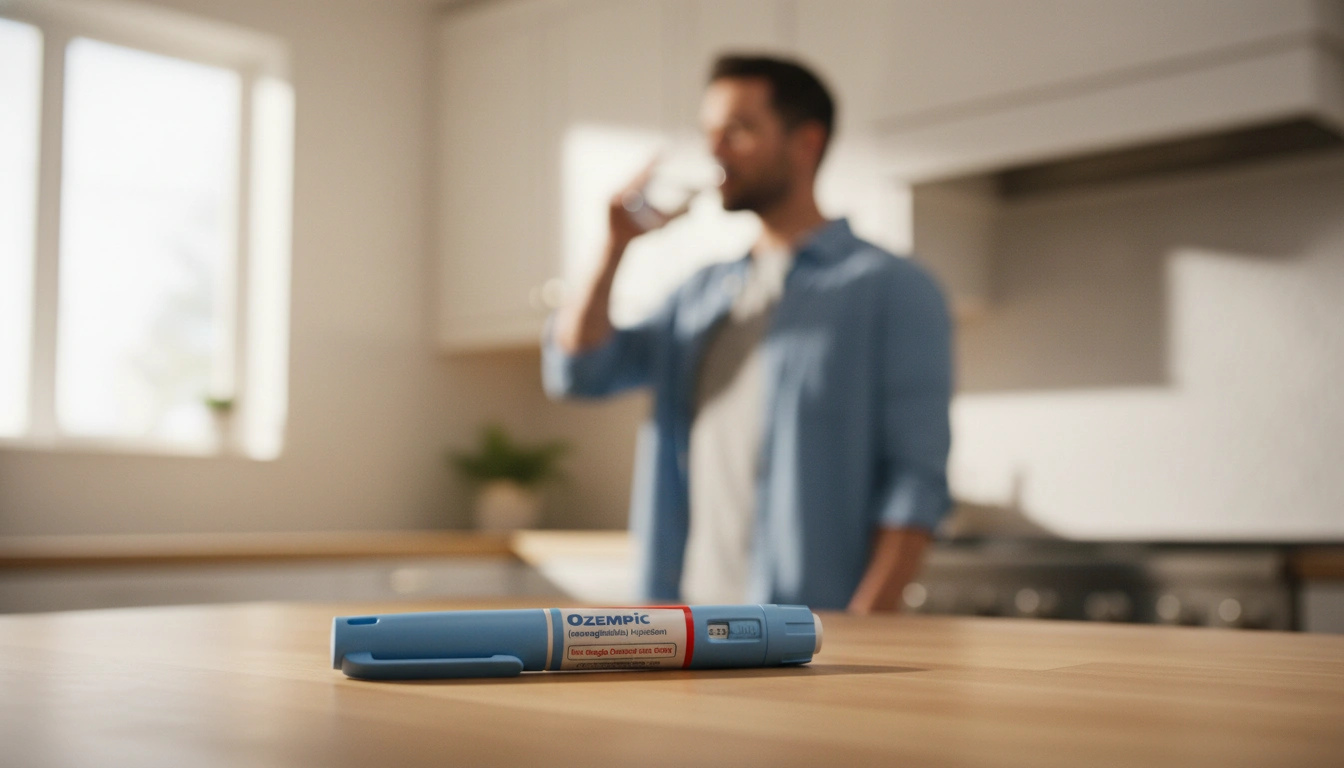
The desire for a sweet treat is a natural part of life for many, a small pleasure woven into our daily routines, celebrations, and even moments of comfort. But when embarking on a weight loss journey, especially with the support of advanced medications like Ozempic, questions naturally arise about how these indulgences fit in. Can you truly enjoy sweets while navigating the profound changes these medications bring to your metabolism and appetite? This isn’t just a culinary query; it touches upon the core of sustainable lifestyle change and finding balance in a world that often demands strict adherence.
At TrimRx, our journey began with a shared vision to help individuals embrace healthier lifestyles by merging cutting-edge telehealth innovations with effective weight loss solutions. We understand these questions intimately, recognizing that the path to sustainable weight loss is deeply personal and rarely linear. Our platform is a user-friendly and supportive space where individuals receive personalized, medically supervised care—all designed to make sustainable weight loss attainable and tailored to the individual. We believe that sustainable weight loss should be achieved through science, empathy, and a transparent approach.
This comprehensive guide will delve into the intricacies of dietary choices, particularly regarding sweets, when using GLP-1 receptor agonists such as Ozempic. We’ll explore how these medications work, their impact on your body, and the specific considerations for incorporating or limiting sugary foods to optimize your treatment outcomes and minimize potential side effects. Furthermore, we will highlight how our personalized programs at TrimRx, developed with compassionate care and advanced medical science, can guide you in making informed dietary decisions, offering support every step of the way. By the end of this post, you will gain a clearer understanding of how to approach sweets thoughtfully, ensuring your dietary choices align with your health goals and the effectiveness of your personalized weight loss plan.
Understanding How GLP-1 Medications Impact Your Body
GLP-1 receptor agonists like Ozempic (semaglutide) have revolutionized the landscape of weight management and type 2 diabetes treatment. These medications work by mimicking a natural hormone in your body called glucagon-like peptide-1 (GLP-1), which plays a crucial role in regulating appetite, blood sugar, and digestion. Understanding their mechanisms is key to appreciating why certain dietary choices, including the consumption of sweets, warrant careful consideration.
The Science Behind GLP-1s and Digestion
One of the primary ways GLP-1 medications influence your body is by slowing down gastric emptying. This means that food stays in your stomach for a longer period before moving into the small intestine. This delayed digestion contributes to a prolonged feeling of fullness, which can naturally lead to reduced food intake and, consequently, weight loss.
However, this slowed digestive process also means that certain foods can sit in your stomach for even longer, potentially exacerbating gastrointestinal side effects such as nausea, vomiting, diarrhea, constipation, and heartburn. Foods that are inherently difficult to digest, or those that typically cause digestive upset, become even more challenging when your stomach is operating at a reduced speed. This is a critical factor when considering foods that are rich, fatty, or overly sweet, as their slower transit can lead to discomfort.
Moreover, GLP-1s affect insulin secretion and glucagon release. They stimulate the pancreas to release more insulin when blood sugar levels are high, helping to lower glucose. Simultaneously, they suppress the release of glucagon, a hormone that raises blood sugar. This dual action is incredibly effective for blood sugar management, but it also means that introducing excessive amounts of sugar can still challenge your body’s regulatory systems, even with medication support.
The Role of Appetite Regulation
Beyond their digestive impact, GLP-1 medications significantly influence your appetite and satiety signals. Many individuals report a substantial reduction in hunger and an increased feeling of fullness after starting these treatments. This can be a powerful tool in managing caloric intake and making healthier food choices. The medication helps silence the persistent “food noise” that many people struggling with weight experience, allowing for more mindful eating and less compulsive consumption.
This newfound control over appetite often makes it easier to resist cravings for highly palatable foods, including sweets. However, it’s also important to differentiate between true hunger and emotional eating or habitual consumption. While the medication can help with physical hunger, understanding and addressing the psychological aspects of eating remains a vital part of a comprehensive weight loss strategy. Our personalized programs at TrimRx are designed to support you in navigating these complex interactions, combining medical insights with strategies for long-term behavioral change. We offer compassionate care that respects every individual’s unique journey by combining advanced medical science with modern technology.
Can You Really Eat Sweets on Ozempic? The Moderation Mindset
The question of whether you can eat sweets on Ozempic or similar GLP-1 medications is nuanced. The short answer is that no food is strictly “off-limits” in a healthy, balanced diet. However, moderation, mindful consumption, and understanding the potential impacts of sugary foods are paramount. Our goal at TrimRx is to empower you with the knowledge to make informed decisions that support your health and weight loss journey.
The Impact of Sugary Foods on Blood Sugar and Weight Management
GLP-1 medications are highly effective at helping to manage blood sugar levels and promote weight loss. However, consuming large quantities of added sugars can counteract these benefits. When you eat sugary foods, especially those high in refined sugars and low in fiber, your blood glucose levels can spike rapidly. While Ozempic helps the body produce more insulin in response to high blood sugar, consistently overwhelming your system with sugar can diminish the medication’s overall effectiveness in maintaining stable glucose levels.
For individuals with type 2 diabetes, this is particularly critical, as uncontrolled blood sugar can lead to long-term health complications. Even for those using these medications primarily for weight loss, high sugar intake often means consuming excess calories without significant nutritional value, potentially hindering progress. Remember, these medications are designed to support a healthy lifestyle, not replace it. A diet high in ultra-processed foods, even with medication, can lead to suboptimal results and continued health risks.
Therefore, we encourage focusing on whole, unprocessed foods that provide sustained energy and essential nutrients. If you are tracking your carbohydrate intake, it’s generally advisable to limit added sugars and be mindful of total carbohydrate grams per meal and snack to avoid significant blood sugar fluctuations.
Sweet Treats and Gastrointestinal Side Effects
Beyond blood sugar and weight management, very sweet foods and drinks can also exacerbate the common gastrointestinal side effects associated with GLP-1 medications. As discussed, these medications slow gastric emptying. When combined with the high sugar content, which can be irritating to the digestive tract for some individuals, it can intensify symptoms like:
- Nausea and Vomiting: Overly sweet or rich foods can be harder for a slowed stomach to process, leading to a feeling of sickness.
- Heartburn and Indigestion: Sugary foods, especially when combined with fats, can prolong digestion and increase the likelihood of acid reflux.
- Diarrhea or Constipation: While individual responses vary, a diet high in processed sugars and low in fiber can disrupt normal bowel function, potentially worsening these symptoms.
Many individuals find that they become more sensitive to very sweet foods after starting GLP-1 therapy. What was once a tolerable dessert might now cause discomfort. This is often a signal from your body that moderation is key. When you do choose to indulge in a sweet treat, consider smaller portions and less intensely sugary options. Pairing a sweet with protein or fiber can also help slow its absorption and mitigate potential spikes or discomfort.
Navigating Sugar Cravings
The good news is that many people find their cravings for sugary foods naturally diminish while on GLP-1 medications due to the appetite-regulating effects. However, old habits or emotional triggers can still lead to a desire for sweets. Here are some strategies we find helpful for managing these cravings:
- Mindful Indulgence: If you decide to have a sweet, do so mindfully. Savor a small portion, paying attention to the taste and texture. This can provide satisfaction without overconsumption.
- Choose Wisely: Opt for naturally sweet options like whole fruits, which provide fiber and essential nutrients, over highly processed candies and pastries.
- Hydration: Sometimes, what feels like a craving is actually thirst. Ensure you’re drinking plenty of water throughout the day.
- Balanced Meals: Eating regular, balanced meals rich in protein, fiber, and healthy fats can help keep you feeling full and reduce the urge to snack on sugary items.
- Personalized Guidance: If sugar cravings remain a challenge, discuss them with your healthcare provider. Our TrimRx team can offer personalized strategies within your comprehensive care plan. To see if you qualify for our prescription weight loss medications and receive a personalized treatment plan, we encourage you to take our free assessment quiz.
Beyond Sweets: Foods to Approach with Caution While on Ozempic (and Similar Medications)
While the focus here is “can you eat sweets on Ozempic,” it’s crucial to understand that other dietary considerations significantly impact your experience with GLP-1 medications. Many foods can exacerbate side effects or hinder your progress if not consumed mindfully. Our commitment at TrimRx is to transparent service—highlighting that our approach remains consistent regardless of dosage changes—and our focus on safety by working exclusively with FDA-registered and inspected pharmacies for medication shipping. This extends to helping you understand dietary adjustments.
High-Fat and Greasy Foods
These are frequently cited as culprits for increased gastrointestinal distress when taking GLP-1 medications. Foods like fried chicken, French fries, pizza, doughnuts, and high-fat red meats are notoriously slow to digest. When your stomach emptying is already slowed by medication, these foods can sit in your system for even longer, leading to:
- Severe Nausea and Vomiting: The prolonged presence of fatty, greasy food in the stomach is a common trigger.
- Heartburn and Indigestion: Increased acid production and delayed transit can lead to discomfort.
- Bloating and Abdominal Pain: Many individuals report significant distension and discomfort after consuming these items.
We recommend opting for lean protein sources, healthy fats, and cooking methods like baking, grilling, or steaming to minimize these symptoms.
Processed and Refined Carbohydrates
Similar to added sugars, highly processed foods like white bread, crackers, sugary cereals, and many packaged snacks offer minimal nutritional value and can cause rapid spikes in blood sugar. They also tend to be low in fiber, which is essential for healthy digestion, especially when on GLP-1 medications. These foods can not only hinder blood sugar control and weight loss efforts but may also contribute to constipation or other digestive irregularities due to lack of fiber. Prioritizing whole grains (like oats, quinoa, brown rice) and nutrient-dense carbohydrates is a more supportive approach.
Spicy Foods
For some individuals, spicy foods can irritate the digestive lining and relax the lower esophageal sphincter, potentially worsening heartburn and acid reflux. When combined with the slowed gastric emptying from GLP-1 medications, this can lead to amplified discomfort. If you notice increased nausea, burping, or heartburn after consuming spicy dishes, it’s wise to limit them or choose milder options.
Alcohol and Caffeinated Beverages
While there’s no direct dangerous interaction between alcohol and Ozempic, both substances can cause similar side effects, leading to a compounding effect. Alcohol can increase stomach acid production, contributing to nausea and heartburn. It also affects blood sugar levels and can lead to dehydration, which is a common side effect of GLP-1 medications. The combination can intensify feelings of dizziness, fatigue, and general gastrointestinal upset.
Similarly, coffee and other caffeinated beverages can stimulate stomach acid secretion and contractions in the GI tract, potentially worsening nausea, stomach gurgling, or diarrhea for some individuals. While moderate consumption is generally considered safe, paying attention to your body’s response is essential. We recommend staying well-hydrated with water, which is always the best choice.
Certain High-Fiber Vegetables (with nuance)
It might seem counterintuitive, as fiber is generally beneficial, but some cruciferous vegetables (like broccoli, Brussels sprouts, cabbage, and cauliflower) can cause excessive gas and bloating in certain individuals. When digestion is already slowed by GLP-1 medications, these “gas-producing” vegetables might increase discomfort for sensitive individuals. This doesn’t mean avoiding them entirely; rather, it suggests listening to your body and perhaps consuming them in moderation or experimenting with different cooking methods if they cause distress. Focus on a wide variety of non-starchy vegetables for comprehensive nutrient intake.
Building a Supportive Diet for Your Weight Loss Journey with TrimRx
Embracing GLP-1 medications like Ozempic, Wegovy®, Mounjaro®, or Zepbound® is a powerful step towards achieving sustainable weight loss and better health. To maximize their benefits and minimize potential discomfort, it’s crucial to integrate them into a holistic lifestyle plan that prioritizes nutrition. At TrimRx, we stand as an innovative and trustworthy partner, dedicated to providing compassionate care and results-oriented solutions through medically supervised programs.
Embracing Whole Foods: Lean Proteins, Complex Carbs, and Healthy Fats
A foundational principle of healthy eating on GLP-1 medications is to focus on a balanced diet rich in whole, unprocessed foods. This approach supports your body’s needs, helps manage blood sugar, and provides the necessary nutrients while aiding in satiety.
- Lean Proteins: Protein is paramount. It helps you feel full, preserves muscle mass during weight loss, and stabilizes blood sugar. Excellent sources include skinless poultry, fish, eggs, tofu, beans, lentils, and lean cuts of beef or pork. We encourage prioritizing protein with every meal and snack.
- Complex Carbohydrates: Unlike refined carbohydrates that cause rapid sugar spikes, complex carbohydrates offer sustained energy and essential fiber. Opt for whole grains like oats, quinoa, brown rice, whole-wheat bread, and starchy vegetables such as sweet potatoes. Fiber from these sources is crucial for digestive health, helping to prevent constipation, a common side effect of GLP-1 medications. However, we advise increasing fiber intake gradually to avoid sudden digestive upset.
- Healthy Fats: Fats are important for hormone production, nutrient absorption, and satiety. Choose healthy sources like avocados, nuts, seeds, and olive oil. While essential, fats should still be consumed in moderation, especially while on GLP-1 medications, due to their slower digestion rate.
This balanced approach not only optimizes the effects of your medication but also lays the groundwork for long-term healthy eating habits.
The Importance of Hydration
Staying adequately hydrated is a simple yet profoundly important aspect of your weight loss journey, particularly when using GLP-1 medications. Dehydration is a common side effect for some individuals, and it can exacerbate other symptoms like constipation and fatigue.
- Water is Key: Make water your primary beverage choice. Aim to drink plenty throughout the day, especially between meals.
- Limit Dehydrating Drinks: Reduce your intake of sugary drinks, excessive caffeine, and alcohol, as these can contribute to dehydration.
- Hydrating Foods: Incorporate water-rich foods into your diet, such as fruits, vegetables, and clear broths.
Proper hydration supports overall bodily functions, helps your digestive system work more smoothly, and can significantly improve how you feel while on medication.
Mindful Eating Practices
Beyond what you eat, how you eat is equally important. GLP-1 medications are a powerful tool, but developing mindful eating habits amplifies their effectiveness and fosters a healthier relationship with food.
- Eat Slowly: Slower eating allows your body more time to register fullness signals from the medication, preventing overeating.
- Smaller Portions: The delayed gastric emptying means you’ll likely feel full on smaller quantities of food. Listen to your body and stop eating when you’re satisfied, not necessarily “full.”
- Avoid Eating Before Bed: Giving your digestive system ample time to process food before lying down can help prevent heartburn and discomfort, especially given the slower gastric emptying.
- Listen to Your Body: Pay attention to how different foods make you feel. If a particular food consistently causes discomfort, it might be worth limiting it, even if it’s generally considered “healthy.”
By adopting these mindful practices, you become an active participant in your health journey, learning to interpret your body’s cues and adapt your habits for optimal well-being.
Personalized Support: TrimRx’s Approach to Sustainable Weight Loss
At TrimRx, we recognize that every individual’s weight loss journey is unique, requiring a tailored approach that integrates medical science with empathetic support. Our brand is empathetic, innovative, trustworthy, supportive, results-oriented, and personalized, and we are committed to helping you achieve sustainable results safely and effectively.
Our Vision for Individualized Care
Our journey began with a shared vision to help individuals embrace healthier lifestyles by merging cutting-edge telehealth innovations with effective weight loss solutions. We understand that navigating dietary changes, especially concerning questions like “can you eat sweets on Ozempic,” requires more than just general advice. It demands personalized guidance that considers your medical history, current health status, and lifestyle. Our platform is a user-friendly and supportive space where individuals receive personalized, medically supervised care, all designed to make sustainable weight loss attainable and tailored to the individual.
We achieve this by providing a comprehensive service that includes doctor consultations, necessary lab work, medication (when appropriate), unlimited support from our care team, and convenient shipping, all with no hidden fees. We believe in transparency and empowering you with all the resources you need to succeed.
Navigating Your Treatment Options: Prescription Medications
For those seeking prescription weight loss medications, our process is designed to ensure you receive the safest and most effective treatment plan. We offer a range of clinically proven options provided through FDA-registered, inspected, and approved pharmacies, ensuring the highest standards of quality and safety. Our commitment to safety is paramount, as we work exclusively with these reputable pharmacies for the shipping of weight loss medications. We do not provide actual medical supervision; instead, we partner with licensed medical professionals who oversee your care.
Our prescription offerings include:
- Compounded Semaglutide: A highly effective GLP-1 receptor agonist.
- Oral Semaglutide: An oral form of semaglutide for convenient daily use.
- Ozempic®: An FDA-approved branded semaglutide for type 2 diabetes management and off-label weight loss.
- Compounded Tirzepatide: A dual GIP/GLP-1 receptor agonist, offering enhanced benefits.
- Oral Tirzepatide: An innovative oral option for Tirzepatide.
- Mounjaro®: An FDA-approved branded Tirzepatide for type 2 diabetes.
- Zepbound®: An FDA-approved branded Tirzepatide specifically for weight management.
- Wegovy®: An FDA-approved branded semaglutide specifically for chronic weight management.
To determine your eligibility and receive a personalized treatment plan from a licensed healthcare provider, we invite you to take our free assessment quiz. This quiz is the first step towards unlocking a tailored approach to your weight loss goals.
Immediate Support for Your Wellness Goals: Quick-Access Supplements
Beyond prescription medications, we understand that comprehensive wellness involves supporting your body in various ways. For immediate support during your weight loss journey, we offer quick-access supplements that do not require a quiz or prescription. These products are designed to complement your efforts and support overall well-being.
- GLP-1 Daily Support: This supplement is formulated to provide daily assistance for those on a weight management path, offering support for metabolic health. Learn more and purchase it directly here: GLP-1 Daily Support.
- Weight Loss Boost: Designed to give your weight loss journey an extra edge, this supplement can be a valuable addition to your routine. Discover its benefits and make a purchase here: Weight Loss Boost.
These supplements reflect our commitment to providing diverse, effective solutions for your health journey, ensuring that you have support whether you qualify for prescription medication or are looking for immediate wellness aids.
Managing Side Effects and Staying on Track
Navigating the initial phase of GLP-1 medication treatment often involves adapting to potential side effects. The most common are gastrointestinal, including nausea, vomiting, diarrhea, constipation, and stomach pain. While these are usually temporary and often subside as your body adjusts, or with dose titration, understanding how to manage them through dietary choices and lifestyle adjustments is crucial for a comfortable and sustainable journey.
To minimize discomfort, we recommend several strategies:
- Avoid Triggers: As discussed, high-fat, greasy, overly sweet, and spicy foods are common culprits for exacerbating GI symptoms. Identifying and limiting your personal triggers can significantly improve your experience.
- Eat Bland, Easy-to-Digest Foods: If you’re experiencing nausea, opt for plain, non-acidic foods like toast, crackers, bananas, applesauce, rice, or clear broths. Cold foods like yogurt or gelatin can also be soothing.
- Small, Frequent Meals: Instead of three large meals, consider eating smaller portions more frequently throughout the day. This reduces the burden on your digestive system.
- Stay Upright After Eating: Avoid lying down immediately after meals to help prevent acid reflux and heartburn.
- Hydration: Continue to prioritize water intake, especially if experiencing diarrhea or vomiting, to prevent dehydration.
- Gradual Dose Increases: Your healthcare provider will typically start you on a low dose and gradually increase it. This titration schedule helps your body adjust more smoothly, potentially reducing the intensity of side effects. If you’re encountering significant discomfort, discussing dose adjustments with your provider is always an option.
- Over-the-Counter Remedies: For mild symptoms like heartburn or upset stomach, over-the-counter antacids might offer relief. Always consult your healthcare provider before introducing new medications.
Our team at TrimRx provides unlimited support, ensuring you have a resource to discuss your experiences and receive guidance throughout your treatment. Your body’s response to these medications is unique, and we are here to help you find the most comfortable and effective path forward. Remember, a comprehensive approach, combining medication with a mindful diet and lifestyle, is key to achieving your desired health outcomes.
Conclusion: A Balanced Path to Lasting Health
The question, “can you eat sweets on Ozempic,” encapsulates a broader concern for many individuals embarking on a weight loss journey with GLP-1 medications: how to balance effective treatment with the realities and joys of everyday eating. As we’ve explored, while no food group is entirely off-limits, a thoughtful, moderation-focused approach to sweets and other potentially problematic foods is essential for optimizing the benefits of medications like Ozempic, Wegovy®, Mounjaro®, and Zepbound®. By understanding how these medications interact with your body, particularly their impact on digestion and appetite, you can make informed dietary choices that support blood sugar management, weight loss, and minimize uncomfortable side effects.
At TrimRx, we are more than just a provider of medication; we are your dedicated partner in health. Our comprehensive, personalized programs reflect our core values of science, empathy, and transparency. We merge cutting-edge telehealth innovations with clinically proven solutions, offering a supportive space where medically supervised care is tailored to your unique needs. Whether you’re considering prescription medications like Compounded Semaglutide, Oral Semaglutide, Ozempic®, Compounded Tirzepatide, Oral Tirzepatide, Mounjaro®, Zepbound®, or Wegovy®, or seeking immediate support from our quick-access supplements like GLP-1 Daily Support or Weight Loss Boost, we are committed to making sustainable weight loss attainable.
Our belief is that true success comes from a holistic approach—one where medication is paired with a diet rich in lean proteins, complex carbohydrates, and healthy fats, alongside consistent hydration and mindful eating practices. By choosing to embrace these principles and partnering with a team that offers unlimited support and transparent service, you’re not just losing weight; you’re building a foundation for lasting health and well-being. We invite you to take the next step on your personalized journey by completing our free assessment quiz to discover how TrimRx can empower you to achieve your health goals safely and effectively.
Frequently Asked Questions (FAQs)
Can I never eat sweets again while on Ozempic?
No, you don’t have to eliminate sweets entirely. The key is moderation and mindful consumption. GLP-1 medications like Ozempic slow down digestion and can make you more sensitive to very sweet, high-fat, or rich foods, potentially worsening gastrointestinal side effects. When you do choose to have a sweet treat, opt for smaller portions and consider options with natural sugars, like whole fruits, which also provide beneficial fiber. Listen to your body’s cues and adjust accordingly.
What are the best foods to eat to minimize side effects when taking GLP-1 medications?
To minimize side effects, focus on a balanced diet rich in lean proteins (chicken, fish, beans), complex carbohydrates (whole grains, sweet potatoes), and healthy fats (avocado, nuts) in moderation. Prioritize easy-to-digest, bland foods if you experience nausea (e.g., toast, crackers, bananas). Adequate hydration with water is also crucial. Limit high-fat, greasy, very sweet, spicy, and heavily processed foods, as these are more likely to exacerbate common gastrointestinal discomforts. Our personalized plans at TrimRx can help guide you in making optimal dietary choices.
How does TrimRx help create a personalized diet plan?
At TrimRx, our approach is centered on individualized care. When you take our free assessment quiz and qualify for a personalized treatment plan, our affiliated licensed healthcare providers will assess your medical history, current health status, and weight loss goals. This allows them to recommend appropriate prescription medications and provide guidance on dietary adjustments that complement your treatment. While we don’t provide meal plans directly, our comprehensive service includes doctor consultations and unlimited support to help you understand general nutritional principles and make informed food choices that align with your personalized plan and minimize side effects.
Are there supplements that can support my weight loss journey while on GLP-1 medications?
Yes, in addition to personalized prescription medication plans, TrimRx offers quick-access supplements designed to support your overall wellness journey. These do not require a quiz or prescription. Our GLP-1 Daily Support and Weight Loss Boost are available for immediate purchase to complement your healthy lifestyle. These supplements are formulated to provide additional support for metabolic health and weight management efforts, serving as valuable adjuncts to your primary treatment strategy.

Transforming Lives, One Step at a Time
Keep reading

Ozempic and Colorectal Cancer: What the New Research Shows
Colorectal cancer is the third most commonly diagnosed cancer in the United States and one of the cancers most strongly linked to obesity, metabolic…

Does Ozempic Reduce Cancer Risk: What the Research Shows
The connection between obesity and cancer has been established for decades. What’s newer, and genuinely interesting, is emerging evidence that GLP-1 medications like Ozempic…

When to Stop Ozempic Before Surgery: Aspiration Risk Explained
If you’re scheduled for surgery and you’re currently taking Ozempic or another GLP-1 medication, there’s a specific conversation you need to have with your…


