Effective Strategies for Managing Nausea on Ozempic
Introduction
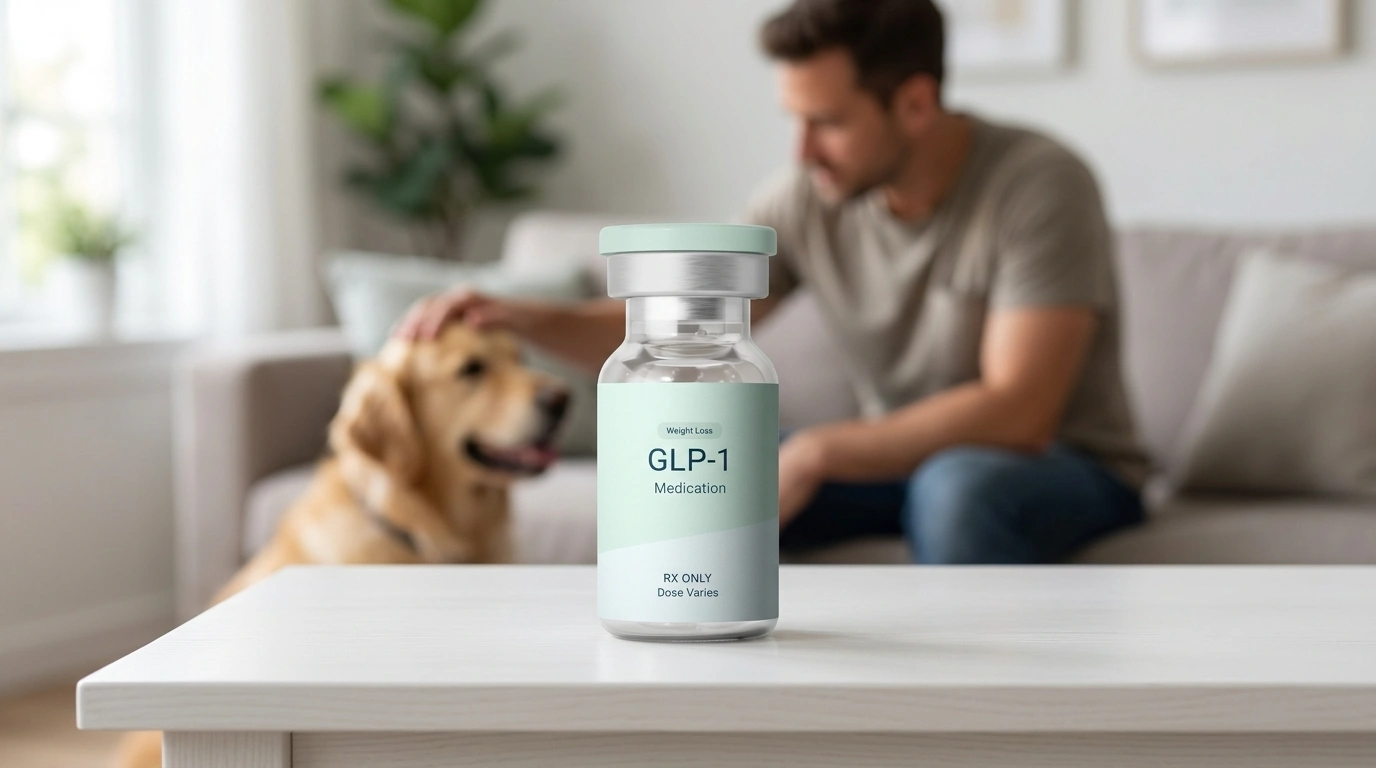
Beginning a weight loss journey often brings a mix of excitement and apprehension, especially when starting modern medications like Ozempic®. While these treatments are highly effective, many people encounter a common hurdle: nausea. This queasy feeling can be frustrating, making it difficult to focus on your health goals or enjoy your daily routine. At TrimRx, we understand that managing side effects is just as important as the treatment itself. Our personalized programs are designed to support you through every stage of your metabolic health journey, ensuring you have the tools to handle discomfort. This article covers why this side effect occurs, how long it typically lasts, and the most effective dietary and lifestyle shifts to help you find relief. By making a few deliberate adjustments, you can successfully manage nausea and stay on track toward your long-term wellness goals. If you’re ready to see whether a personalized program is right for you, take our free assessment quiz.
Why Ozempic Causes Nausea
Nausea is the most frequently reported side effect for individuals taking semaglutide, the active ingredient in Ozempic®. For a broader look at common side effects, our semaglutide side effects guide covers what many people experience. To manage it effectively, it helps to understand what is happening inside your body. Semaglutide is a GLP-1 receptor agonist, which means it mimics a hormone called glucagon-like peptide-1 (GLP-1) that your body naturally produces. This hormone performs several roles, primarily focusing on blood sugar regulation and appetite control.
One of the main ways these medications work is by slowing down gastric emptying. This means that food stays in your stomach for a longer duration before moving into the small intestine. While this process helps you feel full longer and reduces overall calorie intake, a full stomach can occasionally signal the brain to feel nauseated. Additionally, GLP-1 receptors are located in parts of the brain that control the “vomiting center.” When these receptors are first activated by the medication, the brain may react with a sensation of queasiness as it adjusts to the new chemical signals.
Key Takeaway: Nausea on Ozempic® is primarily caused by slowed digestion and the medication’s interaction with the brain’s appetite and nausea centers.
How Long Does Nausea Last?
For the majority of people, nausea is a temporary phase rather than a permanent part of the treatment. For more detail on symptom patterns and relief strategies, our nausea and GLP-1 medication solutions article goes deeper. Clinical data suggest that digestive side effects are most prominent during the first eight to twelve weeks of treatment. This period coincides with the “titration” or dose-escalation phase. Because the body needs time to get used to the medication, healthcare providers typically start patients on a very low dose and gradually increase it every four weeks.
Most individuals find that nausea flares up for a few days immediately following a dose increase. Research indicates that the median length of a single bout of nausea is often around eight days. As your body acclimates to the stable maintenance dose, these sensations usually diminish significantly. By the time many patients reach the twenty-week mark, the prevalence of nausea often drops sharply.
Bottom line: While discomfort is common in the early stages, most symptoms resolve as the body adapts to the medication and the dosage levels off.
Dietary Shifts to Reduce Queasiness
What you eat—and how you eat it—can make a significant difference in how your stomach reacts to the medication. Because your digestion is moving more slowly, the quality and volume of food in your stomach become critical factors. A guide to minimizing semaglutide side effects can also help you fine-tune your routine.
Focus on Bland, Simple Foods
When you are feeling particularly nauseated, it is best to stick to the “BRAT” diet principles or other mild options. Bland foods are easier for the stomach to process and are less likely to trigger a strong sensory response.
- Plain Starches: Rice, toast, crackers, and plain noodles are gentle on the digestive tract.
- Mild Fruits: Bananas, applesauce, and pears provide nutrients without being overly acidic.
- Simple Proteins: Poached chicken, boiled eggs, or plain Greek yogurt can provide necessary protein without heavy fats.
- Cold Options: Some people find that cold or chilled foods, such as gelatin or popsicles, are more tolerable than hot, steaming meals.
Avoid Common Triggers
Certain food groups are notorious for worsening GLP-1 related nausea. High-fat, greasy, and fried foods are particularly problematic because fat naturally slows digestion even further. When combined with the effects of semaglutide, these foods can sit in the stomach for an uncomfortably long time.
- Fried Foods: French fries, fried chicken, and heavy pastries should be limited.
- Spicy Foods: Hot sauces and heavy spices can irritate the stomach lining.
- Highly Sweet Foods: Large amounts of refined sugar can lead to “dumping” sensations or increased queasiness.
- Strong Smells: Sometimes it is not the taste but the aroma that triggers nausea. Opt for room-temperature foods that have less intense scents.
Manage Portion Sizes
Eating large meals is one of the quickest ways to trigger nausea while on a GLP-1 program. Because your stomach capacity effectively feels smaller, a “normal” portion may now be too much for your system to handle comfortably.
- Eat smaller, frequent meals: Instead of three large meals, try five or six very small snacks throughout the day.
- Stop before you are full: Because there is a delay in the signal from your stomach to your brain, stop eating when you no longer feel hungry, rather than waiting until you feel “stuffed.”
- Chew thoroughly: Breaking down food mechanically in the mouth makes the stomach’s job much easier.
Hydration Strategies for Nausea Relief
Staying hydrated is vital, but how you consume fluids matters just as much as the amount. Dehydration itself can actually make nausea worse, creating a difficult cycle for the patient.
Sip, don’t gulp. Drinking a large glass of water all at once can overfill the stomach and lead to discomfort. Instead, keep a water bottle nearby and take small, frequent sips throughout the day. Some people find that ice-cold water is more refreshing and easier to keep down than room-temperature water.
Incorporate natural remedies. Ginger and peppermint have been used for centuries to calm upset stomachs. Ginger tea, sugar-free ginger chews, or peppermint tea can provide significant relief. These natural options work well alongside the medication and do not typically interfere with the drug’s effectiveness.
Watch the timing of your fluids. If you find that you feel overly full during meals, try to avoid drinking liquids 30 minutes before and after eating. This leaves more room in the stomach for solid food and reduces the likelihood of acid reflux or bloating.
Key Takeaway: Small, frequent sips of cold water or ginger tea can prevent dehydration and settle the stomach without causing over-fullness.
Lifestyle Adjustments and Physical Comfort
Beyond diet, your daily habits and physical posture can influence how much nausea you experience. Making small changes to your routine can help your body process the medication more smoothly. If you want a broader overview of managing treatment-related side effects, our semaglutide side effects and management guide is a useful companion.
Post-Meal Habits
Avoid lying down immediately after eating. Because semaglutide slows down the exit of food from the stomach, lying flat can encourage stomach acid and food to move back toward the esophagus, causing both nausea and heartburn. Try to stay upright for at least sixty to ninety minutes after your last bite.
Fresh Air and Gentle Movement
While strenuous exercise might be the last thing on your mind when you feel queasy, gentle movement can actually help. A slow walk in the fresh air can help stimulate the digestive system and provide a mental distraction from the discomfort. Fresh air is a well-known natural remedy for mild nausea.
Timing Your Medication
Some individuals find that the timing of their injection affects their symptoms. While there is no universal “best” time, some patients prefer taking their dose in the evening so they can sleep through the initial peak of side effects. Others find that taking it in the morning with a small, bland snack works best. You should always consult with your healthcare provider before changing your scheduled dosing time.
Medical Management and Professional Guidance
If home remedies and dietary changes are not enough, there are medical interventions available. It is essential to work closely with a healthcare professional to determine the best course of action for persistent symptoms.
Over-the-Counter Options
Some people find relief using standard over-the-counter (OTC) medications. Bismuth subsalicylate or certain antihistamines formulated for motion sickness may help with mild queasiness. However, these should only be used after confirming with a provider that they are appropriate for your specific health profile.
Prescription Anti-Nausea Medication
In cases where nausea is severe or prevents you from eating and drinking enough to stay healthy, a doctor may prescribe a stronger anti-nausea medication like ondansetron. These are typically intended for short-term use during the initial weeks of treatment or during a dose increase.
Adjusting the Titration Schedule
The most effective medical solution is often “going low and slow.” If a dose increase causes unmanageable nausea, a provider may recommend staying at the lower dose for an extra month. This allows the body more time to build tolerance. At TrimRx, our partner providers focus on this personalized approach, ensuring that your transition to higher doses is as comfortable as possible. If you’d like to see whether this kind of support fits your needs, see if you qualify for a personalized program.
When to Contact Your Healthcare Provider
While mild nausea is expected, certain symptoms require immediate medical attention. It is important to distinguish between common side effects and rare, serious complications.
Contact a healthcare professional immediately if you experience:
- Severe, persistent vomiting that prevents hydration
- Intense abdominal pain that radiates to your back (a potential sign of pancreatitis)
- Signs of severe dehydration, such as dark urine, dizziness, or extreme thirst
- A complete inability to tolerate any food for more than 24 hours
Note: Always consult with a licensed healthcare provider if your side effects are severe or if you are concerned about your reaction to the medication.
The TrimRx Approach to Sustainable Weight Loss
We believe that weight loss is a journey that requires more than just a prescription; it requires a partnership. Our telehealth platform connects you with licensed providers who understand the nuances of GLP-1 therapy. By offering personalized programs that include medical supervision and high-quality medications from FDA-registered, inspected compounding pharmacies, we help you navigate the ups and downs of treatment with confidence.
Whether you are prescribed Ozempic®, Wegovy®, or a compounded medication like Compounded Semaglutide, our goal is to ensure you feel supported. We provide 24/7 access to a dedicated team to answer your questions about side effects, nutrition, and your overall progress. Our mission is to make sustainable weight loss accessible and manageable through science and empathy. If you want to know whether this level of support is a fit for your goals, complete a free eligibility assessment.
Conclusion
Managing nausea while taking Ozempic® is a common part of the process for many individuals. By focusing on small, bland meals, staying hydrated with small sips, and avoiding high-fat triggers, you can significantly reduce your discomfort. Remember that for most people, these symptoms are temporary and will fade as the body adjusts to the medication. Staying in close communication with your provider and following a “low and slow” dosing strategy are the best ways to ensure long-term success.
- Prioritize bland foods like rice, bananas, and crackers.
- Avoid greasy, spicy, and high-sugar foods.
- Stay upright after meals and get fresh air.
- Consult your provider about “titrating” more slowly if symptoms persist.
If you are ready to start a weight loss program that prioritizes your comfort and long-term health, the first step is a clinical evaluation. We invite you to take the free assessment quiz to see which personalized program is right for you.
FAQ
Is it normal to feel nauseous every day on Ozempic?
While many people experience nausea, it usually occurs most frequently in the days immediately following your weekly injection or after a dose increase. If you feel nauseous every single day for several weeks without improvement, you should speak with your healthcare provider to discuss a potential dose adjustment or dietary changes.
Does the injection site affect how much nausea I feel?
There is limited clinical evidence to suggest that the injection site changes the severity of nausea, as the medication is absorbed into the bloodstream regardless of where it is placed. However, some patients report feeling less queasy when injecting into the thigh rather than the stomach; you may want to discuss rotating injection sites with your provider.
Can I take ginger or peppermint while on this medication?
Yes, natural remedies like ginger tea, peppermint oil, or sugar-free ginger lozenges are generally safe and can be very effective at settling the stomach. These can be used throughout the day as needed to manage mild bouts of queasiness without interfering with your medication.
Will the nausea come back every time my dose increases?
It is common for side effects to briefly resurface when you move to a higher dosage level. Most people find that this “adjustment nausea” is milder and shorter-lived than what they experienced when they first started the medication, usually lasting only a few days after the new dose is introduced. For a helpful companion on dose changes, see our Ozempic dose increase guide.
Disclaimer: This content is for informational purposes only and does not constitute medical advice. It is not intended to diagnose, treat, cure, or prevent any disease or condition. Individual results may vary. Always consult a qualified healthcare professional before starting any weight loss program or medication.

Transforming Lives, One Step at a Time
Keep reading
I Took My Ozempic Two Days in a Row by Accident
Call for guidance now rather than waiting to see how you feel. In the United States, Poison Control is available free and around the…

Why Does My Ozempic Injection Sting More Some Weeks Than Others?
Because more variables change between injections than most people realize. Temperature of the medication, which site you used, how deep the needle went, how…

How to Store Your Ozempic Pen During a Power Outage
Keep the refrigerator door closed. An unopened refrigerator holds a safe temperature for roughly four hours, and a full freezer holds for considerably longer….


