Can You Eat Chia Seeds on Mounjaro? Benefits and Tips
Introduction
Starting a new medical weight loss journey often brings a wave of questions about what should stay on your plate and what should go. If you have recently started a program involving Mounjaro® (tirzepatide), you may be wondering how specific “superfoods” interact with your medication. One common question we hear is: can you eat chia seeds on mounjaro? The short answer is yes—and in many cases, they may become one of your most valuable dietary allies.
At TrimRx, we focus on helping you navigate these nutritional choices so you can achieve sustainable results while minimizing discomfort. Chia seeds are a nutrient-dense powerhouse that can support your body as it adjusts to the metabolic changes triggered by tirzepatide. In this guide, we will cover why these tiny seeds are so beneficial, how to avoid potential digestive pitfalls, and the best ways to incorporate them into your daily routine. Our goal is to help you feel supported and equipped as you move toward your health goals. If you are considering a prescription weight loss program, you can complete a free eligibility assessment.
Quick Answer: Yes, you can eat chia seeds while taking Mounjaro®. They are an excellent source of fiber and healthy fats, which can help manage common side effects like constipation and keep you feeling full longer.
What Are Chia Seeds?
Chia seeds are tiny, edible seeds that come from the desert plant Salvia hispanica. While they may be small, their nutritional profile is incredibly dense. They are a “complete protein,” meaning they contain all nine essential amino acids that the human body cannot produce on its own.
Beyond protein, they are famous for their high fiber content. Fiber is a type of carbohydrate that the body cannot digest. Instead of being broken down into sugar molecules, fiber passes through the intestinal tract, helping to regulate the body’s use of sugars and keeping hunger in check.
Chia seeds are also rich in omega-3 fatty acids, specifically alpha-linolenic acid (ALA). These are essential fats that support heart health and reduce inflammation. When these seeds are soaked in liquid, they can absorb up to 12 times their weight in water, developing a gel-like texture. This unique property is exactly what makes them so interesting for people on a weight loss journey.
For more guidance about constipation and fiber while taking tirzepatide, read this guide to tirzepatide constipation management.
How Mounjaro Works in Your Body
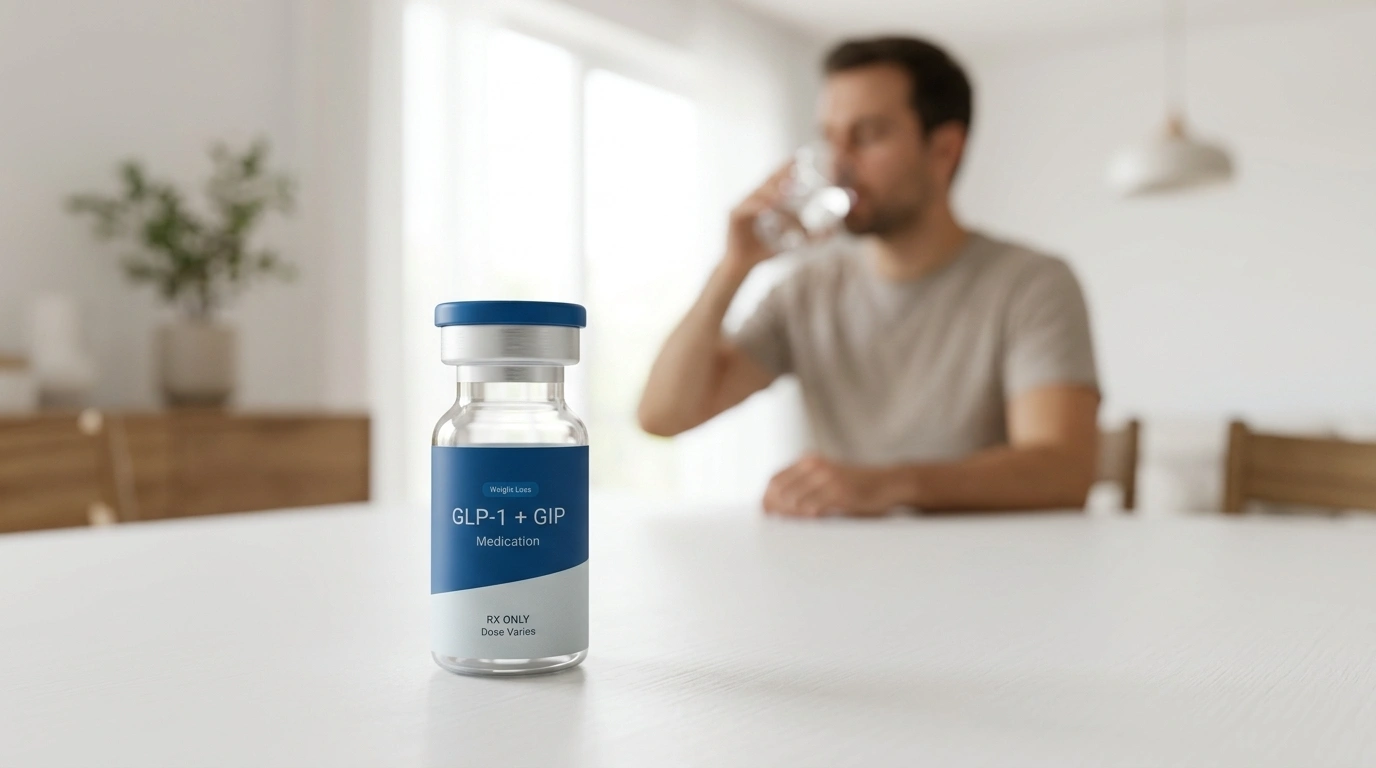
To understand why chia seeds are helpful, it is important to understand what Mounjaro® does. This medication is a dual GIP (glucose-dependent insulinotropic polypeptide) and GLP-1 (glucagon-like peptide-1) receptor agonist. This means it mimics two different hormones in your body that tell your brain you are full and tell your stomach to slow down.
One of the primary mechanisms of this medication is delayed gastric emptying. This is the medical term for the process of food leaving your stomach and entering your small intestine at a slower rate than usual. Because food stays in your stomach longer, you feel satisfied with much smaller portions.
However, this slower movement through the digestive system can sometimes lead to side effects. These often include nausea or constipation. This is where a personalized approach to nutrition becomes critical. We see many individuals find success when they pair their medication with specific “functional foods” like chia seeds that address these exact issues. You can also review this explanation of how Mounjaro affects digestion.
The Benefits of Eating Chia Seeds on Mounjaro
Chia seeds offer several specific advantages for those using tirzepatide or similar medications like Wegovy® or Ozempic®.
Managing Digestive Regularity
Constipation is one of the most frequently reported side effects of GLP-1 and GIP medications. Because the medication slows down the entire digestive tract, waste moves more slowly through the colon. The high insoluble fiber in chia seeds adds bulk to the stool, while the soluble fiber absorbs water to keep the stool soft. This combination helps “sweep” the digestive system and maintain regularity.
For additional practical strategies, explore these ways to relieve constipation from tirzepatide.
Preserving Lean Muscle Mass
When you lose weight rapidly, your body may try to burn muscle for energy instead of just fat. To prevent this, you must consume adequate protein. While chia seeds should not be your only protein source, they provide a plant-based boost that helps meet your daily requirements. Keeping your muscle mass high is essential for maintaining a healthy metabolism.
You can learn more about protein and muscle preservation in this guide to skeletal muscle and metabolic health.
Sustained Satiety and Blood Sugar Support
Mounjaro® is already working to stabilize your blood sugar and reduce your appetite. The healthy fats and fiber in chia seeds provide a “second layer” of support. They slow the absorption of any carbohydrates you eat alongside them, preventing sharp spikes and crashes in energy. This can help reduce the “food noise” or cravings that some people still experience between doses.
Key Takeaway: Chia seeds act as a natural digestive aid and satiety booster, making them a perfect functional food to pair with the appetite-suppressing effects of tirzepatide.
Potential Challenges and How to Avoid Them
While chia seeds are beneficial, they must be handled with care when your digestion is already slowed by medication.
1. The Risk of Bloating and Gas
If your body is not used to high amounts of fiber, adding a large serving of chia seeds all at once can cause discomfort. This is exacerbated by the fact that food stays in your system longer on a weight loss program. You may experience gas or a feeling of “heaviness.”
2. The Hydration Requirement
Because chia seeds absorb so much liquid, they can actually contribute to constipation if you do not drink enough water. They will pull moisture from your intestines to expand. If you are already slightly dehydrated—a common issue on these medications—this can lead to harder stools.
3. The “Fullness” Overlap
Because both the seeds and the medication promote fullness, you might find it difficult to finish a meal that includes a large amount of chia. It is important to balance your intake so you are still able to eat other nutrient-dense foods like lean proteins and leafy greens.
For more information about balancing fiber and hydration, read these digestive health tips for Mounjaro constipation.
Comparison: Chia Seeds vs. Other Fiber Sources
| Feature | Chia Seeds | Ground Flaxseeds | Psyllium Husk |
|---|---|---|---|
| Fiber Type | Soluble & Insoluble | Mostly Insoluble | Mostly Soluble |
| Protein Content | High (Complete) | Moderate | Very Low |
| Omega-3s | Very High | High | None |
| Texture | Gel-like when wet | Gritty/Nutty | Thick/Mucilaginous |
| Preparation | No grinding needed | Must be ground | Must be mixed |
How to Safely Introduce Chia Seeds
If you want to start adding these seeds to your diet, we recommend a “low and slow” approach. This gives your digestive system time to adapt to the increased fiber load while on your medication.
Step 1: Start with a Small Dose
Begin with just half a teaspoon or a full teaspoon once a day. Do this for three to four days to see how your stomach reacts.
Step 2: Hydrate Before and After
Drink a full glass of water whenever you consume chia seeds. This ensures the seeds have enough external moisture to expand before they reach your intestines.
Step 3: Pre-Soak Whenever Possible
Instead of eating dry seeds (which can stick to the esophagus or cause sudden bloating), let them soak in water, almond milk, or yogurt for at least 15–20 minutes. This turns them into a “gel” that is much easier for a slowed digestive system to process.
Step 4: Monitor and Adjust
Pay attention to your bowel movements and energy levels. If you feel great, you can gradually increase to one tablespoon per day. Most health experts suggest that one to two tablespoons is the “sweet spot” for most adults.
Best Ways to Eat Chia Seeds on Mounjaro
Finding ways to make these seeds tasty and easy to digest is key. Here are some simple methods that work well with a reduced-appetite lifestyle.
Chia Seed Pudding
This is perhaps the most popular way to eat them. Mix two tablespoons of seeds with half a cup of a low-sugar milk alternative. Add a dash of vanilla or a few berries. Let it sit in the fridge overnight. The result is a pudding-like consistency that is gentle on the stomach and very hydrating.
Smoothie “Boost”
If you are using a protein shake to ensure you get enough nutrients, toss in a teaspoon of pre-soaked chia seeds. They blend easily and add a boost of healthy fats without significantly changing the flavor of your shake.
Yogurt Topping
Stirring chia seeds into Greek yogurt is an excellent way to combine protein and fiber. This is a perfect small meal for an individual on Mounjaro® who may not feel like eating a large, heavy breakfast.
Overnight Oats
Add a teaspoon of chia seeds to your oats. They will absorb the liquid overnight, making the oats creamier and increasing the total fiber content of your meal.
Note: Always consult with your healthcare provider or a licensed specialist before making significant changes to your diet, especially when managing side effects like severe nausea or prolonged constipation.
The Importance of Personalization
Every body reacts differently to GIP and GLP-1 medications. While one person might find that chia seeds completely resolve their constipation, another might find that the fiber makes them feel too full to meet their protein goals.
Our programs at TrimRx are built on the idea that there is no “one size fits all” diet. This is why we offer access to a dedicated team of specialists who can help you fine-tune your nutrition. Whether you are using Compounded Semaglutide, Compounded Tirzepatide, or branded options like Zepbound®, your dietary needs will shift as your dosage increases. A personalized program ensures that you are not just losing weight, but improving your overall metabolic health. If you would like to discuss whether a personalized program may fit your needs, take the free assessment quiz.
Hydration: The Golden Rule
We cannot overstate the importance of water when eating chia seeds on medication. Mounjaro® can sometimes mask thirst signals, making it easy to become dehydrated without realizing it.
When you add chia seeds to the mix, your water needs go up. If you are not drinking enough, the seeds can sit in your gut and become quite heavy. We recommend carrying a water bottle throughout the day and aiming for small, frequent sips. If you struggle with plain water, try adding electrolytes or a splash of lemon to make it more palatable.
For more detail on managing hydration and fiber together, review these tirzepatide constipation relief strategies.
Supplements and Support
Sometimes, diet alone isn’t enough to manage the transition into a GLP-1 lifestyle. In addition to prescription options, we offer quick-access supplements that do not require a medical quiz.
- GLP-1 Daily Support: This can be a great companion for those who need extra nutrient insurance while eating smaller portions. GLP-1 Daily Support supplement may provide additional nutritional support during treatment.
- Weight Loss Boost: Designed to support your metabolism as you work through your program. Weight Loss Boost supplement offers energy and metabolic support during weight loss.
While chia seeds provide a natural source of nutrients, these targeted supplements can fill in the gaps, especially during weeks when your appetite is at its lowest.
Common Myths About Chia Seeds and Weight Loss Meds
Myth: “Chia seeds will cause a blockage if I am on Mounjaro®.”
Fact: While extreme cases of “phytobezoars” (masses of undigested plant fiber) are rare, they usually only happen if someone consumes large amounts of dry seeds without water. If you soak your seeds and stay hydrated, they are safe and helpful.
Myth: “I can’t eat fats like chia seeds if I want to lose weight.”
Fact: Healthy fats are essential for hormone production and brain health. Because you are eating less on your medication, the fats you do eat need to be high-quality. The Omega-3s in chia seeds are “good fats” that support your body during weight loss.
Myth: “Chia seeds will make me gain weight because they are calorie-dense.”
Fact: While seeds do contain calories, the fiber and protein they provide actually help with weight loss by keeping you full and preventing overeating later in the day.
When to Contact Your Healthcare Provider
While chia seeds are a healthy addition for most people, you should speak with your specialist if you experience any of the following:
- Severe Abdominal Pain: If you feel sharp pain after eating high-fiber foods, your digestion may be too slow for them at your current dose.
- Prolonged Constipation: If you haven’t had a bowel movement in several days despite eating fiber and drinking water, you may need medical guidance.
- Difficulty Swallowing: If you feel like food is “stuck” in your chest, stop consuming dry seeds immediately and seek advice.
At TrimRx, our partner providers are available to help you navigate these symptoms. Telehealth makes it easy to check in with a specialist without having to wait weeks for an appointment.
Summary of Best Practices
To make the most of chia seeds on your journey, keep these three points in mind:
- Hydration is non-negotiable: Water is the fuel that makes fiber work.
- Texture matters: Soaking seeds makes them “GLP-1 friendly” by pre-hydrating them.
- Quality over quantity: You don’t need cups of chia seeds; one tablespoon a day is often enough to see a difference in your digestion.
Conclusion
Navigating your diet while on a medication like Mounjaro® does not have to be a guessing game. By incorporating nutrient-dense foods like chia seeds, you can actively manage side effects and support your body’s transformation. These seeds offer a unique blend of fiber, protein, and healthy fats that align perfectly with the goals of a personalized weight loss program.
At TrimRx, we are committed to providing you with the tools, medication, and clinical support you need to succeed. We believe that sustainable weight loss is about more than just a prescription; it is about understanding how to nourish your body in a whole new way. By combining modern science with empathetic, expert guidance, we help you take control of your metabolic health for the long term.
If you are ready to see how a personalized program can work for you, the best next step is to take our free assessment quiz. This helps us understand your health history and goals so we can connect you with a licensed provider to discuss the best path forward.
FAQ
Can chia seeds help with Mounjaro® nausea?
While chia seeds are primarily used for constipation, their ability to stabilize blood sugar can help reduce the “queasy” feeling some people get when their glucose levels fluctuate. However, if you are actively feeling nauseous, it is better to stick to very small portions of pre-soaked seeds rather than a heavy meal.
Do I have to grind chia seeds like flaxseeds?
No, you do not need to grind chia seeds. Unlike flaxseeds, which have a tough outer shell that the body cannot break down easily, the nutrients in chia seeds are “bioavailable” even when the seed is whole. However, soaking them is still highly recommended to aid digestion.
How many chia seeds should I eat per day?
Most people find that one to two tablespoons per day is effective and safe. If you are new to the medication or new to fiber, start with one teaspoon and gradually work your way up over the course of a week.
Can I eat chia seeds if I am also taking a fiber supplement?
You should be careful when combining multiple high-fiber sources, as too much fiber can lead to bloating or even temporary constipation if water intake isn’t high enough. If you are already taking a supplement like psyllium husk, consult with your provider before adding significant amounts of chia seeds to your diet. For additional context, review this guide to managing constipation while taking tirzepatide.
Disclaimer: This content is for informational purposes only and does not constitute medical advice. It is not intended to diagnose, treat, cure, or prevent any disease or condition. Individual results may vary. Always consult a qualified healthcare professional before starting any weight loss program or medication.

Transforming Lives, One Step at a Time
Keep reading

Mounjaro Alternatives: What Else to Consider
If Mounjaro isn’t the right fit, the closest alternatives are other GLP-1 medications, chiefly semaglutide (Ozempic for diabetes, Wegovy for weight), along with a…

Mounjaro vs Zepbound: Same Drug, Two Brands
Like their semaglutide counterparts, Mounjaro and Zepbound are the same medication (tirzepatide) sold under two names for two purposes: Mounjaro is approved for type…

Retatrutide vs Mounjaro: Triple Agonist vs Dual Agonist
The core difference between retatrutide and Mounjaro comes down to how many hormone targets each hits: retatrutide activates three receptors, while Mounjaro (tirzepatide) activates…


