Essential Steps: What to Do Before Taking Ozempic
Introduction
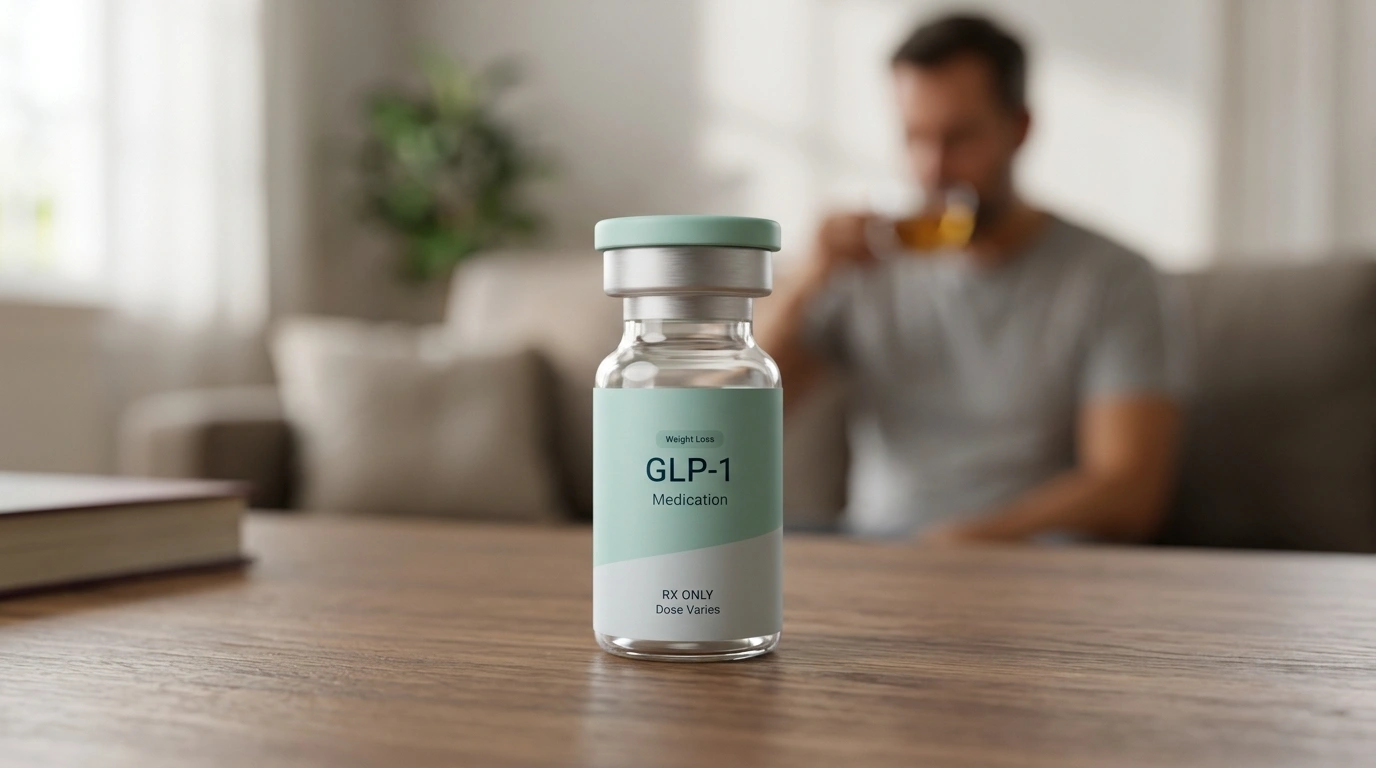
Deciding to start a medical weight loss journey is a significant milestone that often comes after years of frustration with traditional diets and exercise routines. If you are considering Ozempic® (semaglutide), you are likely looking for a way to address the biological hurdles that have made sustainable weight loss feel out of reach. At TrimRx, we believe that the most successful outcomes happen when patients are fully prepared before their first dose arrives. If you’re still deciding whether treatment is right for you, you can complete a free assessment quiz. This post covers everything you need to do to get ready, from clinical consultations and lab work to home logistics and dietary shifts. Being proactive helps you manage expectations, minimize potential side effects, and build a foundation for long-term health. Preparing your body and mind is the first step toward a successful metabolic transition.
Quick Answer: Before taking Ozempic®, you should consult a licensed healthcare provider to confirm eligibility, gather necessary supplies like alcohol swabs and a sharps container, and establish a high-protein, hydration-focused nutrition plan. You should also choose a consistent “shot day” and prepare for potential gastrointestinal side effects by having bland foods and electrolytes on hand.
Confirming Clinical Eligibility
The very first step in your journey is determining if this medication is the right fit for your specific health profile. Ozempic® is a branded version of semaglutide, which belongs to a class of medications known as GLP-1 receptor agonists. These medications mimic a natural hormone in your body called glucagon-like peptide-1 (GLP-1), which helps regulate appetite and blood sugar. For a fuller explanation of the prescription process, see our guide on why GLP-1 medications require a prescription.
Because these are powerful prescription medications, you must consult with a licensed healthcare provider. Generally, these treatments are indicated for adults with a Body Mass Index (BMI) of 30 or greater, or a BMI of 27 or greater with at least one weight-related health condition, such as high blood pressure or high cholesterol.
Discussing Your Medical History
During your consultation, you must be transparent about your medical history. Providers need to know about any history of:
- Pancreatitis
- Kidney issues
- Thyroid conditions, specifically Medullary Thyroid Carcinoma (MTC)
- Multiple Endocrine Neoplasia syndrome type 2 (MEN 2)
- Severe gastrointestinal disorders
We facilitate this process through our free assessment quiz, which allows a licensed provider to review your history and determine if you are a candidate for a personalized program.
Essential Lab Work
Most providers will require baseline blood work before you begin. This helps establish a “before” snapshot of your metabolic health and ensures your organs are prepared for the medication. Common tests include a Comprehensive Metabolic Panel (CMP) to check kidney and liver function, and a Hemoglobin A1C test to measure your average blood sugar over the past three months. Understanding these numbers helps your clinical team track your progress more accurately.
Understanding the Mechanism of Semaglutide
Before you take your first dose, it is helpful to understand how the medication actually works within your system. Semaglutide is a GLP-1 receptor agonist, meaning it “plugs into” receptors in your brain and gut that control hunger.
The “Fullness” Factor The medication works in two primary ways. First, it targets the area of the brain that regulates appetite, helping to reduce “food noise”—those constant, intrusive thoughts about eating. Second, it slows down gastric emptying. This is a scientific way of saying it keeps food in your stomach longer, so you feel physically full with much smaller portions.
Blood Sugar Regulation While many people use semaglutide for weight management, its original design was for glycemic control. It helps the pancreas release the right amount of insulin when blood sugar levels are high and prevents the liver from making too much sugar. Knowing this helps you understand why consistent dosing is vital for keeping your metabolic system in balance.
Gathering Your Supplies
You do not want to be searching for supplies once you have your medication in hand. Setting up a small “prep kit” ensures that every injection is hygienic and stress-free.
The Storage Requirement
Ozempic® and compounded semaglutide must be kept at a specific temperature to remain effective. Before your medication arrives, clear a spot in your refrigerator. It should be stored between 36°F and 46°F (2°C to 8°C). For a deeper look at temperature control, our tirzepatide storage guidance covers the same basics. Do not store it in the freezer or the door of the fridge, as temperatures can fluctuate too much in those areas.
The Injection Kit
You will need a few basic items for each weekly dose:
- Alcohol Swabs: These are used to clean the injection site on your skin and the rubber stopper of the vial or pen.
- Sharps Disposal Container: You cannot throw used needles in the regular trash. You can purchase a red sharps container or use a heavy-duty plastic laundry detergent bottle with a screw-top lid (check your local regulations for disposal).
- Adhesive Bandages: While the needles are very thin and rarely cause bleeding, it is good to have these on hand.
Key Takeaway: Proper storage is not optional. If the medication freezes or gets too hot, the proteins can break down, making the treatment ineffective. Always check the liquid before injecting; it should be clear and colorless.
Preparing Your Living Space and Schedule
Success with a GLP-1 program is about more than just the injection; it is about fitting the treatment into your lifestyle.
Choosing Your “Shot Day”
Consistency is key for maintaining steady levels of medication in your bloodstream. Many people choose a Friday or Saturday for their injection. This allows them to manage any initial “first-day” side effects, like mild nausea or fatigue, over the weekend without interfering with their work schedule. Once you pick a day, stick to it every week.
Selecting an Injection Site
You have three primary options for your injection: the abdomen (at least two inches away from the belly button), the front of the thighs, or the back of the upper arms.
- Rotate Sites: You should never inject into the exact same spot two weeks in a row. Rotating sites helps prevent skin irritation and ensure consistent absorption.
- Subcutaneous Injection: This means the needle goes into the fatty tissue just under the skin, not into a muscle or vein.
The “Nausea Prep” Kitchen
Nausea is the most commonly reported side effect when starting or increasing doses of semaglutide. Before you start, stock your kitchen with “safe” foods. Bland options like saltine crackers, ginger tea, and white rice can be helpful if your stomach feels unsettled. Many patients also find that having electrolyte powders or the GLP-1 Daily Support supplement helps manage the fatigue and dehydration that can sometimes occur during the first few weeks.
Designing a Nutritional Strategy
You should not wait until your first dose to start changing how you eat. Because the medication reduces your appetite, the quality of the food you eat becomes much more important.
The Power of Protein
When you lose weight quickly, your body may try to burn muscle instead of just fat. To prevent this, you need to prioritize protein. Aim for a source of lean protein at every meal—think chicken, turkey, fish, Greek yogurt, or tofu. Many patients find that protein shakes are an easy way to meet their daily goals when their appetite is low, and the Weight Loss Boost supplement can fit naturally into an energy-focused routine.
Managing Fiber and Hydration
Slower digestion can sometimes lead to constipation. Increasing your fiber intake through vegetables, fruits, and whole grains can help keep your digestive system moving. However, fiber requires water to work. You should aim to drink significantly more water than you did before starting the program.
Note: While no foods are strictly “off-limits,” many people find that high-fat, greasy, or very sugary foods trigger intense nausea or indigestion while taking semaglutide. Reducing these foods before your first dose can make the transition much smoother.
Mental and Emotional Preparation
Weight loss is a psychological journey as much as a physical one. Preparing your mindset is just as important as preparing your kitchen.
Redefining Your Relationship with Food
One of the most profound effects of GLP-1 medications is the reduction of “food noise.” For the first time, you may find that you simply forget to eat or have no interest in your favorite snacks. While this is the goal, it can be disorienting. Prepare yourself for the social aspect of eating—you may find you can no longer finish large restaurant portions or that you aren’t interested in a second glass of wine.
Setting Realistic Expectations
Weight loss with semaglutide is generally a marathon, not a sprint. Clinical studies show that significant weight reduction happens over months, not days. Most programs start you on a very low “loading dose” to get your body used to the medication, which means you may not see dramatic changes on the scale in the first two or three weeks. For a deeper framework on progress and plateaus, read how to adjust GLP-1 weight loss goals.
Bottom line: Patience is part of the process. Your body is undergoing a metabolic recalibration. Focus on how you feel—your energy levels and how your clothes fit—rather than just the number on the scale.
Onboarding with a Personalized Program
Starting a program through a telehealth platform like ours simplifies these steps by centralizing your care. We connect you with licensed providers who understand the nuances of GLP-1 therapy.
The Step-by-Step Process
Step 1: Complete the Assessment. Start with the free assessment quiz so our affiliated medical team can review your eligibility and goals.
Step 2: Provider Consultation. A licensed professional will review your history and, if appropriate, write a prescription tailored to your needs.
Step 3: Medication Delivery. Your program includes access to medications shipped directly from FDA-registered, inspected compounding pharmacies.
Step 4: Ongoing Support. You aren’t left to figure it out alone; you have 24/7 access to specialists to help you navigate side effects and dose changes.
By using a telehealth-first model, we eliminate the need for waiting rooms and in-person visits, making it easier for you to maintain the consistency required for long-term success.
Physical Activity and Muscle Preservation
While the medication handles the appetite and metabolic side of the equation, your physical activity levels support your body composition.
Start with Walking
If you haven’t been active recently, don’t feel pressured to start a high-intensity program on day one. Simply walking for 20 to 30 minutes a day can improve your insulin sensitivity and boost your mood. If you want extra energy support while easing into movement, the Weight Loss Boost supplement is another option to review.
Incorporate Resistance Training
As mentioned, preserving muscle is vital. Incorporating some form of resistance training—whether it’s using light dumbbells, resistance bands, or bodyweight exercises—is highly recommended. This ensures that the weight you lose is primarily body fat, which helps keep your metabolism strong as you reach your goal weight. For a closer look at body composition and training, see how to protect muscle while using GLP-1 medications.
Myth: “I don’t need to exercise because the drug does all the work.” Fact: While semaglutide is highly effective for weight loss, exercise is essential for cardiovascular health, bone density, and maintaining your new weight after you finish the program.
Final Checklist Before Your First Injection
Before you sit down to administer that first dose, run through this final list to ensure you are ready:
- Medication Check: Is the liquid clear? Is it the correct dose as prescribed?
- Sanitation: Have you washed your hands and cleaned the injection site with alcohol?
- Timing: Do you have a quiet 10 minutes where you won’t be interrupted?
- Support: Do you know who to contact if you have questions? (If you are with us, our team is available 24/7).
- Documentation: Have you recorded your starting weight and measurements? This will be incredibly motivating in the weeks to come.
Our mission at TrimRx is to help individuals embrace healthier lifestyles through science, empathy, and a transparent, personalized approach to sustainable weight loss. We are here to ensure that your preparation leads to a successful, long-term health transformation. If you’re ready to see whether prescription GLP-1 treatment may fit your needs, see if you qualify for a personalized program.
FAQ
Should I eat before taking my first Ozempic® shot?
It is not medically required to eat before your injection, as it can be taken with or without food. However, many people find that having a light, protein-rich meal an hour before the shot helps settle their stomach and reduces the chance of initial nausea.
What is the best time of day to take the medication?
There is no single “best” time, but consistency is what matters most. Many people prefer taking it in the evening before bed so they can sleep through any initial side effects, while others prefer the morning to monitor how they feel throughout the day.
Can I drink alcohol while taking semaglutide?
While there is no direct contraindication, many people find their tolerance for alcohol changes significantly. Additionally, alcohol is high in calories and can worsen gastrointestinal side effects like heartburn or nausea, so it is often best to limit intake, especially during the first few weeks.
What should I do if I experience nausea after my first dose?
Nausea is common and often subsides as your body adjusts. To manage it, try eating smaller, more frequent meals, staying hydrated with electrolytes, and avoiding greasy or spicy foods. If you want a broader look at less common Ozempic side effects, it may help you understand how different symptoms can show up early on. If nausea becomes severe or prevents you from staying hydrated, contact your healthcare provider immediately.
Disclaimer: This content is for informational purposes only and does not constitute medical advice. It is not intended to diagnose, treat, cure, or prevent any disease or condition. Individual results may vary. Always consult a qualified healthcare professional before starting any weight loss program or medication.

Transforming Lives, One Step at a Time
Keep reading
I Took My Ozempic Two Days in a Row by Accident
Call for guidance now rather than waiting to see how you feel. In the United States, Poison Control is available free and around the…

Why Does My Ozempic Injection Sting More Some Weeks Than Others?
Because more variables change between injections than most people realize. Temperature of the medication, which site you used, how deep the needle went, how…

How to Store Your Ozempic Pen During a Power Outage
Keep the refrigerator door closed. An unopened refrigerator holds a safe temperature for roughly four hours, and a full freezer holds for considerably longer….


