Is a Side Effect of Mounjaro Being Cold?
Introduction
If you have recently started your weight loss journey and find yourself reaching for a sweater while everyone else in the room is comfortable, you are not alone. Many individuals using Mounjaro® (tirzepatide) report a surprising and persistent feeling of being “chilled to the bone.” While the most common side effects discussed in clinical trials are usually digestive, cold sensitivity has emerged as a very real experience for many in the community. At TrimRx, we believe that understanding the “why” behind your body’s reactions is the first step toward a more comfortable and successful transformation. This article will explain why feeling cold occurs during treatment, the biological mechanisms at play, and how you can manage this sensitivity while continuing to reach your health goals. Feeling cold is often a sign of your body’s metabolic shift, but it is manageable with the right approach.
For additional context, explore this Mounjaro cold sensitivity guide.
The Relationship Between Mounjaro® and Body Temperature
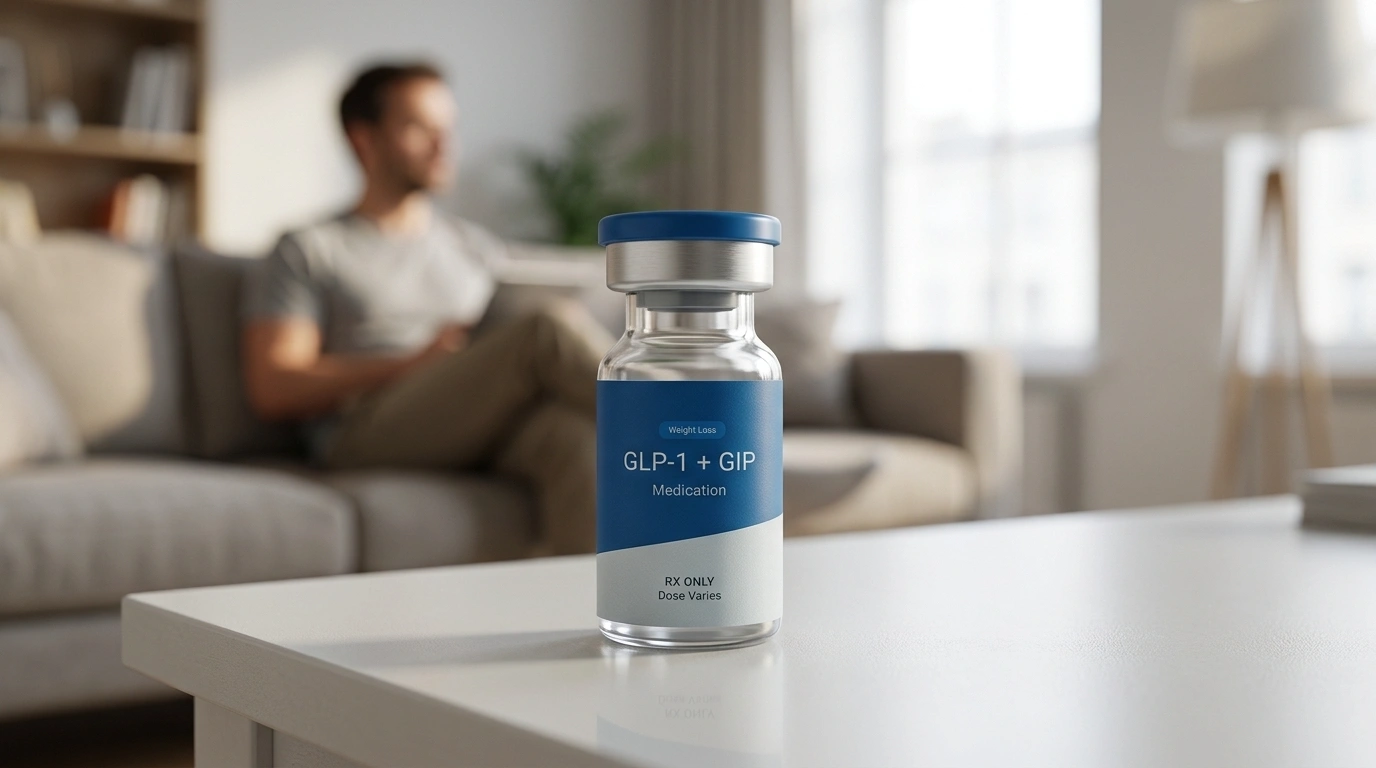
Mounjaro® is a dual-acting medication known as a GLP-1 (glucagon-like peptide-1) and GIP (glucose-dependent insulinotropic polypeptide) receptor agonist. It works by mimicking natural hormones that regulate appetite and blood sugar. While its primary role is to help the body manage insulin and slow gastric emptying, these hormones also interact with the complex systems that manage our internal thermostat.
Quick Answer: While “feeling cold” is not always listed as a primary clinical side effect, many users experience cold sensitivity due to rapid fat loss, reduced caloric intake, and changes in how the brain regulates temperature. It is generally a harmless side effect of the metabolic changes occurring during weight loss.
For many, this sensation is most noticeable in the hands, feet, and nose. You might feel a persistent chill that does not go away even when you add layers of clothing. Understanding the science behind this can help ease any anxiety about why your body feels different than it did before starting the medication.
To better understand how these medications work, read this overview of GLP-1 treatment for weight management.
Why Does Weight Loss Medication Make You Feel Cold?
There is no single reason why you might feel colder while on this medication. Instead, it is usually a combination of several physiological changes happening simultaneously. When you use a program like the ones offered through TrimRx, your body undergoes a significant metabolic recalibration. Here are the five primary reasons you might be feeling the chill.
1. Loss of Subcutaneous Fat Insulation
Body fat is not just stored energy; it is also a vital insulator. Subcutaneous fat—the layer of fat directly under your skin—acts like a thermal blanket for your internal organs and muscles. It helps trap body heat and prevents it from escaping into the environment.
When you lose weight rapidly, that “blanket” becomes thinner. As your fat stores decrease, your body becomes less efficient at retaining the heat it produces. This is often the most direct reason people feel colder as they reach their weight loss milestones. You are essentially moving through the world with a lighter coat than you used to have.
2. Reduced Thermic Effect of Food
Your body generates a significant amount of heat simply by digesting the food you eat. This process is called diet-induced thermogenesis. When you consume a meal, your metabolic rate increases as your system breaks down proteins, fats, and carbohydrates.
Because Mounjaro® significantly reduces your appetite, you are likely consuming fewer calories than before. With less food to process, your body produces less “digestive heat.” This can lead to a drop in your baseline body temperature, especially during the hours between your smaller meals.
3. Metabolic Adaptation and Energy Conservation
When you are in a consistent calorie deficit, your body may enter a state often called “metabolic adaptation.” Your brain perceives the lower calorie intake as a potential shortage of resources. To protect itself, the body becomes more efficient and tries to conserve energy.
One way the body saves energy is by slowing down non-essential heat production. If your body is trying to “save” calories to keep your heart beating and your brain functioning, it may turn down the internal furnace slightly. This survival mechanism is a common part of significant weight loss but can result in you feeling persistently chilly.
4. Changes in Peripheral Circulation
The hormones mimicked by Mounjaro® can influence the vascular system. GLP-1 receptors are found in various tissues, including blood vessels. Some research suggests that these medications can lead to peripheral vasoconstriction—a process where the small blood vessels in your hands and feet narrow.
When these vessels narrow, more blood is directed toward your core and vital organs to keep them warm and protected. The trade-off is that your extremities—your fingers and toes—receive less warm blood flow. This explains why many people report that their hands and feet feel like icicles even when their core feels fine.
For a broader look at medication-related symptoms, review this tirzepatide side effects guide.
5. Interaction with the Hypothalamus
The hypothalamus is a small but powerful region of the brain that acts as your body’s command center for both appetite and temperature regulation. Mounjaro® works by communicating with this specific area to signal fullness and satiety.
Because the systems for hunger and temperature are so closely linked in the hypothalamus, the medication’s influence on one can sometimes “spill over” into the other. By shifting the signaling in the hypothalamus to reduce appetite, the medication may also subtly lower the “set point” for your body temperature, making you feel cold at temperatures that used to feel normal.
Key Takeaway: Feeling cold on Mounjaro® is typically a result of “thermal thinning” (loss of fat insulation) combined with your body’s attempt to conserve energy as you eat fewer calories.
For more information about the hormone involved, read about what GLP-1 does in the body.
Managing Cold Sensitivity During Your Journey
You do not have to suffer through the shivers while working toward your goal weight. There are several practical ways to help your body maintain its temperature and feel more comfortable throughout the day.
Optimize Your Protein Intake
Protein has a higher thermic effect than fats or carbohydrates. This means your body has to work harder and generate more heat to digest it. By focusing on high-quality lean proteins in every meal, you can give your internal furnace a small boost. This is a core component of the personalized guidance we provide to help users maximize their results while staying comfortable.
For nutritional support during GLP-1 treatment, consider the GLP-1 Daily Support supplement.
Use the “Layering” Strategy
Since your natural insulation is changing, you need to supplement it with external layers.
- Base Layers: Wear moisture-wicking thermal undershirts.
- Focus on Extremities: Use wool socks and keep slippers nearby.
- Protect Your Head: A significant amount of heat is lost through the head; wearing a hat indoors can surprisingly help a great deal.
Stay Hydrated with Warm Liquids
Hydration is essential for metabolic health, but ice-cold water might make your chills worse. Switch to room-temperature water or warm herbal teas throughout the day. Warm liquids provide immediate “internal” heat and help maintain the fluid volume needed for healthy circulation.
Prioritize Gentle Movement
Physical activity is one of the fastest ways to generate body heat. You do not need a high-intensity workout to see the benefits. A brisk 10-minute walk or some light stretching can improve circulation and move warm blood back into your hands and feet.
For energy and metabolic support during weight loss, explore the Weight Loss Boost supplement.
Is Feeling Cold a Reason for Concern?
In the vast majority of cases, feeling cold is a benign side effect. It is simply a sign that your body is changing and adapting. However, there are a few instances where you should pay closer attention to your symptoms.
If your cold sensitivity is accompanied by extreme fatigue, thinning hair, or brittle nails, it may be a sign of a nutritional deficiency, such as low iron (anemia) or insufficient calorie intake. It is also important to distinguish “feeling cold” from “chills” accompanied by a fever, which could indicate an infection.
Note: If you experience persistent numbness, skin color changes in your fingers (turning blue or white), or if the coldness prevents you from performing daily tasks, you should consult your healthcare provider to rule out circulatory or thyroid issues.
For more guidance on distinguishing ordinary sensitivity from concerning symptoms, read about chills as a possible Mounjaro side effect.
How TrimRx Supports Your Transformation
At TrimRx, we understand that weight loss is about more than just the number on the scale; it is about how you feel every day. Our telehealth platform connects you with licensed providers who understand these nuances. Whether you are prescribed Compounded Semaglutide, Compounded Tirzepatide, or other GLP-1 medications, we focus on a personalized approach.
We believe that medical supervision shouldn’t be a one-time event. Our program includes 24/7 access to a team that can help you navigate side effects like cold sensitivity. We offer a transparent model with no hidden fees, ensuring that your focus remains on your health and your results.
If you are considering prescription treatment, complete a free eligibility assessment to see whether a personalized program may be appropriate for you.
Compounded vs. Branded Medications
When discussing Mounjaro®, it is important to understand the difference between branded and compounded options. Mounjaro®, Ozempic®, Wegovy®, and Zepbound® are branded, FDA-approved medications. TrimRx does not ship or sell these branded products directly; instead, we connect you with providers who can write prescriptions for these brands to be filled at your local pharmacy.
For those looking for a more personalized or accessible option, we work with FDA-registered and inspected compounding pharmacies to provide Compounded Tirzepatide and Compounded Semaglutide. While compounded medications themselves are not FDA-approved, they are prepared by licensed pharmacists using high-quality ingredients to meet individual patient needs. This flexibility allows us to provide a consistent program regardless of dosage changes.
Comparing Mounjaro® to Other GLP-1s
While cold sensitivity is reported by users of Ozempic® and Wegovy®, some anecdotal evidence suggests it may be slightly more common with tirzepatide. This could be due to the “dual action” of Mounjaro®, which targets both GLP-1 and GIP receptors. Because tirzepatide often leads to more significant weight loss in a shorter timeframe compared to semaglutide, the loss of insulation and the metabolic shift can happen more rapidly, making the change in temperature perception more jarring.
| Feature | Mounjaro® (Tirzepatide) | Ozempic®/Wegovy® (Semaglutide) |
|---|---|---|
| Receptor Targets | GLP-1 & GIP | GLP-1 only |
| Weight Loss Speed | Often reported as rapid | Typically steady |
| Cold Sensitivity | Common due to rapid fat loss | Reported, but may be less intense |
| Dosing Frequency | Once Weekly | Once Weekly |
For more information about common symptoms, read this guide to managing tirzepatide side effects.
Starting Your Journey
Starting a weight loss program is a significant decision. If you are concerned about side effects like feeling cold, the best first step is to get a professional assessment. We make this easy through our free online assessment quiz.
Step 1: Take the Quiz
Complete our comprehensive health assessment to share your medical history and goals.
Step 2: Consult a Provider
A licensed healthcare professional will review your profile to determine if a GLP-1 program is right for you.
Step 3: Personalized Treatment
If eligible, you will receive a personalized treatment plan, with medications shipped directly to your door from a regulated pharmacy.
Step 4: Ongoing Support
Access our specialists anytime to discuss side effects, nutrition, or dosage adjustments.
Take the free assessment quiz to begin sharing your health history and goals.
Bottom line: Feeling cold is a common, manageable side effect of the metabolic changes and fat loss triggered by Mounjaro®, and it typically signifies that your body is successfully adapting to a lower weight.
Conclusion
Feeling cold on Mounjaro® is a frequent topic in patient communities, and for good reason. It is a physiological response to losing your natural insulation, eating fewer calories, and your body’s effort to conserve energy. While it can be an annoying “Jaro Jitter,” it is usually a sign that your program is working. By using strategies like protein-rich meals, layering clothes, and staying active, you can stay warm while your body does the hard work of transformation.
At TrimRx, our mission is to help you embrace a healthier lifestyle through science, empathy, and transparency. We are here to guide you through every shiver and every milestone with a personalized program tailored to your unique health profile. If you are ready to take the next step toward a healthier you, we invite you to start your journey with a free assessment today.
Key Takeaway: Cold sensitivity is a sign of metabolic change; managing it requires a balance of proper nutrition, appropriate clothing, and consistent clinical support.
FAQ
Is it normal to shiver on Mounjaro®?
Yes, many users report shivering or feeling unusually cold, especially in their hands and feet. This usually happens because of reduced calorie intake and the loss of insulating body fat. If the shivering is accompanied by a fever or severe pain, you should contact a doctor immediately.
Does the cold sensitivity go away?
For many people, the feeling of being cold is most intense during the initial phases of rapid weight loss. As your weight stabilizes and your body adjusts to its new metabolic “set point,” many find that their temperature regulation improves. However, some people may remain more sensitive to cold simply because they have less body fat than before.
Can Mounjaro® cause a low body temperature?
While Mounjaro® can make you feel cold, it rarely causes a clinically dangerous drop in core body temperature. It more commonly affects your “perceived” temperature or leads to cold extremities due to changes in blood flow. If you feel dizzy or faint along with the coldness, it is important to check your blood sugar levels.
Why are my hands and feet so cold on this medication?
This is often due to peripheral vasoconstriction, where your body directs more blood to your internal organs and less to your extremities to conserve core heat. This is a natural response to the reduced energy intake and the metabolic changes caused by GLP-1 and GIP receptor activation.
If you are unsure whether a GLP-1 program fits your health needs, you can see if you qualify for a personalized program.
Disclaimer: This content is for informational purposes only and does not constitute medical advice. It is not intended to diagnose, treat, cure, or prevent any disease or condition. Individual results may vary. Always consult a qualified healthcare professional before starting any weight loss program or medication.

Transforming Lives, One Step at a Time
Keep reading

Mounjaro Alternatives: What Else to Consider
If Mounjaro isn’t the right fit, the closest alternatives are other GLP-1 medications, chiefly semaglutide (Ozempic for diabetes, Wegovy for weight), along with a…

Mounjaro vs Zepbound: Same Drug, Two Brands
Like their semaglutide counterparts, Mounjaro and Zepbound are the same medication (tirzepatide) sold under two names for two purposes: Mounjaro is approved for type…

Retatrutide vs Mounjaro: Triple Agonist vs Dual Agonist
The core difference between retatrutide and Mounjaro comes down to how many hormone targets each hits: retatrutide activates three receptors, while Mounjaro (tirzepatide) activates…


