Can You Take Naltrexone and Mounjaro Together?
Introduction
Managing weight can often feel like an uphill battle against your own biology. You might find that even when you eat less, your “food noise”—those persistent thoughts about your next meal—never truly goes away. If you are exploring medical options to help quiet those cravings and improve your metabolic health, you may have heard about combining different medications. A common question for those seeking a multi-layered approach is: can you take naltrexone and Mounjaro® together?
At TrimRx, we believe that understanding how different treatments interact is the first step toward a safer, more effective health journey. This post will cover how these two medications work, the potential benefits of using them in tandem, and what safety considerations you should discuss with a healthcare professional. We will also look at how personalized programs can help tailor these treatments to your specific needs. Understanding the synergy between metabolic hormones and brain chemistry is key to sustainable weight management, and our GLP-1 science breakdown is a helpful place to start.
Understanding the Two Medications
To understand if you can take naltrexone and Mounjaro® together, it is helpful to first look at what each medication does on its own. They target different systems in the body to achieve a similar goal: weight reduction and improved health.
What is Mounjaro?
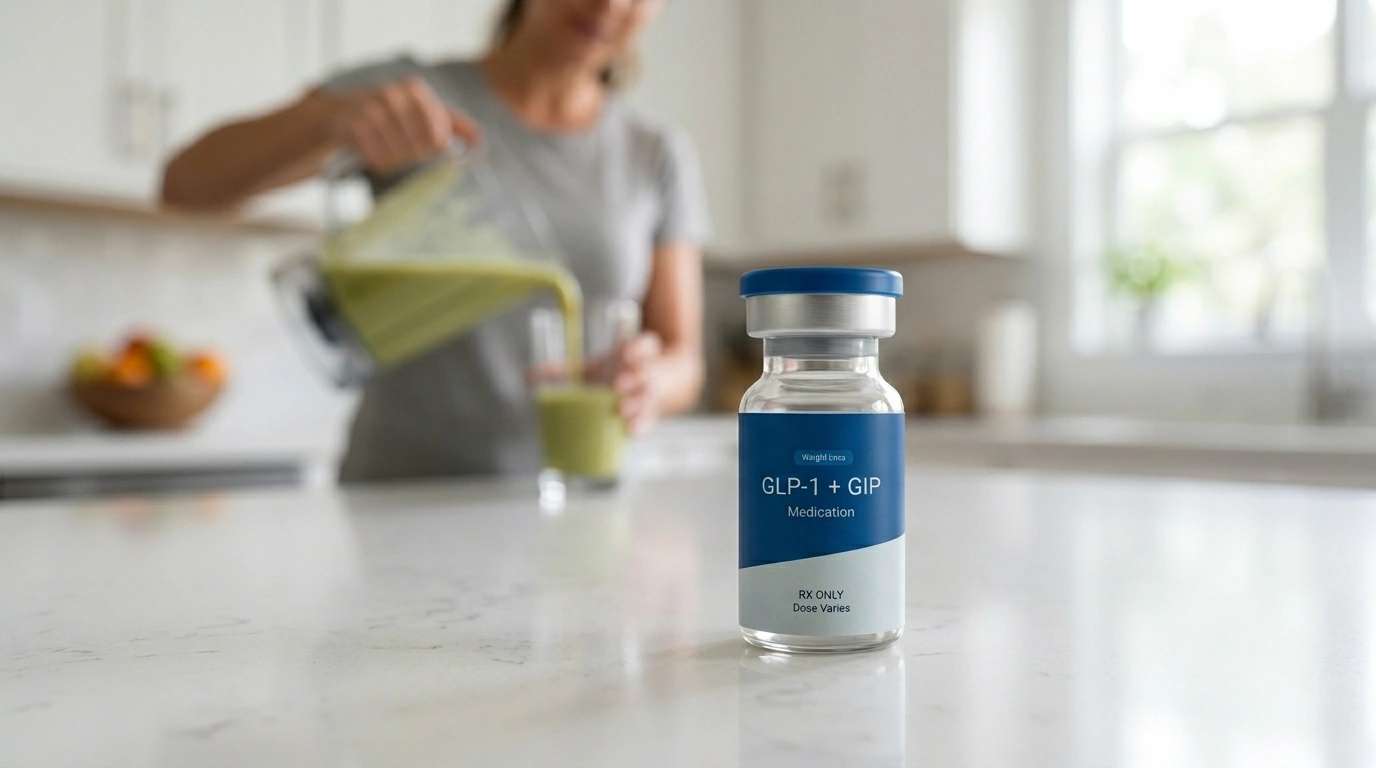
Mounjaro® (tirzepatide) is a medication that belongs to a class known as dual GLP-1 and GIP receptor agonists. A receptor agonist is a substance that mimics a natural hormone to trigger a specific response in the body. In this case, Mounjaro® mimics two hormones produced in the gut: glucagon-like peptide-1 (GLP-1) and glucose-dependent insulinotropic polypeptide (GIP).
These hormones play a vital role in how your body handles food. When you eat, these hormones signal your pancreas to release insulin, which helps lower blood sugar. They also signal your brain to feel full and satisfied. Furthermore, Mounjaro® slows down gastric emptying. This means food stays in your stomach longer, helping you feel full for an extended period after eating.
What is Naltrexone?
Naltrexone is an opioid antagonist. While it is traditionally known for treating alcohol and opioid use disorders, it has become a staple in weight management. Unlike Mounjaro®, which works primarily on gut hormones and insulin, naltrexone works on the reward system in the brain.
It targets the pathways that make eating feel pleasurable or addictive. By blocking certain receptors, naltrexone can help reduce “hedonic eating”—the urge to eat for pleasure rather than hunger. When used for weight loss, it is often combined with other medications to address the psychological side of cravings, and this guide to tirzepatide food noise explains why that mental loop matters so much.
Quick Answer: Yes, you can generally take naltrexone and Mounjaro® together under the supervision of a licensed healthcare provider. While they target different pathways, there are no known major drug-drug interactions that prohibit their combined use, though they may increase the risk of certain side effects like nausea.
How the Combination Works in the Body
When you combine naltrexone and Mounjaro®, you are essentially attacking weight gain from two different angles. This dual-pathway approach is why many providers consider the combination for patients who have plateaued or who struggle specifically with intense cravings.
The Metabolic and Hormonal Angle
Mounjaro® handles the metabolic side of the equation. By mimicking GLP-1 and GIP, it improves how your body processes glucose and manages hunger signals from the digestive tract. It addresses the physical sensation of hunger and the biological reality of insulin resistance. For many, this is enough to start seeing significant changes in their health profile.
The Psychological and Reward Angle
Naltrexone addresses the “brain” side of weight loss. Even when your stomach is physically full because of Mounjaro®, your brain might still be screaming for a specific high-dopamine snack. Naltrexone helps to mute those signals. It makes it easier to say no to cravings that are driven by stress, habit, or emotion rather than physical need, which is similar to the craving patterns discussed in our article on sugar cravings and Zepbound.
Key Takeaway: Combining these medications offers a “metabolic-reward” synergy. Mounjaro® manages physical fullness and blood sugar, while naltrexone reduces the psychological urge to eat for pleasure.
Potential Benefits of the Combination
The primary reason a healthcare provider might suggest taking naltrexone and Mounjaro® together is to achieve more comprehensive results than one medication could provide alone.
Breaking Through Plateaus
Some individuals find that after an initial period of success on a GLP-1 medication like Mounjaro® or Zepbound®, their weight loss stalls. Adding a medication that targets the reward center, like naltrexone, may help kickstart progress by addressing lingering cravings.
Managing “Food Noise”
While Mounjaro® is excellent at creating a sense of fullness, it does not always eliminate the mental preoccupation with food for every person. Naltrexone is specifically studied for its ability to reduce these intrusive thoughts, making it easier to stick to a nutritional plan.
Improved Metabolic Markers
Because Mounjaro® improves insulin sensitivity and naltrexone can help reduce the intake of highly processed, sugary foods, the combination may lead to better blood sugar control and improved cholesterol levels over time. For more on how GLP-1 medications fit into a broader plan, see how to get the most out of your GLP-1 treatment.
Safety and Side Effects to Consider
While taking these two medications together is generally considered safe, it does come with an increased risk of side effects. Both medications can affect the gastrointestinal system, and their effects can be additive.
Common Side Effects
Nausea and Vomiting
Nausea is the most common side effect for both Mounjaro® and naltrexone. When you start both or increase your dosage, you may experience heightened levels of queasiness. Most providers recommend a “start low and go slow” approach to help your body adjust.
Constipation or Diarrhea
Changes in digestion are common. Mounjaro® slows down the movement of food through your gut, which can lead to constipation. Naltrexone can also cause stomach upset. Staying hydrated and consuming adequate fiber is essential when using this combination.
Headaches and Dizziness
Some patients report feeling lightheaded or having mild headaches when beginning naltrexone. This often resolves as the body acclimates to the medication.
Monitoring Your Health
It is vital to have regular check-ins with a healthcare professional when combining these treatments. They will likely want to monitor several key areas of your health:
- Liver Function: Naltrexone can impact liver enzymes in some cases, so periodic blood work is often required.
- Kidney Function: Because Mounjaro® can cause dehydration through vomiting or diarrhea, your provider will want to ensure your kidneys stay healthy.
- Thyroid Health: Mounjaro® carries a boxed warning regarding a rare type of thyroid cancer found in animal studies. While the risk to humans is not fully known, providers will monitor for any signs of thyroid issues.
- Blood Glucose: If you have type 2 diabetes, the combination can significantly lower your blood sugar. You must monitor for signs of hypoglycemia (low blood sugar), such as shakiness, sweating, or confusion.
The Role of Low Dose Naltrexone (LDN)
In many wellness circles, you may hear about “Low Dose Naltrexone” or LDN. While standard doses of naltrexone for weight loss (often found in combination drugs like Contrave®) range from 8mg to 32mg or more, LDN typically involves doses under 5mg.
Some research suggests that LDN may help reduce inflammation and improve the body’s sensitivity to its own endorphins. Many patients find that LDN provides the craving-reduction benefits of naltrexone with significantly fewer side effects. When paired with the metabolic power of Mounjaro®, LDN can be a helpful tool for those with sensitive digestive systems, especially if you are trying to better understand food noise and appetite control on tirzepatide.
Managing the Practical Aspects
Starting a program that involves multiple medications requires organization and a clear plan. Here is how you can set yourself up for success:
Step 1: Consult a Specialist
Do not attempt to combine these medications on your own. Use a platform like ours to connect with a licensed provider who understands the nuances of GLP-1 and opioid antagonist therapies. If you are ready to take that next step, you can complete a free assessment quiz to see whether a personalized prescription program may fit your goals.
Step 2: Start One at a Time
Providers often recommend starting one medication first—usually the GLP-1—and letting your body stabilize for several weeks before adding the second. This helps you identify which medication is causing which side effects.
Step 3: Track Your Symptoms
Keep a simple log of how you feel each day. Note your hunger levels, any nausea, and your energy. This information is invaluable for your provider when it comes time to adjust your dosage.
Step 4: Prioritize Hydration and Nutrition
Because these medications can suppress your appetite significantly, you must make every calorie count. Focus on lean proteins and vegetables. Drink plenty of water to support your kidneys and prevent constipation.
The Importance of Professional Guidance
Weight loss is not a one-size-fits-all journey. What works for one person might not be appropriate for another based on their medical history. For example, individuals with a history of certain thyroid conditions or those taking opioid pain medications cannot take this combination.
Naltrexone is an opioid antagonist, meaning it blocks the effects of opioid medications. If you are taking opioids for chronic pain, naltrexone will make the pain medication ineffective and could even trigger sudden withdrawal symptoms. This is why a full medical screening is non-negotiable.
Our personalized programs at TrimRx are designed to catch these potential issues before they start. By reviewing your health profile and history, we can help ensure that your treatment plan is both safe and effective for your unique body, and our GLP-1 treatment overview can help you understand the foundation behind that care.
Comparing the Options
When deciding how to approach your weight loss, it helps to see how these medications compare in terms of how they are administered and what they target.
| Feature | Mounjaro® (Tirzepatide) | Naltrexone |
|---|---|---|
| Class | GLP-1/GIP Receptor Agonist | Opioid Antagonist |
| Primary Target | Gut hormones / Insulin / Fullness | Brain reward center / Cravings |
| Administration | Weekly injection | Daily oral tablet |
| Common Side Effects | Nausea, constipation, reflux | Nausea, headache, dizziness |
| Main Benefit | Significant metabolic improvement | Reduced “food noise” and cravings |
Why Personalization Matters
The reason TrimRx emphasizes personalized care is that your metabolism is a complex web of hormones, genetics, and lifestyle factors. A “one pill fits all” approach rarely leads to long-term success. By combining medications like naltrexone and Mounjaro®, providers can address the multifactorial nature of obesity.
A personalized program doesn’t just stop at a prescription. It involves ongoing support, dosage adjustments based on your progress, and guidance on how to manage the transition into a healthier lifestyle. Whether you are using branded Mounjaro® or a compounded version prepared by an FDA-registered, inspected compounding pharmacy, the clinical oversight remains the same.
Note: Compounded semaglutide and compounded tirzepatide are not FDA-approved. However, they are prepared in pharmacies that follow strict safety and inspection guidelines. Always ensure your medication comes from a reputable source through a licensed telehealth platform.
How to Get Started
If you are ready to see if a combination approach is right for you, the process is straightforward. You do not need to spend hours in a waiting room or navigate complex insurance hurdles alone.
- Complete an Assessment: Start with a free health quiz to share your goals and medical history.
- Consult a Provider: A licensed professional will review your information to determine if you are a candidate for Mounjaro®, naltrexone, or a combination of the two.
- Receive Your Plan: If eligible, your treatment plan—including medication and support—will be established.
- Ongoing Support: You will have 24/7 access to specialists to help you manage side effects and celebrate your milestones.
The TrimRx Approach
We believe that every individual deserves a weight loss plan that treats them like a person, not a statistic. Our mission is to bridge the gap between advanced medical science and everyday life. By providing access to expert providers and evidence-based treatments, we empower you to take control of your metabolic health.
Weight loss is about more than just the number on the scale; it is about feeling better, moving more easily, and reducing the risk of chronic disease. Our goal at TrimRx is to provide the tools, empathy, and expertise you need to make those goals a reality.
Conclusion
The combination of naltrexone and Mounjaro® represents a powerful tool in the modern weight loss toolkit. By addressing both the metabolic signals in the gut and the reward signals in the brain, many individuals find they can finally overcome the barriers that held them back in the past. While the potential for side effects like nausea is real, the benefits of quieted cravings and improved blood sugar are significant for many.
Always remember that medication is most effective when paired with a balanced diet and regular physical activity. If you are struggling with food noise or a weight loss plateau, this combination may be a realistic next step in your journey.
Ready to see which path is right for you?
- Take our free assessment quiz to see if you qualify for a personalized prescription program.
- Talk to a specialist about how to optimize your treatment.
- Explore our supportive resources to help you stay on track.
FAQ
Is it safe to drink alcohol while taking naltrexone and Mounjaro?
While there is no dangerous interaction between the two, it is generally advised to limit alcohol. Both substances can cause nausea and gastrointestinal upset, which alcohol may worsen. Additionally, naltrexone can change how your brain perceives the “buzz” from alcohol, potentially making it less enjoyable.
Can I take low-dose naltrexone (LDN) with compounded tirzepatide?
Yes, many providers prescribe LDN alongside compounded tirzepatide to help manage cravings while minimizing side effects. This combination must be monitored by a healthcare professional to ensure the dosages are appropriate for your health profile and that the medications are sourced from reputable, inspected pharmacies. If you want to take the next step, you can complete the free assessment quiz to see whether this kind of plan fits your needs.
How much weight can I expect to lose on this combination?
Weight loss varies significantly from person to person. Clinical trials for Mounjaro® have shown an average weight loss of up to 20% or more over 72 weeks, while naltrexone (often in combination with bupropion) typically yields an average of 8% weight loss. Combining them may enhance these results, but individual outcomes depend on diet, exercise, and metabolism.
When is the best time of day to take naltrexone if I am also using Mounjaro?
Mounjaro® is a once-weekly injection that can be taken at any time. Naltrexone is typically taken daily. Many people find that taking naltrexone in the morning helps curb daytime cravings, but if it causes nausea, your provider might suggest taking it with a small meal or in the evening.
Disclaimer: This content is for informational purposes only and does not constitute medical advice. It is not intended to diagnose, treat, cure, or prevent any disease or condition. Individual results may vary. Always consult a qualified healthcare professional before starting any weight loss program or medication.

Transforming Lives, One Step at a Time
Keep reading

Mounjaro Alternatives: What Else to Consider
If Mounjaro isn’t the right fit, the closest alternatives are other GLP-1 medications, chiefly semaglutide (Ozempic for diabetes, Wegovy for weight), along with a…

Mounjaro vs Zepbound: Same Drug, Two Brands
Like their semaglutide counterparts, Mounjaro and Zepbound are the same medication (tirzepatide) sold under two names for two purposes: Mounjaro is approved for type…

Retatrutide vs Mounjaro: Triple Agonist vs Dual Agonist
The core difference between retatrutide and Mounjaro comes down to how many hormone targets each hits: retatrutide activates three receptors, while Mounjaro (tirzepatide) activates…


