Exploring if You Can Microdose Ozempic for a Personalized Weight Loss Journey
Introduction
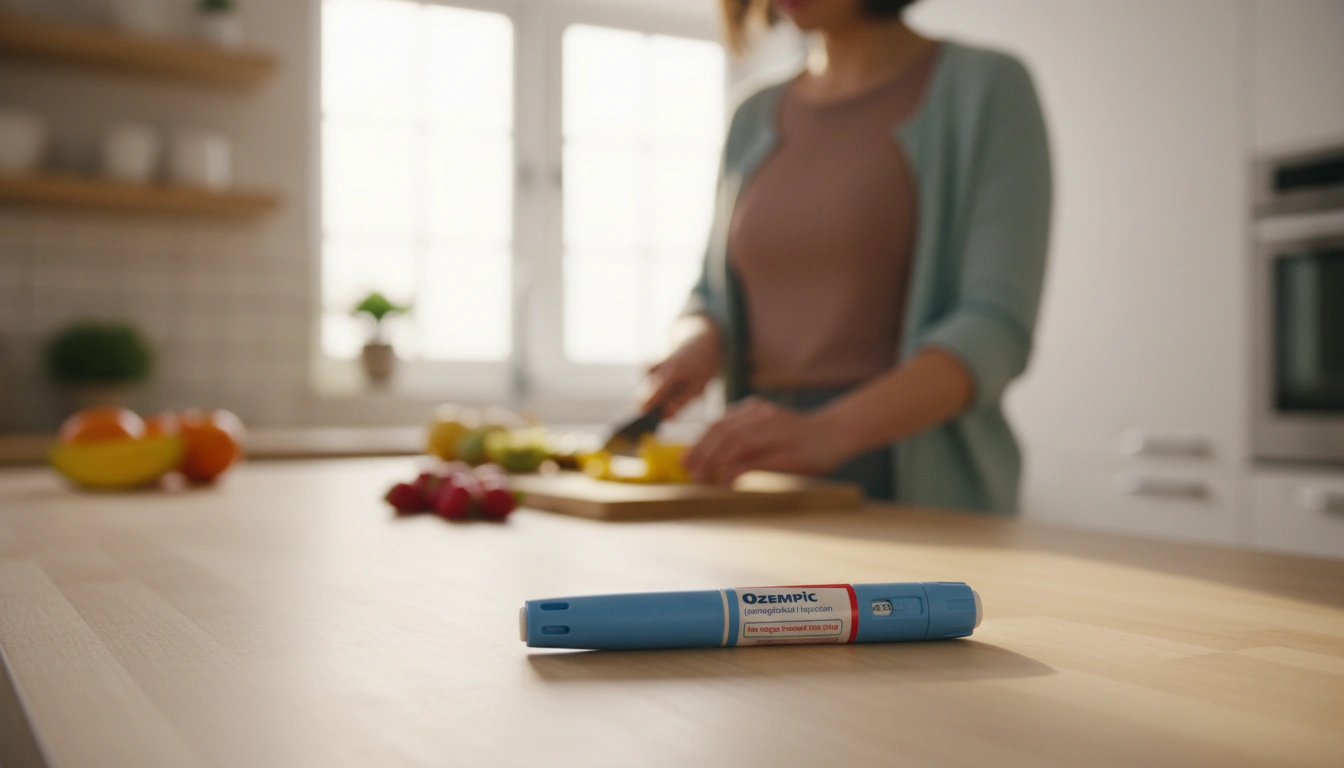
The journey toward achieving a healthier weight is profoundly personal, often marked by a complex interplay of physical, emotional, and metabolic factors. Many individuals find themselves navigating a landscape of countless strategies, seeking not just results, but also a path that aligns with their unique bodies and lifestyles. Recently, conversations around advanced weight management solutions, particularly GLP-1 medications like Ozempic®, have surged, bringing with them both hope and new questions. Among these, a curious term has emerged: “microdosing Ozempic.” It’s a concept that piques interest, suggesting a potentially gentler approach to harnessing the powerful effects of these medications. But can you truly microdose Ozempic effectively and safely, and what does this mean for your weight loss aspirations?
Our journey at TrimRx began with a shared vision to help individuals embrace healthier lifestyles. We merge cutting-edge telehealth innovations with effective, personalized weight loss solutions, creating a user-friendly and supportive space for medically supervised care. We believe that sustainable weight loss should be achieved through science, empathy, and a transparent approach, tailoring treatments to the individual’s specific needs.
This article delves deep into the intriguing concept of Ozempic microdosing, examining its origins, the anecdotal claims surrounding it, and the critical scientific and safety considerations involved. We will explore how GLP-1 medications work, the reasons people might consider microdosing, and the crucial distinction between unverified practices and medically supervised, personalized care. By the end of this comprehensive guide, you will gain a clearer understanding of the complexities surrounding Ozempic microdosing and recognize the unparalleled value of a structured, expert-guided weight loss program. We will outline the various aspects of this discussion, from the fundamental pharmacology to the nuances of individual responses and the importance of professional oversight, ensuring you have the knowledge to make informed decisions about your health journey.
Understanding GLP-1 Medications and Their Role in Weight Management
The advent of Glucagon-Like Peptide-1 (GLP-1) receptor agonists has undeniably revolutionized the landscape of weight management and diabetes care. These medications, including the active ingredient semaglutide found in Ozempic® and Wegovy®, represent a significant advancement for individuals seeking effective solutions. Their mechanism of action is both elegant and multifaceted, impacting several physiological processes crucial for metabolic health and weight regulation.
The Science Behind GLP-1s
GLP-1 is a natural hormone produced in the gut that plays a pivotal role in regulating blood sugar and appetite. Medications that mimic this hormone, known as GLP-1 receptor agonists, work by activating GLP-1 receptors in the body. This activation leads to several beneficial effects:
- Blood Sugar Regulation: They stimulate insulin release from the pancreas in a glucose-dependent manner, meaning insulin is released only when blood sugar levels are high, reducing the risk of hypoglycemia. They also suppress glucagon secretion, a hormone that raises blood sugar.
- Delayed Gastric Emptying: GLP-1s slow down the rate at which food leaves the stomach. This not only helps control post-meal blood sugar spikes but also contributes to a prolonged feeling of fullness, reducing overall food intake.
- Appetite Suppression: By acting on receptors in the brain, GLP-1 medications reduce appetite and cravings, often referred to as “food noise.” This makes it easier for individuals to adhere to a reduced-calorie diet, leading to sustainable weight loss.
- Enhanced Satiety: The combined effect of delayed gastric emptying and central appetite suppression leads to increased feelings of satiety, helping individuals feel satisfied with smaller portions.
This intricate mechanism of action highlights why GLP-1 medications have become such a powerful tool in supporting individuals on their weight loss journey.
FDA Approvals and Off-Label Use
It’s important to understand the regulatory context of these medications. Ozempic®, containing semaglutide, is approved by the Food and Drug Administration (FDA) specifically for adults with type 2 diabetes to improve blood sugar control and reduce the risk of major cardiovascular events. While effective for weight loss, its use solely for this purpose is considered “off-label.” In contrast, Wegovy®, also containing semaglutide but at higher doses, is FDA-approved for chronic weight management in adults with obesity or those with overweight and at least one weight-related comorbidity. Similarly, Mounjaro® and Zepbound® contain tirzepatide, another GLP-1 receptor agonist, with Mounjaro® approved for type 2 diabetes and Zepbound® specifically for weight loss.
This distinction is crucial, as FDA approval signifies that a drug has undergone rigorous clinical trials to prove its safety and efficacy for its intended use. Any use outside of these approved indications, such as intentional microdosing, falls outside the scope of FDA-endorsed practice and lacks the same level of scientific validation. Understanding these foundations is the first step in making informed decisions about your weight loss journey. At TrimRx, we prioritize your safety and efficacy, which is why our personalized programs are designed within the framework of medical best practices. To explore if a GLP-1 medication might be right for you, we encourage you to take our free assessment quiz.
What Exactly Is Microdosing Ozempic?
The concept of “microdosing” has garnered significant attention in various health contexts, suggesting that smaller, often sub-therapeutic doses of a substance can yield benefits while minimizing side effects. When applied to powerful prescription medications like Ozempic®, this concept becomes particularly complex and warrants a thorough, critical examination.
Defining the Practice
At its core, microdosing Ozempic means taking a lower dosage of the drug than what is officially recommended by the manufacturer or approved by the FDA for its indicated uses. This practice diverges from standard prescribing guidelines in two main ways:
- Lower Amount at Recommended Frequency: Administering a smaller milligram amount of the drug once a week, as typically prescribed, but significantly less than the starting or maintenance doses outlined in official prescribing information.
- Recommended Amount Less Frequently: Taking the standard recommended dose but extending the time between injections, for example, every two weeks instead of every week.
For Ozempic®, which comes in an adjustable auto-injector pen, individuals attempting microdosing might try to achieve these lower doses by:
- Counting Clicks: The Ozempic pen dial emits clicks as it’s turned to set a dose. Some individuals attempt to estimate a lower dose by counting a specific number of clicks, rather than setting the pen to a marked, predetermined dose.
- Using Insulin Syringes (with Compounded Medications): In the context of compounded semaglutide, where the medication might be provided in a vial, some might use insulin syringes to draw and inject smaller, self-determined amounts.
- Ordering Custom Low-Dose Compounded Products: The rise of compounding pharmacies has also led to the availability of custom-prepared lower-dose formulations of semaglutide, which, while not FDA-approved products themselves, offer a way to obtain smaller quantities.
It is critical to reiterate that these methods for microdosing are not endorsed by the manufacturer or supported by the FDA. Our commitment at TrimRx is to ensure that you receive safe, effective, and medically sound care, always emphasizing adherence to professional medical guidance for any prescription medication.
The Rationale Behind Microdosing
Despite the lack of official endorsement, individuals consider microdosing Ozempic for several reasons, often driven by a desire to optimize their experience with GLP-1 medications. These rationales, while understandable from a personal perspective, do not replace the need for clinical evidence and medical supervision.
- Mitigating Side Effects: A primary driver for microdosing is the hope of reducing or avoiding the common gastrointestinal side effects associated with GLP-1 medications, such as nausea, vomiting, diarrhea, and constipation. These side effects can be significant for some individuals, leading them to seek ways to experience the benefits with less discomfort.
- Cost-Effectiveness and Supply Management: For some, the high cost of GLP-1 medications and occasional supply shortages motivate them to try to stretch their medication supply further by taking smaller doses. While we cannot discuss pricing, the notion of maximizing a resource is a common human inclination.
- Maintaining Weight Loss: After achieving significant weight loss on standard doses, some individuals explore microdosing as a strategy to maintain their new weight, believing a smaller dose will be sufficient to continue suppressing appetite and prevent regain.
- Targeting “Minor” Weight Loss: Individuals who aim to lose a smaller amount of weight, rather than significant weight, may perceive that a microdose would be adequate for their goals.
- Reducing “Food Noise”: Even at lower doses, some individuals report a reduction in persistent thoughts about food and cravings, finding a subtle but impactful benefit for their mental relationship with eating.
While these personal motivations are real, it’s essential to approach them with caution and under the watchful eye of a healthcare professional. At TrimRx, we believe in a personalized approach where your unique responses and tolerance are carefully monitored to find the optimal plan for you. Our programs begin with a thorough medical consultation to ensure your treatment aligns with the safest and most effective practices. If you’re curious about a personalized plan designed to support your weight loss goals, we invite you to take our free assessment quiz.
The Absence of Clinical Evidence for Microdosing
When considering any medication, especially one as impactful as Ozempic®, the gold standard for understanding its safety and effectiveness is rigorous scientific research through clinical trials. For microdosing Ozempic, this vital layer of evidence is notably absent, leaving a gap between anecdotal reports and verified medical practice.
Anecdotal Reports vs. Scientific Rigor
The claims surrounding the effectiveness of Ozempic microdosing for weight loss or blood sugar management are predominantly anecdotal. These are personal stories and experiences shared in various forums, often on social media platforms or in casual conversations. While these individual accounts can be compelling, they do not constitute scientific evidence for several crucial reasons:
- Lack of Control Groups: Clinical trials compare a treatment group to a control group (often receiving a placebo) to isolate the effects of the medication. Anecdotal reports lack this comparative element, making it impossible to determine if observed effects are due to the microdose, other lifestyle changes, or even the placebo effect.
- Subjectivity and Bias: Personal testimonies are inherently subjective and can be influenced by individual biases, expectations, and unique physiological responses that are not generalizable.
- Absence of Standardized Dosing and Monitoring: Microdosing, by its nature, often involves inconsistent or self-determined dosages, and there is no standardized protocol or monitoring of health markers, making it impossible to assess consistent outcomes.
- Limited Scope: Anecdotal evidence rarely captures the full spectrum of experiences, including potential negative outcomes or instances where microdosing was ineffective.
In contrast, FDA-approved dosages of Ozempic® and other GLP-1 medications have undergone extensive, well-designed clinical trials involving thousands of participants. These studies rigorously evaluate specific doses, track outcomes, monitor side effects, and adhere to strict ethical guidelines, providing a robust body of evidence regarding their safety and efficacy for approved indications. Without similar clinical data, the claims around microdosing remain unproven and speculative.
Official Recommendations and Warnings
The medical and regulatory communities generally do not endorse or recommend microdosing Ozempic® due to the lack of scientific support for its safety and effectiveness.
- Manufacturer’s Stance: Novo Nordisk, the manufacturer of Ozempic®, explicitly advises against relying on “click counting” to select a prescribed dose. Their prescribing information outlines specific once-weekly doses that have been thoroughly studied and verified for safety and effectiveness. Deviating from these prescribed instructions can lead to inaccurate or inconsistent dosing, compromising the medication’s intended effect and potentially introducing risks.
- American Diabetes Association (ADA): While the ADA may have mentioned alternative dosing approaches as a temporary solution during semaglutide shortages (as seen in some past reports), it’s crucial to understand these were crisis-response suggestions, not endorsements of microdosing as a proven method for weight loss or long-term management. The ADA does not support microdosing as a general practice due to the absence of strong scientific research.
- FDA Warnings on Compounded Medications: The FDA has issued warnings regarding compounded versions of semaglutide, emphasizing that these products are not FDA-approved and may carry risks, including inaccurate doses, contaminants, or unverified ingredients. While TrimRx partners with FDA-registered and inspected pharmacies for compounded medications, ensuring stringent quality and safety standards, it is vital to understand that compounded medications themselves are not FDA-approved products. Our commitment to transparent service means we work exclusively with these high-standard pharmacies, prioritizing your well-being.
The consensus from authoritative medical bodies is clear: any deviation from clinically established and prescribed dosages should be approached with extreme caution and only under the direct supervision and guidance of a qualified healthcare provider. This aligns perfectly with our values at TrimRx, where safe, effective, and evidence-based care is paramount. We champion a transparent approach, ensuring that your treatment plan is always consistent with medical best practices, regardless of dosage adjustments recommended by our partner medical professionals.
Potential Benefits and Risks of Unsupervised Microdosing
While the allure of microdosing Ozempic® can be strong for those seeking a “gentler” approach to weight management, it’s vital to critically assess both its perceived advantages and its very real, significant disadvantages, especially when undertaken without professional medical oversight.
Perceived Advantages
The appeal of microdosing often stems from anecdotal reports and theoretical considerations, rather than robust clinical evidence. These perceived benefits typically include:
- Reduced Side Effects: The most commonly cited advantage is the potential for fewer or milder gastrointestinal side effects. By starting with a very low dose and gradually increasing it, individuals hope to “ease into” the medication, allowing their body to adjust with less nausea, vomiting, or constipation.
- Dosing Flexibility: In situations of medication shortages, microdosing might be seen as a way to stretch an existing supply. For individuals who believe they need less medication to achieve their goals, it offers a theoretical ability to customize their dose beyond the standard increments.
- Personalized Tolerance: The idea is that every individual responds differently, and a “one-size-fits-all” approach may not be ideal. Microdosing could, in theory, allow for an ultra-individualized titration, finding the absolute minimum effective dose. This is a concept we wholeheartedly embrace at TrimRx, where personalized care is foundational, but always within medically supervised guidelines.
It’s crucial to understand that these are primarily theoretical or anecdotal advantages. They lack the backing of clinical trials that demonstrate consistent safety or effectiveness compared to standard dosing regimens.
Significant Disadvantages and Safety Concerns
The risks associated with unsupervised Ozempic® microdosing far outweigh any perceived benefits, underscoring the critical need for medical guidance.
Dosing Accuracy and Self-Administration Challenges
One of the most immediate risks of microdosing, particularly when attempting to “count clicks” on an auto-injector pen, is the high potential for dosing errors. The Ozempic® pen is designed for specific, pre-set doses, and manual attempts to measure sub-standard amounts can lead to:
- Inconsistent Dosing: It’s extremely difficult to consistently administer the exact same microdose each time, leading to fluctuating medication levels in the body. This unpredictability can make it hard to assess efficacy or manage side effects.
- Sub-Therapeutic Doses: Inadvertently taking too low a dose might render the medication ineffective for its intended purpose, whether for blood sugar control or weight loss. This can lead to frustration, stalled progress, and a false sense of the medication’s capabilities.
- Overdosing Risks: Conversely, an accidental overdose, however small, could potentially increase the risk or severity of side effects.
- Compromised Sterility: Any attempt to manipulate the pen or use non-approved devices for injection could compromise the sterility of the medication, leading to infection risks.
The Nuance of Compounded Medications: Our Commitment to Safety
The discussion around microdosing often intersects with compounded GLP-1 medications. While compounded semaglutide and tirzepatide can offer tailored solutions for individuals, it’s vital to understand the regulatory differences:
- FDA Status: Compounded medications are not FDA-approved. They are custom-prepared by licensed pharmacists for individual patient needs when an FDA-approved drug is unavailable or medically inappropriate.
- Risks of Unregulated Compounding: The FDA has issued warnings about compounded semaglutide from unregulated sources, citing concerns about purity, potency, and potential contaminants. These risks highlight the importance of choosing a reputable provider.
At TrimRx, your safety is our utmost priority. We address these concerns by working exclusively with FDA-registered and inspected pharmacies for the shipping of all weight loss medications, including compounded Semaglutide and Tirzepatide. This commitment ensures that our compounded medications adhere to stringent quality control standards, minimizing risks associated with less reputable sources. Our transparent approach means you can trust the quality and integrity of your medication, ensuring you receive a product that meets high safety benchmarks. It must be clear that TrimRx partners with these pharmacies for the shipping of weight loss medications and does not provide actual medical supervision; however, our comprehensive service includes consultations with licensed medical professionals who provide guidance and oversight.
Efficacy and Long-Term Outcomes
Beyond immediate risks, the efficacy and long-term consequences of unsupervised microdosing are largely unknown:
- Unproven Effectiveness: There are no clinical studies demonstrating that microdosing Ozempic® is effective for significant or sustained weight loss. Any reported success is anecdotal and not generalizable.
- Missed Broader Health Benefits: GLP-1 medications are increasingly recognized for benefits beyond weight loss and blood sugar control, including potential cardiovascular protection and other emerging health advantages. It is unknown if microdosing can provide these broader, clinically validated benefits.
- Loss of Bone Density and Muscle Mass: For individuals who may not meet the clinical criteria for obesity, taking weight loss medications at very low doses long-term, especially without proper nutritional and exercise guidance, could potentially lead to undesirable outcomes like loss of bone density and skeletal muscle mass, which are difficult to reverse, particularly with age. This underscores the need for a holistic, medically supervised approach.
The decision to embark on a weight loss journey with advanced medications should always be a collaborative one, made with a qualified healthcare provider. This professional guidance ensures that benefits are maximized, risks are minimized, and your health remains the central focus.
The Importance of Personalized, Medically Supervised Weight Loss
The discussion around microdosing Ozempic® vividly illustrates a fundamental truth in healthcare: a one-size-fits-all approach rarely yields the best outcomes, particularly when it comes to complex conditions like weight management. This is why a personalized, medically supervised weight loss program is not just beneficial, but essential for safety, effectiveness, and long-term success.
Why Individualized Care Matters
Every individual’s body, metabolism, lifestyle, and health history are unique. Factors such as genetic predispositions, hormonal imbalances, existing health conditions, dietary habits, physical activity levels, and even stress can profoundly impact how someone responds to a weight loss intervention.
- Tailored Treatment Plans: A personalized program recognizes these individual differences. Instead of a generic prescription, a healthcare provider assesses your specific needs, medical history, and weight loss goals to create a treatment plan that is truly yours. This might involve choosing a specific GLP-1 medication (like Compounded Semaglutide, Oral Semaglutide, Ozempic®, Compounded Tirzepatide, Oral Tirzepatide, Mounjaro®, Zepbound®, or Wegovy®), adjusting dosages, or incorporating other supportive therapies.
- Optimized Efficacy: What works effectively for one person may not work the same way for another. Medical supervision allows for careful titration of medication doses, ensuring that you receive the optimal amount needed for therapeutic effect while minimizing potential side effects. This is a nuanced process that goes far beyond arbitrary “microdosing.”
- Minimizing Risks: A healthcare provider can identify contraindications, monitor for adverse reactions, and manage any side effects that may arise. They can also ensure that the medication is appropriate given your full health profile, safeguarding you from potential health complications.
- Holistic Support: Effective weight loss extends beyond medication. Personalized programs often integrate nutritional guidance, lifestyle coaching, and mental wellness support, addressing the multifaceted nature of weight management for sustained results.
This empathetic and personalized approach forms the cornerstone of what we do. Our brand is empathetic, innovative, trustworthy, supportive, results-oriented, and personalized. We offer compassionate care that respects every individual’s unique journey, combining advanced medical science with modern technology to deliver meaningful outcomes.
TrimRx’s Approach to Safe and Effective Weight Loss
At TrimRx, our entire platform is built on the principle of providing personalized, medically supervised care that makes sustainable weight loss attainable and tailored to the individual. We believe that sustainable weight loss should be achieved through science, empathy, and a transparent approach.
Our Comprehensive Program
Our journey began with a shared vision to help individuals embrace healthier lifestyles by merging cutting-edge telehealth innovations with effective weight loss solutions. When you engage with TrimRx for prescription weight loss medications, you gain access to a comprehensive service designed for your success:
- Doctor Consultations: Your journey begins with a thorough consultation with a licensed medical professional. This is where your individual health profile is assessed, your eligibility for specific medications is determined, and a personalized treatment plan is developed. Our medical professionals provide the actual medical supervision, ensuring your care is appropriate and safe.
- Medication Management: We offer a range of clinically proven options, including Compounded Semaglutide, Oral Semaglutide, Ozempic®, Compounded Tirzepatide, Oral Tirzepatide, Mounjaro®, Zepbound®, and Wegovy®. For these prescription medications, users must complete our free assessment quiz to determine eligibility and receive a personalized treatment plan. Our medications are provided through FDA-registered, inspected, and approved pharmacies, ensuring the highest standards of quality and safety in shipping. We emphasize our commitment to transparent service, highlighting that our approach remains consistent regardless of dosage changes and our focus on safety by working exclusively with these reputable pharmacies.
- Lab Work: Essential lab work is included to establish baseline health metrics and to monitor your progress and safety throughout your treatment.
- Unlimited Support: Your journey is not walked alone. We provide ongoing, unlimited support to answer your questions, address concerns, and help you navigate any challenges.
- Shipping with No Hidden Fees: We believe in transparency, which means the cost of shipping is included, with no surprise charges.
This comprehensive service is designed to provide you with everything you need for a supported and successful weight loss journey, all while ensuring medical oversight and adherence to best practices.
Supporting Your Journey with Quick-Access Supplements
Beyond prescription medications, we recognize that overall wellness is a continuous process. To support your holistic health and complement your weight loss efforts, we also offer quick-access supplements that do not require a quiz for purchase:
- GLP-1 Daily Support: This supplement is crafted to support the body’s natural processes that can complement the effects of GLP-1 medications or assist those looking for general metabolic support. You can explore its benefits and purchase it directly here: GLP-1 Daily Support.
- Weight Loss Boost: Designed to provide additional support for your weight loss journey, this supplement can be a valuable addition to a healthy lifestyle. Find out more and make it part of your regimen here: Weight Loss Boost.
These supplements are available for immediate purchase to support overall wellness during the weight loss journey, reflecting our commitment to providing a spectrum of solutions for diverse needs.
Beyond the Scale: Broader Health Considerations
The conversation around weight loss and GLP-1 medications often centers on the numbers on the scale, but it’s crucial to remember that the benefits of a healthy weight extend far beyond aesthetics. A medically supervised weight loss journey can profoundly impact overall health, metabolic function, and even long-term disease prevention.
Metabolic Health and Holistic Well-being
Achieving a healthy weight, especially with the support of clinically proven medications, can lead to significant improvements in various markers of metabolic health:
- Blood Sugar Control: For individuals with type 2 diabetes or prediabetes, effective weight loss with GLP-1s can dramatically improve blood glucose levels, often reducing the need for other medications.
- Cardiovascular Health: Excess weight is a major risk factor for heart disease, high blood pressure, and high cholesterol. Weight loss can reduce these risks, contributing to a healthier heart and circulatory system. Ozempic® and Wegovy®, for instance, are also approved to reduce the risk of serious cardiovascular problems in certain people.
- Inflammation Reduction: Obesity is associated with chronic low-grade inflammation throughout the body. Weight loss can help quell this inflammation, potentially mitigating the risk of various chronic diseases.
- Improved Quality of Life: Beyond physical health, a healthier weight often translates to increased energy, better mobility, improved mood, and a greater overall sense of well-being. Addressing weight challenges can empower individuals to engage more fully in life.
These holistic benefits underscore our mission at TrimRx. We believe in providing solutions that enhance your entire well-being, not just your waistline. Our personalized approach ensures that your weight loss journey is integrated with your broader health goals. Ready to explore a path that truly understands your needs? Take our free assessment quiz to begin your personalized journey with TrimRx.
The Future of GLP-1 Research
The scientific community continues to uncover the expansive potential of GLP-1 medications, revealing insights that extend beyond their initial applications. While current discussions around microdosing are largely anecdotal and unverified, the broader research into these compounds is dynamic and promising:
- Neurodegenerative Diseases: Emerging research is exploring the potential role of GLP-1s in neurodegenerative conditions like Alzheimer’s disease and Parkinson’s. Their anti-inflammatory properties and effects on brain function are under investigation, hinting at broader protective mechanisms.
- Addiction and Mental Health: Studies are looking into whether GLP-1 medications can influence reward pathways in the brain, potentially helping with substance-use disorders, cravings for alcohol and tobacco, and even certain psychiatric conditions.
- Liver Health: The impact of GLP-1s on fatty liver disease (NASH/NAFLD) is another active area of research, with promising preliminary results.
It’s crucial to remember that these exciting avenues of research typically involve standard, clinically studied doses and patient populations, not unverified microdosing practices. The robust data emerging from these studies reinforces the power of these medications when used appropriately and under medical guidance.
At TrimRx, we are committed to staying at the forefront of medical innovation, integrating evidence-based advancements into our programs while maintaining our core values of safety, empathy, and transparency. Your journey with us is about more than just managing your weight; it’s about embracing a healthier, more vibrant future. To support your overall wellness, consider our quick-access supplements like GLP-1 Daily Support and Weight Loss Boost.
Conclusion
The conversation surrounding “microdosing Ozempic” reflects a common human desire: to find a path to better health that feels gentler, more personalized, and potentially less burdensome. While the allure of minimizing side effects or extending medication supply through microdosing is understandable, it is a practice largely unsupported by scientific evidence and carries significant risks when undertaken without proper medical supervision. The absence of clinical trials for microdosing means we lack verified data on its safety, efficacy, and long-term health implications.
We have explored the intricate mechanisms of GLP-1 medications, the clear distinctions in their FDA approvals, and the compelling reasons why a structured, medically supervised approach is paramount. Attempting to self-administer microdoses risks inaccurate dosing, reduced effectiveness, and exposure to potential health complications, especially when sourcing from unverified channels.
At TrimRx, our entire mission is dedicated to providing a safe, effective, and personalized weight loss journey. Our platform offers access to clinically proven prescription medications like Compounded Semaglutide, Oral Semaglutide, Ozempic®, Compounded Tirzepatide, Oral Tirzepatide, Mounjaro®, Zepbound®, and Wegovy®. This is seamlessly integrated with comprehensive services including doctor consultations, lab work, unlimited support, and transparent shipping from FDA-registered and inspected pharmacies. We believe in empowering you with knowledge and support, ensuring your path to health is grounded in science, empathy, and professional guidance.
Your weight loss journey is unique, and it deserves a strategy that is as individual as you are. Rather than navigating unverified practices, we invite you to explore a path designed for your success and well-being. Discover how a personalized, medically supervised plan can transform your approach to weight loss. Take our free assessment quiz today to see if you qualify for our prescription weight loss medications and embark on a journey that truly understands your needs. For immediate support for your overall wellness, remember to check out our GLP-1 Daily Support and Weight Loss Boost supplements. Your health, safely and effectively supported, is our greatest reward.
Frequently Asked Questions
What does “microdosing Ozempic” actually mean?
Microdosing Ozempic refers to the practice of taking a lower dosage of the medication than officially recommended by the manufacturer or prescribed by a healthcare provider. This might involve attempting to use less of the drug at the standard weekly frequency or taking the standard dose less frequently. Individuals may attempt this by “counting clicks” on an auto-injector pen or using custom compounded lower-dose preparations.
Is microdosing Ozempic safe or effective for weight loss?
Currently, there is no clinical trial evidence to support the safety or effectiveness of microdosing Ozempic for weight loss. Reports of its success are primarily anecdotal and not backed by rigorous scientific research. Medical and regulatory bodies, including the FDA and the manufacturer, do not endorse this practice due to the risk of inaccurate dosing, reduced effectiveness, and potential safety concerns without medical supervision.
What are the potential risks of microdosing Ozempic without medical supervision?
The risks include inaccurate and inconsistent dosing, which can make the medication ineffective or potentially unsafe. There’s also a risk of missing out on the full therapeutic benefits of the drug, including its established effects on blood sugar control and cardiovascular health. Additionally, if compounded medications are used from unregulated sources, there’s a risk of inaccurate ingredients or contaminants. At TrimRx, we prioritize your safety by working with FDA-registered and inspected pharmacies for all medications, including compounded options, ensuring high quality and transparency.
How can TrimRx help me achieve safe and effective weight loss with GLP-1 medications?
TrimRx offers a personalized, medically supervised weight loss program that includes doctor consultations, necessary lab work, access to clinically proven medications like Ozempic®, Compounded Semaglutide, and other GLP-1s, unlimited support, and transparent shipping. Our approach ensures your treatment plan is tailored to your unique needs, maximizing efficacy while minimizing risks under professional guidance. To find out if you qualify for our personalized prescription programs, we encourage you to take our free assessment quiz. For immediate support, our GLP-1 Daily Support and Weight Loss Boost supplements are also available.

Transforming Lives, One Step at a Time
Keep reading
Ozempic Results After One Year: What Long-Term Use Looks Like
A full year on Ozempic puts you in a category that most weight loss approaches never reach: sustained, medically supported treatment that has had…

Ozempic Results at 6 Months: Progress and What Comes Next
Six months on Ozempic is a significant milestone. By this point, most patients have reached a therapeutic dose, worked through the early adjustment period,…

Ozempic Results at 3 Months: What to Realistically Expect
Three months into Ozempic, most people are starting to see results that feel genuinely meaningful. By this point you’ve moved through the starting dose,…


